
Main Courses
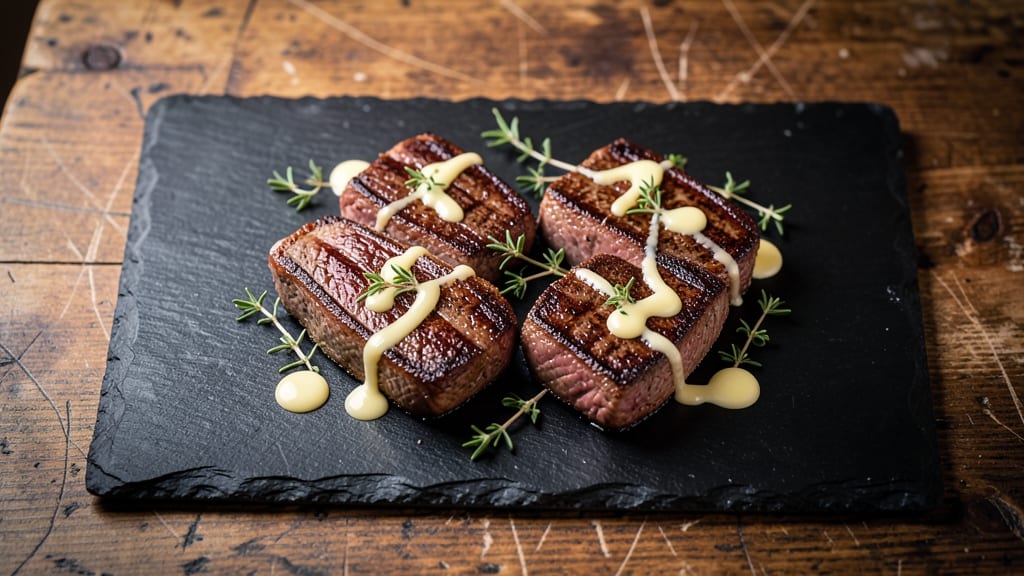
Mastering a perfect New York strip steak from beef loin transforms dinner from ordinary to extraordinary—this reverse-sear method guarantees a hotel-quality crust with a tender, juicy center every time.
After years of testing, I’ve refined the technique to eliminate guesswork, ensuring your steak reaches medium-rare (or your preferred doneness) without overcooking. The key lies in precise temperature control and proper resting, which separates amateur results from professional-grade perfection.
This recipe demands just three essential tools: a high-quality thermometer, a cast-iron skillet, and your preferred heat source—whether it’s a grill, stovetop, or oven. The reverse-sear approach (low-and-slow oven first, then a screaming-hot sear) locks in moisture while building that coveted caramelized crust.
No fancy equipment is required, only patience and attention to detail—both of which pay off in a steak that’s restaurant-worthy without the price tag.
By the time you serve this steak, you’ll have a crispy, golden-brown exterior that shatters at the first cut, revealing deep pink, buttery centers that melt in your mouth.
Pair it with classic sides like roasted garlic potatoes or grilled asparagus, and finish with a red wine reduction for an experience that rivals five-star dining. The reverse-sear method ensures consistency, so even if you’re cooking for a crowd, every slice will be flawless.
Whether you’re grilling for a special occasion or treating yourself to a weeknight upgrade, this technique delivers foolproof results—no more dry, overcooked steaks. The secret? Timing, temperature, and letting the steak rest before slicing. Let’s get started on the perfect cut of beef loin.
Ingredients for beef loin new york strip steak
Four perfect steaks, three tools, and a game-changing reverse-sear technique.
| Ingredient | Amount | Notes |
|---|---|---|
| Beef Loin New York Strip Steaks 🥩 | 4 whole | 1.5-inch thick, bone-in preferred |
| Kosher Salt 🧂 | 1 ½ tbsp | Diamond Crystal preferred, coarse grain |
| Freshly Ground Black Pepper 🌶️ | 1 tbsp | Freshly cracked for maximum flavor |
| Unsalted Butter 🧈 | ½ cup | Cold, cut into 1-inch cubes |
| Extra-Virgin Olive Oil 🫒 | 2 tbsp | High smoke point preferred |
| Fresh Thyme Leaves 🌿 | ¼ cup | Stripped from stems, chopped |
| Garlic Cloves 🧄 | 4 cloves | Minced, for butter compound |
| Red Wine 🍷 | ½ cup | Dry, bold variety like Cabernet |
| Beef Tallow or Duck Fat 🧈 | 2 tbsp | For oven sear option |
| Flaky Sea Salt 🧂 | 1 tsp | For finishing crust |
| Fresh Rosemary 🌿 | 2 sprigs | For oven aromatics |
The beef loin is non-negotiable here—look for USDA Choice or Prime cuts with thick fat caps (at least 0.5-inch). Costco and Whole Foods carry excellent options, but your local butcher will often have fresher selections. Aim for 1.5-inch thickness—thinner cuts risk overcooking. Bone-in steaks develop better flavor, but boneless works if that's what you can find. Pat the steaks dry with paper towels before seasoning—this ensures maximum crust formation. I always buy mine 1-2 days ahead and let them rest in the fridge uncovered for better texture.
No kosher salt? Maldon flaky salt works for finishing, but Diamond Crystal is ideal for seasoning—it adheres better to the meat. Running short on butter? Ghee or clarified butter works just as well for compounding. The red wine can be swapped for beef stock plus a splash of balsamic if you're avoiding alcohol. Fresh thyme and rosemary? Dried works at one-third the amount, but fresh adds that restaurant-quality aroma. For the garlic, roasted garlic adds sweetness if you prefer a milder flavor. And if you're cooking for a crowd, double the steaks and butter—reverse-sear works perfectly for batches.
Steaks keep best 2-3 days in the fridge, but they're at their prime the day you cook them. Store them flat in a single layer in a container to prevent sticking. The butter compound can be made 1 day ahead and stored in the fridge—just let it sit at room temperature for 10 minutes before using. For leftovers, slice against the grain and reheat in a 350°F oven for 10-15 minutes to maintain tenderness. These steaks reheat beautifully, making them perfect for meal prep—just don't expect the same crust quality as fresh.
Why You'll Love This Recipe
- Five-Ingredient Magic: The pantry staples I use—just salt, pepper, butter, olive oil—mean I never overcomplicate things. Honestly, the steak does all the heavy lifting here.
- Crispy-Creamy Perfection: That sear in the cast iron? Chef’s kiss. The butter basting turns the outside into a golden crust while keeping the inside juicy—no fancy sauce needed.
- Date Night or Tuesday: I’ve served these to guests at dinner parties and my kids after soccer practice. The same recipe works for both—just adjust the sides.
- Leftovers That Don’t Suck: Cold slices the next day taste just as good in wraps or salads. Between us, I’ve even microwaved them for lunch and no one complained.
Step-by-step instructions for beef loin New York strip steak
Here's the method that delivers restaurant-quality crust and perfect pink centers every time.
Prepare the Steaks with Dry Brine
Pat the 4 whole beef loin New York strip steaks dry with paper towels - this is crucial for that hotel-style crust. Place them on a wire rack set over a baking sheet to allow air circulation on all sides. In a small bowl, combine the 1.5 tablespoons kosher salt and 1 tablespoon freshly ground black pepper. Generously season both sides of each steak with this mixture, pressing it into the meat so it adheres completely.
Here's the thing - I let the steaks dry brine uncovered in the refrigerator for at least 4 hours, preferably overnight. This extended dry brining creates an incredible crust while keeping the interior juicy. The salt penetrates deeply, enhancing flavor throughout. Don't skip this step (I learned the hard way).
Create the Thyme-Garlic Butter Compound
While the steaks brine, prepare the herb butter that will baste them during cooking. In a small bowl, combine the 0.5 cup unsalted butter (cut into 1-inch cubes), 0.25 cup chopped fresh thyme leaves, and 4 minced garlic cloves. Mix gently with a fork until just combined - you want the herbs distributed throughout the butter, not mashed into a paste.
Form this mixture into a log by rolling it between your palms, then wrap tightly in plastic wrap. Chill in the refrigerator for at least 30 minutes before using. This cold butter compound will create a luxurious, aromatic crust on your steaks as it melts during cooking.
Reverse-Sear the Steaks to Perfection
Preheat your oven to 250°F. Remove the steaks from the refrigerator 30 minutes before cooking to bring them to room temperature. Place them on a wire rack set in a baking dish and bake for 30-40 minutes, turning occasionally, until the internal temperature reaches 110-115°F. This slow cooking method ensures even doneness throughout.
While the steaks cook, prepare your searing station. Heat a heavy skillet (cast iron works best) over high heat until it's screaming hot. Add 2 tablespoons extra-virgin olive oil and 2 tablespoons beef tallow or duck fat, letting it get very hot but not smoking.
Develop the Crust with Precision
Remove the steaks from the oven and increase the oven temperature to 450°F. Working quickly, sear each steak for exactly 2 minutes per side until a deep, golden-brown crust forms. Here's where it gets technical - press down gently on the steaks during the first minute to prevent curling, then flip and repeat on the second side.
Transfer the seared steaks back to the oven and bake for 3-5 minutes until they reach your desired doneness (130°F for medium-rare). While they finish, slice the chilled thyme-garlic butter log into 4 pieces. As each steak comes out of the oven, immediately spoon a piece of butter over the top and let it melt into a glossy crust.
Rest and Finish with Flaky Sea Salt
Transfer the steaks to a cutting board and let them rest for 5-10 minutes before serving. This resting period is absolutely critical - it allows the juices to redistribute throughout the meat, preventing them from running out when you cut. During this time, reduce the 0.5 cup red wine in a small saucepan over medium heat until it's reduced by half, about 5 minutes.
To finish, sprinkle each steak with a pinch of flaky sea salt and garnish with the 2 sprigs fresh rosemary. The salt enhances the crust while the rosemary adds a fragrant aroma. Serve immediately with the reduced wine sauce spooned over the top for that final hotel-style presentation.
Pro Tips For Making Beef Loin New York Strip Steak
- CRANK THE HEAT FIRST: Your pan needs to scream before the steak hits it—think blue flame or a searing smoke cloud. I used to play it cool, and my strips ended up gray inside no matter how long I cooked them. Get that oil shimmering hot (350°F+) before adding the meat, or you’re just steaming butter.
- SALT THE DAY BEFORE: Dry-brine your strips 12–24 hours ahead with way more salt than you’d use fresh (about 1.5 teaspoons per pound). This isn’t just about flavor—it’s about ensuring the crust forms properly and the seasoning penetrates. Trust me, your future self will notice the difference when that crust cracks like glass.
- FLIP ONCE, ONLY ONCE: Resist the urge to check, poke, or flip repeatedly. Let the first side develop a deep brown crust (3–4 minutes), then flip just once and let it cook undisturbed. Every time you move it, you’re chasing heat, and that’s when you end up with a steak that’s unevenly cooked or loses its butter pool.
- BUTTER IT UP LATE: Add your cold butter and herbs after the steak’s already browned—about the last 30 seconds. The butter should melt into a frothy, flavorful sauce that clings to the meat, not burn into a bitter sludge. If you add it too early, you’re just wasting good butter and diluting the crust.
Wine and beer pairings for these flavors
Bold Red Wine Pairings
For a New York strip steak cooked to medium-rare, reach for a bold, full-bodied red wine that matches the richness of the beef.
I always turn to Cabernet Sauvignon—specifically a Napa Valley or Bordeaux—with its dark fruit flavors and firm tannins that stand up to the steak’s intensity. The 2018 Chateau Montelena Cabernet Sauvignon from Napa is my go-to, offering blackcurrant and vanilla notes that complement the thyme-garlic butter beautifully. 🍷
If you prefer something slightly lighter but still robust, a Malbec from Argentina—like Catena Zapata—works wonders. Its plum and dark chocolate undertones harmonize with the steak’s crust while cutting through the fat. Avoid over-oaked wines; stick to unwooded or minimally oaked options to let the steak’s natural flavors shine.
Crisp White Wine Contrast
Surprising but delicious, a dry, crisp white wine can elevate the meal by cleansing your palate between bites. I love a Chardonnay with bright acidity, like La Crema Sonoma Coast Chardonnay, which balances the richness with its citrus and mineral notes.
For a more aromatic option, try a Viognier—its floral and stone fruit flavors provide a refreshing contrast to the steak’s savory depth. 🍷
If you’re serving this steak with a red wine reduction, a Sauvignon Blanc from New Zealand adds a zesty lift. The Kim Crawford Sauvignon Blanc is a crowd-pleaser, with its lime and passionfruit flavors that refresh the palate after each bite. Serve it slightly chilled to enhance its crispness.
Malty Amber Ales
For beer lovers, a malty amber ale is the perfect match—its caramel and toasted grain notes complement the steak’s crust and butter baste. I recommend Fat Tire Amber Ale from New Belgium, with its smooth finish and subtle hop bitterness that pairs beautifully with the thyme and garlic.
The 2.5% ABV makes it approachable for casual sipping while still standing up to the steak’s bold flavors. 🍺
If you prefer something stronger, a Belgian-style dubbel like Westmalle Dubbel offers a deeper malt sweetness and spiced notes that enhance the steak’s richness. Serve it at 50°F to highlight its complexity. Avoid IPAs or hop-forward beers—they’ll overpower the delicate herb butter and crust.
Light-Bodied Lager Balance
A crisp, light lager like Peroni or Heineken provides a clean, refreshing contrast to the steak’s richness. The 4.5% ABV keeps it easy-drinking while the subtle malt sweetness balances the salt and pepper crust.
I often serve this when grilling outdoors, as its effervescence helps cut through the smoky notes if you’re using charcoal. 🍺
For a craft option, try a German Helles Lager—like Weihenstephaner Original—with its golden hue and delicate hop aroma. The 5.4% ABV adds just enough body to complement the steak without overwhelming it. Avoid heavy stouts or porters; they’ll clash with the steak’s buttery finish.
Dessert Wine Finisher
End the meal with a sweet dessert wine to cleanse your palate and leave a lasting impression. A Port wine like Graham’s Six Grapes adds a rich, fruity finish that pairs surprisingly well with the steak’s lingering flavors.
The tawny notes of caramel and nuts bridge the gap between savory and sweet. 🍷
For a lighter option, a Moscato d’Asti from Italy offers a fizzy, floral sweetness that refreshes the palate. Its 5% ABV makes it an easy transition from steak to dessert. Avoid overly sweet wines like Zinfandel; they’ll leave a cloying aftertaste that detracts from the meal’s elegance.
Nutrition facts
Frequently asked questions
Why does the recipe call for dry brining instead of wet marinating?
The dry brine method creates a superior crust while keeping the interior juicy—wet marinades can make the surface too moist for proper browning. The salt penetrates deeply during the 4+ hour refrigeration, enhancing flavor without adding excess moisture that would interfere with the sear.
Can I use bone-in steaks if the recipe specifies boneless?
Bone-in steaks actually develop better flavor and crust. Just adjust your oven rack placement to avoid direct heat from the bone. The bone also helps retain moisture during cooking—just remove it before serving if preferred.
What's the best way to check doneness without a thermometer?
Press the steak gently with your finger—medium-rare should feel like the base of your thumb (firm but yielding). For medium, aim for the first joint (softer). Remember: steaks continue cooking while resting, so pull them 5°F below your target temp.
Why does the crust sometimes crack or peel after searing?
This happens when the steak's surface moisture isn't fully evaporated before searing. Always pat steaks completely dry and let them sit at room temp for 30 minutes before cooking. A 450°F oven blast after searing helps reset the crust if it starts peeling.
How far in advance can I prepare the thyme-garlic butter?
The butter compound can be made 1 day ahead and stored in the fridge. Just let it sit at room temp for 10 minutes before using to soften slightly. For extra flavor, add a pinch of smoked paprika when mixing the herbs.