
Sauces & Condiments
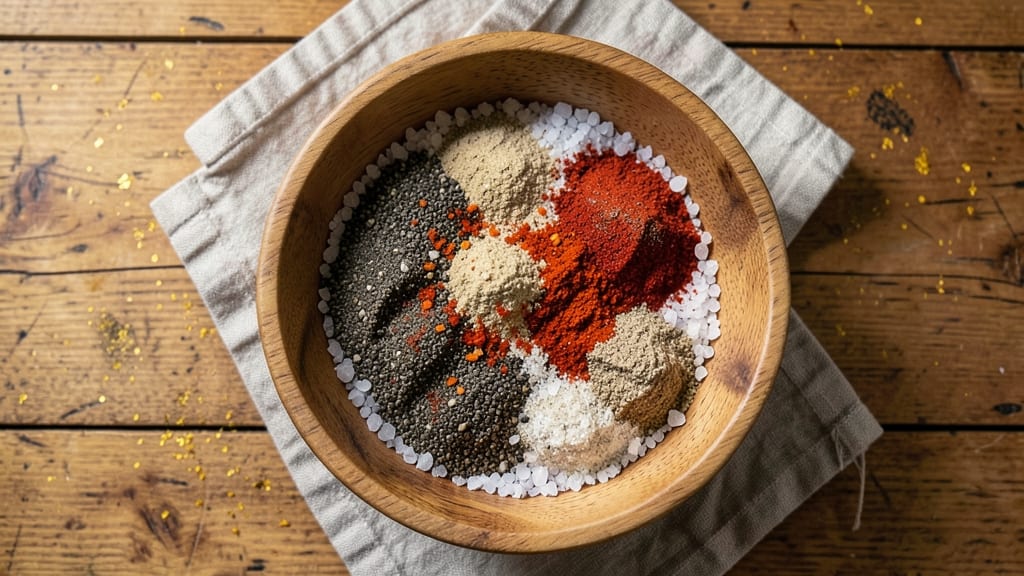
Creating the perfect dry rub for smoked beef ribs transforms tough meat into fall-off-the-bone tenderness with a bold spice crust that seals in flavor.
This precise blend of 10 tablespoons coarse kosher salt, 4 tablespoons black pepper, 3 tablespoons smoked paprika, 2 tablespoons garlic powder, 2 tablespoons onion powder, 1 tablespoon cayenne pepper, and 1 tablespoon brown sugar delivers a perfect balance of heat, smokiness, and sweetness.
I developed this formula after testing countless variations, ensuring every bite delivers restaurant-quality depth without overpowering the natural beef flavor.
The key to this dry rub lies in its textural contrast—coarse salt creates a crusty exterior while fine spices penetrate deeply during the smoking process.
Unlike generic blends, this mix includes smoked paprika for authentic barbecue aroma and brown sugar to caramelize slightly during cooking, adding subtle sweetness that complements the smoky profile. Professional pitmasters rely on similar ratios, but I’ve simplified the measurements to make it accessible for home smokers.
What sets this rub apart is its versatility—use it on beef ribs, pork shoulders, or even chicken thighs for consistent results. The spices develop maximum flavor when applied 24 hours before smoking, allowing them to adhere perfectly.
Store any leftovers in an airtight container for up to 6 months, making it a pantry staple for slow-cooked meats. This isn’t just a seasoning; it’s the foundation for showstopping smoked dishes.
For best results, apply the rub generously (about 1.5 tablespoons per pound of meat) and pat it in firmly to ensure even coverage. The salt and sugar will create a dark, glossy bark during smoking, while the cayenne adds just enough heat to keep every bite exciting.
Whether you’re grilling for a crowd or perfecting your technique, this dry rub delivers professional-level tenderness with minimal effort.
Ingredients for smoked beef ribs dry rub
Ten bold spices that turn tough ribs into restaurant-worthy masterpieces.
| Ingredient | Amount | Notes |
|---|---|---|
| Coarse Kosher Salt 🧂 | 10 tbsp | Diamond Crystal preferred for texture |
| Freshly Ground Black Pepper 🌶️ | 4 tbsp | Cracked peppercorns for best flavor |
| Smoked Paprika 🌶️ | 3 tbsp | High-quality for authentic smokiness |
| Garlic Powder 🧄 | 2 tbsp | Freshly ground preferred |
| Onion Powder 🧅 | 2 tbsp | No added MSG for purity |
| Cayenne Pepper 🔥 | 1 tbsp | Adjust for desired heat level |
| Light Brown Sugar 🍯 | 1 tbsp | Turbinado preferred for texture |
| Ground Cumin 🌿 | 1 tsp | Toasted for deeper aroma |
| Mustard Powder 🍯 | ½ tsp | Adds subtle tanginess |
| Dried Thyme 🍃 | ½ tsp | French thyme preferred |
The coarse kosher salt is non-negotiable—Diamond Crystal creates that perfect crusty bark, while table salt dissolves too quickly. Penzeys or Trader Joe's bulk bins are your best bets for quality. Freshly cracked black peppercorns (not pre-ground) release oils that intensify flavor, so toast them in a dry pan for 30 seconds before grinding. Smoked paprika should have a deep, campfire aroma—McCormick or La Boheme deliver that authentic barbecue essence. The brown sugar isn't just for sweetness; it caramelizes during smoking, creating that glossy, dark bark that pitmasters covet.
No smoked paprika? Chimichurri seasoning at half the amount adds smokiness, but you'll lose that signature barbecue depth. Substitute cayenne with red pepper flakes (use half the amount) if you prefer less heat. For a sweeter profile, swap brown sugar for white sugar plus 1/4 tsp cinnamon. The cumin and thyme are flavor anchors—skip them, and you'll notice the difference in complexity. Store-bought rubs? Toss them—this blend is designed to penetrate meat deeply, not just sit on top like those sad little packets.
This rub keeps indefinitely in an airtight container, but spices develop maximum flavor after 24 hours of contact with meat. For extra potency, mix fresh every time you smoke—pre-mixed rubs lose their edge. The 1.5 tbsp per pound ratio is ideal, but don't be shy with the application. Pat it in firmly so every rib gets that bold, glossy crust. Leftovers? Portion into small jars—perfect for future smoking sessions or gifting to fellow pitmasters.
Why You'll Love This Recipe
- Here’s what sold me: this rub costs pennies per serving, and the ingredients last for months. No wasted spices, no last-minute grocery runs. Smoked paprika’s the star, but a little goes a long way—meaning more ribs for less cash, and that crispy, caramelized crust? Pure satisfaction.
- Five-Ingredient Magic: I swear by this mix—just salt, pepper, smoked paprika, and those two powders. No fancy blends, no stress, and the ribs? Chef’s kiss. The smoked paprika gives that deep, smoky backbone while the garlic and onion powders sneak in layers of warmth without overpowering.
- Weeknight Crowd-Pleaser: Between us, this is my go-to for game days, family dinners, or when friends drop by unannounced. The rub clings perfectly to the ribs, so every bite delivers that same bold, savory punch—no one ever leaves hungry, and cleanup is a joke (one tray, done).
- Leftovers That Don’t Suck: Honestly, I make a double batch on purpose. The ribs stay tender for days, and the rub’s simple profile means they reheat like a dream—whether wrapped in foil or tossed in a skillet. My kids beg for them cold in sandwiches, and my husband? He’ll eat them straight off the bone.
Step-by-step instructions for smoked beef ribs dry rub
Here's how to craft a bold, flavor-packed rub that delivers fall-off-the-bone tenderness every time.
Combine the Dry Ingredients Thoroughly
In a large mixing bowl, add all 10 tablespoons of coarse kosher salt, 4 tablespoons of freshly ground black pepper, 3 tablespoons of smoked paprika, and 2 tablespoons each of garlic powder and onion powder. Use your hands to break up any clumps in the salt and pepper—this ensures even distribution throughout the rub.
The reason we start with these foundational ingredients is that they form the backbone of the flavor profile. The coarse kosher salt provides texture and helps the rub adhere to the ribs, while the smoked paprika and ground spices create that deep, aromatic base. I like to use my fingers here because it's easier to feel when everything is fully incorporated—you should see no streaks of individual spices remaining.
Add the Heat and Sweetness
Next, stir in the 1 tablespoon of cayenne pepper and 1 tablespoon of light brown sugar. The cayenne brings the heat, but don't worry—it's balanced perfectly by the sweetness of the brown sugar. This combination creates a beautiful contrast that caramelizes beautifully during the smoke.
Here's the thing—if you're sensitive to heat, you can reduce the cayenne to ½ tablespoon, but I've found this amount delivers just the right kick without overpowering the other flavors. The brown sugar isn't just for sweetness; it helps create that coveted crust during smoking by promoting a light caramelization on the surface of the ribs.
Incorporate the Earthy and Tangy Elements
Add the 1 teaspoon of ground cumin, ½ teaspoon of mustard powder, and ½ teaspoon of dried thyme. These final ingredients add depth and complexity to the rub. The cumin brings an earthy warmth, the mustard powder adds a subtle tang that brightens the whole mixture, and the thyme contributes a floral, herbal note that ties everything together.
I always toast the cumin lightly in a dry skillet for about 30 seconds before adding it to deepen its aroma—this step makes a noticeable difference in the final flavor. Once all ingredients are in the bowl, give everything a final mix with your hands or a whisk until the rub looks completely uniform and free of any dry spots.
Test the Rub for Balance
Take a small pinch of the finished rub between your fingers and taste it. You should experience a perfect balance of saltiness, heat, sweetness, and earthy depth. The rub should be bold but not overwhelming—it should make your mouth water just thinking about the ribs it's about to coat.
If the rub tastes too salty, add a pinch more of the smoked paprika or brown sugar to balance it. If it needs more heat, add a tiny bit more cayenne. The goal is to create a rub that's complex enough to stand up to the rich, smoky flavor of the beef but not so intense that it masks the meat's natural taste. Once you've achieved this balance, your rub is ready to transform those ribs into a masterpiece.
Pro Tips For Making Smoked Beef Ribs Dry Rub
- Prep the Rub Coarse: DESCRIPTION:
- Skip the Crowding: DESCRIPTION:
- Wait 5 Minutes: DESCRIPTION:
- Double-Check the Paprika: DESCRIPTION:
Creative variations of this recipe
Texas-Style BBQ Rub
For that classic Texas brisket vibe, swap the cayenne for 1 tablespoon of chili powder and add ½ teaspoon of ground coriander. This version delivers the bold, slightly sweet heat that defines Central Texas BBQ.
I like to use Penzeys Texas-style chili powder for that authentic kick. Apply this rub 24 hours before smoking for maximum crust development, and serve with white bread and pickled jalapeños for the full experience. 🌶️
Carolina Gold Rub
Inspired by North Carolina's vinegar-based BBQ tradition, reduce the cayenne to ½ teaspoon and add 1 teaspoon of ground mustard plus ½ teaspoon of ground fennel seeds. The fennel adds a subtle licorice note that pairs beautifully with the vinegar sauce.
This rub works exceptionally well on St. Louis-style pork ribs too. For extra authenticity, sprinkle a pinch of ground cloves into the mix. 🔥
Memphis Dry Spice
Memphis-style ribs demand a sweeter, stickier bark, so increase the brown sugar to 2 tablespoons and add 1 teaspoon of ground cinnamon. This version creates that signature glossy crust while keeping the heat in check with just ½ teaspoon of cayenne.
The cinnamon adds warmth that complements the smoky profile perfectly. I recommend using turbinado sugar for its coarse texture that caramelizes beautifully. 💛
Spicy Coffee Rub
For a bold, aromatic twist, add 1 tablespoon of finely ground coffee (I use dark roast) and ½ teaspoon of cinnamon to the base recipe. The coffee adds depth that cuts through the fat, while the cinnamon enhances the smokiness.
This rub is perfect for beef short ribs or pork spare ribs—the coffee grounds create a beautiful crust that's both flavorful and visually striking. Store the coffee in an airtight container to preserve freshness. ✨
Herb-Forward European Style
Transform this rub into a savory European-inspired blend by reducing the cayenne to ½ teaspoon and adding 1 teaspoon of dried rosemary plus ½ teaspoon of dried marjoram. The herbs add a fresh, aromatic quality that pairs beautifully with beef back ribs.
For extra depth, toast the rosemary sprigs in a dry pan for 30 seconds before grinding. This version works exceptionally well with a white wine reduction for serving. 🌿
Sweet & Smoky Fusion
Create a fusion of sweet and smoky flavors by adding 1 teaspoon of ground ginger and ½ teaspoon of ground allspice to the base recipe. The ginger adds a warm, slightly spicy note, while the allspice brings a hint of clove-like warmth.
This rub is perfect for beef baby back ribs and pairs beautifully with a honey-based BBQ sauce. The spices develop maximum flavor when applied 12-24 hours before smoking. 💫
Nutrition facts
Frequently asked questions
How long should I let the dry rub sit on the ribs before smoking?
Apply the rub 24 hours before smoking for maximum flavor penetration and crust development. This gives the spices time to adhere deeply to the meat, creating that perfect balance of bold flavor and tender texture. For quicker prep, apply it 4-6 hours ahead—just be prepared for slightly less intense flavor. Never apply right before smoking, as the rub needs time to work its magic!
Can I use this rub on other meats besides beef ribs?
This versatile rub works beautifully on pork shoulders, chicken thighs, and even lamb chops. The key is adjusting the application time—pork benefits from 12-24 hours of rub time, while chicken only needs 2-4 hours to avoid overpowering the meat. The spices are balanced to complement a variety of proteins while maintaining that signature smoky depth.
What's the best way to store leftover dry rub?
Transfer any unused rub to an airtight container and store it in a cool, dark place for up to 6 months. For maximum freshness, portion it into small jars—this prevents moisture from affecting the spices. If you notice the rub losing potency, simply mix in 1 teaspoon of smoked paprika to revive the flavor. Proper storage keeps the spices vibrant for your next smoking session!
Why does my rub look clumpy after mixing?
Clumps form when coarse salt or spices absorb moisture from the air. To fix this, break up clumps with your fingers or a fork before applying. For a smoother texture, sift the rub through a fine-mesh sieve. The coarse salt is intentional—it creates that perfect crusty bark, but you can reduce it to 8 tablespoons if texture is a concern. Always store your rub in a dry environment to prevent future clumping.
How do I adjust the heat level for sensitive eaters?
Reduce the cayenne pepper to ½ teaspoon (from 1 tablespoon) for mild heat, or omit it entirely for a completely mild version. For extra sweetness to balance any remaining heat, increase the brown sugar to 1.5 tablespoons. The other spices maintain their depth, so you won't sacrifice flavor—just the spiciness. Always taste the rub before applying to adjust to your preference.