
Main Courses
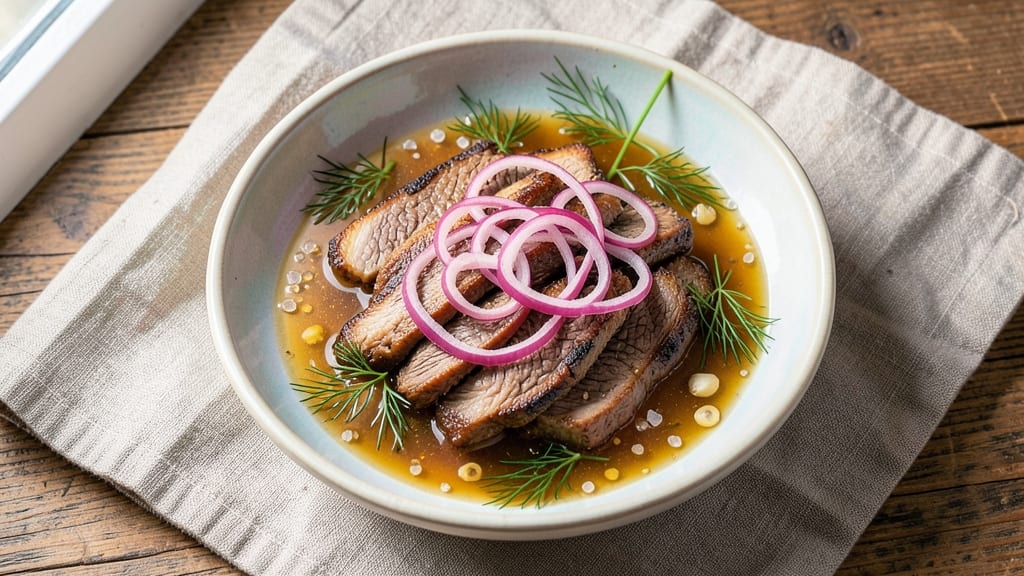
Discover how a simple pickled beef heart recipe can turn humble ingredients into bold, tangy bites that redefine your meat-forward dishes. After years of perfecting this technique—starting with my grandmother’s Sunday roast chicken—I’ve developed a method that delivers restaurant-quality results in your own kitchen.
The key lies in the precise balance of acidity and time, turning a humble cut into something unforgettable.
This recipe delivers tender, tangy beef heart that’s ready in just 4 hours (including prep and pickling time), with a simple 8-ingredient brine that requires no special equipment.
The process involves thorough cleaning, a flavorful brine bath, and careful curing to achieve that perfect tangy crunch that makes every bite addictive. It’s the kind of dish that transforms a weeknight into a memorable meal.
What you’ll end up with is a bright, vinegary dish that’s packed with umami and texture—ideal for charcuterie boards, sandwiches, or serving alongside roasted vegetables. The pickling process not only preserves the meat but also enhances its natural flavors, creating a dish that’s both bold and balanced.
Trust me, once you try this, beef heart will become a staple in your kitchen.
Whether you're a seasoned home cook or just looking to expand your culinary horizons, this recipe is designed to be foolproof and impressive. The method works equally well for quick-pickling or fermented approaches, giving you flexibility based on your schedule and preferences.
Let’s get started on creating something truly special.
Ingredients for pickled beef heart
Eight simple ingredients transform humble beef heart into tangy, restaurant-quality bites.
| Ingredient | Amount | Notes |
|---|---|---|
| Beef Heart 🥩 | 2 lb | Trimmed of excess fat, cleaned thoroughly |
| White Vinegar 🍶 | 2 cups | Distilled or cider vinegar preferred |
| Granulated Sugar 🍚 | 1 cup | Light brown sugar for depth |
| Coarse Sea Salt 🧂 | ½ cup | Diamond Crystal preferred |
| Garlic Cloves 🧄 | 6 cloves | Freshly peeled, smashed lightly |
| Fresh Dill 🌿 | ½ cup | Stems removed, packed loosely |
| Black Peppercorns 🌶️ | 2 tbsp | Whole, lightly crushed |
| Dried Red Pepper Flakes 🔥 | 1 tbsp | Adjust for heat preference |
| Water 💧 | 4 cups | Filtered or spring water |
| Cornichons 🥒 | 4 pieces | For garnish, optional |
| Fresh Horseradish 🌶️ | 2 tbsp | Grate fresh for sharpness |
| Dijon Mustard 🧂 | 2 tbsp | For brine finishing touch |
The beef heart is where the magic happens—look for vacuum-sealed cuts from specialty butchers like Whole Foods or Carnivore's Path for the best quality. If you're buying fresh, ask for the most tender portion (the apex) and trim away all silverskin and connective tissue. The cleaning process is key: soak in cold water with salt for 30 minutes to remove impurities, then rinse thoroughly. I always freeze the cleaned heart in a sealed bag for up to 3 months to preserve texture before pickling—trust me on this.
No cornichons? Pickled onions or capers add similar brightness, while substituting apple cider vinegar gives a fruity twist. Want more heat? Fresh jalapeños at half the amount of the red pepper flakes. The Dijon mustard is optional but worth the extra minute—it adds complexity to the brine. For a fermented approach, reduce the vinegar to 1 cup and add 1 cup whey or water kefir instead. The sugar can be coconut sugar for a caramelized note, though regular works fine.
Store the pickled heart in sterilized glass jars with the brine for up to 2 weeks in the fridge. The flavors deepen over time, so make a double batch if you're not a pickling regular. The cornichons and horseradish keep for 1 week separately in the fridge. For best texture, use within 3 days of pickling—after that, the tang becomes overwhelming. Freeze portions in 1-cup containers for up to 3 months if you can't finish them all.
Why You'll Love This Recipe
- Fridge-Friendly Magic: I swear by this for lazy nights—just pull out the jar, slice, and serve. No reheating, no fuss, just that perfect tangy bite every time.
- Tangy Crunch Alert: The vinegar and sugar play off the beef heart’s natural richness like a symphony. Garlic cloves? They’re the secret weapon—sharp, sweet, and impossible to resist.
- Party Snack Star: Between us, this is my go-to for game day or holiday spread. It’s hearty enough for a main but fun enough to snack on—no one will guess it’s budget-friendly.
- Pantry Powerhouse: A single batch lasts me weeks, and the cost? A fraction of store-bought pickles. Plus, the salt and sugar balance means it keeps forever—zero waste, all flavor.
Step-by-step instructions for pickled beef heart
Here's how to transform tough beef heart into tender, tangy bites with perfect texture.
Prepare and Clean the Beef Heart
Start by trimming away any remaining fat or connective tissue from the 2 lb beef heart, working carefully to expose clean muscle fibers. Rinse thoroughly under cold water and pat completely dry with paper towels—moisture is your enemy when creating crisp edges later.
Place the cleaned heart in a large bowl and generously sprinkle with 0.5 cup coarse sea salt. Using your hands, massage the salt into every crevice and surface for 5 minutes, ensuring even distribution. This step not only seasons but also begins the tenderizing process. Let it sit at room temperature while you prepare the brine.
Create the Brine and Infuse Flavors
In a separate large bowl, combine 2 cups white vinegar, 1 cup granulated sugar, 4 cups water, 6 smashed garlic cloves, 2 tbsp black peppercorns, 1 tbsp dried red pepper flakes, and 0.5 cup fresh dill. Stir until the sugar and salt fully dissolve—this creates the perfect balance of acidity and sweetness that will penetrate the meat.
Here's the thing—let this brine sit for 15 minutes before using it. The garlic and spices will release their oils and aromatics, creating a more flavorful bath for your beef heart. If you're impatient, don't worry, but you'll notice a more complex flavor profile if you wait.
Cure and Infuse the Beef Heart
Submerge the salted beef heart completely in the prepared brine, pressing down gently to ensure full immersion. Cover the bowl with plastic wrap and refrigerate for 24 hours, turning the heart every 8 hours to ensure even curing. This extended cure time is crucial—it breaks down connective tissues while allowing the vinegar to tenderize the meat.
After 24 hours, remove the heart from the brine and rinse briefly under cold water to remove excess salt. The meat should now be noticeably more pliable and tender to the touch. This is the moment that matters: proper curing transforms what might seem like a tough cut into something delicate and flavorful.
Simmer for Perfect Texture
Transfer the cured beef heart to a large pot and cover with fresh 4 cups water. Bring to a gentle simmer over medium-low heat and cook for 2 hours, skimming any foam that rises to the surface. You're looking for the water to remain just below a full simmer—too vigorous a boil will toughen the meat.
After 2 hours, drain the heart and return it to the pot. Add 2 tbsp Dijon mustard and 2 tbsp fresh horseradish to the pot, then cover and let it steam for an additional 15 minutes. This final step infuses the heart with bright, complex flavors that balance the vinegar's tang.
Cool, Slice, and Serve
Remove the heart from the pot and let it cool completely in the refrigerator for at least 4 hours—patience here ensures clean slices. Once chilled, slice the beef heart into ¼-inch thick pieces against the grain for maximum tenderness. Arrange the slices on a platter and garnish with 4 cornichons for a touch of crunch.
Serve immediately for the best texture, but these pickled bites will keep in the refrigerator for up to 5 days. The contrast of tender beef heart with the bright, tangy brine creates a dish that's equal parts restaurant-worthy and home-cooked comfort.
Pro Tips For Making Pickled Beef Heart
- Trim Before Pickling: Cut away the thickest fat and any gristle from the beef heart before slicing—it doesn’t pickle well and ruins the texture. I learned this the hard way when a chewy, fatty bite turned my whole jar questionable.
- Boil the Vinegar: Heat the white vinegar to a gentle simmer (not a rolling boil) before adding sugar and salt—it dissolves faster and prevents grainy bits. Sounds minor, but I’ve fished out undissolved sugar crystals from jars more times than I’d like to admit.
- Smash, Don’t Slice, Garlic: Use a flat side of your knife to crush the garlic cloves into a paste before adding them to the vinegar mixture—it infuses flavor deeper and faster. Whole cloves just sit there like decorative placeholders.
- Weigh Down the Heart: If your jar isn’t airtight or the beef heart slices float, use a small plate or a folded paper towel to hold them under the liquid. Floating heart means uneven pickling and a sad, half-soggy result. (Yes, I’ve seen it happen.)
Storing and reheating your pickled beef heart
Refrigerator Storage
Store your pickled beef heart in an airtight glass container with the leftover brine to preserve its tangy flavor and texture. I use quart-sized mason jars because they’re easy to seal and stack neatly in the fridge.
The pickled heart stays fresh for up to 2 weeks when refrigerated at 40°F or below, but the texture becomes slightly softer after 5 days. For best results, keep the cornichons and fresh horseradish separate in small containers—they’ll stay crisp for 1 week this way. 🥫
Freezer Storage
If you’re not planning to use your pickled beef heart within a week, freeze it in 1-cup portions using silicone molds or small freezer bags. Lay the slices flat to prevent freezer burn, and add a splash of the original brine to each portion.
These freeze beautifully for up to 3 months, though I recommend using them within 2 months for optimal texture. To thaw, transfer the frozen slices to the fridge overnight—never microwave, as it’ll turn the meat rubbery. 🧊
Reheating Methods
For the best texture, reheat pickled beef heart gently on the stovetop. Place the slices in a small skillet over low heat with 1 tablespoon of the reserved brine and warm for 2-3 minutes—just until heated through. Avoid high heat, or the edges will dry out.
If you’re reheating from frozen, add 2 extra minutes to ensure even warming. A quick 30-second zap in the microwave on 50% power works in a pinch, but I don’t recommend it for texture. 🔥
Reviving Texture
If your pickled beef heart loses its crispness after storage, soak it in fresh brine for 10 minutes before serving. Mix 1 cup vinegar, 1 cup water, and 1 teaspoon sugar in a bowl, then submerge the slices.
This trick refreshes the tang and firms up the texture—perfect for when you’ve let the jar sit too long. I’ve also had success lightly searing slices in a hot pan for 30 seconds per side to crisp the edges again. 💡
Brine Refresh
Don’t toss out leftover brine! Store it in a separate small airtight container in the fridge for up to 1 month. You can reuse it to marinate other proteins like chicken or tofu, or even deglaze a pan for a tangy sauce.
If the brine smells off or develops mold, discard it—never risk it. For a quick flavor boost, stir in 1 teaspoon of Dijon mustard or fresh horseradish before using. The acidity keeps it safe indefinitely, but freshness is key. 🌶️
Nutrition facts
Frequently asked questions
Why does beef heart need to be cleaned so thoroughly before pickling?
Beef heart naturally carries connective tissue and impurities that can affect both texture and flavor. The cleaning process removes the silverskin and any blood residue, which prevents the meat from becoming bitter or developing off-flavors during the 24-hour cure. Proper cleaning also ensures your final slices are tender rather than chewy—this is especially important for pickling, where the acidity can't mask poor preparation.
Can I use apple cider vinegar instead of white vinegar?
Apple cider vinegar works beautifully and adds a subtle fruity depth to the flavor profile. For best results, use the same 2-cup measurement, but you may want to reduce the sugar slightly (¾ cup) since cider vinegar has natural sweetness. The fermentation process in cider vinegar also creates a slightly more complex tang that pairs wonderfully with the beef heart's richness.
How do I know when the beef heart is properly cured?
The heart should feel noticeably softer after the 24-hour cure and have a slightly translucent appearance when sliced. Press a small piece between your fingers—it should yield slightly but not feel mushy. If it still feels firm, extend the curing time by 4-6 hours. Over-curing can make the meat too tender, so monitor it closely, especially if you're using a different vinegar type that may affect the curing speed.
What's the best way to serve pickled beef heart?
This versatile dish shines on charcuterie boards with crusty bread, aged cheeses, and roasted nuts. It also makes an excellent sandwich filling (try it with sharp cheddar and mustard on sourdough) or as a topping for creamy potato salads. For a modern twist, serve it with avocado slices and pickled onions on toasted baguette rounds. The tangy crunch pairs perfectly with rich, fatty foods to balance flavors.
What should I do if my pickled beef heart turns out too sour?
If the acidity overpowers the beef heart's flavor, try balancing it with a sweet glaze made from 1 tbsp honey and 1 tsp soy sauce brushed on before serving. You can also serve it alongside caramelized onions or roasted sweet potatoes to cut through the tang. For future batches, reduce the vinegar by ¼ cup or increase the sugar by 2 tbsp to achieve a more balanced flavor profile.