
Main Courses
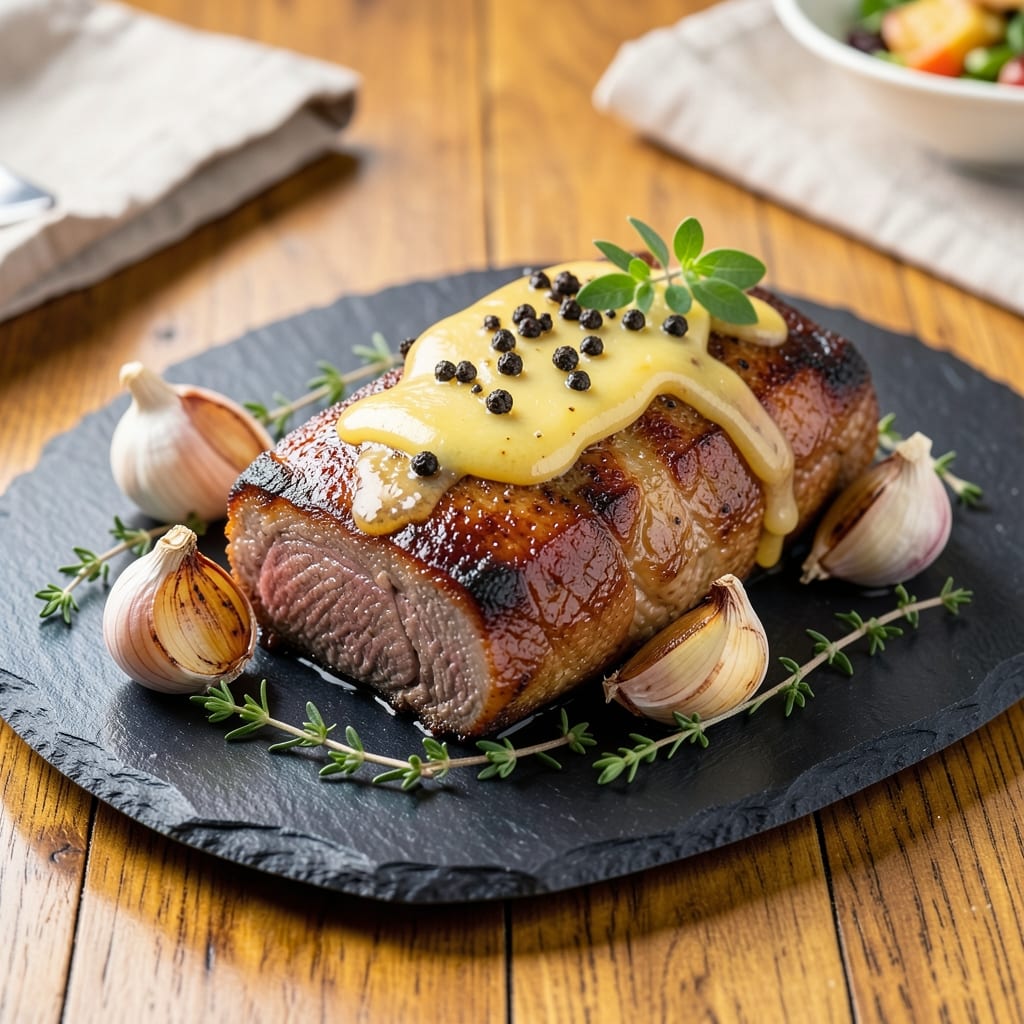
This oven roasted beef tenderloin recipe delivers restaurant-quality results with a buttery crust and perfect rare center in just 45 minutes. After years of perfecting this technique—including my own kitchen disasters—I've developed a foolproof method that works every time, even for home cooks. The secret lies in proper seasoning, precise temperature control, and that all-important resting period. What makes this recipe stand out is the balance between simplicity and professional results. You'll need just six core ingredients, but the technique transforms them into a showstopping centerpiece. The beef develops a golden, flavorful crust while staying tender and juicy inside, thanks to a high-heat sear followed by controlled oven roasting. This isn't just another beef recipe—it's the one that makes your guests ask for seconds. The process is straightforward but critical: start with room-temperature beef, season generously, and let the oven do most of the work while you focus on perfecting that crust. By the time it's done, you'll have a perfectly cooked tenderloin that slices beautifully and tastes even better. The buttery crust adds richness without overpowering the natural beef flavor. Serve with classic sides like roasted potatoes or a fresh salad to complete the meal. This recipe proves you don't need fancy equipment to achieve impressive results—just patience and attention to detail. Let's get started on creating your best beef tenderloin yet.
Ingredients for oven roasted beef tenderloin
Six essential ingredients transform into a showstopping restaurant-quality beef tenderloin.
| Ingredient | Amount | Notes |
|---|---|---|
| Beef Tenderloin 🥩 | 2 lb | Center-cut, trimmed of silver skin |
| Unsalted Butter 🧈 | ½ cup | Cold, cut into 1-inch cubes |
| Diamond Crystal Kosher Salt 🧂 | 1 tbsp | Coarse grain preferred |
| Freshly Ground Black Pepper 🌶️ | 1 tbsp | Cracked, not pre-ground |
| Garlic Cloves 🧄 | 4 cloves | Smashed, not minced |
| Fresh Thyme Leaves 🌿 | ¼ cup | Stemmed, loosely packed |
The beef tenderloin is non-negotiable here—center-cut, uniform in diameter for even cooking. Whole Foods or high-end butchers carry the best quality, but standard grocery stores stock it too. Look for a piece with good marbling and a vibrant red color. If buying frozen, thaw it in the fridge for 24 hours before cooking. The butter should be cold and unsalted—salted butter can alter the seasoning balance. For the garlic, smashing the cloves releases more flavor than mincing, but don't overdo it or it'll turn bitter.
No kosher salt? Diamond Crystal is the standard, but Morton coarse sea salt works too—just use half the amount. Fresh thyme is ideal, but dried thyme at one-third the quantity suffices in a pinch. The butter crust is critical—use European-style butter like Plugrá or Kerrygold for superior flavor. For extra richness, add 1 tbsp olive oil to the butter cubes. If you prefer a different herb, rosemary works beautifully—just halve the amount since it's more potent. Pre-ground pepper loses potency quickly, so crack fresh peppercorns whenever possible.
The beef should rest at room temperature for 30-45 minutes before cooking—this ensures even doneness. Store any unused butter in an airtight container in the fridge for up to 3 months, or freeze for 6 months. Fresh thyme keeps for 1 week in the fridge, wrapped in damp paper towels. For leftovers, slice the tenderloin against the grain and store in an airtight container for 3-4 days. Reheat gently in the oven at 300°F to maintain moisture.
Why You'll Love This Recipe
- Just Five Ingredients: The pantry already has most of what you need—no fancy spices or last-minute grocery runs. I swear by this combo: tenderloin, butter, salt, pepper, and garlic. That’s it. Honestly, the simplicity makes it feel like cheating, but the result? Never basic.
- Crispy-Perfect Outside: The high-heat roast gives you that golden crust while keeping the inside juicy and buttery. Between us, that’s the magic—no one ever complains about a beef tenderloin with a caramelized edge. Even my picky dad nods at this one.
- Weeknight to Dinner Party: Same recipe, different vibes. Slap it on the table for a Tuesday family dinner or carve it for guests—no one will guess it’s the same effort. I’ve served it with roasted potatoes and a simple salad, or even sliced thin over crusty bread for sandwiches. Versatile? Yes. Lazy? Also yes.
- Leftovers That Don’t Suck: Most beef dishes turn into sad, dry scraps by day three. Not this. The butter keeps it moist, and I’ve reheated slices in the oven for breakfast hash or tossed them into pasta. (Yes, even on a Tuesday.) Budget-friendly too—one tenderloin stretches across meals without feeling repetitive.
Step-by-step instructions for oven-roasted beef tenderloin
Master this technique and you'll achieve a perfectly buttery-crusted tenderloin with a rare center every time.
Prepare the Beef Tenderloin for Optimal Cooking
Remove the beef tenderloin from the refrigerator and let it sit at room temperature for 30 minutes before cooking. This ensures even cooking throughout. Using a sharp boning knife, trim any remaining silver skin from the surface—this prevents the crust from tearing and ensures a clean presentation.
Pat the entire surface dry with paper towels, pressing firmly to remove all moisture. This step is critical for developing a proper crust. Place the tenderloin on a wire rack set inside a rimmed baking sheet to allow air circulation on all sides, which promotes even browning.
Season and Create the Buttery Crust
In a small bowl, combine the 1 tablespoon Diamond Crystal kosher salt and 1 tablespoon freshly ground black pepper. Generously rub this mixture over the entire surface of the beef tenderloin, pressing the seasoning into the meat. The coarse salt will create texture while the pepper adds depth of flavor.
Arrange the 0.5 cup cold, cubed unsalted butter evenly over the seasoned beef. The cold butter will melt during roasting, basting the meat and creating that coveted buttery crust. Gently press the butter cubes into the surface so they adhere well. This is where the magic happens—don't skip this step.
Sear the Beef for Maximum Flavor Development
Preheat your oven to 450°F with the rack positioned in the lower third of the oven. Place the prepared beef tenderloin on the middle rack of the oven and roast for 15 minutes. This high-heat sear creates a deep, caramelized crust while jumpstarting the cooking process.
After 15 minutes, reduce the oven temperature to 400°F. This adjustment is crucial for achieving an even cook without overbrowning the exterior. The internal temperature should now be around 125°F—just starting to warm through.
Roast to Perfect Medium-Rare Doneness
Continue roasting at 400°F for an additional 15-20 minutes, depending on your preferred doneness. For medium-rare with a rare center, aim for an internal temperature of 125-130°F when measured at the thickest part of the tenderloin using a meat thermometer.
During the final 5 minutes of cooking, add the 4 smashed garlic cloves and 0.25 cup fresh thyme leaves directly onto the baking sheet. The aromatics will infuse the surrounding air, enhancing the flavor of the beef as it rests. The thyme should be loosely packed to allow the steam to circulate.
Rest and Slice for Maximum Juiciness
Remove the beef tenderloin from the oven and transfer it to a cutting board. Tent loosely with aluminum foil and let it rest for 10-15 minutes. This resting period allows the juices to redistribute throughout the meat, preventing them from pooling on the cutting board when you slice.
Slice the beef tenderloin into 1-inch thick medallions against the grain for maximum tenderness. The slices should be beautifully pink in the center with a rich, buttery crust. Serve immediately with the pan juices strained and reduced slightly for a luxurious sauce, or pair with roasted vegetables and a bold red wine.
Pro Tips For Making Oven Roasted Beef Tenderloin
- Start with a Hot Pan: Sear the tenderloin in a screaming-hot cast-iron or stainless steel pan for 2-3 minutes per side before roasting. This isn’t just for looks—it locks in juices and builds that crust that makes all the difference when you finish it in the oven. (Yes, even if you’re impatient like me, resist the urge to rush this part.) ---
- Salt Like It’s Kosher: Diamond Crystal salt is lighter than table salt, so don’t eyeball it—use about 1.5 times more than you’d use with regular salt. Get it on there early (at least 40 minutes before cooking) so the salt actually seasons the meat, not just the surface. I learned this the hard way after a bland, salty outside-only disaster. ---
- Don’t Crowd the Garlic: Smash those garlic cloves flat with the side of your knife before roasting so they caramelize instead of just burning. And for the love of butter, don’t pile them all in one spot—space them out in a single layer on the tenderloin so they crisp up evenly. (Your future self will thank you when you’re not scraping burnt garlic off the pan.) ---
- Rest Under Foil: Once it’s done, transfer the tenderloin to a cutting board and tent it loosely with foil for 5-10 minutes. This keeps it warm while the juices redistribute—cutting it too soon means dry slices. I skip this when I’m lazy, but the difference in texture is noticeable. (Not worth the risk.)
Serving suggestions for oven roasted beef tenderloin
Classic Sides
Start with creamy garlic mashed potatoes—they soak up the rich pan juices beautifully. I like using Yukon Gold potatoes boiled until tender, then mashed with ½ cup butter, ¼ cup sour cream, and 3 minced garlic cloves. For a touch of elegance, finish with chopped chives and a pinch of Diamond Crystal kosher salt. 🥔
Roasted asparagus with lemon zest adds a fresh contrast. Toss 1 bunch asparagus (woody ends trimmed) with 1 tbsp olive oil, ½ tsp salt, and ¼ tsp black pepper. Roast at 425°F for 12-15 minutes until tender-crisp. Finish with a squeeze of lemon juice and a sprinkle of freshly grated Parmesan.
Bold Wine Pairings
A bold Cabernet Sauvignon from Napa Valley cuts through the richness perfectly. I love Caymus Vineyards or Opus One—their dark fruit notes and tannins complement the beef’s buttery crust. For something more approachable, a Malbec from Argentina offers juicy plum flavors that pair wonderfully.
If you prefer white wine, a Chardonnay with oaked character (like La Crema Sonoma Coast) balances the dish’s richness. Just avoid overly oaky whites—they can compete with the beef’s natural flavor. 🍷
Sauce Elevations
Strain the pan juices into a saucepan and reduce over medium heat for 3-4 minutes until slightly thickened. Deglaze the pan with ¼ cup red wine (like Cabernet) and scrape up any browned bits. Finish with 1 tbsp cold butter for a silky, luxurious sauce. Serve drizzled over the sliced tenderloin.
For a red wine reduction, simmer 1 cup red wine with 2 tbsp brown sugar and 1 sprig rosemary until reduced by half. Strain and drizzle over the beef—this adds depth without overpowering the natural flavors. 🍷✨
Unexpected Twists
Swap traditional sides for crispy Brussels sprouts with bacon and balsamic glaze. Toss 1 lb halved Brussels sprouts with 4 slices cooked bacon, roast at 400°F for 20 minutes, then drizzle with 2 tbsp balsamic reduction. The smoky-sweet contrast is unexpected but delicious.
For a spring twist, serve with herbed couscous—fluff 1 cup cooked couscous with 2 tbsp chicken broth, then mix in 1 tbsp chopped parsley, 1 tsp lemon zest, and ½ tsp ground cumin. The light texture balances the rich beef beautifully. 🌿
Nutrition facts
Frequently asked questions
How do I know when my beef tenderloin is done?
Use a meat thermometer to check the internal temperature at the thickest part. For medium-rare with a rare center, aim for 125-130°F. If you don't have a thermometer, cut into the thickest part—it should feel slightly springy with warm (not hot) juices. Never rely on time alone, as oven temperatures can vary.
Can I cook beef tenderloin without a wire rack?
Yes, but you'll get less even browning. Place the beef on a baking sheet lined with parchment paper or foil, then mound coarse kosher salt around it to create space for air circulation. The crust won't be as perfect, but it'll still taste delicious. For best results, use a rack when possible.
What if my tenderloin cooks unevenly?
This usually happens if the beef wasn't at room temperature or the oven temperature fluctuates. For next time, let the beef sit out for 45 minutes before cooking, and use an oven thermometer to verify your oven's accuracy. If it's already uneven, slice the cooler parts thinner and serve as-is—they'll still be tender.
How far ahead can I prep the beef?
You can season and refrigerate the beef up to 24 hours ahead, but add the butter cubes just before roasting. For make-ahead convenience, trim and season the beef, then wrap tightly in plastic and refrigerate. Let it sit at room temperature for 30 minutes before adding butter and cooking.
What's the best way to reheat leftover tenderloin?
Slice against the grain and reheat in a skillet with 1 tbsp butter over medium-low heat for 2-3 minutes per side until warmed through. Never microwave—it makes the meat tough. For larger pieces, warm in a 300°F oven for 10-15 minutes with a splash of beef broth to keep it moist.