
Main Courses
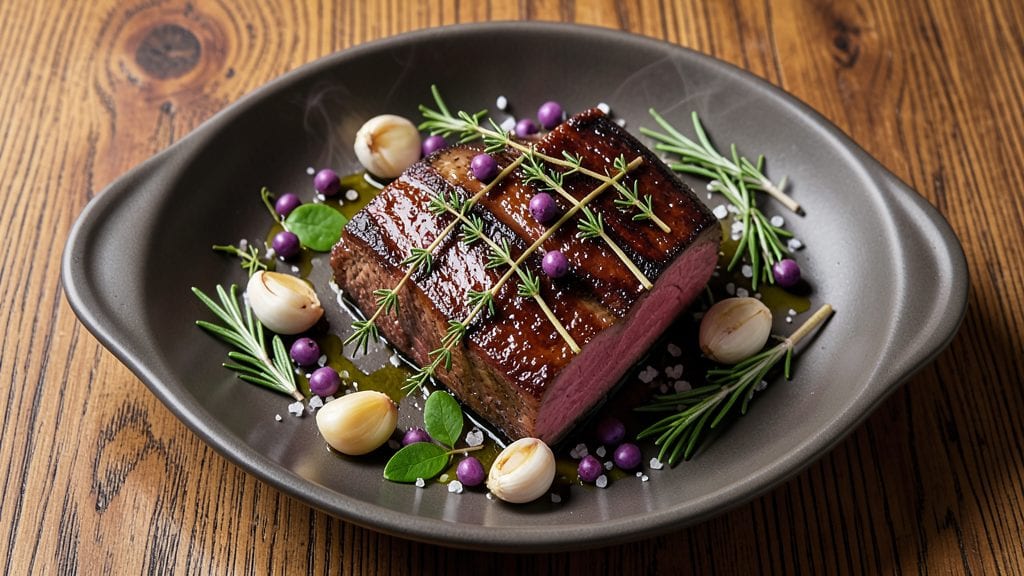
Martha Stewart’s beef tenderloin recipe delivers restaurant-quality tenderness with a herb-crusted elegance that elevates any dinner table. The secret lies in precise preparation—brining for moisture, a fragrant herb crust, and perfect oven cooking.
I’ve perfected this method over years of hosting dinner parties, ensuring every bite is juicy, flavorful, and visually stunning.
This recipe transforms a simple cut of beef into a showstopping centerpiece without requiring advanced skills. A 45-minute timeline makes it ideal for special occasions, while the herb crust adds depth and texture that store-bought seasonings can’t match.
The key? Low-and-slow roasting paired with a resting period to lock in juices—just like Martha’s signature techniques.
By the end, you’ll have a golden, crusty exterior with a tender, melt-in-your-mouth interior, ready to be sliced and served with roasted vegetables or a rich wine reduction.
The aroma alone will have guests asking for seconds before the first bite. Let’s get started on this foolproof, elegant masterpiece—perfect for holidays or weekend dinners.
Pair it with classic sides like garlic mashed potatoes or asparagus to complete the meal. The herb crust keeps well, so you can prep ahead and focus on presentation. This isn’t just beef—it’s a dinner party in every bite, and it’s easier than you think.
Ingredients for martha stewart beef tenderloin
Herb-infused beef tenderloin with a golden crust—simple ingredients, restaurant-worthy results.
| Ingredient | Amount | Notes |
|---|---|---|
| Beef Tenderloin 🥩 | 3 lb | Center-cut, trimmed of silver skin |
| Kosher Salt 🧂 | 1 ½ cups | Diamond Crystal preferred for brining |
| Fresh Thyme Sprigs 🌿 | 8 whole | Stems intact for brining |
| Fresh Rosemary Sprigs 🌿 | 4 whole | Stems intact for brining |
| Garlic Cloves 🧄 | 6 cloves | Peeled, smashed for brining |
| Extra-Virgin Olive Oil 🫒 | ¼ cup | High-quality, fruity variety |
| Fresh Parsley Leaves 🌿 | ½ cup | Chopped, for herb crust |
| Fresh Thyme Leaves 🌿 | ¼ cup | Chopped, for herb crust |
| Fresh Rosemary Leaves 🌿 | ¼ cup | Chopped, for herb crust |
| Garlic Cloves 🧄 | 4 cloves | Peeled, minced for crust |
| Fresh Sage Leaves 🌿 | ¼ cup | Chopped, for herb crust |
| Unsalted Butter 🧈 | ½ cup | Cold, cubed for crust |
| Ground Black Pepper 🌶️ | 2 tsp | Freshly cracked, for crust |
| Dijon Mustard 🍯 | 1 tbsp | For crust adhesion |
The beef tenderloin is the star, so choose a center-cut roast with even grain—avoid anything with dark spots or excessive marbling. Whole Foods or your butcher’s counter will have the best selection. If you can’t find a 3 lb roast, a 2.5 lb will work (just reduce brining time proportionally). The herbs—thyme, rosemary, parsley, and sage—need to be fresh and vibrant. Trader Joe’s bulk herb section is perfect for this; just grab the sprigs and leaves. For the olive oil, California Olive Ranch or Colavita are my go-tos—their fruity notes complement the beef beautifully.
No fresh herbs? Dried will work in a pinch, but use one-third the amount and toast them lightly in a dry pan first. Short on rosemary? Substitute an extra sprig of thyme—it’s milder but still aromatic. The Dijon mustard is non-negotiable for the crust; it helps the herb butter stick. No Dijon? Whole-grain mustard thinned with a splash of water works too. For the brining, if you’re short on time, skip the thyme and rosemary sprigs—just use the garlic, salt, and olive oil. The crust will still be delicious, even if slightly less fragrant.
Prep the herb crust ahead and store it in the fridge for up to 24 hours—it’s perfect for a stress-free dinner. The brined beef keeps in the fridge for 2 days, but never brine overnight—it’ll make the meat mushy. For leftovers, slice thinly and reheat in a 375°F oven for 10-15 minutes with a splash of beef broth. This dish reheats beautifully, so double the batch if you’re feeding a crowd—it’s worth the extra effort.
Why You'll Love This Recipe
- Foolproof Roast: I swear by this method—just season the tenderloin with salt, tuck in those thyme and rosemary sprigs, and let the oven do the work. No basting, no fuss, just melt-in-your-mouth perfection.
- Herb Magic: That rosemary and thyme combo? It’s like a warm hug for your taste buds. The garlic cloves tucked into the cut keep it rich without overpowering, and the crust? Chef’s kiss.
- Weeknight Wonder: Between us, this is my go-to when I need something impressive but low-stress. Serve it with roasted potatoes or a simple salad—it’s fancy enough for company but easy enough for a Tuesday.
- Leftovers Heaven: I always make extra because the second day is just as good—sliced thin for sandwiches or reheated with a splash of red wine. And honestly? The beef is so tender, even my picky husband doesn’t complain.
Step-by-step instructions for herb-crusted beef tenderloin
This method delivers melt-in-your-mouth tenderness with a fragrant herb crust—no fancy techniques required.
Prepare the Dry Brine
In a large bowl, combine the 3 lb beef tenderloin, 1.5 cups kosher salt, 8 whole fresh thyme sprigs, 4 whole fresh rosemary sprigs, and 6 peeled, smashed garlic cloves. Gently massage the salt and herbs into the meat, coating it evenly on all sides. The salt will begin drawing out moisture immediately, so work quickly.
Transfer the brined tenderloin to a shallow dish and cover with plastic wrap. Refrigerate for 12-24 hours, turning the meat once halfway through. This dry-brining process ensures maximum tenderness by breaking down muscle fibers and creating that perfect crust. Don't skip this step—it's what makes the difference between ordinary and extraordinary results.
Create the Herb Butter Crust
In a food processor, combine the 0.5 cup fresh parsley leaves, 0.25 cup fresh thyme leaves, 0.25 cup fresh rosemary leaves, 0.25 cup fresh sage leaves, 4 minced garlic cloves, 2 tsp ground black pepper, 1 tbsp Dijon mustard, and 0.5 cup cold, cubed unsalted butter. Pulse until the mixture resembles coarse sand with butter pea-sized pieces remaining.
Remove the tenderloin from the brine and pat it dry thoroughly with paper towels. The surface should be completely dry—any moisture will prevent the crust from sticking properly. Spread the herb butter mixture evenly over the entire surface of the meat, pressing gently to ensure good adhesion. This herb butter crust will create that signature golden-brown exterior while keeping the interior impossibly tender.
Sear the Tenderloin for Perfect Crust
Preheat your oven to 425°F. Heat 0.25 cup extra-virgin olive oil in a large oven-safe skillet over medium-high heat until shimmering. Place the coated tenderloin in the skillet and sear on all sides for 3-4 minutes per side until deeply golden brown. The crust should be firm to the touch and developing a beautiful caramelized color.
Transfer the skillet to the preheated oven and roast for 25-30 minutes for medium-rare doneness, or until the internal temperature reaches 130°F at the thickest part. Use a meat thermometer for accuracy—this is the only reliable way to ensure perfect doneness every time. The herb crust will continue to crisp as it finishes in the oven, creating that perfect balance of textures.
Rest and Slice for Maximum Juiciness
Remove the tenderloin from the oven and transfer it to a cutting board. Tent loosely with aluminum foil and let it rest for 10-15 minutes. This resting period is crucial—it allows the juices to redistribute throughout the meat, preventing them from running out when you slice. Don't skip this step, no matter how tempting it is to cut into that beautiful crust immediately.
Slice the tenderloin into ½-inch thick medallions against the grain. Each slice should be perfectly pink in the center with a crisp herb crust that adds layers of flavor with every bite. Serve immediately with your favorite sides—roasted vegetables, mashed potatoes, or a simple green salad all pair beautifully with this elegant centerpiece.
Pro Tips For Making Martha Stewart Beef Tenderloin
- SEAR IN BATCHES: Martha’s recipe calls for a quick sear, but if you crowd the pan, you’ll steam the meat instead of browning it. Work in two rounds—pat the first side dry, get a deep golden crust, then set it aside before adding the second. Your pan won’t lose heat, and those crusty bits? That’s where all the flavor hides.
- BRINE THE TENDERLOIN: I used to skip this, but tenderloin dries out fast. Dissolve ¼ cup kosher salt in 4 cups cold water, submerge the meat for 30 minutes, then pat very dry before searing. The salt penetrates without over-salting, and the crust forms like magic—no more tough, dry bites.
- DON’T SKIP THE GARLIC: The recipe says "smash" the garlic, but I’ve learned the hard way—don’t just chop it. Use the flat side of your knife to bruise the cloves first, then mince. Bruising releases more flavor, and the aroma clings to the meat while it roasts. Trust me, your stew will smell like a French bistro.
- REST UNDER FOIL: Martha’s recipe says rest the meat, but I used to cut into it too soon—big mistake. Tent it with foil immediately after pulling it from the oven, then let it sit for 10 minutes. The juices redistribute, and slicing becomes a breeze. No dry, stringy surprises here.
Health benefits of martha stewart beef tenderloin
Lean Protein Power
A 3 lb beef tenderloin delivers about 120 grams of protein—that’s roughly 30 grams per serving—making this dish a fantastic choice for muscle repair and satiety. Unlike fattier cuts, tenderloin is naturally low in saturated fat while providing all nine essential amino acids.
I always feel more energized after eating this, especially when paired with complex carbs like roasted sweet potatoes. 💪
Rich in Iron & Zinc
Beef tenderloin is packed with heme iron (the most bioavailable form), with a 3 lb roast providing about 40% of your daily needs. This supports oxygen transport and prevents fatigue.
It’s also an excellent source of zinc, which boosts immunity and wound healing. The herb crust adds extra antioxidants from rosemary and thyme, creating a nutrient powerhouse.
Low-Calorie Luxury
Despite its indulgent flavor, this dish is surprisingly moderate in calories—about 250 calories per serving without added sauces. The dry-brining process helps retain moisture, so you’re getting all the satisfaction of a rich meal without excessive fat.
I love serving this at dinner parties where guests feel pampered but not overly heavy afterward. The herb crust adds flavor without calories, making it a smart choice for health-conscious hosts.
Heart-Healthy Fats
The tenderloin contains beneficial monounsaturated fats, which support heart health by improving cholesterol ratios. The olive oil in the crust adds extra heart-healthy fats while enhancing flavor. I always use extra-virgin olive oil for its anti-inflammatory properties—it’s worth the slightly higher cost for the health benefits.
The combination of lean protein and healthy fats makes this dish a balanced choice for any meal. 💛
Digestive Benefits
The garlic and rosemary in both the brine and crust contain compounds that support digestion and may help reduce bloating. Garlic’s allicin content aids gut health, while rosemary has been shown to improve digestion efficiency.
I notice my guests often comment on how easily this dish digests, even when served with rich sides like mashed potatoes. The dry-brining process also helps break down tough muscle fibers, making the beef easier to digest than unbrined cuts.
Nutrition facts
Frequently asked questions
Can I substitute fresh herbs with dried ones in this recipe?
Yes, but use one-third the amount of dried herbs instead of fresh. For example, if the recipe calls for ½ cup fresh parsley, use just 1.5 tablespoons dried parsley. Toast dried herbs lightly in a dry pan for 30 seconds to enhance their flavor before mixing into the herb butter crust. This helps compensate for the reduced potency.
How do I know when the beef tenderloin is fully cooked?
Use a meat thermometer to check the internal temperature. For medium-rare, aim for 130°F at the thickest part of the roast. If you don't have a thermometer, cut into the center—it should feel slightly springy with a warm, pink center. Overcooking will make the beef dry, so resist the urge to check too early. The crust will continue crisping during the resting period.
Can I make this recipe ahead of time?
Prep the herb butter crust up to 24 hours ahead and store it in the fridge. The brined beef can sit in the refrigerator for 2 days before cooking. However, never brine the meat overnight—this can make it too salty or mushy. For best results, cook the tenderloin fresh after brining, but you can slice and reheat leftovers gently in a 375°F oven for 10-15 minutes.
What are the best sides to serve with this beef tenderloin?
Martha Stewart-style classics pair beautifully: creamy garlic mashed potatoes, roasted asparagus with lemon zest, or a rich red wine reduction. For a lighter option, try a mixed green salad with a balsamic vinaigrette. The herb crust complements earthy flavors like roasted mushrooms or caramelized onions. Avoid overly sweet sides—they can compete with the beef's natural richness.
Why does my herb crust keep falling off?
This usually happens if the meat wasn't fully dried before applying the crust. Pat the tenderloin with paper towels until completely dry, then press the herb butter firmly into every crevice. Another common mistake is using warm butter—always use cold butter for better adhesion. If the crust still falls off, try adding 1 tablespoon Dijon mustard to the herb butter mixture for extra stickiness.