
Main Courses
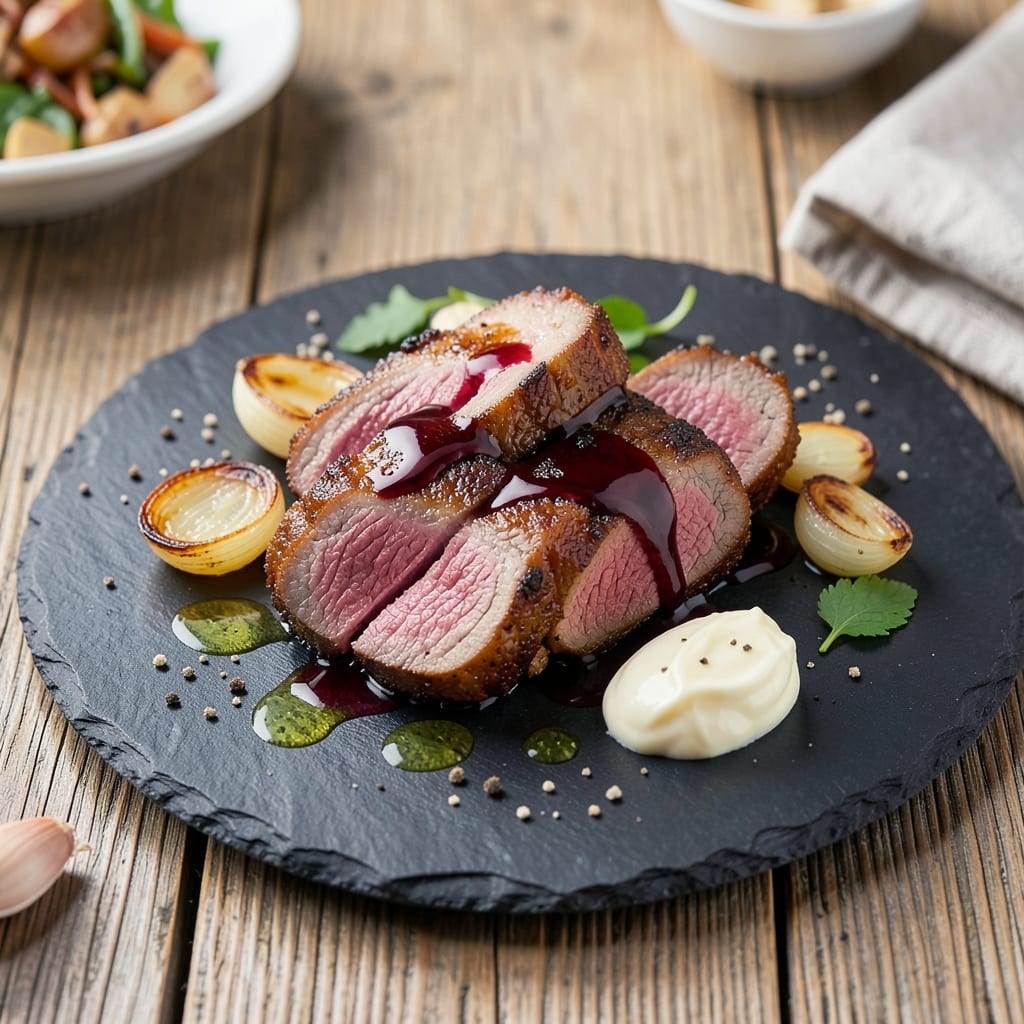
Leftover beef tenderloin deserves a second act—this pan-sear revival transforms dry slices into a restaurant-worthy dish with a caramelized crust and tender interior. The secret lies in quick searing and a bold sauce that rejuvenates every bite, proving leftovers can taste even better the second time around. Perfect for weeknight dinners when you want to minimize waste without sacrificing flavor.
This method focuses on high-heat searing to create a flavorful crust while keeping the interior juicy, followed by a quick deglaze that captures all the fond from the pan. A simple reduction of red wine and beef stock elevates the dish, turning simple leftovers into a meal that feels special. The process takes just 15 minutes—ideal for busy evenings when you want something impressive without the effort.
What you'll achieve is a dish with crispy edges and melt-in-your-mouth tenderness, served with complementary sides that balance the richness. The caramelized crust adds depth, while the sauce ties everything together into a cohesive, satisfying bite. Whether you're feeding a family or treating yourself, this recipe ensures no slice goes to waste.
Pair it with roasted potatoes, a fresh salad, or buttery mashed potatoes to complete the meal. The technique works equally well for sliced tenderloin or even small cubes—versatile enough for sandwiches, pasta, or grain bowls. Let's bring those leftovers back to life.
Ingredients for leftover beef tenderloin
Transform dry beef tenderloin slices into restaurant-quality bites with these simple yet powerful ingredients.
| Ingredient | Amount | Notes |
|---|---|---|
| Leftover Beef Tenderloin Slices 🥩 | 1 ½ lb | Cut into 1/2-inch thick slices |
| Extra-Virgin Olive Oil 🫒 | 2 tbsp | High smoke point preferred |
| Unsalted Butter 🧈 | 2 tbsp | Cold, cut into small cubes |
| Shallots 🧅 | 2 whole | Minced, about 2 tbsp |
| Garlic Cloves 🧄 | 4 cloves | Minced, about 1 tbsp |
| Dry Red Wine 🍷 | ½ cup | Bold, like Cabernet Sauvignon |
| Beef Stock 🥫 | ½ cup | Homemade or high-quality store-bought |
| Fresh Thyme Leaves 🌿 | ¼ cup | Chopped, stems removed |
| Dijon Mustard 🍯 | 1 tsp | For depth of flavor |
| Fresh Rosemary 🌿 | 1 sprig | Chopped, about 1 tsp |
| Salt 🧂 | 1 tsp | Kosher or sea salt |
| Freshly Ground Black Pepper 🌶️ | ½ tsp | Coarsely ground |
| Honey 🍯 | 1 tbsp | For balancing acidity |
The beef is your star—look for slices with some natural fat marbling for juiciness. Costco or Whole Foods often have pre-sliced tenderloin, but if you're cutting your own, aim for 1/2-inch thickness for even cooking. Fresh thyme and rosemary elevate the dish, so grab them from the grocery store's produce section—Trader Joe's has great pre-chopped options if you're short on time. The red wine should be bold, like a Cabernet Sauvignon, but any dry red will work. If you don’t have shallots, substitute extra minced onion—just taste as you go.
No red wine? Beef stock with a splash of balsamic vinegar works in a pinch, though the acidity will be slightly different. Fresh herbs are ideal, but dried thyme at one-third the amount is a solid backup. The honey balances the acidity in the sauce, so don’t skip it—local raw honey adds extra depth. For the butter, cold cubes create the best sear, so take it straight from the fridge. If you’re using pre-sliced tenderloin, pat the slices dry with paper towels before cooking to ensure a good crust. The Dijon mustard adds a tangy kick, so if you’re avoiding it, substitute a pinch of smoked paprika for warmth.
This dish reheats beautifully—just sear fresh slices and toss them in the finished sauce for a quick meal. Store the sauce separately in an airtight container for up to 5 days in the fridge, or freeze it for 3 months. The beef slices themselves can be refrigerated for 3-4 days if wrapped tightly in parchment paper. For a shortcut, prep the sauce ahead and store it separately, then sear the beef fresh when ready to serve. The flavors actually improve the next day as everything melds together.
Why You'll Love This Recipe
- Here’s what sold me: I can stretch one tenderloin into three meals without breaking the bank. The rich, buttery sauce makes even the simplest sides feel like a splurge, and my wallet stays happy.
- No-Waste Magic: I swear by this trick—turning last night’s tenderloin into tonight’s star with zero food guilt. Those perfectly cooked slices get a second life without a single penny wasted on new meat.
- Garlic Butter Bliss: The moment those shallots caramelize in olive oil and butter? Pure indulgence. Thinly sliced garlic cloves hit the pan last, releasing that nutty aroma that makes every bite feel like a restaurant-quality bite.
- Weeknight Superstar: Between us, this is my go-to when I’m staring at a fridge full of leftovers and a clock ticking down. Toss in some crusty bread or roasted potatoes, and suddenly, dinner’s served—no stress, no fuss.
Step-by-step instructions for leftover beef tenderloin revival
Transform your leftover beef tenderloin into a restaurant-worthy dish with this elegant pan-sear technique.
Prep the Beef and Aromatics
Pat the 1.5 lb leftover beef tenderloin slices completely dry with paper towels—this is crucial for that perfect caramelized crust. Season both sides generously with 1 tsp salt and 0.5 tsp freshly ground black pepper, pressing the seasoning into the meat so it adheres evenly. While the beef rests at room temperature, finely mince the 2 whole shallots and 4 cloves garlic—you want them almost paste-like for even distribution in the sauce.
In a small bowl, combine 0.25 cup fresh thyme leaves, 1 tsp Dijon mustard, and 1 tbsp honey. This aromatic blend will infuse the sauce with depth and balance the acidity from the wine. Chop the 1 sprig fresh rosemary finely—just enough to release its piney fragrance without overpowering the dish.
Sear the Beef to Perfection
Heat a heavy skillet over medium-high heat until it's screaming hot—you should see a faint shimmer of smoke when you sprinkle in the 2 tbsp extra-virgin olive oil. Add the beef slices and let them sear undisturbed for 3-4 minutes per side until they develop a deep golden-brown crust. This isn't the time to rush; you're building flavor and texture through that Maillard reaction.
Once the first side is beautifully browned, flip the beef and immediately add the 2 tbsp cold unsalted butter cubes. The butter will melt and baste the beef as it cooks, adding richness. When the second side reaches medium-rare (about 130°F internal temperature), remove the beef to a plate and tent loosely with foil to keep it warm while you make the sauce.
Build the Red Wine Reduction
Reduce the heat to medium and add the minced shallots and garlic to the skillet, cooking for 1-2 minutes until fragrant but not browned—this ensures they add sweetness without bitterness. Pour in the 0.5 cup dry red wine and scrape up any browned bits from the bottom of the pan with a wooden spoon. These fond bits are packed with flavor that will form the base of your sauce.
Let the wine simmer for 3-4 minutes until reduced by half, then add the 0.5 cup beef stock and the thyme-rosemary-mustard-honey mixture. The sauce should bubble gently—this is where the magic happens as all the flavors meld together. If the sauce starts to thicken too much, add 1-2 tablespoons of water to maintain a velvety consistency.
Finish and Serve with Confidence
Return the beef to the skillet and spoon the sauce generously over the top. Let everything heat through together for 1-2 minutes, just enough to warm the beef without overcooking it. The sauce should coat the beef beautifully, with a glossy sheen that indicates perfect emulsification.
Serve immediately, garnished with a sprinkle of fresh thyme leaves for a pop of color and aroma. Each bite should deliver tender, juicy beef with a crisp caramelized crust, complemented by a rich, balanced sauce that's neither too sweet nor too acidic. This technique transforms simple leftovers into a dish worthy of any special occasion.
Pro Tips For Making Leftover Beef Tenderloin
- Slice Thin, Sear Fast: Leftover tenderloin’s already tender, so resist the urge to overwork it. Cut slices into ¼-inch strips—thinner than you’d think—so they cook through in 2-3 minutes on high heat. I learned this the hard way when my first batch turned to rubbery chew because I panicked and overcrowded the pan.
- Melt Butter, Don’t Burn It: Start with cold butter—yes, even if you’re eager. Add 2 tablespoons of unsalted butter to the pan after the shallots and garlic have softened, then let it melt slowly over medium heat. If it browns too fast, you’ll end up with bitter flavor instead of rich, nutty depth. (Your future self will notice.)
- Salt the Pan, Not Just the Meat: Toss in a pinch of flaky salt with the olive oil before adding the beef. The salt dissolves into the oil, creating a seasoned crust on the meat as it sears. I skip this when I’m lazy, but the dish is noticeably better when I don’t—especially with leftover beef, which can taste bland if not properly seasoned.
- Deglaze Early, Reduce Later: As soon as the beef hits the pan, add a splash of white wine or broth—about ¼ cup—and let it bubble for 30 seconds. Then remove the beef, reduce the liquid by half, and toss the meat back in. This keeps the sauce from drying out while adding flavor without extra effort. (Yes, even if you’re impatient like me.)
Pro cooking tips for this dish
High-Heat Sear Secrets
For that perfect caramelized crust, you need a screaming-hot skillet—I mean screaming. Use a heavy cast-iron skillet like Lodge or All-Clad to retain heat. Let it preheat for 3-4 minutes on medium-high heat until a drop of water sizzles instantly. The beef should sear undisturbed for 3-4 minutes per side—this builds the Maillard reaction that creates that golden-brown crust we all crave. 🔥
Never rush the sear! If you flip too soon, you’ll end up with pale, sad slices. Pat them bone-dry first—wet meat steams instead of searing. I like to season the beef right before searing so the salt doesn’t draw out moisture prematurely. And here’s a pro move: Add cold butter cubes in the last minute of searing. The butter bastes the beef, adding richness and helping create a glossy finish.
Wine Reduction Mastery
The sauce is where the magic happens, and deglazing is non-negotiable. After removing the beef, don’t wipe the pan—those browned bits (fond) are flavor bombs. Add ½ cup dry red wine (like Cabernet Sauvignon) and scrape with a wooden spoon to lift every last bit. Let it reduce by half—this concentrates the flavors and thickens the sauce naturally. 🍷
If your wine reduction starts to stick or burn, add 1-2 tbsp beef stock to loosen it up. The goal is a velvety, glossy sauce that coats the beef without being gluey. I like to finish with a splash of honey (just 1 tbsp) to balance the acidity from the wine. Taste as you go—adjust with salt or a pinch of smoked paprika if needed. The sauce should be rich but not overpowering.
Butter Basics
Not all butter is created equal for this dish. Use unsalted butter—it gives you control over the seasoning. Cut it into small cubes and let them sit at room temperature for 10 minutes before using. Cold butter cubes create sizzling pools of fat that baste the beef as it cooks, adding layers of flavor. 🧈
If you’re short on time, European-style butter (like Plugrá) works even better because it has a higher fat content. Avoid margarine or low-fat spreads—they won’t give you that rich, buttery finish. And here’s a secret: If your butter starts to brown too quickly, reduce the heat slightly. You want it to melt and baste, not burn.
Timing Is Everything
Leftover beef tenderloin can be drier than fresh, so don’t overcook it. Aim for medium-rare (about 130°F internal temp) when searing. Use a meat thermometer—it’s worth the investment. If your slices are thicker than ½ inch, sear them 1-2 minutes longer per side but check the temp frequently. 🌡️
Let the beef rest for 2 minutes after searing before adding it back to the sauce. This lets the juices redistribute, so you don’t end up with dry meat. And if you’re serving a crowd, keep the beef warm in a low oven (200°F) while you finish the sauce. This keeps everything at the perfect temperature without drying it out.
Nutrition facts
Frequently asked questions
How do I prevent my leftover beef tenderloin from drying out when reheating?
Pat the slices dry before searing, then cook them over medium-high heat for just 3-4 minutes per side—no longer! The high heat creates a caramelized crust while keeping the interior juicy. Add cold butter cubes in the last minute to baste and add moisture. For extra insurance, reheat the beef in the finished sauce instead of alone.
Can I use this technique with other cuts of beef?
This method works best with tender cuts like filet mignon, ribeye, or strip steak—anything with good marbling. For leaner cuts like sirloin, add extra butter or a splash of beef stock to prevent drying. Avoid tougher cuts like chuck roast, as they need slow cooking rather than quick searing.
What’s the best way to store leftover beef tenderloin before reviving it?
Wrap slices tightly in parchment paper or plastic wrap, then place in an airtight container. Refrigerate for up to 3-4 days or freeze for 3 months. Thaw overnight in the fridge—never at room temperature. For best results, slice the tenderloin 1/2-inch thick before storing to ensure even cooking later.
How can I make this dish vegetarian-friendly?
Swap the beef for portobello mushrooms or extra-firm tofu pressed and sliced thick. Marinate the mushrooms in balsamic vinegar and soy sauce, then sear them like the beef. Use the same red wine reduction (substitute vegetable stock for beef stock) and add 1 tbsp nutritional yeast to the sauce for a cheesy depth.
Why does my sauce sometimes turn out too thin?
A thin sauce usually means the wine didn’t reduce enough. Simmer it longer (up to 8 minutes) until it thickens naturally. If it’s still too runny, mix 1 tsp cornstarch with 1 tbsp cold water, stir it in, and cook for 1-2 minutes until it thickens. Avoid over-diluting with stock—measure carefully!