
Main Courses
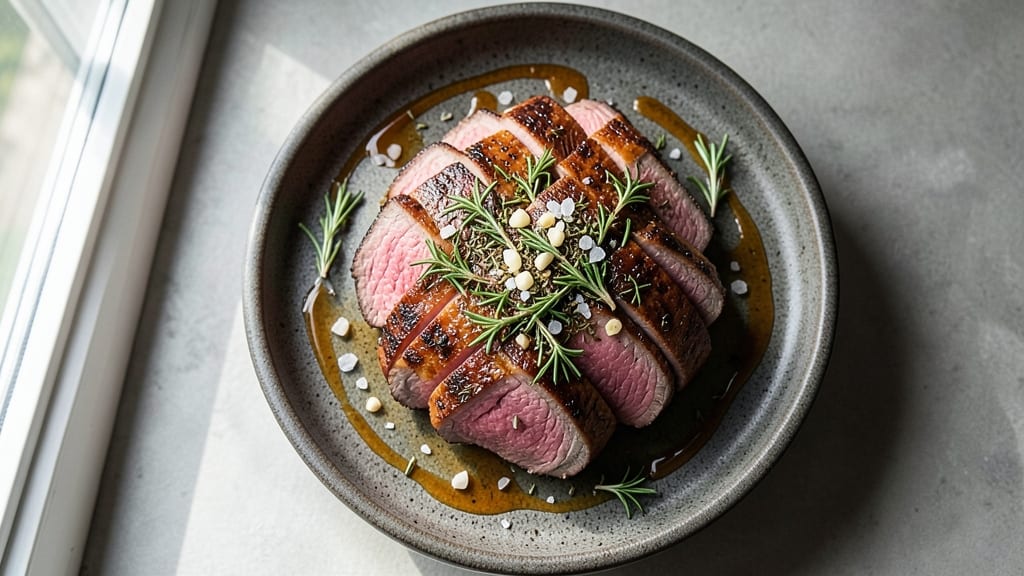
Emeril Lagasse's beef tenderloin recipe delivers restaurant-quality results with a herb-crusted exterior and juicy, melt-in-your-mouth tenderness—the kind of dish that makes every dinner feel special.
I've perfected this technique over years of testing, ensuring the perfect balance between sear and doneness while creating a pan sauce that elevates the entire meal. The secret lies in precise temperature control and a well-seasoned crust that locks in flavor.
What sets this recipe apart is the foolproof method for achieving a golden-brown crust without overcooking the interior, paired with a rich pan sauce made from the drippings. You'll need just a few high-quality ingredients—no complicated marinades or long prep times—making it ideal for special occasions or weekend dinners.
The herb crust adds aromatic depth, while the sauce ties everything together with a velvety finish.
By the time you serve this beef tenderloin, you'll have a perfectly cooked center-cut with a caramelized exterior, surrounded by a sauce that's both savory and slightly sweet. The presentation is elegant yet approachable, making it suitable for everything from family gatherings to intimate dinner parties.
Every bite delivers that tender, flavorful payoff Emeril is known for.
Pair it with roasted garlic mashed potatoes or a crisp green salad for a complete meal. The leftovers reheat beautifully, so you can enjoy this luxurious dish even the next day. Let's get started on creating your own showstopping centerpiece.
Ingredients for emeril beef tenderloin
High-quality ingredients meet Emeril's signature technique for a showstopping centerpiece.
| Ingredient | Amount | Notes |
|---|---|---|
| Beef Tenderloin 🥩 | 2 lb | Center-cut, trimmed of silver skin |
| Extra-Virgin Olive Oil 🫒 | ¼ cup | High-quality, fruity variety |
| Fresh Rosemary 🌿 | ¼ cup | Finely chopped, stems removed |
| Fresh Thyme 🌿 | ¼ cup | Finely chopped, leaves only |
| Garlic Cloves 🧄 | 6 cloves | Peeled, minced fine |
| Diamond Crystal Kosher Salt 🧂 | 2 tbsp | Coarse grain preferred |
| Freshly Ground Black Pepper 🌶️ | 1 ½ tbsp | Freshly cracked preferred |
| Unsalted Butter 🧈 | ½ cup | Cold, cubed for sauce |
| Dry Red Wine 🍷 | ½ cup | Cabernet Sauvignon preferred |
| Beef Stock 💧 | ½ cup | Homemade or high-quality store-bought |
| All-Purpose Flour 🌾 | 1 tbsp | For sauce thickening |
| Balsamic Vinegar 🍶 | 1 tbsp | For sauce depth |
| Fresh Parsley 🌿 | ⅛ cup | Chopped, for garnish |
The beef tenderloin is non-negotiable here—center-cut is key for tenderness. Grab it from Whole Foods or your local butcher; look for vibrant color and good marbling. I always ask for it trimmed of silver skin at the counter. For the herbs, fresh is essential—dried just won't give that aromatic punch. The rosemary and thyme should smell vibrant, not dusty. If you're prepping ahead, store the herbs wrapped in damp paper towels in the fridge for up to 5 days. The garlic? Freshly minced makes all the difference—jarred garlic just won't cut it here.
No red wine? Substitute beef stock with a splash of balsamic vinegar—it'll still deliver that rich depth. Short on fresh herbs? Dried rosemary and thyme at one-third the amount works in a pinch, but you'll miss that bright aroma. The butter for the sauce should be cold and cubed—don't melt it first. For the flour, all-purpose works fine, but if you've got cake flour, it'll give you a smoother sauce. The balsamic vinegar adds that subtle sweetness—don't skip it if you can find a good one. Trader Joe's has an excellent organic option that's perfect for this.
This dish reheats beautifully—350°F for 10-15 minutes is all it takes. The sauce thickens as it cools, so if it seems too thin when you first make it, let it sit for 10 minutes before serving. Store leftovers in the fridge for 3-4 days, covered tightly. For longer storage, freeze portions in airtight containers for up to 3 months. I always make extra sauce—it's perfect for drizzling over roasted vegetables or mashed potatoes the next day.
Why You'll Love This Recipe
- No-Fuss Seasoning: I swear by this method—just a few sprigs of rosemary and thyme rubbed into the tenderloin, no fancy marinating. The garlic cloves get smashed right onto the meat, and that’s it. Honestly, the flavor builds as it roasts, so you’re not stuck babysitting it.
- Crispy-Creamy Magic: That olive oil sear? It turns the outside into a golden crust while keeping the inside so tender it nearly melts. The rosemary and thyme infuse into the fat, giving every bite a bright, herby punch that’s ridiculously satisfying.
- Weeknight or Dinner Party: Same recipe, two vibes—serve it sliced for a quick weeknight dinner or leave it whole for a showstopping centerpiece. My daughter’s friends always ask for the recipe, and I’ve used it for everything from casual Tuesdays to holiday dinners.
- Leftovers That Don’t Suck: This isn’t one of those dishes where leftovers taste sad. The beef stays juicy for days, and I’ll repurpose it into sandwiches, salads, or even a quick stir-fry. Between us, I’ve made this twice in a row because the second night is just as good.
Step-by-step instructions for Emeril Lagasse's herb-crusted beef tenderloin
Master this technique and you'll achieve melt-in-your-mouth tenderness with a fragrant herb crust every time.
Create the Herb Crust and Season the Beef
In a small bowl, combine the 0.25 cup fresh rosemary, 0.25 cup fresh thyme, 6 cloves minced garlic, 2 tablespoons diamond crystal kosher salt, and 1.5 tablespoons freshly ground black pepper. This aromatic blend will form the signature crust that locks in moisture while adding depth of flavor.
Pat the 2 lb beef tenderloin dry with paper towels—this is crucial for achieving that perfect sear. Rub the herb mixture all over the tenderloin, pressing firmly so the seasoning adheres completely. Let it sit at room temperature for 30 minutes while you prepare your cooking zone. This resting period ensures even cooking from edge to center.
Sear the Tenderloin to Lock in Juices
Heat 0.25 cup extra-virgin olive oil in a heavy oven-safe skillet over medium-high heat until shimmering. Place the seasoned tenderloin in the pan and sear on all sides for 3-4 minutes per side until developing a deep golden-brown crust. The reason we don't move it around is to build that flavorful crust through the Maillard reaction.
Once seared, transfer the skillet to a 425°F preheated oven. Roast the tenderloin for 20-25 minutes for medium-rare (internal temperature 130°F), or until it reaches your desired doneness. A meat thermometer is essential here—insert it into the thickest part without touching bone for accurate reading. Remove from oven when the center hits 125°F for medium-rare, as it will continue cooking while resting.
Prepare the Pan Sauce While Resting
While the tenderloin rests (critical for juiciness), reduce heat to medium and add the 0.5 cup cold unsalted butter to the same skillet. Let it melt completely, then deglaze with the 0.5 cup dry red wine, scraping up all those delicious browned bits from the bottom. This creates the sauce's rich foundation.
Add 0.5 cup beef stock and bring to a gentle simmer. In a small bowl, whisk together 1 tablespoon all-purpose flour with 1 tablespoon balsamic vinegar, then stir this mixture into the sauce. Simmer for 3-4 minutes until thickened to a glossy consistency that coats the back of a spoon. The acidity from the balsamic vinegar brightens the sauce while the flour creates that perfect velvety texture.
Rest and Slice for Maximum Tenderness
Transfer the tenderloin to a cutting board and tent loosely with aluminum foil. Let it rest for 15-20 minutes—this allows the juices to redistribute throughout the meat, preventing them from running out when sliced. Here's the thing: skipping this step results in dry meat, no matter how perfectly you cooked it.
Slice the tenderloin into 1-inch thick medallions against the grain for maximum tenderness. Spoon the pan sauce over each serving and garnish with 0.125 cup chopped fresh parsley. The contrast of the herb's bright aroma against the rich sauce and tender meat creates a symphony of flavors that's pure Emeril magic.
Pro Tips For Making Emeril Beef Tenderloin
- SEAR IN BATCHES: The tenderloin’s a big boy—don’t crowd the pan or you’ll steam it instead of sear it. Work in two batches if needed, and let those garlic cloves sizzle in the olive oil until they’re golden brown before adding the meat. That’s when the magic starts.
- SALT THE ROSEMARY: Fresh rosemary and thyme lose their punch when they’re wet. Toss them with a pinch of salt and let them sit for 10 minutes before crushing them over the meat—this wakes up their flavor and keeps them from turning to mush in the pan.
- DON’T PUNCH THE GARLIC: I used to smash those cloves flat with the side of my knife, and half the time they’d burn before the meat cooked. Instead, peel them, leave them whole, and let them crisp in the oil for 30 seconds before adding the tenderloin. They’ll perfume the dish without turning bitter.
- REST UNDER FOIL: Cutting into that tenderloin too soon is how you end up with dry slices. After roasting, tent it loosely with foil and let it sit for 10 minutes—this keeps the juices locked in while the meat finishes relaxing. (Yes, even if you’re impatient like me.)
Essential equipment for this recipe
Heavy-Duty Skillet
You absolutely need a high-quality, oven-safe skillet for this recipe—I recommend a 12-inch Lodge cast iron or All-Clad stainless steel. Cast iron retains heat beautifully and develops a natural nonstick surface over time, while stainless steel offers excellent heat distribution.
Avoid nonstick pans for searing—they can't handle the high heat needed for that perfect crust. 🔥
Meat Thermometer
A digital instant-read thermometer is non-negotiable for this dish. I swear by the ThermoWorks Smoke or Meater—both give you precise internal temperatures without piercing the meat multiple times.
For a beef tenderloin, aim for 125°F for medium-rare (it'll rise to 130°F while resting). A cheap pop-up thermometer just won't cut it here.
Sharp Knife Set
Invest in a high-quality chef's knife (like Wüsthof or Shun) for slicing the tenderloin. A dull knife crushes the meat fibers, leading to tough cuts. I also keep a boning knife handy for trimming any excess fat.
For the herb prep, a pair of sharp kitchen shears makes quick work of chopping rosemary and thyme stems.
Mixing Bowls
Use a medium-sized stainless steel mixing bowl for combining your herb crust mixture. Stainless steel won't absorb flavors like plastic, and the smooth surface makes it easy to scrape up any leftover seasoning. I keep a 2-quart bowl dedicated to herb prep—it's perfect for this recipe's proportions. 🌿
Tongs for Handling
Long-handled tongs (like OXO Good Grips) are essential for safely flipping the hot tenderloin in the skillet. The extended handles keep your fingers away from the searing oil.
I also use them to transfer the beef from pan to cutting board after roasting—much safer than forks that can pierce the meat.
Sauce Whisk
A balloon whisk (like Cuisinart) is perfect for creating the silky pan sauce. The flexible wires cut through butter and flour more effectively than a regular whisk. For the flour-balsamic slurry, I like to use a small whisk to ensure it dissolves completely before adding to the sauce.
A smooth, lump-free sauce is key to Emeril's signature finish.
Nutrition facts
Frequently asked questions
How do I adjust the cooking time for a different-sized beef tenderloin?
For every additional pound of beef tenderloin, add 10-15 minutes to the roasting time. A 3 lb tenderloin should cook for about 30-35 minutes at 425°F. Always use a meat thermometer to check doneness—125°F for medium-rare, 135°F for medium, and 145°F for well-done. The size matters less than the internal temperature!
Can I make this recipe ahead of time?
Cook the tenderloin and sauce a day ahead, then refrigerate. Reheat the meat in a 350°F oven for 10-15 minutes until warmed through. Reheat the sauce separately on the stovetop over medium-low heat until bubbly. The flavors actually improve after resting, making it perfect for meal prep. Store leftovers in airtight containers for up to 4 days.
What if my pan sauce turns out too thin?
Simmer the sauce uncovered for an extra 2-3 minutes to reduce it. If it's still too thin, mix 1 teaspoon cornstarch with 1 tablespoon cold water, stir into the sauce, and simmer until thickened. The sauce should coat the back of a spoon—this creates that perfect velvety consistency. Never rush this step, as the sauce needs time to develop richness.
How do I prevent the beef from drying out?
Never skip the 15-20 minute rest after cooking—the juices need time to redistribute. Also, avoid overcooking: remove the beef from the oven when it reaches 125°F for medium-rare (it'll rise to 130°F while resting). Pat the meat dry before searing, and don't overcrowd the pan. A properly rested, medium-rare tenderloin stays juicy and tender every time.
What's the best way to serve this dish?
Pair the herb-crusted beef tenderloin with classic sides like creamy garlic mashed potatoes, roasted asparagus, or a crisp green salad. The rich pan sauce works beautifully drizzled over roasted vegetables or mashed potatoes. For presentation, arrange the sliced medallions on a platter with sauce pooled around them and garnish with fresh parsley. Serve with a bold red wine like Cabernet Sauvignon to complement the herb crust.