
Main Courses
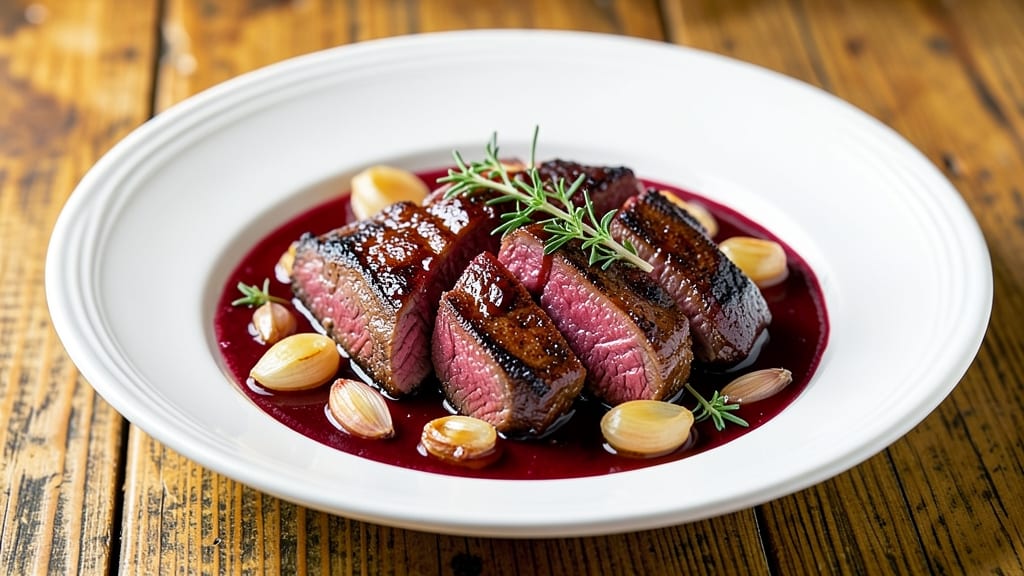
Creating a Campbell's-style beef burgundy sauce from pantry staples transforms simple weeknight meals into restaurant-worthy dishes. This rich, umami-packed sauce builds depth through slow simmering and careful reduction, delivering layers of flavor that elevate any protein.
The secret lies in balancing wine, tomatoes, and herbs to create a velvety consistency without heavy cream.
The beauty of this recipe is its versatility—it works with beef, chicken, or even vegetables, yet remains simple to execute. With just 15 minutes of active prep and 45 minutes of simmering, you’ll have a sauce that’s deeper than store-bought versions.
The key steps involve deglazing the pan, reducing the wine, and adjusting the consistency for perfect spoonability.
What you’ll end up with is a bold, savory sauce with a glossy finish and complex flavors—slightly tangy, slightly sweet, and deeply umami. It’s the kind of sauce that makes ordinary meals feel special, turning a simple protein into something extraordinary. Ready to master this technique?
Once perfected, this sauce keeps well in the fridge for up to 5 days, making it ideal for meal prep. Pair it with beef stew meat, roasted chicken, or even mashed potatoes for a hearty finish. Let’s get started on creating this pantry-friendly masterpiece.
Ingredients for campbell's beef burgundy
Pantry staples meet restaurant-quality depth in this beef burgundy masterpiece.
| Ingredient | Amount | Notes |
|---|---|---|
| Dry Red Wine 🍷 | 1 cup | Bold variety like Cabernet Sauvignon |
| Beef Broth 🍲 | 2 cups | High-quality, low-sodium preferred |
| Tomato Paste 🍅 | 2 tbsp | Smooth, unsweetened variety |
| Shallots 🧅 | 2 whole | Mined finely for sweetness |
| Garlic Cloves 🧄 | 4 cloves | Peeled and minced |
| Fresh Thyme Sprigs 🌿 | 2 whole | Or 1 tsp dried thyme |
| Fresh Parsley 🌿 | ¼ cup | Chopped for finishing |
| Unsalted Butter 🧈 | ½ cup | Cold, cubed for richness |
| Diamond Crystal Kosher Salt 🧂 | 1 ½ tsp | Adjust to taste |
| Black Peppercorns 🌶️ | ½ tsp | Freshly cracked |
The wine is non-negotiable—bold, dry reds like Cabernet Sauvignon or Merlot provide the necessary depth. Trader Joe's and Costco offer excellent value for quality bottles, but any 12%+ alcohol red will work. Shallots add sweetness without overpowering; avoid pre-minced—freshly minced releases more flavor. For thyme, fresh sprigs infuse better than dried, but if you must use dried, reduce to one-third the amount. The tomato paste should be smooth and unsweetened—Muir Glen is a reliable brand for consistent quality. Butter adds luxurious body, so use full-fat, unsalted for optimal richness.
No red wine? Beef broth with 2 tbsp balsamic vinegar mimics the acidity and depth. Fresh thyme unavailable? Dried thyme at one-third the quantity works in a pinch. Shallots too expensive? Substitute 1 small yellow onion, but increase mincing for comparable sweetness. The parsley is purely decorative—skip entirely if you prefer a more rustic presentation. For extra umami, add 1 tsp Worcestershire sauce during reduction. The sauce thickens as it cools, so adjust butter at the end if it needs more body.
This sauce develops better overnight—reheat gently to restore gloss. Store airtight in the fridge for up to 5 days, or freeze in ice cube trays for single-serving convenience. For meal prep, portion into containers with your protein of choice. The sauce thickens upon reheating, so add 1-2 tbsp water or broth if it becomes too stiff. Never boil vigorously—simmer gently to preserve delicate flavors.
Why You'll Love This Recipe
- Pantry Magic: I swear by this recipe when I’ve got nothing but a few basics. The tomato paste and shallots caramelize in minutes—no fancy prep, just a quick sauté while you open the wine and broth. Honestly, it’s the kind of dish that makes me feel like a chef even when I’m exhausted.
- Wine-Infused Depth: That splash of dry red wine? It’s not just for show—it mellows into a rich, velvety sauce that coats everything. The garlic and shallots add a savory punch, but the wine softens it into something sophisticated without trying. (Yes, even on a Tuesday night.)
- Leftovers That Shine: This sauce thickens beautifully when reheated, so I always make extra. Slather it over mashed potatoes, stir it into rice, or toss it with pasta—it’s the kind of leftovers that actually get eaten. My kids beg for it the next day, and I don’t even pretend to be ashamed.
- Budget-Friendly Luxury: Beef broth and tomato paste stretch this into a whole meal for under $10. The wine adds a little splurge, but a single bottle lasts for multiple batches. Between us, this is how I feed my family well without breaking the bank—or my sanity.
Step-by-step instructions for crafting beef burgundy
This method transforms simple pantry staples into a velvety, umami-rich sauce worthy of fine dining.
Develop the Flavor Base
In a heavy-bottomed Dutch oven, melt the 0.5 cup unsalted butter over medium heat until it foams and subsides. Add the 2 whole shallots and 4 cloves garlic cloves, cooking for 5-6 minutes until the shallots soften and turn translucent. This slow cooking extracts their natural sweetness without burning.
Here's where it gets critical: Stir in the 2 tbsp tomato paste and cook for 1 minute to deepen its flavor. Immediately deglaze with the 1 cup dry red wine, scraping up all browned bits from the bottom. Let it simmer for 3-4 minutes until reduced by half. This step builds the sauce's foundational depth—don't rush it.
Build Complexity with Aromatics
Add the 2 cups beef broth and 2 whole fresh thyme sprigs, bringing to a gentle simmer. Reduce heat to low and let it cook uncovered for 15 minutes, stirring occasionally. The broth should reduce by about one-third, intensifying the sauce's concentration. You'll notice the thyme releases its piney aroma—this is when the sauce starts developing its signature complexity.
Season with 1.5 tsp diamond crystal kosher salt and 0.5 tsp freshly cracked black peppercorns. Taste the sauce at this stage—it should be tangy and slightly acidic. If it needs more depth, add another splash of wine (though the recipe shouldn't require it). This is your flavor checkpoint before adding the protein.
Finish with Butter and Herbs
Remove the thyme sprigs and increase heat to medium. Add the remaining 0.25 cup fresh parsley and the 0.5 cup unsalted butter, cut into small cubes. Whisk vigorously until the butter melts completely, creating a glossy, emulsified finish. This butter infusion adds luxurious mouthfeel and balances the acidity.
The sauce should now coat the back of a spoon with a velvety consistency. If it's too thick, thin with 1-2 tablespoons of beef broth reserved earlier. For optimal results, let the sauce rest for 10 minutes off heat before serving—this allows flavors to meld completely. The final product should be rich, slightly tangy, and deeply aromatic with wine and thyme notes.
Incorporate Protein (Optional)
For a complete beef burgundy, add 1 pound sliced beef (like sirloin or tenderloin) to the finished sauce. Simmer for 3-4 minutes until just cooked through, then remove the beef. The sauce will thicken further as it absorbs the beef's juices. Return the beef to the sauce before serving to maintain warmth and moisture.
This sauce pairs beautifully with egg noodles, mashed potatoes, or crusty bread. The key to its success lies in patience—allowing each component to develop its flavors fully before combining. The result is a restaurant-quality sauce that transforms simple ingredients into something extraordinary.
Pro Tips For Making Campbell'S Beef Burgundy
- Sweat Shallots First: Don’t rush the shallots—chop them fine, then cook them in butter or oil over medium-low heat until they’re translucent and just starting to caramelize. I used to skip this step and wondered why my sauce tasted flat; the slow cook turns those raw flavors into rich, sweet depth that anchors the whole dish.
- Deglaze Aggressively: After browning the beef (if using), pour in the red wine immediately while the pan is still hot, scraping every last bit of fond from the bottom with a wooden spoon. I learned this the hard way—leaving even a little browned bit behind means missing out on the umami punch that makes this sauce sing.
- Simmer, Don’t Boil: Keep the sauce at a gentle simmer (tiny bubbles, not a rolling boil) once the broth and tomato paste are added. Boiling reduces the wine too fast and makes the sauce taste harsh—like cooking a fine wine down to vinegar. A low simmer lets the flavors meld without losing the wine’s brightness.
- Toast the Tomato Paste: Cook the tomato paste in the same pan for 2–3 minutes before adding liquids—it’ll darken and deepen in flavor. I was skeptical until I tried it: that extra step turns the paste from a basic thickener into a rich, caramelized base that cuts through the wine’s acidity like a knife. (Yes, even if you’re impatient like me.)
Flavor customization for this campbell's beef burgundy
Sweet-Tangy Twist
Balance the wine's acidity by adding 1 tbsp balsamic vinegar during the reduction phase—this enhances the sauce's complexity. For sweetness, stir in 1 tsp honey or 1 tbsp maple syrup when incorporating the butter.
I find 1 tbsp apricot jam (simmered into the sauce) adds a subtle fruitiness that pairs beautifully with beef. 🍯
Herb Variations
Swap thyme for rosemary (1 sprig) for an earthier profile, or add 1 bay leaf for deeper aroma. For a Mediterranean touch, include ½ tsp dried oregano with the thyme. Fresh herbs like tarragon (1 sprig) brighten the sauce with an anise-like note. Always remove herb stems before serving.
Umami Boosters
Deepening the umami profile transforms this sauce into a powerhouse. Add 1 tsp soy sauce or 1 tbsp Worcestershire sauce during the broth reduction. For extra richness, stir in 1 tbsp miso paste (white or red) when incorporating the butter.
A 1-ounce piece of Parmesan cheese (grated in at the end) adds a savory depth that elevates the flavor.
Spicy Kick
Incorporate heat by adding ½ tsp smoked paprika with the tomato paste, or finish with 1 tsp hot sauce (like Cholula or Frank's RedHot). For a slow-building warmth, simmer 1-2 slices of jalapeño (seeds removed) in the broth. Remove before serving unless you want visible texture. 🌶️
Creamy Adaptations
For a velvety texture, whisk in 2 tbsp heavy cream or ½ cup crème fraîche at the end. For a lighter option, use 2 tbsp Greek yogurt (stirred in last).
These additions soften the sauce's acidity while maintaining its rich mouthfeel. I recommend Trader Joe's brand crème fraîche for its tangy balance.
Vegetarian Option
Replace beef broth with mushroom broth (simmered with 8 oz sliced mushrooms) for a meaty depth. Add 1 tbsp nutritional yeast when finishing to enhance umami.
For protein, serve over lentils or tofu—the sauce clings beautifully to both. This version works equally well with portobello mushrooms as a hearty base. 🌱
Nutrition facts
Frequently asked questions
Can I substitute white wine for red in this beef burgundy sauce?
White wine won't work for this recipe—red wine's bold tannins and depth are essential for authentic flavor. If you must use white, add 1 tsp red wine vinegar and ½ tsp unsweetened cocoa powder to mimic the wine's complexity. For best results, stick with a dry red like Cabernet Sauvignon.
How do I prevent the sauce from being too acidic?
Balance the wine's acidity by adding 1 tsp honey or 1 tbsp maple syrup when incorporating the butter. The sauce should taste tangy but not sharp. If it's still too acidic, stir in 1 tbsp tomato paste or a pinch of sugar to mellow the flavors.
Can I make this sauce in a slow cooker?
Yes! Brown your shallots and garlic in a pan first, then transfer everything to the slow cooker. Cook on low for 4-5 hours, stirring occasionally. For extra richness, add the butter at the end and whisk vigorously. The slow cooker method develops deeper flavors but requires more hands-off time.
What's the best way to store leftover beef burgundy sauce?
Let the sauce cool completely, then store it in an airtight container in the fridge for up to 5 days. For longer storage, freeze it in ice cube trays (thaw in the fridge) or silicone molds. Reheat gently on the stove with a splash of broth to restore its velvety texture.
Why did my sauce turn out grainy or separated?
Graininess usually means the butter didn't emulsify properly. Whisk vigorously when adding butter, and remove thyme sprigs before finishing. For separation, whisk in 1 tbsp cold water or a splash of broth to rebind the sauce. Always simmer gently—never boil—to maintain smoothness.