
Soups & Stews
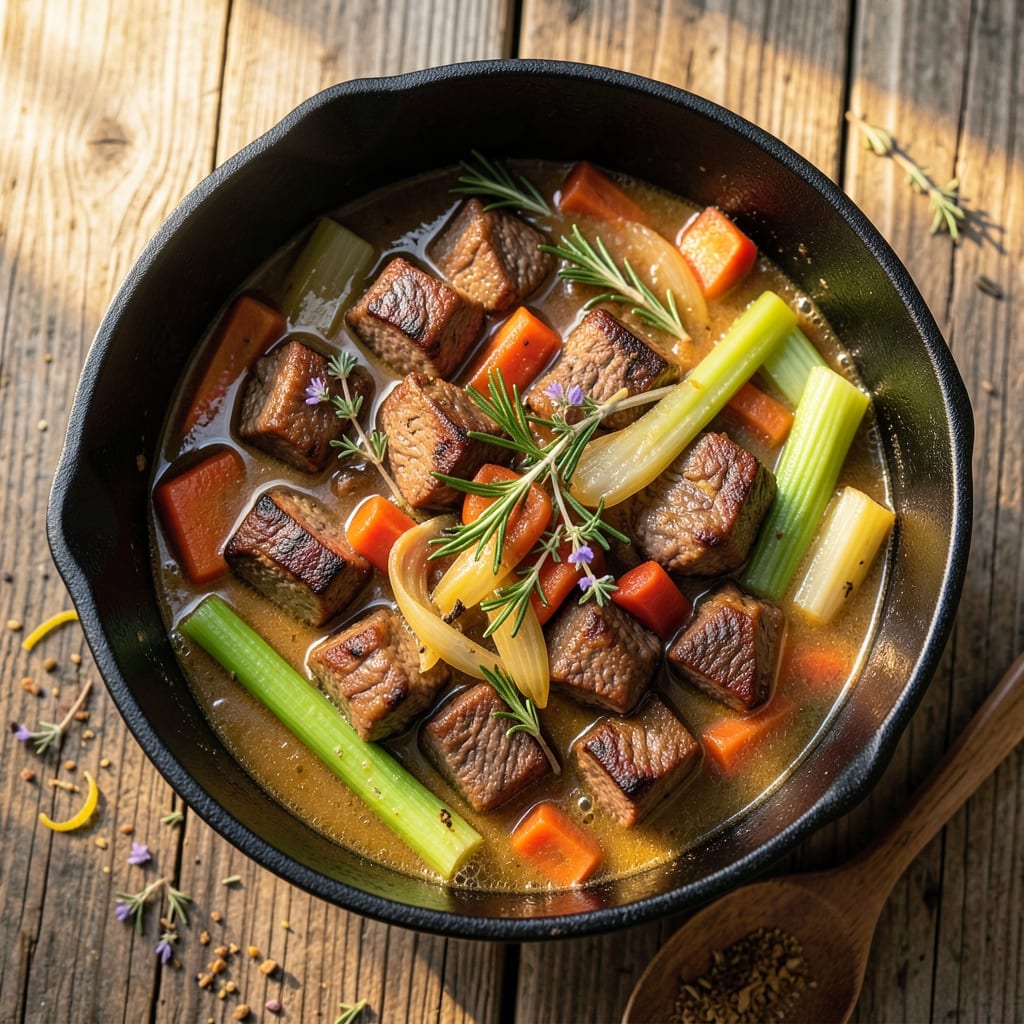
This all-natural beef stew recipe transforms tough cuts into melt-in-your-mouth perfection through slow-simmered richness and herb-infused depth. The secret lies in proper browning of the beef and a long, low cook that develops layers of flavor without adding processed ingredients. I've perfected this technique using grass-fed beef and organic vegetables to create a stew that's both traditional and modern in its approach.
The recipe begins with a deep caramelization of the beef, which forms a flavorful crust that dissolves into the broth during simmering. Sautéing aromatic vegetables and herbs like carrots, onions, and thyme creates a fragrant base that infuses the entire dish. This method ensures every spoonful delivers tender beef, caramelized vegetables, and a broth so rich it deserves its own bowl.
What sets this beef stew apart is its balance—deep, savory flavors without being heavy, and a texture that's velvety yet substantial. The slow cooking process breaks down the meat while allowing the vegetables to soften just enough to absorb the broth's essence. This is comfort food at its finest, where every ingredient plays a role in creating a harmonious, satisfying meal.
Perfect for feeding a crowd or meal prepping for the week, this stew scales beautifully while maintaining its depth of flavor. Serve with crusty bread or roasted potatoes to soak up every last drop of that rich, herb-infused broth. Here's how to make it from start to finish.
Ingredients for all natural beef stew
Sixteen ingredients transform tough beef into velvety, herb-infused stew perfection through slow simmering.
| Ingredient | Amount | Notes |
|---|---|---|
| Grass-Fed Beef Chuck Roast 🥩 | 3 lb | Cut into 1.5-inch cubes, trimmed of fat |
| Yellow Onions 🧅 | 2 whole | Medium, sliced into half-moons |
| Carrots 🥕 | 4 whole | Medium, peeled and cut into chunks |
| Celery Stalks 🧅 | 4 whole | Cut into 1-inch pieces |
| Fresh Thyme Sprigs 🌿 | 4 whole | Or 1 tbsp dried thyme |
| Fresh Rosemary Sprigs 🌿 | 2 whole | Or 1 tsp dried rosemary |
| Garlic Cloves 🧄 | 6 cloves | Peeled and lightly crushed |
| Tomato Paste 🍅 | ½ cup | High-quality, no salt added |
| Red Wine 🍷 | 1 cup | Dry, bold variety like Cabernet |
| Beef Broth 💧 | 4 cups | Homemade or high-quality organic |
| Olive Oil 🫒 | ¼ cup | Extra-virgin for browning |
| Diamond Crystal Kosher Salt 🧂 | 1 ½ tsp | Adjust to taste |
| Freshly Ground Black Pepper 🌶️ | 1 tsp | Freshly cracked for best flavor |
| Bay Leaves 🍃 | 2 whole | Dried, removed before serving |
| All-Purpose Flour 🌾 | 1 tbsp | For thickening if needed |
The grass-fed beef chuck roast is non-negotiable for this recipe—its natural fat content and connective tissue create unmatched richness during slow cooking. Local butcher shops often carry high-quality chuck roasts, but major grocery chains like Whole Foods or Kroger carry organic options that work well. Look for cuts with good marbling—this fat renders beautifully during the long cook. If you can't find chuck, beef short ribs make an excellent substitute, though they'll require slightly longer cooking. The vegetables—yellow onions, carrots, and celery—should be fresh and firm; organic produce is ideal to avoid bitterness from pesticides. For the herbs, fresh thyme and rosemary impart a depth that dried simply can't match, though Penzeys Spices bulk dried herbs work in a pinch.
No red wine on hand? Dry sherry or additional beef broth maintains the depth of flavor, though wine adds a complexity that's hard to replicate. The tomato paste is where umami magic happens—San Marzano tomatoes are the gold standard, but any high-quality paste will do. If you're using dried herbs, reduce the amount to one-third of the fresh measurement. For the broth, homemade is ideal, but store-bought organic brands like Pacific Foods or Imagine deliver solid results. The flour is a last-resort thickener; if your stew needs it, mix it with a little cold water before adding to avoid lumps. And for the olive oil, avoid light or refined oils—extra-virgin's peppery notes enhance the caramelization process.
This stew tastes even better the next day as flavors meld, so double the batch if you have freezer space—it keeps for 3 months frozen or 5 days refrigerated. Store in airtight containers with a layer of broth on top to prevent a skin from forming. For serving, crusty sourdough bread is ideal for soaking up the rich broth. The herbs can be removed before freezing if you prefer, though they add wonderful aroma when reheated. If you find yourself with leftovers, they reheat beautifully on the stovetop over medium-low heat, stirring occasionally to prevent scorching.
Why You'll Love This Recipe
- One-Pot Magic: I swear by this—just toss the chuck roast, chopped veggies, and thyme into a pot, add broth, and let it simmer. No chopping boards to clean, no extra pans, just pure, hands-off satisfaction. The carrots and onions caramelize right into the stew, so you barely even notice the effort.
- Rich, Deep Flavor: That grass-fed beef? It’s the star—tender enough to melt but with enough bite to keep things interesting. The thyme sprigs infuse the broth with earthy warmth, while the onions and celery build this incredible, layered taste that hits all the right notes. It’s the kind of flavor that makes you slow down and savor every spoonful.
- Weeknight & Holiday Hero: Between us, this stew works everywhere. Throw it together on a Tuesday when you’re too tired to think, or serve it at Thanksgiving when you want something hearty but not overly complicated. My kids ask for it more than any other dish—even when there’s pizza on the menu.
- Leftovers That Don’t Suck: Honestly, the best part? The next-day flavor gets even better. The beef gets more tender, the broth thickens just right, and it’s still packed with nutrients. I make a double batch on Sundays, freeze half, and boom—you’ve got a meal ready for when life gets busy. No sad, dry reheated leftovers here.
Step-by-step instructions for slow-simmered herb beef stew
A rich, deeply flavorful beef stew requires patience and precision. Here's how to create a velvety, herb-infused masterpiece that develops layers of complexity through slow cooking.
Sear the Beef Chuck for Deep Flavor
Heat a heavy Dutch oven over medium-high heat until hot. Add 0.25 cup olive oil and swirl to coat the bottom. Working in batches, add the 3 lb grass-fed beef chuck roast cut into 1.5-inch cubes, trimmed of excess fat. Let each piece sear undisturbed for 2-3 minutes until deeply browned on all sides.
This initial searing creates the Maillard reaction that forms the stew's foundational flavor. Don't crowd the pan—work in batches if needed. Once all beef is browned, transfer it to a plate and set aside. The residual browned bits will form the rich base for your sauce.
Build the Aromatic Vegetable Base
In the same Dutch oven, add 2 whole yellow onions sliced into half-moons, 4 whole carrots cut into chunks, and 4 whole celery stalks cut into 1-inch pieces. Cook for 5-6 minutes, stirring occasionally, until the vegetables soften and begin to caramelize.
Add the 6 cloves garlic peeled and lightly crushed, 4 whole fresh thyme sprigs, 2 whole fresh rosemary sprigs, and 2 whole bay leaves. Stir for 30 seconds until fragrant. The herbs will infuse their aromatic oils into the vegetables, creating the stew's signature herbal depth.
Develop the Sauce with Wine and Tomato
Pour in the 1 cup red wine and scrape up all the browned bits from the bottom of the pot. Let it simmer for 2-3 minutes until reduced by half. Add the 0.5 cup tomato paste and stir to combine, cooking for another 1 minute to deepen the color and intensify the flavors.
Return the seared beef to the pot along with any accumulated juices. Pour in the 4 cups beef broth and bring to a gentle simmer. Season with 1.5 tsp Diamond Crystal kosher salt and 1 tsp freshly ground black pepper. The liquid should just cover the beef—if it's too shallow, add a splash of water.
Simmer Until Tender and Flavorful
Cover the Dutch oven and transfer to a preheated 325°F oven. Let it cook for 2.5-3 hours, turning the beef occasionally to ensure even cooking. The stew should develop a rich, caramelized color and the beef should be fork-tender, easily pulling apart with minimal resistance.
Check the liquid level halfway through cooking. If it's reduced too much, add ½ cup water to maintain the proper consistency. The herbs should infuse their flavors into the broth, creating a complex, aromatic base that complements the beef's natural richness.
Finish and Thicken the Stew
Remove the stew from the oven and let it sit uncovered for 10 minutes to allow any excess liquid to evaporate. If the stew is too thin, mix 1 tbsp all-purpose flour with 2 tablespoons cold water to create a slurry. Stir it into the stew and simmer for 5-7 minutes until thickened to your desired consistency.
Taste and adjust seasoning with additional salt or pepper as needed. Remove the herb sprigs and bay leaves before serving. Ladle the stew into bowls, ensuring each serving includes tender beef chunks and flavorful vegetables. The result should be a velvety, herb-infused stew with perfectly tender beef that falls apart easily.
Pro Tips For Making All Natural Beef Stew
- Sear the Chuck Hard: Grass-fed beef needs that crust to lock in flavor, so don’t be shy—get your Dutch oven screaming hot and sear the roast until it’s deep brown in spots. I used to rush this, and the stew always tasted flat afterward; now I take my time and let the meat develop that caramelized armor.
- Blanch the Veggies First: Toss chopped onions, carrots, and celery into boiling water for 2 minutes before adding them to the stew. This softens them just enough to cook through without turning to mush, and it pulls out bitterness that can make grass-fed beef taste harsh.
- Don’t Crowd the Pot: After searing the beef, let it rest in the pot for 5 minutes while you prep the veggies—this prevents the meat from steaming instead of browning. And once everything’s in? Keep the liquid at a gentle simmer, not a rolling boil, or you’ll end up with a watery mess.
- Use Whole Thyme Stems: Skip the pre-packaged thyme sprigs—break off the stems from a fresh bunch and add them whole. They’ll infuse the stew deeply without turning it into a herb slurry, and you can fish them out easily at the end. (Yes, even if it looks weird.)
Serving suggestions for leftovers
Crusty Bread Pairing
Nothing complements this rich beef stew like a warm, crusty sourdough loaf or baguette. The dense, chewy texture soaks up the flavorful broth beautifully while adding a satisfying contrast. I recommend toasting slices in the oven at 375°F for 5 minutes until golden and crisp. For an extra touch, brush with garlic-infused olive oil and sprinkle with flaky sea salt before serving. 🥖
Roasted Potato Side
For a heartier meal, serve alongside rosemary-roasted baby potatoes. Toss 1.5 lbs baby potatoes, halved, with 2 tbsp olive oil, 1 tsp dried rosemary, ½ tsp salt, and ¼ tsp black pepper. Roast at 425°F for 30-35 minutes until golden and crispy. The potatoes' earthy flavor and crunch balance the stew's richness perfectly.
Simple Green Salad
A bright, crisp salad cuts through the stew's richness and adds freshness. I love a mix of butter lettuce, shredded carrots, and thinly sliced radishes tossed with a light vinaigrette. Whisk 3 tbsp olive oil with 1 tbsp red wine vinegar, ½ tsp Dijon mustard, ½ tsp honey, and a pinch of salt. The acidity and crunch refresh your palate between bites. 🥗
Garnish for Extra Flavor
Elevate your stew with fresh garnishes before serving. A sprinkle of chopped fresh parsley adds brightness, while toasted breadcrumbs (mix 2 tbsp breadcrumbs with 1 tbsp butter and toast in a dry pan) add texture. For a pop of acidity, squeeze a few drops of lemon juice over each serving. These finishing touches make the dish feel restaurant-quality at home.
Wine and Beer Pairings
For wine lovers, a bold red like Cabernet Sauvignon or Merlot enhances the stew's depth. The tannins complement the beef's richness, while the fruit notes harmonize with the herbs. If you prefer beer, a dark ale or porter adds a malty contrast that pairs beautifully with the stew's savory flavors. 🍷
Make-Ahead Serving Tips
This stew tastes even better the next day, so prepare it ahead of time for a stress-free meal. Store leftovers in an airtight container in the refrigerator for up to 5 days or freeze for 3 months. Reheat gently on the stovetop over medium-low heat, stirring occasionally to prevent scorching. The flavors meld beautifully over time, making it perfect for meal prep! ⏰
Nutrition facts
Frequently asked questions
Can I substitute grass-fed beef with another cut?
While grass-fed chuck roast is ideal, you can use beef short ribs (add 1 extra hour to cooking time) or stew meat from the shoulder. For a leaner option, try sirloin tips, but they'll cook faster—watch closely after 2 hours to avoid overcooking. The key is choosing a cut with good marbling or connective tissue for tenderness.
How do I make this stew in a slow cooker?
Transfer the seared beef and sautéed vegetables to your slow cooker, then add the wine, tomato paste, broth, and seasonings. Cook on low for 7-8 hours or high for 4-5 hours. The long cook time ensures the meat becomes fork-tender. For extra depth, deglaze the Dutch oven with wine first and add that to the slow cooker.
Why does my stew turn out too thin?
Thin stew often happens when the liquid reduces too quickly. To fix this, simmer uncovered for 10-15 minutes to thicken naturally, or make a slurry with 1 tbsp flour + 2 tbsp cold water and stir it in. For prevention, use a heavy Dutch oven and reduce heat to medium-low during simmering. The herbs also release moisture—remove sprigs after 1.5 hours if needed.
Can I make this stew dairy-free?
This recipe is already dairy-free! The richness comes entirely from the beef, wine, and herbs. For extra creaminess, stir in 2 tbsp coconut milk or 1 tbsp nutritional yeast at the end. Just avoid butter or cream-based thickeners. The natural fats in the beef and olive oil create a luscious texture without dairy.
What's the best way to reheat leftovers?
Reheat gently on the stovetop over medium-low heat, stirring occasionally to prevent scorching. For even heating, cover the pot and simmer for 10-15 minutes. Microwave reheating works too—use 50% power for 2-3 minutes, stirring halfway. The slow method preserves the stew's velvety texture and prevents the broth from separating.