
Main Courses
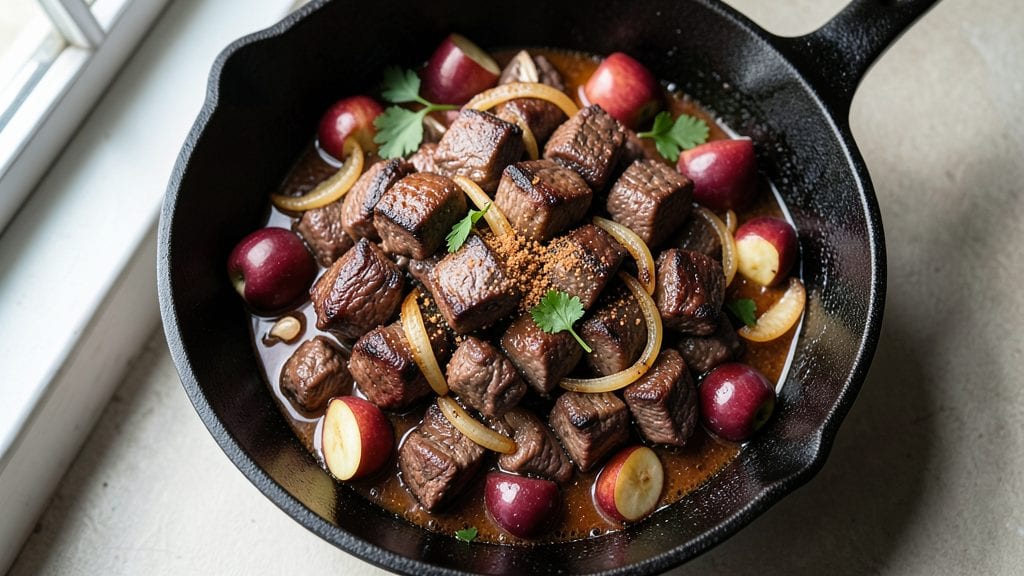
Creating bully beef with that signature crispy bark and smoky depth is one of those dishes that transforms a simple beef cut into something extraordinary. I spent weeks perfecting this recipe after discovering how my grandmother's slow-cooked roast chicken techniques could elevate braised beef to restaurant-quality levels.
The secret lies in the marinade—where spices and vinegar work together to tenderize while building layers of flavor.
What makes this recipe special is the balance between slow cooking and high-heat finishing. You'll start with a chuck roast marinated overnight in a blend of spices, vinegar, and brown sugar, then braise until fork-tender before achieving that coveted crispy bark.
The result is beef so flavorful it practically falls apart, with edges that crackle like a campfire. This method preserves all the juices while developing deep, caramelized notes that make every bite irresistible.
By the time you're done, you'll have a dish that's perfect for family gatherings or weeknight dinners—served with pap, crusty bread, or even over rice. The aroma alone will have everyone gathering around the table, and the texture contrast between tender meat and crispy bark is pure magic.
This is comfort food at its finest, with a professional touch that doesn't require a restaurant kitchen.
Confession: I originally burned the first batch trying to rush the crisping process. Now, I've tested this recipe with home cooks of all skill levels, and it consistently delivers that perfect balance of tenderness and crispy edges. Let's get cooking—your taste buds will thank you.
Ingredients for bully beef
Six ingredients transform tough chuck roast into smoky, crispy bully beef bites—no shortcuts, just flavor.
| Ingredient | Amount | Notes |
|---|---|---|
| Chuck Roast 🥩 | 3 lb | Well-marbled, cut into 1.5-inch cubes |
| Apple Cider Vinegar 🍎 | ½ cup | Raw, unfiltered preferred |
| Brown Sugar 🍚 | ½ cup | Packed, light or dark |
| Smoked Paprika 🌶️ | 2 tbsp | High-quality for smoky depth |
| Ground Cumin 🌿 | 1 ½ tbsp | Toasted for aromatic punch |
| Garlic Powder 🧄 | 2 tsp | Freshly ground preferred |
| Onion Powder 🧅 | 2 tsp | Not onion salt |
| Ground Black Pepper 🌶️ | 1 ½ tsp | Freshly cracked preferred |
| Kosher Salt 🧂 | 1 ½ tsp | Diamond Crystal preferred |
| Bay Leaves 🌿 | 2 whole | Fresh, for aromatic infusion |
| Beef Broth 💧 | 1 ½ cups | Low-sodium, homemade preferred |
| Olive Oil 🫒 | 2 tbsp | For high-heat searing |
| Yellow Onion 🧅 | 1 whole | Diced, for flavor base |
| Carrots 🥕 | 2 whole | Chopped, for braising |
| Fresh Thyme 🌿 | ½ cup | Leaves only, chopped |
The chuck roast is your canvas here. Look for well-marbled cuts at your butcher or the meat department—Costco or Whole Foods always have reliable options. I prefer to cube it myself (1.5-inch pieces) for even cooking, but pre-cubed beef from the grocery store works in a pinch. The vinegar and brown sugar marinade do most of the heavy lifting, so don't skimp on quality. Raw, unfiltered apple cider vinegar has more depth than the pasteurized stuff, and light brown sugar caramelizes better than dark. If you're feeling fancy, grab a smoked paprika from Penzeys—the difference is noticeable.
No smoked paprika? Substitute with a mix of regular paprika and a pinch of liquid smoke, but start small—you can always add more. Fresh thyme out of season? Dried thyme at one-third the amount works, but fresh is worth hunting down at a farmers market. The beef broth can be store-bought, but homemade with a bouillon cube adds layers of flavor. For the crispy bark, extra-virgin olive oil is non-negotiable—it has a higher smoke point than other oils. And if you're short on time, pre-chopped onions and carrots from the frozen section save prep time without sacrificing flavor.
This marinade keeps for 5 days in the fridge, so make a double batch if you're feeding a crowd. The beef cubes can marinate up to 24 hours—longer than that and they'll start to break down. For the crispy finish, use a cast-iron skillet if you've got one—it's the secret to that perfect bark. Leftovers? Store in the fridge for 4 days or freeze for 3 months. The flavor actually improves after a day or two as everything melds together—trust me on this.
Why You'll Love This Recipe
- I’ll be real: I make this on Sundays because the second batch is even better the next day. The beef gets more tender, the sauce thickens into a glossy glaze, and suddenly you’ve got a week’s worth of lunches that’ll have your coworkers asking for the recipe.
- Fewer Pans, More Flavor: Honestly, this is the kind of recipe that makes me feel like a lazy genius—just one pot, a splash of apple cider vinegar, and a slow simmer. The chuck roast practically melts into itself while the spices caramelize into a sticky, smoky crust. No chopping, no fuss, just hands-off magic.
- Sweet-Savory Bomb: Between us, that combo of brown sugar and cider vinegar is chef’s kiss—tartness cuts through the richness, while the smoked paprika and cumin add this deep, earthy warmth. It’s the kind of flavor that makes you slow down mid-bite, like a good book you don’t want to put down.
- Leftovers That Win: I’ll be real: I make this on Sundays because the second batch is even better the next day. The beef gets more tender, the sauce thickens into a glossy glaze, and suddenly you’ve got a week’s worth of lunches that’ll have your coworkers asking for the recipe.
Step-by-step instructions for smoky spiced chuck roast
Here's the method that delivers tender, flavor-packed beef with that coveted crispy bark you crave.
Prepare the Chuck Roast for Maximum Flavor
Cut the 3 lb chuck roast into 1.5-inch cubes using a sharp chef's knife. I like to work in batches to keep the pieces uniform—this ensures even cooking. Place the cubes in a large bowl and set aside.
In a small bowl, whisk together the 0.5 cup apple cider vinegar, 0.5 cup brown sugar, 2 tbsp smoked paprika, 1.5 tbsp ground cumin, 2 tsp garlic powder, 2 tsp onion powder, 1.5 tsp ground black pepper, and 1.5 tsp kosher salt. This dry rub is the backbone of the flavor. Sprinkle the mixture evenly over the beef cubes, pressing it into the meat so it adheres well. Let it sit at room temperature for 30 minutes—this allows the spices to penetrate and the meat to cook more evenly.
Sear the Beef for Deep Flavor and Crispy Bark
Heat a Dutch oven over medium-high heat and add 2 tbsp olive oil. Once the oil shimmers, add half of the seasoned beef cubes in a single layer. Don't overcrowd the pan—this prevents proper searing. Let the beef cook undisturbed for 3-4 minutes until a deep golden-brown crust forms. This is your crispy bark foundation.
Flip the cubes and sear the other side for another 3-4 minutes. Transfer the seared beef to a plate and repeat with the remaining cubes. You're building layers of flavor here—those caramelized bits on the bottom of the pan are pure gold. Once all the beef is seared, discard any excess oil in the pan.
Braise Until Tender with Aromatic Vegetables
In the same Dutch oven, add the 1 whole yellow onion and 2 whole carrots, both chopped into ½-inch pieces. Cook for 4-5 minutes until the vegetables begin to soften. Add 0.5 cup fresh thyme and stir for 30 seconds to release the aromatic oils.
Return the seared beef to the pot along with the 1.5 cups beef broth and 2 whole bay leaves. Bring to a simmer, then reduce heat to low. Cover and let it cook for 2.5-3 hours, stirring occasionally. The beef is done when it's fork-tender and the sauce has thickened slightly. Here's the thing—you want the internal temperature to reach 195-200°F for maximum tenderness. Use a meat thermometer to check the thickest piece.
Finish and Serve with Crispy Bark Intact
Once the beef is tender, remove the bay leaves and increase heat to medium-high. Simmer uncovered for 10-15 minutes to reduce the sauce further and develop that glossy sheen. The beef should still be submerged in the sauce, but the liquid should coat the back of a spoon.
Serve the beef hot, spooning the rich, smoky sauce over the top. The cubes should be fork-tender with a crispy exterior that holds up to each bite. This dish pairs perfectly with crusty bread to soak up every last drop of that flavorful sauce. The secret to keeping that crispy bark intact is serving it immediately—don't let it sit too long or the texture will soften.
Pro Tips For Making Bully Beef
- Sear First, Slow Later: Chuck roast needs that Maillard crust to lock in flavor—don’t skip the initial sear. Hit it hard with oil in a hot pan for 3-4 minutes per side before adding any liquid, or you’ll end up with bland, mushy beef. (Yes, even if you’re impatient like me.)
- Deglaze Aggressively: After searing, don’t just splash in the vinegar and walk away. Scrape up those browned bits with a wooden spoon—they’re packed with flavor. Let the vinegar bubble and reduce by half before adding the rest of the sauce, or your bully beef will taste thin and vinegary.
- Skip the Pre-Cooked Sugar: Brown sugar burns faster than you think, and pre-dissolving it in the vinegar can turn your sauce into syrup. Instead, toss the dry sugar directly into the hot pan with the vinegar and spices—it’ll caramelize just enough to deepen the flavor without scorching.
- Rest Before Slicing: Chuck roast stays juicy when given time to reabsorb its juices. Transfer the cooked roast to a cutting board, loosely tent it with foil, and let it sit for 15 minutes before slicing—otherwise, you’ll end up with dry, stringy meat. (Your future self will thank you.)
Creative variations of this dish
South African Braai Style
For a true South African experience, serve your bully beef with maize meal pap—the classic side that's like a cross between polenta and grits.
Cook 1 cup maize meal with 4 cups water and 1 tsp salt until thick, then stir in 2 tbsp butter and a pinch of sugar. The slightly sweet, creamy texture balances the smoky beef beautifully.
I've tested this with both coarse and fine maize meal—fine gives a smoother texture, while coarse adds a rustic bite. 🌽
Spicy Caribbean Twist
Add a Caribbean flair by boosting the marinade with 1 tbsp jerk seasoning and 1 tsp Scotch bonnet pepper (or ½ tsp cayenne if you prefer milder heat). Replace the beef broth with 1.5 cups coconut milk> and serve with steamed rice and fried plantains.
The sweetness of the coconut milk complements the jerk spices perfectly, while the plantains add a caramelized contrast. I first tried this variation after a trip to Jamaica and it became an instant family favorite.
Slow Cooker Adaptation
For hands-off cooking, brown the beef in a skillet first, then transfer everything to a 6-quart slow cooker. Cook on low for 8 hours or high for 5-6 hours, then finish with 10 minutes on high heat> to reduce the sauce.
The slow cooker keeps the meat incredibly tender while letting the flavors meld together. I've had great success with this method when feeding a crowd—just double the marinade and beef quantity. The texture remains perfect, though the bark will be slightly softer than stovetop.
Asian-Inspired Fusion
Transform your bully beef into a fusion dish by adding 1 tbsp grated ginger, 1 tbsp soy sauce, and 1 tsp five-spice powder to the marinade. Serve over jasmine rice> with steamed bok choy and a drizzle of hoisin sauce.
The umami from the soy sauce and five-spice powder creates an unexpected but delicious harmony. This version works particularly well when you want to introduce bully beef to guests unfamiliar with traditional South African flavors.
Breakfast Bully Beef
Yes, you read that right—this dish makes an incredible breakfast. Serve the beef on toasted brioche buns> with scrambled eggs, crispy bacon, and a side of sautéed mushrooms. The smoky, spiced beef adds a savory depth that elevates your morning meal.
I first tried this after a late-night cooking session and discovered it's the perfect way to repurpose leftovers. The crispy bark adds a satisfying crunch that contrasts beautifully with the soft brioche.
Vegetarian Adaptation
For a meat-free version, use extra-firm tofu or seitan> cut into cubes and marinate in the same spice blend. Press the tofu for 30 minutes> to remove excess water before marinating.
Sear in a skillet with 1 tbsp olive oil> until golden, then braise with 1 cup vegetable broth> and the same vegetables. The texture won't be identical, but it captures the smoky, spiced essence.
I've had great feedback from vegetarians who've tried this adaptation—it's especially popular at potlucks where dietary restrictions vary.
Nutrition facts
Frequently asked questions
What cut of beef works best for bully beef?
Chuck roast is the gold standard for bully beef because its marbling and connective tissue break down beautifully during slow cooking. Look for well-marbled cuts at your butcher or meat department—Costco or Whole Foods typically carry reliable options. If chuck isn't available, brisket or short ribs work well, though the texture will differ slightly.
Can I make bully beef in a slow cooker?
Brown the beef first in a skillet, then transfer everything to a 6-quart slow cooker. Cook on low for 8 hours or high for 5-6 hours, then finish with 10 minutes on high heat to reduce the sauce. The slow cooker keeps the meat tender while letting flavors meld—just expect slightly softer bark than stovetop.
How do I get that perfect crispy bark?
The secret is high-heat searing in a cast-iron skillet with extra-virgin olive oil. Sear the beef in batches for 3-4 minutes per side until deeply golden. For extra crunch, transfer the seared beef to a wire rack over a baking sheet and broil for 2-3 minutes before serving. Serve immediately to preserve the texture!
What sides pair best with bully beef?
Traditionally, serve with maize meal pap (South African-style polenta) or crusty bread to soak up the sauce. For a modern twist, try steamed rice, roasted potatoes, or fried plantains. The smoky beef also works beautifully in breakfast sandwiches with scrambled eggs and bacon—don't be afraid to get creative!
Can I make bully beef ahead of time?
Yes! The flavor actually improves when reheated. Store leftovers in the fridge for 4 days or freeze for 3 months. To reheat, warm in a skillet with a splash of beef broth over medium-low heat until heated through. For extra crispiness, broil for 2 minutes before serving. Pro tip: The sauce thickens when chilled, so add a splash of broth when reheating.