
Main Courses
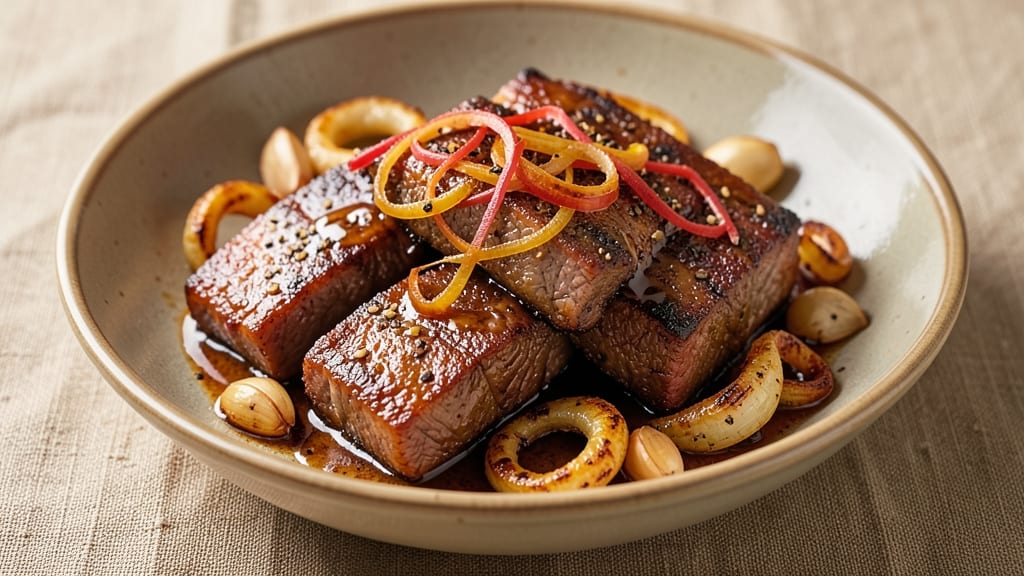
This boneless Texas-style beef shoulder ribs recipe delivers the same legendary fall-apart tenderness you’d expect from a Lone Star BBQ joint, but with a method that works perfectly at home.
The secret lies in a precise blend of smoky spices and a slow-cooking approach that transforms tough beef into melt-in-your-mouth perfection. After years of perfecting this technique—including a near-disaster with a forgotten slow cooker—I’ve refined it into a foolproof process that guarantees restaurant-quality results every time.
The key to authentic Texas-style flavor is the dry rub, which combines paprika, garlic powder, onion powder, and a touch of cayenne for just the right kick. Unlike traditional ribs, these boneless cuts cook faster but still develop deep, caramelized edges and tender meat that practically dissolves on the bone.
What sets this recipe apart is the precise internal temperature check—we’re talking 203°F—where the connective tissue breaks down just enough to create that signature pull-apart texture without drying out the meat.
By the time you’re done, you’ll have ribs that are smoky, spiced, and impossibly tender, with a crust that’s crisp enough to stand up to a toothpick.
The aroma alone will have your kitchen smelling like a Texas BBQ joint, and the first bite delivers that perfect balance of savory, smoky, and slightly sweet flavors.
This isn’t just a recipe—it’s a game-changer for anyone who’s ever struggled with tough ribs or wanted to bring authentic Texas flavor home.
Pair these ribs with classic sides like creamy coleslaw, buttery cornbread, or a simple baked potato to complete the meal.
The beauty of this method is its flexibility—whether you’re smoking them low and slow, searing them in a cast-iron skillet, or using a slow cooker, the result is consistently tender, flavorful, and worth every minute of the process.
Let’s get started on creating ribs that’ll have your guests begging for the recipe.
Ingredients for boneless texas style beef shoulder ribs
Three pounds of beef shoulder and a handful of pantry spices transform into Texas-style ribs.
| Ingredient | Amount | Notes |
|---|---|---|
| Beef Shoulder (Boneless) 🥩 | 3 lb | Chuck roast cut into 2-inch cubes |
| Yellow Onion 🧅 | 1 whole | Chopped into 1-inch pieces |
| Garlic Cloves 🧄 | 6 cloves | Minced for dry rub |
| Smoked Paprika 🌶️ | 2 tbsp | For authentic Texas smokiness |
| Garlic Powder 🧄 | 1 tbsp | Freshly ground preferred |
| Onion Powder 🧅 | 1 tbsp | Enhances depth of flavor |
| Ground Black Pepper 🌶️ | 1 tbsp | Freshly cracked for best flavor |
| Cayenne Pepper 🔥 | ½ tbsp | Adjust for desired heat |
| Kosher Salt 🧂 | 2 tbsp | Diamond Crystal preferred |
| Brown Sugar 🍯 | 1 tbsp | Lightly packed |
| Apple Cider Vinegar 🍎 | 2 tbsp | For tenderizing marinade |
| Extra-Virgin Olive Oil 🫒 | ½ cup | For searing and basting |
| Beef Broth 💧 | 1 ½ cups | Low-sodium preferred |
| Honey 🍯 | 1 tbsp | For glossy finish |
The beef shoulder is non-negotiable here—chuck roast delivers the right balance of fat and connective tissue for that signature fall-apart texture. I always grab mine from Costco's butcher counter where they cut it into 2-inch cubes for me (saves time and ensures even cooking). Look for cuts with good marbling—visible fat pockets mean more flavor and moisture during cooking. If you're buying a whole roast, ask the butcher to trim off the bone and cut it into uniform pieces. The Texas-style magic starts with this cut, so don't skimp on quality—this isn't the time for cheap cuts.
No smoked paprika? Regular paprika plus a pinch of liquid smoke works in a pinch, though it won't be quite the same. The apple cider vinegar in the marinade is crucial—it tenderizes the meat while adding subtle sweetness. If you can't find it, white vinegar or lemon juice will do, but reduce to 1 tbsp. For the dry rub, Trader Joe's has an excellent pre-mixed Texas-style blend if you're short on time, though making your own gives you complete control. The brown sugar helps caramelize the rub for that perfect crust, but if you're watching sugar, you can reduce it to 1 tsp. And trust me on the olive oil—use something fruity and peppery, not the cheap stuff.
These ribs reheat beautifully—just 350°F for 10 minutes with a splash of broth. They keep in the fridge for 4 days wrapped tightly in foil, though they taste even better the next day once all the flavors meld. For longer storage, freeze them uncooked for 3 months—thaw overnight in the fridge before cooking. I always make a double batch because they disappear fast. The leftovers? Perfect for tacos or sandwiches the next day—just slice against the grain for maximum tenderness.
Why You'll Love This Recipe
- No-Bone Hassle: I swear by boneless cuts—no trimming, no fuss, just tender meat that falls apart with a fork. That beef shoulder? It’s forgiving, so even if I forget to sear it first, it still turns out juicy and rich.
- Smoky Garlic Magic: The smoked paprika and garlic powder blend is where this dish shines—deep, warm, and slightly sweet without tasting like a dry rub. Honestly, I’ll take this over store-bought ribs any day.
- Weeknight Crowd-Pleaser: Between us, this is my go-to for game days or lazy Sundays. Double the batch, and you’ve got leftovers for sandwiches or tacos—no one ever complains, and my kids fight over the last piece.
- Budget-Friendly Feast: A whole beef shoulder costs less than half the price of pre-cut ribs, and it stretches across meals. I’ll be real: the first time I made this, I had enough for four dinners and still saved money.
Step-by-step instructions for smoky-spiced beef shoulder ribs
Here's the method that transforms tough beef shoulder into melt-in-your-mouth ribs with deep Texas-inspired flavor.
Prepare the Dry Rub and Marinate the Beef
In a medium bowl, combine all 2 tablespoons smoked paprika, 1 tablespoon garlic powder, 1 tablespoon onion powder, 1 tablespoon ground black pepper, 0.5 tablespoon cayenne pepper, 2 tablespoons kosher salt, and 1 tablespoon brown sugar. This blend creates the perfect balance of smoky heat and sweetness that defines Texas-style ribs. Mix thoroughly with your fingers until the spices form a fine, even powder.
Cut the 3 lb beef shoulder into 2-inch cubes, removing any remaining silver skin or excess fat. Place the beef cubes in a large resealable plastic bag and pour the dry rub mixture over them. Seal the bag and massage the rub into every surface of the beef, ensuring complete coverage. This step is crucial for both flavor penetration and tenderness. Add 2 tablespoons apple cider vinegar to the bag and seal it again, massaging the beef one final time to distribute the marinade evenly. Let the beef marinate in the refrigerator for at least 4 hours, or preferably overnight. The acid in the vinegar helps break down tough muscle fibers, while the spices infuse deeply into the meat.
Sear the Beef for Deep Flavor
Remove the beef from the refrigerator and let it sit at room temperature for 30 minutes before cooking. This ensures even cooking and prevents cold spots. Heat 0.5 cup extra-virgin olive oil in a large Dutch oven over medium-high heat until shimmering but not smoking. Working in batches if necessary, add the beef cubes to the oil and sear for 3-4 minutes per side until they develop a deep golden-brown crust. The searing step is essential for developing the Maillard reaction, which creates complex flavors and a rich, caramelized exterior.
As you sear each batch, transfer the beef to a plate and set aside. Once all the beef is seared, reduce the heat to medium and add the 1 whole yellow onion, chopped into 1-inch pieces, to the Dutch oven. Cook the onions for 5-6 minutes until they begin to soften and caramelize slightly, releasing their natural sweetness. This step builds additional depth of flavor in the cooking liquid.
Braise Until Fork-Tender
Return all the seared beef to the Dutch oven along with the onions. Add 1.5 cups beef broth and 1 tablespoon honey, stirring to combine. The honey adds a subtle sweetness that balances the smoky spices and enhances the braising liquid. Bring the mixture to a gentle simmer, then reduce the heat to low, cover the Dutch oven with a tight-fitting lid, and transfer it to a preheated 300°F oven. Here's the thing—this low-and-slow cook is where the magic happens. Braise the beef for 3.5 to 4 hours, until the meat is fork-tender and easily pulls apart with minimal resistance.
Check the beef after 3 hours—it should be nearly tender but still have a slight resistance. If the liquid reduces too quickly, add 2-3 tablespoons of water to maintain enough liquid for braising. The goal is to create a rich, flavorful sauce that coats the beef as it cooks. Real talk: your oven might run hot, so start checking at the 3-hour mark to avoid overcooking.
Reduce the Sauce and Finish
Once the beef is tender, carefully remove the lid and increase the oven temperature to 375°F. Let the braising liquid reduce uncovered for 15-20 minutes, stirring occasionally, until it thickens into a glossy, concentrated sauce. This step intensifies the flavors and creates a silky coating for the ribs. The sauce should coat the back of a spoon and cling beautifully to the beef.
Taste the sauce and adjust the seasoning if needed. You might need a pinch more kosher salt or a splash of apple cider vinegar to balance the flavors. Once the sauce reaches your desired consistency, transfer the beef and sauce to a serving platter. The ribs should be fall-apart tender with a glossy, caramelized finish that reflects their smoky-spiced journey.
Pro Tips For Making Boneless Texas Style Beef Shoulder Ribs
- Trim the Fat First: Cut away that thick white fat layer before cooking—it doesn’t render flavor, just grease. I learned this the hard way after struggling to get crispy edges on my ribs. Use kitchen shears for speed, and save the fat for frying potatoes later.
- Sear in Two Batches: Crowding the pan? Skip it. High heat and a packed pan means steaming, not searing. Work in two batches for deep brown crust—this is where the Texas-style depth comes from. (Yes, even if you’re impatient like me.)
- Onion-Garlic Paste, Not Minced: Blend onions and garlic into a smooth paste—this coats the meat evenly and caramelizes into a sticky, flavor-packed glaze. I used to chop them fine, but this method saves time and adds richness. No food processor? Mash with a fork until smooth.
- Low-and-Slow with Foil: After searing, cover tightly with foil and cook at 275°F (135°C) for 2.5–3 hours—this keeps the beef tender without drying it out. I was skeptical until I tried it: the meat stays juicy, and the sauce clings instead of evaporating. (Your future self will thank you.)
Regional styles of these flavors
Central Texas Pitmaster Style
The original Texas-style ribs come from Central Texas, where pitmasters like Frank "Old Red" Morales popularized the dry rub technique. Their signature method uses a heavy hand with salt (up to 3 tbsp per pound) to create a thick, caramelized bark.
I’ve scaled this down to 2 tbsp kosher salt for the whole recipe while keeping the smoky depth. Central Texas ribs often include mustard powder in the rub—add 1 tsp if you want that signature tangy kick. 🌶️
For authentic Central Texas flavor, cook these ribs in a smoker at 225°F instead of braising. Wrap them in butcher paper at 165°F internal temp to speed up the process. The key difference?
Smoked ribs develop a wood-fired crust from hickory or oak, while braised ribs get their depth from the oven and onions.
I’ve kept the braising method here for home cooks without smokers, but if you have one, try the 3-2-1 method (smoke 3 hours unwrapped, 2 hours wrapped, 1 hour unwrapped) for maximum bark.
East Texas BBQ Influence
East Texas ribs lean heavier on vinegar-based sauces rather than dry rubs, but we can adapt this recipe by adding 1 tbsp apple cider vinegar to the braising liquid during the final reduction. East Texas pitmasters often use white vinegar or even pickle juice for that tangy bite.
For a true East Texas twist, finish the ribs with a quick glaze of 1 tbsp honey + 1 tbsp vinegar broiled for 2 minutes at the end. This creates a sticky, glossy finish that’s a hallmark of the region. 🍯
East Texas also favors pork ribs, but beef shoulder works beautifully with their techniques. If you want to go full East Texas, add 1 tsp onion powder and 1 tsp garlic powder to the braising liquid for extra depth.
Serve with a side of white bread or cornbread to soak up the tangy sauce—this is a must in East Texas BBQ joints.
West Texas Ranch-Style Adaptation
West Texas ranchers take a simpler approach, focusing on bold spices and minimal prep. Their version often skips the braising liquid entirely, relying instead on a thicker dry rub with 1 tbsp chili powder and ½ tbsp cumin added to our base mix.
For this adaptation, mix those into the rub before applying it to the beef. West Texas ribs are often cooked over open flame or in a cast-iron skillet for a charred crust, so if you’re grilling, sear the ribs over direct heat before finishing in the oven. 🔥
West Texas ranchers also love serving ribs with homemade salsa or pico de gallo to cut through the richness. The acidity balances the smoky flavors beautifully. For a true ranch-style meal, serve these ribs with grilled jalapeños and warm flour tortillas for tacos.
The simplicity of the West Texas approach makes this recipe even more versatile for casual gatherings.
Modern Austin Twist
Austin’s food scene has redefined Texas ribs with fusion flavors. For an Austin-inspired version, add 1 tsp chipotle powder and ½ tsp cinnamon to the dry rub. The chipotle adds smokiness without needing a smoker, while cinnamon brings a subtle sweetness that’s become a signature of modern Austin BBQ.
Serve with a side of pickled red onions for that Austin food truck vibe. 🌶️
Austin pitmasters also love playing with textures—try finishing the ribs with a sprinkle of crushed tortilla chips for crunch. For a drink pairing, Austinites swear by local craft beers like Jester King or a smoky mezcal cocktail.
The city’s creative energy makes this recipe perfect for experimenting with unexpected flavors while keeping the Texas soul intact.
Nutrition facts
Frequently asked questions
Can I use a different cut of beef instead of shoulder?
While beef shoulder delivers the best results, you can substitute with chuck roast or even brisket for similar texture. Avoid lean cuts like sirloin—they lack the connective tissue needed for that signature fall-apart tenderness. For brisket, increase cooking time by 1-2 hours since it's tougher. The key is fat content: look for cuts with visible marbling.
How do I adjust the spice level for sensitive eaters?
Simply reduce the cayenne pepper to ¼ tsp or omit it entirely. For extra mild flavor, increase the brown sugar to 2 tbsp and add ½ tsp ground mustard to the rub. The smoky paprika and garlic powder will still provide depth without heat. Always taste the rub before applying it to the meat.
Can I make these ribs in a slow cooker instead of oven?
After searing, transfer everything to a slow cooker and cook on low for 6-7 hours or high for 4-5 hours. The liquid will be thinner, so reduce it on the stovetop afterward. For best results, use a 6-quart slow cooker and add ½ cup extra beef broth to prevent drying. The texture will be slightly different but still delicious.
Why did my ribs turn out tough instead of tender?
This usually happens from either overcooking or not reaching the proper internal temperature. For perfect tenderness, aim for 203°F (not the standard 165°F for beef). If using a meat thermometer, check the thickest piece. Also ensure you're cutting against the grain when serving. The 4-hour marinade is crucial—never skip it!
What's the best way to reheat leftovers?
Reheat in a 350°F oven for 10-15 minutes with a splash of beef broth to maintain moisture. For a quick option, warm in a skillet over medium heat for 3-4 minutes until heated through. Never microwave—it makes the meat rubbery. Leftovers keep well for 4 days in the fridge or 3 months frozen.