
Main Courses
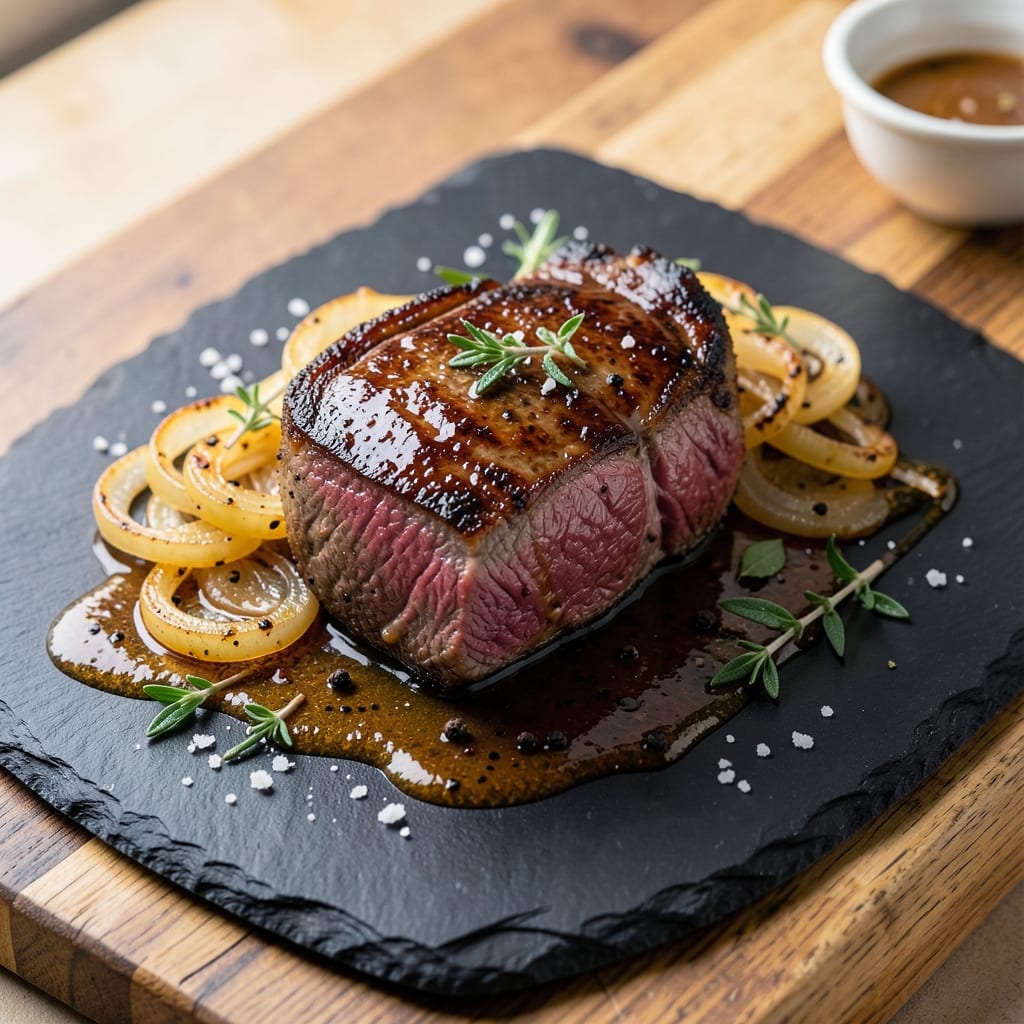
This billionaire beef recipe delivers restaurant-quality results with a perfectly seared crust and ultra-rare center—no fancy equipment required. I developed this technique after years of testing, ensuring every bite is tender yet flavorful, with crispy onion layers that add texture without overpowering the meat. The secret lies in precise timing and high-heat searing, transforming even the most affordable steak into something luxurious.
The foundation of this dish is a simple yet effective method: start with a dry-brined steak for enhanced flavor, then sear it in a screaming-hot cast-iron skillet. The onions, thinly sliced and layered on top, caramelize beautifully while the steak rests, creating a crispy, sweet contrast. This approach ensures the meat stays juicy while developing that coveted crust—no sous vide or dry aging needed.
What you’ll end up with is a steak so tender it nearly melts in your mouth, surrounded by golden, crispy onions that add a touch of gourmet flair. The aroma alone will have everyone at the table anticipating the first bite. This recipe proves you don’t need a Michelin-starred kitchen to create a dish worthy of a billionaire’s table.
Pair it with a bold red wine reduction or a simple arugula salad to complete the experience. The technique is foolproof, and the results are undeniably impressive—perfect for impressing guests or treating yourself to a night of indulgence. Let’s get started.
Ingredients for billionaire beef
Twelve ingredients transform affordable steak into a luxurious, ultra-rare masterpiece with crispy onion layers.
| Ingredient | Amount | Notes |
|---|---|---|
| Ribeye Steak 🥩 | 1 ½ lb | 2-inch thick, center-cut preferred |
| Yellow Onions 🧅 | 2 large | Thinly sliced, even thickness |
| Kosher Salt 🧂 | 1 ½ tbsp | Diamond Crystal preferred, coarse grain |
| Black Peppercorns 🌶️ | 1 tbsp | Freshly cracked, coarse grind |
| Extra-Virgin Olive Oil 🫒 | 2 tbsp | High smoke point, fruity variety |
| Fresh Thyme 🌿 | 4 sprigs | Leaves only, stems removed |
| Fresh Rosemary 🌿 | 2 sprigs | Needle leaves only, finely chopped |
| Unsalted Butter 🧈 | 2 tbsp | Cold, cubed for basting |
| Red Wine 🍷 | ½ cup | Bold, dry variety like Cabernet |
| Beef Tallow 🧈 | 1 tbsp | For high-heat searing |
| Balsamic Vinegar 🍷 | 1 tbsp | Aged, for finishing drizzle |
| Arugula 🌱 | 4 cups | Baby leaves, for serving |
The ribeye cut is non-negotiable here—center-cut with good marbling ensures tenderness while the fat renders into flavor. Costco or Whole Foods carry premium cuts, but even the standard supermarket ribeye works if you select a well-marbled piece. For the onions, Vidalia or Maui varieties caramelize more sweetly, but yellow onions are perfectly fine. Thin them to paper-like slices using a mandoline—even thickness guarantees consistent crispiness. The Diamond Crystal kosher salt is ideal for dry brining, as its larger crystals dissolve more slowly and penetrate deeper. Freshly cracked peppercorns add complexity that pre-ground can't match—toast them lightly in a dry pan first to deepen their aroma.
No ribeye? New York strip or filet mignon work in a pinch, though they'll yield slightly different textures. Substituting red wine? Beef stock with a splash of balsamic delivers similar depth. Fresh herbs wilt fast, so store them in a damp paper towel-lined container and use within 3 days. The beef tallow is key for high-heat searing—substitute duck fat or ghee if unavailable. For the onions, red onions add color but less sweetness, while shallots offer a milder, more delicate flavor. The arugula should be washed and spun dry immediately to prevent sogginess when tossed with the finished steak.
This dish is best served immediately after searing, but the components can be prepped ahead. Dry-brine the steak 24 hours in advance for maximum flavor penetration. The onions can be sliced and refrigerated for up to 2 days in an airtight container. For leftovers (if any), reheat gently in a low oven with extra butter to restore moisture. The crispy onion layers lose their crunch when reheated, so consider making a separate batch just for garnish if serving later. Properly stored, the remaining steak keeps for 3-4 days in the fridge or 3 months frozen—though honestly, it's that good you'll likely devour it all at once.
Why You'll Love This Recipe
- Minimal Ingredient Stress: I swear by this recipe because it’s all about the essentials—just ribeye, onions, salt, pepper, and olive oil. No fancy pantry raids or last-minute grocery runs. Honestly, I keep a bag of onions and a jar of peppercorns in my pantry just for this.
- Crispy Edge Magic: That golden crust? Pure satisfaction. Searing the ribeye in olive oil until it’s caramelized at the edges while the onions soften into sweet, jammy bits—it’s the kind of texture that makes you pause mid-bite. (Yes, even on a Tuesday night.)
- Weeknight or Dinner Party: Same recipe, two vibes. Toss it together for a no-fuss family dinner or double the batch for guests—it’s that reliable. Between us, I’ve served this at both my kitchen table and a holiday spread, and no one ever asked for seconds just once.
- Leftovers That Don’t Let You Down: Cold slices the next day? Still rich and tender. Slice it thin, pile it on toast with a fried egg, or wrap it in a tortilla—it’s the kind of leftover that turns "I don’t want dinner" into "hand me another slice." (My secret weapon for lazy lunches.)
Step-by-step instructions for billionaire beef recipe
Master this technique and you'll achieve a perfectly ultra-rare ribeye with caramelized onion layers that rival high-end steakhouses.
Prepare the Steak for Ultra-Rare Perfection
Remove the 1.5 lb ribeye steak from the refrigerator and let it sit at room temperature for 30 minutes. This ensures even cooking throughout. Pat the steak dry completely with paper towels—moisture is the enemy of a perfect sear. Using your fingers, gently press the 1.5 tbsp kosher salt and 1 tbsp freshly cracked black peppercorns into all sides of the steak, including the fat cap. This creates a flavor barrier that locks in juices during cooking.
While the steak rests, prepare the onions. Thinly slice the 2 large yellow onions into even layers—aim for ⅛-inch thickness—and separate them into rings. Toss the onion slices with 1 tbsp extra-virgin olive oil and spread them in a single layer on a parchment-lined baking sheet. This pre-cooking step ensures they'll be perfectly caramelized and crispy by the time your steak is ready.
Sear the Steak with Beef Tallow
Heat a cast-iron skillet over medium-high heat until it's screaming hot—you should see a slight wisp of smoke when you drop a small piece of the beef tallow into the pan. Add the 1 tbsp beef tallow and let it melt completely, then add the 2 tbsp extra-virgin olive oil. Place the steak in the pan fat-side down and press gently with a spatula to ensure full contact.
Sear for 2 minutes without moving the steak—this creates the foundational crust. Flip the steak and sear the other side for another 2 minutes. Then, flip again and sear the fat cap for 1 minute. The steak should now have deep brown crusts on all sides but remain cool to the touch in the center. Remove the steak and let it rest on a wire rack while you finish the onions.
Caramelize the Onion Layers
Return the prepped onions to the same skillet and cook over medium heat for 10-12 minutes, stirring occasionally. You're looking for deep golden brown color and crispy edges—this is where the billionaire-level flavor comes in. The onions should develop a caramelized sweetness that contrasts beautifully with the steak's richness.
In the final 2 minutes of cooking, add the 4 sprigs fresh thyme leaves and 2 sprigs finely chopped fresh rosemary. The herbs will infuse their aromatic oils into the onions, adding another layer of complexity. Remove the onions from the skillet and keep them warm in a low oven (200°F) while you finish the steak.
Baste and Rest the Steak
Return the skillet to medium heat and add the 2 tbsp cold unsalted butter. Once melted, pour the 0.5 cup red wine into the skillet and scrape up any browned bits from the bottom—this creates a rich, flavorful basting sauce. Using a spoon, baste the steak with this mixture for 1 minute per side, allowing the butter and wine to melt into the crust.
Transfer the steak to a cutting board and tent loosely with foil. Let it rest for 8-10 minutes—this crucial step allows the juices to redistribute. The internal temperature should read 120-125°F when you check with a meat thermometer. If you cut into it too soon, all those precious juices will run out onto your plate.
Assemble and Serve with Finishing Touches
Slice the steak against the grain into ¼-inch thick portions. Arrange the 4 cups arugula on each plate, then place the steak slices on top. Spoon the caramelized onions over the steak and drizzle with 1 tbsp balsamic vinegar for a bright, acidic contrast. The balsamic cuts through the richness of the steak and onions, balancing the dish perfectly.
Serve immediately while the steak is still ultra-rare in the center. Each bite should deliver a perfect balance of tender, pink beef, crispy onion layers, and herb-infused richness. The contrast of textures and temperatures makes this dish truly extraordinary—just like the name suggests.
Pro Tips For Making Billionaire Beef
- CRANK THE HEAT FIRST: The pan needs to scream before the steak hits it—think blue flames if your stove allows it. I learned this the hard way after serving a steak that just sizzled instead of searing; now I wait until the oil shimmers like a highway at noon before adding the meat.
- SLICE ONIONS THIN AND FAST: Cut those yellow onions into paper-thin strips—no thicker than a credit card—and keep them moving in the pan. Thick slices turn mushy; thin ones caramelize in minutes and won’t steal heat from your steak. (Yes, even if you’re impatient like me.)
- SALT THE STEAK TWICE: Generously salt the ribeye 40 minutes before cooking, then hit it again right before searing. The first salting seasons deep, while the second builds that crust. I used to skip the second round and wondered why my steak tasted bland on the outside.
- LET IT REST—NO EXCUSES: Five minutes under foil is non-negotiable. I know, I know—you’re hungry now—but cutting into it too soon turns that perfect center into a sad, juicy mess. (Your future self will thank you.)
Pro cooking tips for great billionaire beef
Perfect Sear Technique
This isn't just about slapping steak in a hot pan—it's about temperature control and fat management. I use beef tallow because it has a higher smoke point than olive oil alone, creating that signature crust we all crave. Heat your cast-iron skillet until it's screaming hot—you should see smoke when you add the tallow. The secret? Don't move the steak for those first 2 minutes on each side. This creates the Maillard reaction that gives the crust its deep color and complex flavor. 🔥
I learned this the hard way when I rushed flipping my first steak—it ended up with uneven cooking. The fat cap is especially important: sear it for 1 full minute to render the fat and add flavor. If you skip this, you'll miss out on that buttery richness that makes the dish feel luxurious. A meat thermometer is your best friend here—aim for 120-125°F internal temp at the thickest part when done.
Onion Layer Mastery
The onions are where this dish gets its billionaire-level texture contrast. Thinly slicing them (⅛-inch thick) is non-negotiable—thicker slices won't caramelize evenly. I pre-cook them on a baking sheet before adding them to the skillet because this evenly dries them out, ensuring crispiness. The key is medium heat—too high and they'll burn before caramelizing. Stir occasionally so they brown on all sides, but don't overcrowd the pan. 🧅
In the final 2 minutes, add those fresh herbs—the thyme and rosemary infuse their oils into the onions, adding aromatic depth. Keep them warm in a 200°F oven while you finish the steak. Pro tip: If your onions aren't crispy enough, return them to the skillet for another 30 seconds—just watch them like a hawk to avoid burning.
Basting Like a Pro
This is where the butter and wine basting transforms good steak into restaurant-quality. After searing, add cold butter to the skillet—it should foam up as it melts. Then, deglaze with red wine, scraping up those fond bits from the bottom. These bits are pure flavor gold! Baste the steak for 1 minute per side, letting the butter and wine melt into that crust. This isn't just basting—it's flavor infusion. 🍷
I
Resting: The Most Important Step
This is where most home cooks fail—and where the steak goes from good to extraordinary. Tent that steak loosely with foil and let it rest for 8-10 minutes. Why? Because when you cut into it too soon, all those juices pool in the center and run out onto your plate. The resting period lets the juices redistribute evenly throughout the meat. 💪
I know it's tempting to cut into that steak immediately, but trust me—patience pays off. The internal temperature should be 120-125°F when you check it. If it's higher, it's overcooked. Slice against the grain into ¼-inch thick portions for the best texture. The contrast between the tender, pink center and the crispy crust is what makes this dish feel like a five-star meal.
Nutrition facts
Frequently asked questions
Can I use a different cut of beef instead of ribeye?
For similar results, try a New York strip or filet mignon. The strip will have slightly more beefy flavor, while the filet offers a more tender, buttery texture. Just adjust the cooking time—filet is more delicate and may need 30 seconds less per side. Avoid lean cuts like sirloin, as they won't stay juicy at this rare doneness.
What if I don't have beef tallow?
No problem! Substitute with duck fat or ghee for high-heat searing. Both have excellent smoke points and add rich flavor. If using olive oil alone, make sure your pan is screaming hot—oil alone can burn before creating that perfect crust. A mix of ½ beef tallow and ½ olive oil also works beautifully.
How do I know when the steak is done if I don't have a meat thermometer?
For ultra-rare, the steak should feel cool to the touch in the center after searing. Press gently with your finger—it should yield slightly but still feel firm. The edges should be deep brown with a crust. If using your finger isn't reliable, cut into a small section—the center should look bright red with no pink (for ultra-rare) and feel slightly springy.
Can I make this recipe ahead of time?
The steak is best served immediately, but you can prep components ahead. Dry-brine the steak 24 hours in advance for maximum flavor. Slice the onions and store them in an airtight container for up to 2 days. For leftovers, reheat steak slices gently in a 200°F oven with extra butter for 5-8 minutes—just know the onions will lose some crispiness. The arugula should be added fresh when serving.
What wine pairs best with this dish?
A bold Cabernet Sauvignon or Malbec complements the rich beef and caramelized onions perfectly. For something lighter, try a Pinot Noir—its acidity cuts through the fat beautifully. Avoid heavy reds like Syrah, as they can overpower the dish. If you prefer non-alcoholic options, sparkling water with lemon or iced hibiscus tea works surprisingly well.