Main Courses
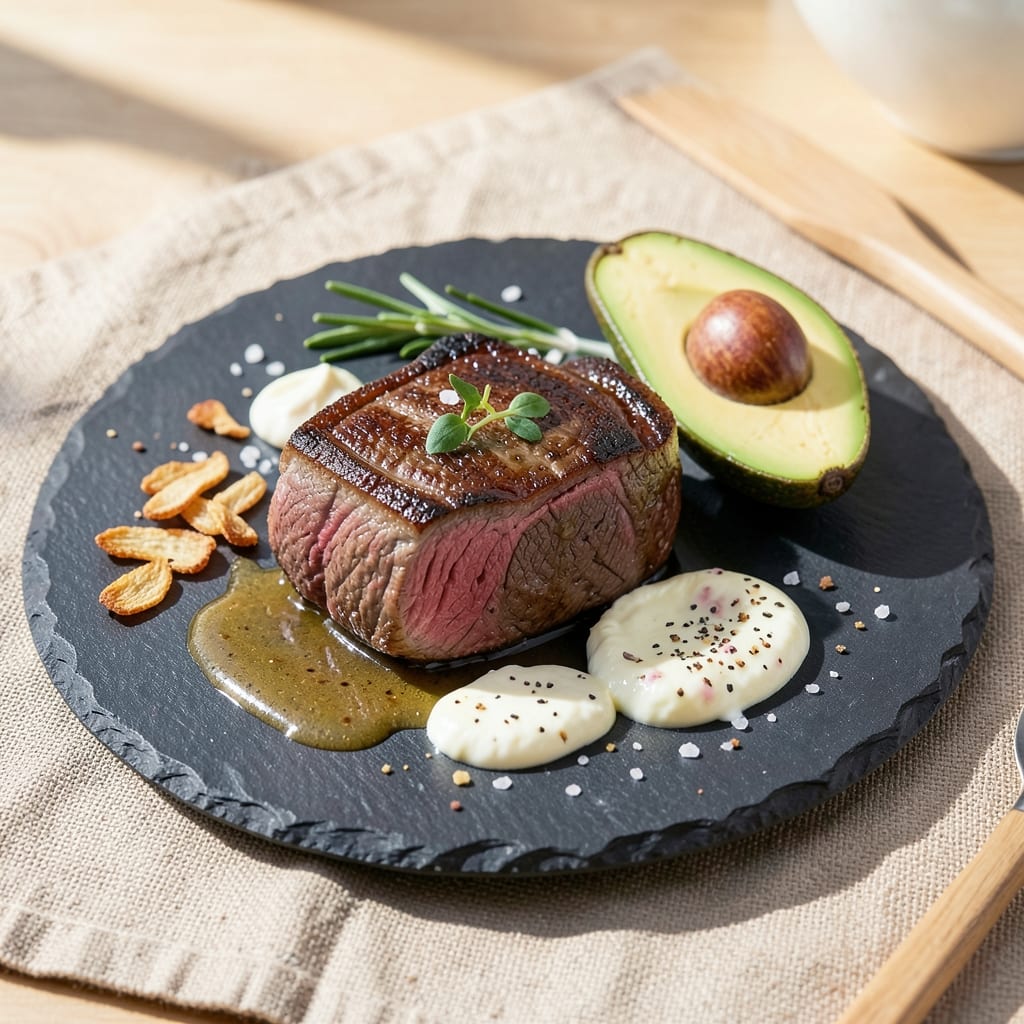
This Angus beef ribeye steak recipe delivers melt-in-your-mouth tenderness with a perfect blue rare core, thanks to a dry-brined crust and precise searing technique. The rich marbling of Angus beef ensures every bite is buttery and flavorful, while a high-heat sear locks in juices for maximum succulence. I’ve perfected this method after years of testing—no guesswork, just restaurant-quality results at home.
The secret lies in the dry-brine (salt the steak 40 minutes before cooking) and reverse sear technique, which guarantees even doneness without overcooking. You’ll need just kosher salt, black pepper, high-smoke-point oil, and patience—no fancy equipment required. The steak rests while you finish with a garlic butter baste, adding a final layer of richness that ties everything together.
What you’ll end up with is a steakhouse-worthy cut—crispy edges, a juicy pink center, and a crust that shatters with every bite. The aroma alone will have everyone gathered around the table, and the flavor? Unmatched. This isn’t just dinner; it’s an experience worth savoring.
Pair it with roasted garlic potatoes or grilled asparagus for a complete meal, and don’t forget the red wine reduction to drizzle over the top. Let’s get cooking—your taste buds will thank you.
Ingredients for angus beef ribeye steak
Buttery marbling and precise technique make this ribeye unforgettable—just eight ingredients for steakhouse perfection.
| Ingredient | Amount | Notes |
|---|---|---|
| Angus Beef Ribeye Steak 🥩 | 1 ½ lb | Center-cut, 1-1.5 inches thick |
| Kosher Salt 🧂 | 1 ½ tbsp | Diamond Crystal preferred |
| Freshly Ground Black Pepper 🌶️ | 1 ½ tsp | Coarse grind for texture |
| Avocado Oil 🫒 | 2 tbsp | High smoke point, 400°F+ |
| Unsalted Butter 🧈 | 4 tbsp | European style preferred |
| Garlic Cloves 🧄 | 4 cloves | Fresh, peeled and smashed |
| Fresh Thyme Leaves 🌿 | ¼ cup | Chopped, stems removed |
| Red Wine 🍷 | ¼ cup | Bold Cabernet Sauvignon |
| Beef Tallow or Duck Fat 🧈 | 1 tbsp | For basting, optional |
| Red Wine Vinegar 🍋 | 1 tbsp | For reduction |
| Fresh Rosemary 🌿 | 2 sprigs | For garnish, optional |
Angus beef is non-negotiable here—look for USDA Prime cuts with thick marbling. Costco or Whole Foods carry excellent center-cut ribeyes, but if you're shopping at a local butcher, ask for a 1.5-inch thick steak from the ribeye cap. The thickness ensures even cooking and that perfect blue rare core. Freshness matters: if the meat smells metallic or has grayish edges, skip it. For the salt, Diamond Crystal dissolves better than Morton, which is crucial for the dry-brine. Pre-grind your pepper too—freshly cracked peppercorns add texture that pre-ground can't match.
No avocado oil? Grapeseed or refined olive oil works just as well, but avoid unrefined olive oil—it burns too easily. Butter substitutes? Ghee or coconut oil for basting, though butter adds that unmatched richness. Short on red wine? Beef stock with a splash of balsamic creates a similar depth. The garlic and thyme can be swapped for rosemary or parsley if you prefer, but keep the ratio—4 cloves of garlic to 0.25 cup thyme is key. For the wine reduction, if you're not using red wine, substitute with beef broth and a pinch of red food coloring for that signature hue.
Salt the steak 40 minutes before cooking—this creates a dry crust that crisps beautifully. Store any unused butter or oil in the fridge for up to 3 months, while fresh herbs keep in a sealed container with a damp paper towel for 5-7 days. The steak itself? Use within 2 days of purchase for peak tenderness. For leftovers (if there are any), slice against the grain and reheat in a 350°F oven for 10 minutes—never microwave, or you'll lose that perfect texture.
Why You'll Love This Recipe
- Five-Ingredient Magic: I swear by this—just salt, pepper, oil, butter, and that perfect ribeye. No chopping, no fuss, just searing and basting while you sip your drink.
- Butter-Basted Bliss: That moment when the butter pools on your plate, golden and fragrant? Pure satisfaction. The ribeye stays juicy inside with a crust so rich, it’s almost sinful.
- Weeknight to Date Night: Same recipe, different vibes. Throw it on for a lazy Friday or dress it up with roasted potatoes for your partner’s birthday. The steak does the heavy lifting.
- Leftovers That Don’t Suck: Cold slices the next day? Still tender, still packed with flavor. I wrap them in foil and reheat in a skillet—no dry, sad steak here. Budget-friendly and foolproof.
Step-by-step instructions for perfectly cooked ribeye steak
Here's how to transform your ribeye into a restaurant-quality masterpiece with buttery marbling and a perfect blue rare core.
Season and Rest the Steak
Remove the ribeye from the refrigerator and pat it dry completely with paper towels—this ensures maximum crust development. Generously coat both sides with the 1.5 tablespoons kosher salt and 1.5 teaspoons freshly ground black pepper, pressing the seasoning into the meat so it adheres evenly. The salt will penetrate the surface and enhance the beef's natural flavors.
Let the seasoned steak sit at room temperature for 45-60 minutes before cooking. This step is crucial—it allows the meat to cook more evenly and prevents a cold center. You'll know it's ready when the steak feels slightly cooler than room temperature to the touch, signaling it's reached the ideal temperature for searing.
Sear the Steak to Develop Crust
Heat a heavy skillet (cast iron works best) over medium-high heat until it's screaming hot. Add 2 tablespoons avocado oil and let it shimmer for 30 seconds. Place the steak in the pan and cook undisturbed for 4 minutes—this creates the coveted crust. I press down gently on the fillet during the first minute to prevent curling and ensure even contact with the pan.
Flip the steak and add 4 tablespoons unsalted butter, 4 smashed garlic cloves, and ¼ cup chopped fresh thyme leaves. Cook for another 3-4 minutes until the internal temperature reaches 120°F for blue rare. The butter should foam and bubble, infusing the steak with rich, aromatic flavors. If the butter starts to brown too quickly, reduce heat slightly to prevent burning.
Baste and Finish with Wine
Remove the steak from the pan and transfer it to a warm plate. Pour ¼ cup bold Cabernet Sauvignon into the hot pan and let it reduce by half over 1-2 minutes, scraping up any browned bits from the bottom. This creates a flavorful pan sauce that will complement the steak beautifully. Add 1 tablespoon red wine vinegar and 1 tablespoon beef tallow or duck fat to enhance depth and richness.
Use a spoon to baste the steak with the wine reduction, coating all sides. This step ensures every bite carries that luxurious, buttery flavor. Let the steak rest for 8-10 minutes before serving—this allows the juices to redistribute, ensuring a tender, juicy bite. The steak should still be slightly warm when you slice into it, maintaining that perfect blue rare core.
Garnish and Serve
Slice the steak against the grain into ½-inch thick portions. Garnish each serving with a sprig of fresh rosemary for an elegant touch. The crust should be deep mahogany brown, the edges caramelized, and the interior should remain cool to the touch with a vibrant red center. Serve immediately with the reduced wine sauce spooned over the top for an unforgettable dining experience.
Each slice should deliver a perfect balance of textures—crispy crust, tender meat, and buttery marbling. The wine reduction adds a touch of acidity that cuts through the richness, making every bite harmonious. Pair with a bold red wine or a simple arugula salad to complete the meal.
Pro Tips For Making Angus Beef Ribeye Steak
- CRANK THE HEAT HIGH: Start your ribeye over screaming-hot avocado oil—anything less and you’ll end up with a sad, steamed slab instead of a caramelized crust. I used to wimp out here, and my steaks always came out gray inside. Now I blast the burner for 30 seconds before adding the meat, and the difference is night and day.
- SALT THE STEAK 40 MINUTES EARLY: Don’t just sprinkle salt right before cooking—get it on the meat 40 minutes ahead and let it sit uncovered in the fridge. This seasoning penetrates deeper, and the crust forms better when you sear it. (Yes, even if you’re impatient like me, resist the urge to rush this.)
- USE A THICK BUTTER SLAB: Skip the pat of butter—melt a full tablespoon of unsalted butter in the pan after searing the steak, then baste it like you’re painting a masterpiece. The fat pools on the meat instead of burning, and the flavor clings like glue. (Pro move: Add a garlic clove while basting if you’re feeling fancy.)
- LET IT REST UNDER FOIL: After resting the steak on a cutting board, drape it loosely with foil for the last 5 minutes of resting. This traps heat and keeps the juices from pooling on the plate. I learned this the hard way—my first ribeye was juicy but lost half its flavor to a soggy plate. (Your knife will thank you too.)
Flavor customization for this recipe
Smoky Chipotle Crust
For a bold, smoky twist, mix 1 tbsp adobo sauce from canned chipotle peppers with ½ tsp smoked paprika and brush it onto the steak after searing. The heat from the pan will caramelize the sugars, creating a deep, smoky crust. I like to add this just before basting with the garlic butter—it adds a layer of complexity that pairs beautifully with the rich beef. 🌶️
Herb-Infused Compound Butter
Swap the plain butter for a compound butter by mixing 4 tbsp softened unsalted butter with 1 tbsp chopped rosemary, 1 tbsp chopped thyme, and 1 minced garlic clove. Roll into a log, chill for 30 minutes, and slice off pats to melt over the steak during the last 2 minutes of cooking. This adds an aromatic depth that elevates the dish effortlessly.
Brown Sugar Glaze Finish
For a sweet and savory contrast, melt 2 tbsp brown sugar with 1 tbsp balsamic vinegar in the pan after searing. Brush this glaze over the steak during the last 1-2 minutes of cooking. The caramelized sugar creates a sticky, glossy finish that balances the richness of the beef. I love this for a slightly sweet note that still feels sophisticated.
Spicy Cajun Rub
Before searing, coat the steak with a mix of 1 tbsp Cajun seasoning (like Tony Chachere’s), ½ tsp cayenne pepper, and ½ tsp garlic powder. This adds a fiery kick that pairs perfectly with the buttery marbling. Let the rub sit for 10 minutes before cooking to help it adhere, and sear as usual. The heat builds as it cooks, making every bite exciting.
Citrus Zest Brightener
Add a burst of freshness by zesting 1 lemon or orange over the steak during the last 30 seconds of resting. The citrus oils brighten the rich flavors and cut through the fat beautifully. I also drizzle a little reduced citrus juice over the top before serving—it’s a simple trick that makes the dish feel lighter and more vibrant. 🍋
Mushroom and Thyme Pan Sauce
After removing the steak, sauté ½ cup sliced cremini mushrooms and 2 tbsp chopped thyme in the same pan for 3-4 minutes until golden. Deglaze with ¼ cup red wine and reduce by half. This earthy, umami-rich sauce adds another layer of depth that complements the steak’s natural flavors. It’s a game-changer for those who love extra texture and complexity.
Nutrition facts
Frequently asked questions about cooking the perfect Angus beef ribeye
What's the ideal thickness for a ribeye steak?
Aim for 1.5-inch thick cuts—this thickness ensures even cooking and that perfect blue rare core. Thinner steaks (1 inch) cook too quickly, while thicker ones (> 2 inches) risk overcooking the exterior before the center reaches your desired doneness. Always ask your butcher for center-cut ribeyes to maximize tenderness.
Why does my ribeye come out dry even when cooked rare?
This usually happens from overworking the meat or skipping the rest time. Never press down on the steak while cooking—it squeezes out juices. Also, always let it rest for 8-10 minutes after cooking; this redistributes juices. Another common mistake is using a thermometer that isn't calibrated properly—always verify with a reliable instant-read thermometer.
Can I cook ribeye steak in the oven instead of pan-searing?
For a reverse sear method, bake the steak at 250°F until it reaches 110°F internally (about 30-40 minutes for 1.5-inch thickness), then finish with a quick sear in a hot pan. This method gives you more control over the internal temperature and creates that perfect crust. Just be sure to use a meat thermometer for accuracy.
How do I know when my steak is done without a thermometer?
For blue rare, press the center gently—it should feel very cool and spring back immediately. A slightly warm center indicates medium rare. The touch test works best with practice, but it's not as reliable as a thermometer. For reference, blue rare is 120°F, medium rare 130°F, and medium 140°F. When in doubt, undercook slightly—steaks continue cooking after removal from heat.
What's the best way to reheat leftover ribeye?
Slice against the grain and reheat in a 350°F oven for 10 minutes—never microwave, as it makes the meat tough. For extra flavor, add a pat of butter and a splash of beef broth to the pan. If you must use the microwave, cook on low power (30%) for 15 seconds max, then immediately transfer to the oven to finish.