
Soups & Stews
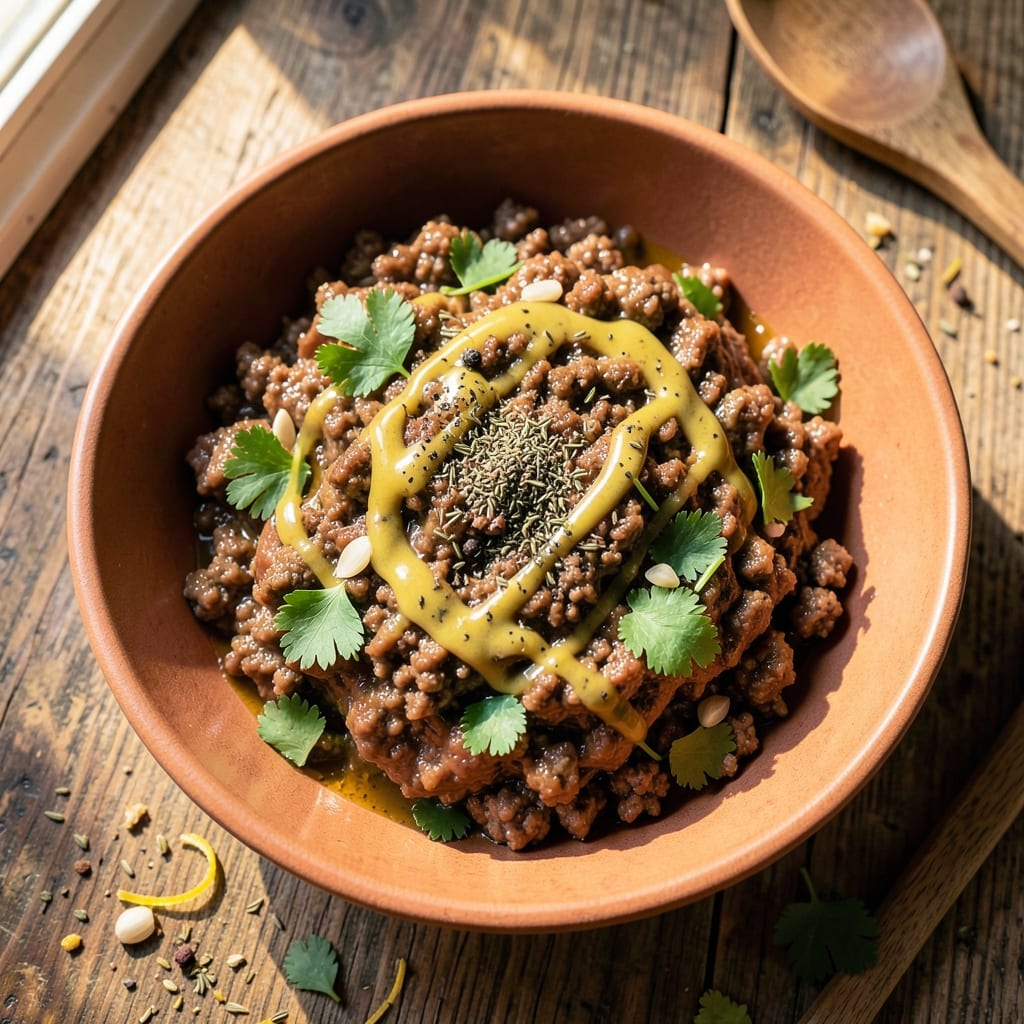
Aussie beef sausage recipe brings the smoky, charred flavor of an Australian BBQ to your backyard—or stovetop—without needing a campfire. These snags (as Aussies call them) are packed with tender beef, aromatic herbs, and just the right amount of spice, delivering that iconic grill-fresh taste with minimal effort. The secret lies in the seasoning blend and proper cooking technique, transforming simple ingredients into a dish that feels like a pub night out.
What sets these sausages apart is their balance of bold flavors and approachable cooking. You’ll start with ground beef, combined with a mix of parsley, garlic, and a touch of mustard for depth, then grilled to develop that signature crust. The result? Juicy, flavorful sausages with a crispy exterior that’s impossible to resist. This recipe delivers restaurant-quality results at home, whether you’re hosting a backyard gathering or simply craving a taste of Australia.
Pair them with classic Aussie sides like grilled vegetables, a fresh tomato salad, or even a warm damper bread to complete the experience. The beauty of this method is its versatility—you can grill them over charcoal, sear them in a cast-iron skillet, or even bake them for a foolproof approach. Every bite carries the essence of an Aussie BBQ, making it a must-try for meat lovers and grilling enthusiasts alike.
Ready in just 30 minutes, these sausages are perfect for weeknight dinners or weekend feasts. The key is patience during cooking to ensure a juicy interior and that coveted crispy exterior. Once you master this recipe, you’ll never settle for store-bought again—it’s that good. Let’s get cooking!
Ingredients for aussie beef sausage
Ground beef, aromatic herbs, and a touch of smoky spice create these iconic Aussie-style sausages.
| Ingredient | Amount | Notes |
|---|---|---|
| Ground Beef 🥩 | 1 ½ lb | 80% lean, finely ground for best texture |
| Fresh Flat-Leaf Parsley 🌿 | ¼ cup | Chopped finely, stems removed |
| Garlic Cloves 🧄 | 4 cloves | Minced finely for even distribution |
| Yellow Mustard 🍯 | 1 tbsp | Dijon preferred for depth of flavor |
| Dried Thyme 🌿 | 1 tsp | Or 1 tbsp fresh thyme leaves |
| Ground Black Pepper 🌶️ | 1 tsp | Freshly cracked for maximum flavor |
| Diamond Crystal Kosher Salt 🧂 | 1 tsp | Adjust to taste after cooking |
| Smoked Paprika 🌶️ | 1 tsp | For authentic Aussie smokiness |
| Extra-Virgin Olive Oil 🫒 | 1 tbsp | For binding and moisture |
| Beer 🍺 | ¼ cup | Light lager or pale ale preferred |
| Caster Sugar 🍬 | 1 tsp | Balances flavors subtly |
| Kitchen Twine 🧵 | 1 piece | For tying sausage casings |
| Natural Pork Casings 🥓 | 1 package | Soaked in water for 30 minutes |
The ground beef is non-negotiable—80% lean gives you that perfect balance of juiciness and texture. Butcher shops often have better-quality ground beef than supermarkets, but the pre-ground packages at Costco or Kroger work perfectly for home cooking. Look for finely ground beef (not coarse) for the most authentic texture. The casings are the trickiest part—natural pork casings from Butcher & Packer online or your local butcher are your best bet. If you can't find them, hollow fiber casings work as a substitute, though they won't give that classic snag texture.
No fresh parsley? Dried parsley at half the amount works in a pinch, though fresh is ideal. Running short on beer? Chicken or vegetable broth adds moisture without altering flavor much. The mustard is key—Dijon mustard gives the best depth, but regular yellow mustard works fine. Want to skip the casings entirely? Shape the mixture into patties and grill them like burgers for a simpler approach. The smoked paprika is what gives these sausages that authentic Aussie BBQ flavor—don't substitute with regular paprika unless you're okay with a milder taste. For extra authenticity, add a pinch of fennel seeds to the mix.
Ground beef keeps best in the coldest part of your fridge for up to 2 days before using. Once made, these sausages freeze beautifully for 3 months—just slice them off the string and pop them in a freezer bag. For best results, grill them fresh, but they reheat well in a skillet or oven. Store any unused casings in the fridge for up to 1 week submerged in water. The twine should be kept in a dry place—it lasts indefinitely. If you're making a big batch, double the recipe and freeze half for later—these sausages taste even better the next day.
Why You'll Love This Recipe
- No-Fuss Mixing: I swear, you can’t mess this up. Just pulse the beef, parsley, garlic, and thyme in a food processor—no kneading, no fuss—then fold in that mustard. It’s the kind of recipe where the hardest part is deciding whether to make them today or tomorrow.
- Herb-Packed Punch: That bright parsley and thyme cut through the richness of the beef, while the mustard adds a tangy kick. Honestly, the garlic doesn’t just hint at flavor—it demands attention in the best way. One bite and you’ll forget store-bought ever existed.
- Weeknight to BBQ Hero: Slap these on the grill for a summer cookout or pan-fry them for a lazy Tuesday. They’re just as happy in a sandwich as they are alongside roasted veggies. My kids grab them straight from the plate—no questions asked.
- Budget-Friendly Bulk: A pound of beef stretches far, and the rest of the ingredients cost pennies. Double the batch, freeze half, and thank me later when you’re pulling them out for a last-minute dinner. Zero waste, maximum flavor for the price.
Step-by-step instructions for Aussie beef sausages
Here's the professional method for crafting authentic Aussie-style sausages with smoky depth and perfect texture.
Prepare the Meat Filling
In a large mixing bowl, combine the 1.5 lb ground beef with the 1 tbsp extra-virgin olive oil. This oil acts as a binder and helps distribute flavors evenly throughout the mixture. Using your hands, break up any large chunks of meat until you achieve a uniform, crumbly texture—this ensures even cooking and prevents dense spots in your sausages.
Next, add the 1 tbsp yellow mustard, 1 tsp dried thyme, 1 tsp ground black pepper, 1 tsp diamond crystal kosher salt, 1 tsp smoked paprika, and 1 tsp caster sugar. Mix thoroughly with your hands, pressing the spices into the meat to fully incorporate them. The sugar balances the savory flavors while the smoked paprika delivers that authentic Aussie smokiness without needing a grill.
Soak and Prepare the Casings
While the meat mixture rests, prepare the natural pork casings by soaking them in warm water for 30 minutes. This step is critical—it softens the casings and prevents them from tearing when you stuff the sausage mixture. After soaking, rinse the casings under cold water and drain them well. You can use a sausage stuffer or a funnel to fill them, but I prefer using a sausage maker for precision.
Thread about 6 feet of the soaked casings onto the sausage stuffer or funnel. Leave about 6 inches of casing empty at the end to tie off later. The casings should be pliable but not overly stretchy—this ensures your sausages hold their shape during cooking.
Stuff the Sausages
Place the meat mixture into the sausage stuffer or funnel and begin filling the casings. Work in a well-lit area so you can see the filling process clearly. Stuff the mixture firmly but evenly, twisting the casings gently as you go to create individual links. Aim for sausages about 6-8 inches long, leaving space between each link for easy separation later. Once you reach the end of the casing, tie it off securely with the kitchen twine to seal the last sausage.
For best results, prick each sausage lightly with a clean needle or skewer to allow any excess air to escape. This prevents bloating during cooking and ensures even browning. Cover the stuffed sausages with a damp towel and refrigerate for at least 1 hour before cooking. This resting period allows the flavors to meld and the casings to firm up slightly.
Cook the Sausages to Perfection
Preheat your grill or grill pan to medium-high heat. The sausages should sizzle gently when placed on the grill—this indicates the right temperature for achieving a crispy exterior without burning. Cook the sausages for 12-15 minutes, turning occasionally, until they reach an internal temperature of 160°F. You'll know they're done when the casings develop a deep golden-brown color and the meat feels firm to the touch.
For extra flavor, brush the sausages with 0.25 cup beer during the last 2 minutes of cooking. The alcohol will evaporate, leaving behind a subtle depth of flavor that complements the smoky spices. Remove the sausages from the grill and let them rest for 5 minutes before serving. This resting period ensures the juices redistribute, keeping each bite moist and flavorful.
Serve with Fresh Herbs
While the sausages rest, finely chop the 0.25 cup fresh flat-leaf parsley and mix it with the 4 cloves minced garlic cloves. This herb-garlic blend adds a bright, fresh contrast to the rich, smoky sausages. Serve the sausages sliced or whole, garnished with the parsley-garlic mixture. The combination of smoky, savory sausages with fresh herbs creates a balanced, restaurant-quality dish that captures the essence of Aussie barbecue.
For an authentic touch, pair these sausages with grilled vegetables, crusty bread, or a simple side salad. The smoky paprika and beer-infused flavor will shine, making these sausages a standout centerpiece for any meal.
Pro Tips For Making Aussie Beef Sausage
- CHILL THE MEAT FIRST: Take your ground beef out of the fridge 15 minutes before shaping—it’s easier to handle and won’t stick to your hands. I used to skip this and ended up with a greasy mess every time.
- MINCE THAT GARLIC FINE: No food processor? Use a knife and smash the cloves flat with the heel of your hand first, then chop. Coarse garlic just won’t cut it—you want this to disappear into the beef, not sit as chunks.
- DON’T OVERWORK THE DOUGH: Once you mix in the mustard and thyme, handle the meat just enough to combine—over-kneading makes sausages dense. I learned this after squishing mine into hockey pucks by accident.
- USE COLD MUSTARD: Scoop the yellow mustard straight from the fridge—it binds better and won’t turn the mixture greasy. Warm mustard = sad sausages. Trust me, this small step makes a real difference.
Flavor customization for this dish
Spice Level Control
Adjust the heat by tweaking the smoked paprika and adding ½ tsp cayenne pepper for a kick, or swap it for 1 tsp sweet paprika for a milder flavor. I often start with the original recipe, then let guests customize their plates with extra chili flakes or hot sauce. For a smoky-sweet balance, add 1 tsp brown sugar alongside the caster sugar. 🌶️
Herb Variations
Swap the parsley for fresh rosemary or thyme for an earthier profile, or add 1 tsp dried oregano to the mix. I’ve also experimented with fennel seeds (½ tsp) for a subtle licorice note, which pairs beautifully with the beer. Fresh herbs should always be finely chopped to distribute flavor evenly.
Beer Swaps
Use stout beer for a richer, darker sausage or wheat beer for a lighter, slightly sweet touch. Avoid hoppy IPAs—they can overpower the meat. For a non-alcoholic option, substitute with apple cider vinegar (2 tbsp) mixed with ¼ cup water. The acidity mimics beer’s depth without the alcohol. 🍺
Texture Tweaks
For extra juiciness, add 1 tbsp grated onion or 1 tbsp finely chopped apple to the mix—both keep the meat moist during cooking. If you prefer a firmer bite, reduce the olive oil to ½ tbsp and add 1 tbsp breadcrumbs instead. This works especially well if you’re grilling over high heat.
Global Fusion Twists
Infuse the mix with 1 tsp ground coriander and ½ tsp cumin for a Middle Eastern-inspired twist, or add 1 tbsp soy sauce for an Asian-inspired umami boost. I’ve also tried a Cajun version with ½ tsp smoked paprika + ½ tsp cayenne, which adds a spicy kick. The beer still ties everything together beautifully.
Nutrition facts
Frequently asked questions
Can I make these sausages without natural casings?
Yes! If you can't find natural pork casings, shape the meat mixture into 4-6 patties (about ½-inch thick) and grill them like burgers. Cook for 10-12 minutes on medium-high heat, flipping once. For a more authentic look, wrap each patty in a strip of bacon before grilling—it'll crisp up beautifully and mimic the casing texture.
How do I store leftover sausages?
Store cooked sausages in an airtight container in the fridge for up to 4 days. Reheat gently in a skillet over medium heat for 3-4 minutes or until warmed through. For longer storage, freeze them for up to 3 months. Thaw overnight in the fridge before reheating—never microwave from frozen. The texture holds up best when reheated slowly.
What's the best way to grill these sausages?
Use medium-high heat to get that perfect crispy crust without burning. For even cooking, preheat your grill for 10-15 minutes and clean the grates with a brush. Place sausages directly on the grates (no oil needed) and cook for 12-15 minutes, turning every 3-4 minutes. For extra smokiness, add wood chips (like hickory or applewood) to your grill 5 minutes before cooking.
Can I substitute the beer with something else?
For a non-alcoholic option, use ¼ cup apple cider vinegar + ¼ cup water to mimic beer's acidity. Or try ¼ cup chicken broth for a neutral flavor. If you prefer beer, any light lager or pale ale works best—avoid hoppy IPAs as they can overpower the meat. The liquid adds moisture and helps develop the sausage's flavor during cooking.
Why did my sausages turn out dry?
Overcooking is the most common cause—sausages are done at 160°F internal temp, not 165°F. Use a meat thermometer to check! Also, avoid preheating the grill too hot (stick to medium-high). For extra juiciness, add 1 tbsp grated onion or 1 tbsp finely chopped apple to the meat mix before stuffing. The resting period (5 minutes after cooking) is crucial—skip it and you'll lose those precious juices.