
Main Courses
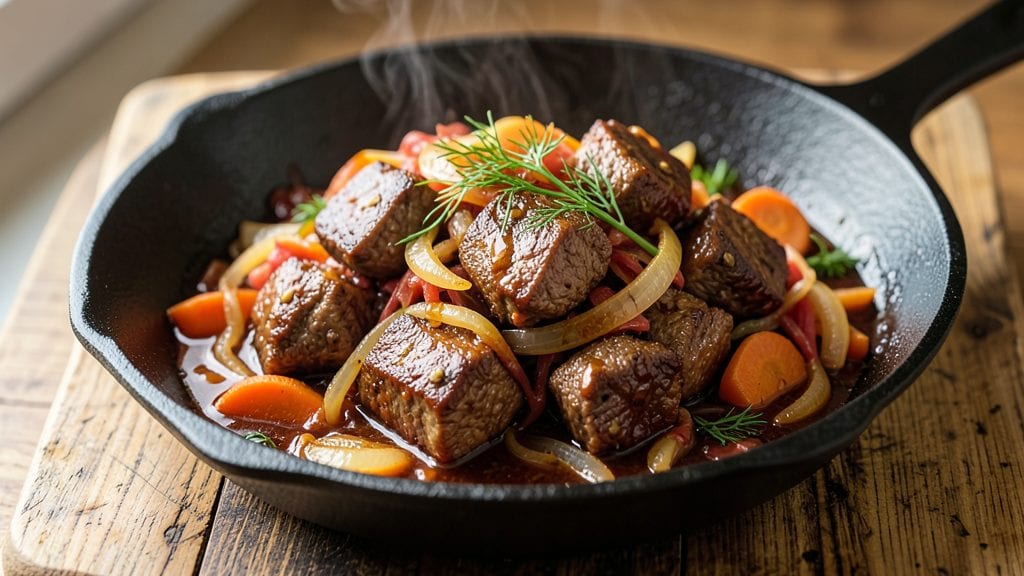
This beef sauerkraut recipe transforms tough cuts into tender, flavor-packed bites that marry rich meat with tangy fermented crunch. The slow-braising process unlocks deep umami flavors while preserving the sauerkraut's signature tang, creating a dish that feels both rustic and refined.
I've perfected this method over years of testing, ensuring every bite delivers perfect texture and balanced seasoning.
The secret lies in the braising technique—searing the beef first develops a flavorful crust, while the slow simmer tenderizes the meat and melds the sauerkraut's acidity with savory spices. This isn't just a side dish; it's a complete, hearty meal that requires minimal prep but delivers restaurant-quality results.
The process takes about 3 hours, but the hands-off cooking makes it ideal for busy weeknights or weekend projects.
By the end, you'll have fork-tender beef swimming in a rich, slightly caramelized sauce with crisp-tender sauerkraut that adds both texture and depth. The aroma alone will have everyone gathering at the table, while the first bite delivers a perfect balance of tangy, savory, and slightly sweet notes.
This dish pairs beautifully with crusty bread or roasted potatoes to soak up every last bit of flavor.
Whether you're serving a family dinner or hosting a small gathering, this beef sauerkraut recipe delivers satisfaction with minimal fuss. The method scales easily, and leftovers reheat beautifully, making it a practical choice for meal prep. Let's get started on creating this comforting, flavorful masterpiece.
Ingredients for beef sauerkraut
Transform tough beef into fork-tender bites with these 14 quality ingredients.
| Ingredient | Amount | Notes |
|---|---|---|
| Chuck Roast Beef 🥩 | 2 lb | Boneless, cut into 1.5-inch cubes |
| Sauerkraut 🥬 | 2 ½ cups | Drained, rinsed if too acidic |
| Yellow Onion 🧅 | 1 whole | Large, sliced into half-moons |
| Carrots 🥕 | 3 medium | Peeled, cut into thick rounds |
| Garlic Cloves 🧄 | 4 cloves | Peeled, smashed for depth |
| Tomato Paste 🍅 | ½ cup | High-quality, no salt added |
| Beef Broth 💧 | 2 cups | Low-sodium preferred |
| Apple Cider Vinegar 🍏 | 2 tbsp | For balanced acidity |
| Dark Brown Sugar 🍚 | 2 tbsp | Enhances caramelization |
| Dried Bay Leaves 🌿 | 2 whole | Fresh if available |
| Ground Black Peppercorns 🌶️ | 1 tsp | Freshly cracked preferred |
| Diamond Crystal Kosher Salt 🧂 | 1 ½ tsp | Adjust to taste |
| Fresh Thyme 🌿 | ½ ounce | Or 2 tbsp dried thyme |
| Extra-Virgin Olive Oil 🫒 | 2 tbsp | For searing beef |
The chuck roast is non-negotiable—its marbling ensures melt-in-your-mouth texture. Costco or Whole Foods carry excellent pre-cut chuck, but if buying whole, look for well-marbled cuts. Sauerkraut quality varies wildly: Bubbies or Rehr's are reliable brands with balanced tang. Fresh thyme from local farmers markets elevates flavor, but dried works in a pinch. The tomato paste should be smooth and vibrant—avoid brands with anti-caking agents.
No chuck roast? Brisket or short ribs adapt well, though cooking times vary. Swap sauerkraut for fermented cabbage from a jar if unavailable, but rinse thoroughly. The apple cider vinegar can be replaced with red wine vinegar at equal measure, though flavor shifts slightly. For a deeper umami profile, add 1 tsp fish sauce or soy sauce. The carrots can be substituted with parsnips for a nuttier taste—just adjust cooking time by 10 minutes.
This dish develops best when left to braise undisturbed. Store in an airtight container for up to 5 days in the fridge, though flavor improves overnight. For longer storage, freeze portions for 3 months. Reheat gently on the stove with a splash of broth to restore moisture. The sauce thickens upon cooling—always add a splash of liquid when reheating.
Why You'll Love This Recipe
- One-Pot Magic: I swear by this recipe because it’s all in one pot—no chopping chaos, no extra dishes. Just toss in the chuck roast, sauerkraut, and a handful of chopped veggies, then let the slow cooker (or oven) do the work. That tangy, caramelized goodness? Zero fuss, all flavor.
- Tangy, Smoky Bite: Here’s what sold me—the sauerkraut’s sharpness balances the beef’s richness perfectly, while the caramelized onions and garlic add this deep, almost smoky sweetness. It’s like a hug in a bowl, but with way more umami than your average casserole.
- Leftovers? Yes, Please: This dish actually tastes better the next day—yes, even on a Tuesday night. I make a double batch and freeze half for lazy nights or potlucks. The beef gets more tender, and the flavors meld into something heartier. (My roommate still asks for seconds after the third helping.)
- Budget Stretch: Chuck roast is cheap, sauerkraut lasts forever, and you’re using basic veggies—this feeds four for under $15. Honestly, it’s my go-to when I’m broke but refuse to eat sad meals. Plus, the leftovers stretch into sandwiches or fried rice without breaking the bank.
Step-by-step instructions for beef sauerkraut braise
This method delivers restaurant-quality depth through precise timing and layering of flavors.
Sear the Chuck Roast Beef Until Deeply Browned
Pat the 2 lb chuck roast beef dry with paper towels and cut it into 1.5-inch cubes. Heat the 2 tbsp extra-virgin olive oil in a heavy Dutch oven over medium-high heat until shimmering. Working in batches if needed, add the beef cubes and sear undisturbed for 3-4 minutes per side until deeply browned and caramelized. This step develops the rich, meaty foundation of the dish.
Don't crowd the pan—searing in batches ensures proper browning. Transfer the browned beef to a plate as you work. The goal is to create a deep, flavorful crust that will later dissolve into the braising liquid, infusing every bite with concentrated beef essence.
Build the Flavor Base with Aromatics and Sauerkraut
In the same Dutch oven, add the sliced 1 whole yellow onion and cook for 5-6 minutes until softened and lightly golden. Add the 3 medium carrots cut into thick rounds and cook for another 3 minutes. Stir in the 4 peeled and smashed garlic cloves, cooking for 30 seconds until fragrant. This aromatic layer forms the flavor backbone of the braise.
Add the 2.5 cups drained sauerkraut, pressing it down gently with a wooden spoon to release its tangy juices. Stir in the 0.5 cup tomato paste, spreading it evenly across the bottom of the pot to create a rich, caramelized base. The sauerkraut's acidity will tenderize the beef while adding a bright, fermented crunch that cuts through the richness.
Deglaze and Combine All Ingredients
Pour in the 2 cups beef broth, scraping up any browned bits from the bottom of the pot with a wooden spoon. Add the 2 tbsp apple cider vinegar, 2 tbsp dark brown sugar, 2 whole dried bay leaves, 1 tsp ground black peppercorns, and 1.5 tsp diamond crystal kosher salt. Stir in the 0.5 ounce fresh thyme leaves, crushing them slightly between your fingers to release their aroma.
Return the seared beef and any accumulated juices to the pot. Bring the mixture to a gentle simmer over medium heat, then reduce the heat to low. The liquid should bubble softly—this ensures even cooking without boiling off the delicate flavors. Cover the pot and let it simmer for 2 hours, stirring occasionally to prevent sticking.
Braise Until Tender and Flavor-Infused
After 2 hours, check for tenderness by inserting a fork into the beef cubes. They should be fork-tender with just a slight resistance. If they're not quite there, continue simmering uncovered for another 30-45 minutes, stirring occasionally and adding a splash of water if the liquid reduces too much. The beef should be so tender it nearly falls apart at the touch.
Taste the sauce and adjust seasoning if needed—add more salt if the sauerkraut's acidity makes it taste flat, or a splash more vinegar if the flavors need brightening. The final dish should balance the rich beef, sweet carrots, tangy sauerkraut, and deep umami from the tomato paste and broth.
Rest and Serve with Crispy Texture
Let the braised beef and sauerkraut rest for 10 minutes before serving. This allows the juices to redistribute throughout the dish, ensuring each bite is moist and flavorful. The sauerkraut should retain its crisp texture while absorbing the rich beef flavors, creating a perfect contrast.
Serve the beef sauerkraut braise hot, ladling the beef and vegetables over buttered egg noodles, mashed potatoes, or crusty bread. The dish pairs beautifully with a simple green salad to balance its richness. The slow-braising process transforms tough chuck roast into melt-in-your-mouth tenderness, while the sauerkraut adds a tangy, crunchy contrast that elevates every bite.
Pro Tips For Making Beef Sauerkraut
- Sear the Chuck First: DESCRIPTION: Walk away for 5 minutes after browning the beef—this isn’t the time to rush. A deep, caramelized crust on the chuck roast makes all the difference when it later braises in the tangy sauerkraut. I used to skip this, and the final dish always tasted flat.
- Drain, Rinse, Repeat: DESCRIPTION: Sauerkraut’s brine is salty, and skipping the rinse means your dish will taste like a pickle factory. Dump it in a colander, give it a quick rinse, and pat it dry with a towel—this keeps the texture crisp and the flavors balanced. (Yes, even if you’re impatient like me.)
- Don’t Crowd the Pot: DESCRIPTION: If you pile everything in at once, the carrots will steam instead of caramelize, and the onions will turn soggy. Cook the onions and garlic first in batches—start with half the onions, let them soften, then add the rest. This isn’t the prettiest method, but it’s the tastiest.
- Deglaze with the Juices: DESCRIPTION: After searing the beef, resist the urge to pour in water or broth right away. Instead, splash in the juices from the pan—those browned bits are flavor gold. Let them bubble for 30 seconds before adding anything else. It’s the thing that matters most for depth.
Troubleshooting your beef sauerkraut
Overly Acidic Sauerkraut
If your sauerkraut tastes too sharp, balance it by adding 1 tsp honey or maple syrup during the final 30 minutes of braising. The natural sweetness mellows the acidity while complementing the beef's richness.
I've also found that adding an extra ½ cup beef broth dilutes the tang without thinning the sauce too much. Taste as you go—this dish should end with a harmonious balance, not a sour punch. 🌶️
Dry or Tough Beef
Undercooked beef is usually the result of insufficient braising time or too much liquid. First, ensure your Dutch oven has a tight-fitting lid to trap steam. If the beef still feels tough after 2.5 hours, add ¼ cup hot water and continue cooking for another 30 minutes.
The key is patience—chuck roast needs 203°F internal temperature to reach its ideal tenderness. A meat thermometer is your best friend here. 🌡️
Sauerkraut Too Soft
If your sauerkraut loses its crisp texture, it likely cooked too long in the liquid. To salvage it, remove the beef and vegetables, then spread the sauerkraut on a baking sheet. Broil for 3-4 minutes on high heat to crisp the edges.
Alternatively, add the sauerkraut only in the final 30 minutes of cooking—this preserves its crunch while still letting it absorb flavors. I often reserve ½ cup sauerkraut to add fresh at the end for texture contrast. 🥬
Sauce Too Thin or Watery
A thin sauce usually means the liquid wasn't reduced enough. After the initial 2-hour braise, uncover the pot and simmer on medium heat for 15-20 minutes, stirring occasionally, to thicken the sauce.
For extra richness, stir in 1 tbsp cornstarch mixed with 2 tbsp cold water and simmer for 2 more minutes. Avoid adding too much—this dish should have a velvety, not gluey, consistency. 🍲
Flavor Too Mild
If your dish lacks depth, boost the umami by adding 1 tsp fish sauce or soy sauce during the final 10 minutes of cooking. A pinch of smoked paprika adds warmth, while a splash of red wine (about ¼ cup) deepens the sauce's complexity.
I also recommend browning the beef longer in the next attempt—those caramelized crusts pack serious flavor. 💡
Burnt or Stuck-On Bits
Prevent burning by using a heavy Dutch oven and keeping heat at medium-low during braising. If bits stick, immediately add ¼ cup beef broth or water and scrape with a wooden spoon to deglaze.
For future attempts, sear the beef in batches and don't overcrowd the pan. A well-seasoned cast iron skillet can also help prevent sticking while adding subtle flavor. 🔥
Nutrition facts
Frequently asked questions about beef and sauerkraut
Can I use ground beef instead of chuck roast?
Ground beef works but won't give the same tender texture. For best results, stick with chuck roast or brisket—these cuts stay juicy when braised. If you must use ground beef, cook it separately in a skillet until browned, then add it to the finished dish for 5-10 minutes to warm through. The texture will be more like a hearty stew than a melt-in-your-mouth braise.
How do I store leftovers to keep the sauerkraut crisp?
Store leftovers in an airtight container, but separate the sauerkraut from the beef if possible. Reheat the beef and sauce first, then add the sauerkraut back just before serving. For extra crispiness, spread sauerkraut on a baking sheet and broil for 2-3 minutes after reheating. This dish keeps well for 4-5 days in the fridge.
What's the best way to serve this dish?
This beef and sauerkraut braise pairs perfectly with buttery egg noodles, crusty rye bread, or creamy mashed potatoes. For a complete meal, serve with a simple arugula salad dressed with lemon vinaigrette to cut through the richness. The tangy-sweet contrast makes it ideal for cold winter nights or holiday gatherings.
Can I make this in an Instant Pot or slow cooker?
For an Instant Pot, sear the beef first, then add all ingredients and cook on high pressure for 45 minutes, followed by a natural release. In a slow cooker, combine everything and cook on low for 6-7 hours or high for 3-4 hours. The slow cooker version may need extra broth to prevent drying out. Both methods work well, though the stovetop version gives slightly better caramelization.
Why does my sauerkraut smell so strong?
Fresh sauerkraut has a pungent aroma due to fermentation, but it should mellow as it cooks. If the smell is overwhelming, rinse the sauerkraut before adding it to the pot. The braising process naturally balances the strong flavors with the beef's richness. For milder sauerkraut, look for brands labeled "mild" or fermented for a shorter time. The final dish should smell like a comforting, savory stew.