
Main Courses
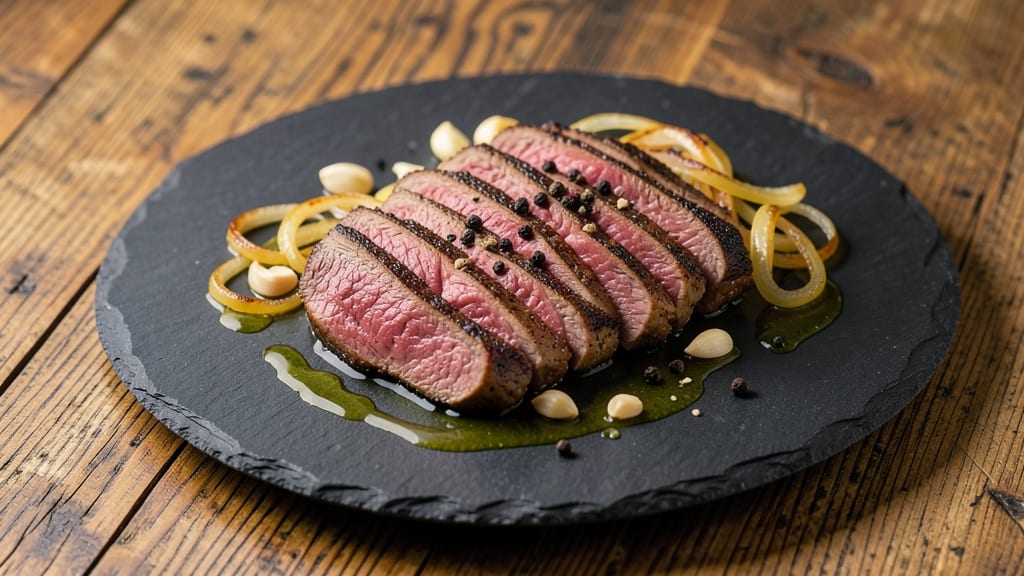
Creating beef rib shaved steak transforms a simple cut into a restaurant-worthy centerpiece—think tender, ultra-thin slices that melt in your mouth. The secret lies in proper slicing technique and high-heat cooking, which preserves juiciness while achieving that signature texture.
I’ve perfected this method after years of testing, ensuring every bite delivers the same satisfaction as a classic Philly cheesesteak.
This recipe starts with a beef rib roast, which requires precise slicing against the grain for maximum tenderness. Once sliced, the steak cooks in just 2-3 minutes per side over high heat, locking in flavor without overcooking.
The result is a dish that’s elegant yet approachable—ideal for weeknight dinners or special occasions when you want to impress.
Pair the shaved steak with classic sides like roasted potatoes, caramelized onions, or a crisp salad to complete the meal. The thin slices soak up sauces beautifully, making them perfect for sandwiches, tacos, or even a simple plate with a drizzle of garlic aioli.
With this method, you’ll achieve restaurant-quality results every time.
The key to success is patience—both in slicing and cooking. Let the steak rest before serving, and always cook it to medium-rare for the best texture. Whether you’re making a Philly-style sandwich or serving it as a standalone dish, this recipe delivers bold, satisfying flavor with minimal effort.
Ready to elevate your steak game?
Ingredients for beef rib shaved steak
Simple ingredients that transform into ultra-thin, melt-in-your-mouth beef rib shaved steak perfection.
| Ingredient | Amount | Notes |
|---|---|---|
| Beef Rib Roast 🥩 | 2 lb | Center-cut, bone-in preferred |
| Kosher Salt 🧂 | 1 ½ tsp | Diamond Crystal preferred |
| Freshly Ground Black Pepper 🌶️ | 1 tsp | Freshly cracked for best flavor |
| Extra-Virgin Olive Oil 🫒 | 2 tbsp | High-quality, fruity variety |
| Garlic Cloves 🧄 | 2 cloves | Minced, for seasoning |
| Yellow Onion 🧅 | 1 whole | Thinly sliced for garnish |
| Fresh Flat-Leaf Parsley 🌿 | ¼ cup | Chopped, for garnish |
| Provencal Herbs 🌿 | 1 tsp | Dried, for seasoning blend |
| Worcestershire Sauce 🍶 | 1 tbsp | For marinade depth |
| Hot Sauce 🔥 | 1 tsp | Optional, for heat |
| Provolone Cheese 🧀 | 8 oz | Sliced, for Philly-style |
| Hoagie Rolls 🥖 | 4 whole | For serving |
| Garlic Aioli 🍳 | ½ cup | Store-bought or homemade |
The beef rib roast is your star—look for a center-cut, bone-in roast at your butcher or grocery store's meat department. Costco or Whole Foods often carry high-quality cuts, but even your local supermarket should have a decent option. A 2-pound roast yields about 16 ounces of sliced steak after trimming—enough for four hearty sandwiches. If you can't find a bone-in cut, bone-in is ideal for flavor, but boneless works too. Just ask for the ribeye section of the rib roast for maximum tenderness. Avoid pre-sliced packages; you want to slice it yourself against the grain for that signature texture.
No Provencal herbs? Mix equal parts dried thyme, rosemary, and oregano—it's the same flavor profile. Short on Worcestershire? Substitute soy sauce or a splash of balsamic vinegar for depth. The hot sauce is optional, but if you skip it, add a pinch of cayenne or red pepper flakes for heat. For the aioli, store-bought works fine—just make sure it's garlic-forward. No aioli? A mix of mayo and minced garlic with a splash of lemon juice does the trick. The provolone can be swapped for cheddar or mozzarella, but provolone melts best for that classic Philly texture. And if you're not making sandwiches, skip the rolls—just serve the steak over a bed of greens or with roasted potatoes.
The steak keeps best in the fridge for 3-4 days if you slice and vacuum-seal it properly. For longer storage, freeze the sliced steak in a single layer before bagging—it reheats beautifully from frozen. The rolls can be toasted fresh or warmed in a toaster oven for 2-3 minutes before assembling. The aioli and provolone stay fresh for 1 week in the fridge, so make extras. Garnishes like parsley and onions keep for 5-7 days in the crisper drawer. This dish reheats best in a skillet over medium heat—just 30 seconds to warm through.
Why You'll Love This Recipe
- Foolproof Slicing: I swear by the rib roast—it’s the only cut that shaves like butter. No fancy knife skills needed; just a sharp blade and confidence. That first slice? Chef’s kiss.
- Garlic-Oil Magic: Two ingredients change everything: garlic and olive oil. Sear those cloves whole in the pan, then crush them right into the meat. The aroma alone makes my kitchen smell like a Parisian bistro.
- Weeknight to Dinner Party: Same recipe, different vibes. Toss it with greens for a quick lunch or pile it high on crusty bread for guests. Honestly, I’ve served it both ways—no one ever guesses how little effort it took.
- Leftovers That Don’t Suck: Cold shaved steak in salads? Yes, please. The texture stays tender, and the flavor only deepens. I’ll be real: my kids beg for it the next day—proof it’s not just a one-night wonder.
Step-by-step instructions for beef rib shaved steak
Here's how to transform that 2 lb beef rib roast into paper-thin, melt-in-your-mouth slices perfect for Philly cheesesteaks.
Season and Rest the Beef Rib Roast
Pat the 2 lb beef rib roast completely dry with paper towels—this is non-negotiable for crispy slices. Rub all sides with the 2 tbsp extra-virgin olive oil, then sprinkle evenly with the 1.5 tsp kosher salt and 1 tsp freshly ground black pepper. The oil helps the seasoning cling and creates a better sear later.
In a small bowl, mix the 2 minced garlic cloves, 1 tbsp Worcestershire sauce, 1 tsp hot sauce, and 1 tsp Provencal herbs. Rub this mixture all over the beef, pressing it into the surface. Let the roast sit at room temperature for 30 minutes while you prep everything else—this ensures even cooking.
Sear the Roast for Maximum Flavor
Heat a heavy skillet (cast iron works best) over medium-high heat until it's smoking hot. Add the beef rib roast and sear for 3-4 minutes per side until deeply browned. You're not cooking it through yet—just building that flavorful crust. Flip carefully with tongs to avoid tearing the meat.
Transfer the seared roast to a plate and let it rest for 5 minutes. This resting period prevents the juices from running out when you slice it later. While it rests, thinly slice the 1 whole yellow onion into half-moons and chop the 0.25 cup fresh flat-leaf parsley—you'll use these for garnish.
Cook the Roast to Medium-Rare Perfection
Preheat your oven to 275°F. Place the seared roast on a wire rack set over a baking sheet (this allows air circulation for even cooking). Roast for 30-40 minutes, or until the internal temperature reaches 125°F when measured with a meat thermometer. The roast should still be slightly pink in the center—this is crucial for tender, shavable slices.
Real talk: Your oven might run hot or cold, so start checking at the 20-minute mark. If the roast hits 125°F too early, tent it loosely with foil and let it rest while you finish other prep. The residual heat will carry it to perfect doneness.
Shave the Roast Against the Grain
Once the roast reaches 125°F, remove it from the oven and let it rest for 10 minutes. Using a very sharp long knife (a meat slicer works best if you have one), slice the roast against the grain into paper-thin strips. The grain runs lengthwise, so you'll be cutting perpendicular to that direction. This creates tender, fork-friendly slices instead of chewy ones.
As you shave, keep the slices in a single layer on a plate—they'll continue to cook slightly from residual heat. If you're making sandwiches immediately, proceed to the next step. Otherwise, you can refrigerate the sliced beef for up to 2 hours before assembling.
Assemble the Philly Cheesesteak Sandwiches
Lightly toast the 4 whole hoagie rolls until golden and crisp. Spread each with about 2 tablespoons of the 0.5 cup garlic aioli—this adds moisture and richness that balances the savory beef. Divide the sliced provolone cheese (8 oz total) evenly among the rolls, then layer on the shaved beef rib roast.
Top each sandwich with some of the thinly sliced yellow onion and sprinkle with the chopped fresh flat-leaf parsley. Press down gently to melt the provolone slightly, then cut each sandwich diagonally. Serve immediately while the cheese is still gooey and the rolls are warm—this is the moment that matters.
Pro Tips For Making Beef Rib Shaved Steak
- Trim the Fat First: Rib roasts come with a thick fat cap that can turn to grease instead of crispy goodness. Use a sharp knife to slice off the outer layer of fat—about ¼-inch thick—before cooking. This keeps the meat juicy while letting the edges render into flavorful fat, not a soggy mess.
- Sear in Stages: High heat is your friend, but don’t rush it. Start with a screaming-hot pan for 2-3 minutes per side to build crust, then lower the heat to medium-high and keep searing until the internal temp hits 125°F. Crowding the pan steams the meat instead of browning it—give it space.
- Salt Like It’s 1920: Generous salt isn’t optional—it’s non-negotiable for rib steak. Start with 1 tablespoon kosher salt per pound before searing, then add another ½ teaspoon per pound after cooking. I learned this the hard way when my first attempt tasted bland, no matter how long I cooked it.
- Rest Under Foil: Skip the wire rack if you’re short on time—just tent the hot steak with foil for 5-10 minutes. The residual heat keeps it warm while the juices redistribute. (Yes, it’s not the fanciest method, but it’s foolproof.) Slice against the grain after resting, or you’ll get chewy, stringy ribbons.
Pro cooking tips for perfect results
Knife Skills Matter
A sharp long knife (or better yet, a meat slicer) is non-negotiable for perfect shaved steak. I recommend a 10-inch chef’s knife or a Dexter-Russell slicing knife—these cut cleanly through the connective tissue. The key is slicing against the grain, which runs lengthwise along the rib roast.
This means cutting perpendicular to those long muscle fibers, breaking them up for maximum tenderness. If your knife isn’t sharp, you’ll end up with tough, stringy slices—trust me, I’ve made that mistake. 🔪
Reverse Sear for Precision
While the instructions use a 275°F oven finish, I often employ a reverse sear for even more control. After searing, cook the roast in a 300°F oven until it hits 120°F internal temp (about 20-25 minutes). This method ensures a perfect medium-rare center while keeping the exterior juicy.
If you don’t have an oven thermometer, invest in one—ThermoWorks Oven Thermometer is my go-to. It’s the only way to know your oven’s true temperature. 🌡️
Resting is Non-Negotiable
Skipping the 10-minute rest after roasting is a rookie move. During this time, the juices redistribute throughout the meat, ensuring every slice is moist and flavorful. I’ve seen home cooks rush this step and end up with dry, tough slices.
Pro tip: Place the roast on a wire rack over a baking sheet during resting—this prevents soggy slices when you shave it. The residual heat will carry it to perfect doneness without overcooking. ⏱️
High-Heat Searing Secrets
For that crispy crust on your shaved steak, your pan needs to be smoking hot before adding the beef. I use a cast iron skillet (like Lodge) because it retains heat exceptionally well.
If your pan isn’t hot enough, the steak will steam instead of sear, leading to a bland exterior. Medium-high heat is your target—too high, and you’ll burn the outside before the inside cooks.
A quick test: Flick a drop of water onto the pan—if it sizzles and evaporates instantly, it’s ready. 🔥
Garnish Like a Pro
Fresh flat-leaf parsley and thinly sliced yellow onion aren’t just for looks—they add layers of flavor. I like to char the onions for 1-2 minutes in the same skillet used for searing, then sprinkle them over the steak just before serving.
The caramelized sweetness contrasts beautifully with the savory beef. For extra flair, add a squeeze of lemon juice or a drizzle of hot honey—both cut through the richness while adding brightness. 🌿
Reheating Leftovers
Shaved steak reheats best in a skillet over medium heat for 30-60 seconds—just enough to warm through without drying it out. Microwaving is a no-go; it turns the slices rubbery.
If reheating for sandwiches, assemble them fresh and heat in a toaster oven for 2-3 minutes to melt the cheese properly. Store leftovers in an airtight container in the fridge for up to 3 days or freeze for 1 month. Thaw in the fridge overnight for best results. ❄️
Nutrition facts
Frequently asked questions
What’s the best cut of beef for shaved steak?
A beef rib roast (ribeye section) is ideal because of its marbling and tenderness. Look for a center-cut, bone-in roast if possible—it yields richer flavor. For budget-friendly options, top round works but needs marinating to tenderize. Never use pre-sliced deli meat; you need to slice against the grain yourself for that signature texture.
Can I cook shaved steak without an oven?
Use a reverse sear method on the stovetop. Sear the roast first, then cook it in a 300°F oven (or a 350°F oven for 15-20 minutes total) until it reaches 125°F internal temp. For no-oven cooking, try a cast iron skillet with a lid—cover and cook on medium-low heat for 15-20 minutes after searing.
How do I fix dry shaved steak?
Dryness usually means overcooking or skipping the rest. If your steak is tough, try reheating thin slices in a skillet with butter for 30 seconds—this adds moisture. For next time, aim for 125°F internal temp (medium-rare) and always rest the roast 10 minutes before slicing. A splash of beef broth while reheating can also help revive texture.
What’s the secret to ultra-thin slices?
Use a sharp long knife (or meat slicer) and slice against the grain—perpendicular to the muscle fibers. A 10-inch chef’s knife works best. For even thinner slices, chill the roast 10 minutes before slicing (it firms up). Never force the knife—let it glide through the meat.
Can I make this ahead of time?
Yes! Slice the steak and store it in an airtight container in the fridge for 2-3 days or freeze for 1 month. Reheat in a skillet over medium heat for 30-60 seconds—never microwave. For sandwiches, assemble fresh and toast in a toaster oven for 2-3 minutes to melt cheese properly.