
Main Courses
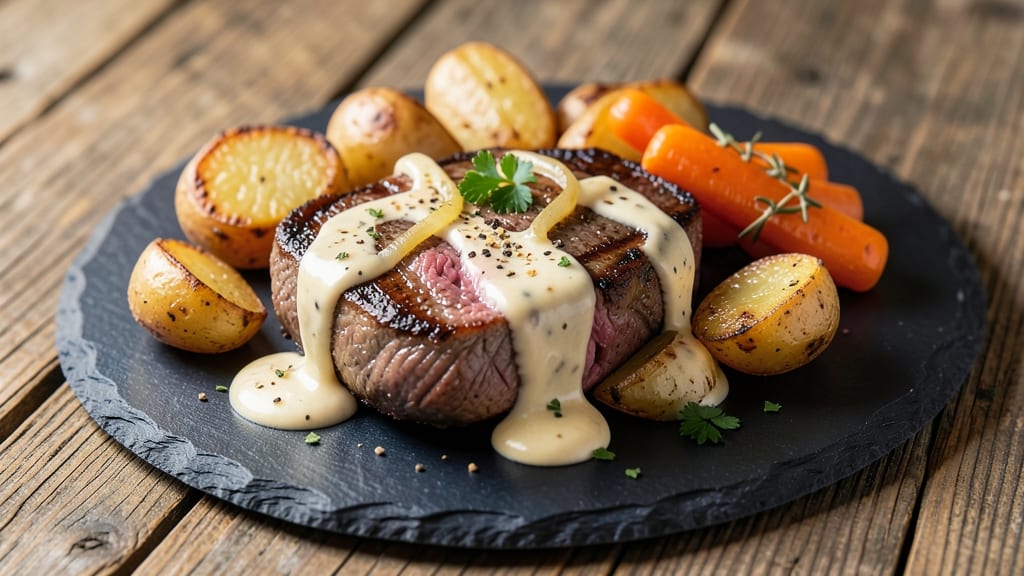
Mastering the beef Philadelphia recipe transforms a simple steak into a steakhouse masterpiece with creamy Swiss cheese filling and rich tomato sauce. This dish combines perfectly seared beef with tender vegetables and a velvety sauce that elevates every bite to restaurant-quality.
The key lies in precise slicing, careful searing, and layering flavors that meld together beautifully.
The recipe begins with slicing beef into thin, even strips—critical for even cooking and maximum tenderness. While the beef sears in a hot pan, potatoes, carrots, and cabbage simmer in a flavorful broth until fork-tender.
The Swiss cheese filling, mixed with a touch of cream, adds a luxurious creaminess that pairs perfectly with the savory beef and vegetables.
What sets this dish apart is the homemade tomato sauce, simmered to perfection with herbs and a hint of sweetness. The sauce ties everything together, creating a harmonious blend of textures and flavors.
By the time you plate this dish—beef layered with cheese, topped with vegetables, and drizzled with sauce—you’ll have a meal that feels like a five-star dining experience.
This recipe is ideal for special occasions or when you want to impress guests with a dish that’s both elegant and satisfying. The combination of techniques ensures every element comes together flawlessly, delivering a result that’s creamy, hearty, and impossible to resist.
Ingredients for beef philadelphia
Precision-cut beef, velvety Swiss cheese filling, and a rich tomato sauce elevate this steakhouse classic to restaurant-quality perfection.
| Ingredient | Amount | Notes |
|---|---|---|
| Ribeye Steak 🥩 | 1 ½ lb | Center-cut, 1-inch thick slices |
| Swiss Cheese 🧀 | 8 oz | Emmental preferred, sliced thin |
| Heavy Cream 🥛 | ½ cup | Full-fat for optimal creaminess |
| Yellow Onion 🧅 | 1 whole | Thinly sliced for sauce |
| Carrots 🥕 | 1 lb | Baby carrots or julienned |
| Russet Potatoes 🥔 | 1 ½ lb | Waxed or Yukon gold preferred |
| Green Cabbage 🥬 | ½ head | Core removed, thinly sliced |
| Garlic Cloves 🧄 | 6 cloves | Minced for sauce base |
| Canned San Marzano Tomatoes 🍅 | 1 can | Crushed, 28 oz |
| Beef Broth 💧 | 2 cups | Homemade or high-quality store |
| Extra-Virgin Olive Oil 🫒 | ¼ cup | For searing and finishing |
| Unsalted Butter 🧈 | 3 tbsp | Cold, for basting |
| Fresh Thyme 🌿 | ¼ cup | Leaves only, chopped |
| Fresh Parsley 🌿 | ⅛ cup | Chopped, for garnish |
| Diamond Crystal Kosher Salt 🧂 | 1 ½ tsp | For seasoning and broth |
| Freshly Ground Black Pepper 🌶️ | 1 tsp | Coarsely ground |
The ribeye steak is non-negotiable here—its marbling ensures tenderness and flavor. Opt for center-cut slices, 1-inch thick, to maintain structure during searing. For the Swiss cheese, Emmental delivers the best melt and texture, though Gruyère works as a luxurious substitute. Whole Foods or specialty butchers carry premium cuts; if using pre-sliced, verify thickness uniformity. The heavy cream must be full-fat—anything less compromises the dish's luxurious creaminess, a hallmark of this recipe's sophistication.
Substitutions must preserve the dish's balance. Gruyère or Jarlsberg replace Swiss cheese, though melt characteristics differ slightly. For the tomato sauce base, San Marzano tomatoes are ideal, but crushed tomatoes work in a pinch—just strain out excess seeds. The beef broth can be swapped for a 1:1 ratio of water plus 1 tbsp soy sauce, though depth of flavor diminishes. Fresh herbs? Dried thyme at one-third the amount suffices, but fresh thyme's aroma is unmatched. The potatoes and carrots can be swapped for parsnips or turnips, though cooking times may vary.
Prep ahead where possible: slice the steak and vegetables the night before, storing separately in airtight containers. The tomato sauce can be made 2 days ahead, reheated gently before use. For the Swiss cheese filling, mix the cream and cheese just before stuffing to prevent weeping. This dish reheats beautifully—350°F for 15-20 minutes restores its glory, though the first serving is always superior. Store leftovers for up to 3 days; freezing is not recommended due to texture changes in the cheese filling.
Why You'll Love This Recipe
- One-Pan Magic: I swear by this recipe when I’m too tired to scrub pots—just sear the ribeye, toss in sliced onions and carrots, then pour on that heavy cream and Swiss. The steak practically bastes itself in the juices while the veggies soften. Chef’s kiss for lazy nights.
- Swiss Cream Dream: That melted Swiss cutting through the rich ribeye and velvety cream? It’s like a hug in a skillet. Honestly, the first time I tasted it, I nearly licked the pan. The onions caramelize just enough to add depth without overpowering—perfect balance.
- Weeknight to Dinner Party: Between us, this dish works for everything. Toss a few extra carrots in for a quick weeknight supper, or slice the ribeye thin for elegant bites at your next gathering. The heavy cream keeps it luscious whether you’re feeding two or six.
- Steakhouse Leftovers: Here’s what sold me—this recipe begs for seconds, and the leftovers? Even better. The flavors meld overnight, so reheating a portion turns into a cozy breakfast hash with crispy onions and melty cheese. My wallet and my taste buds thank me.
Step-by-step instructions for beef Philadelphia preparation
Master this technique for restaurant-quality stuffed steak with velvety Swiss cheese filling.
Prepare the Ribeye for Stuffing
Begin by slicing the 1.5 lb ribeye steak into four 1-inch thick portions, ensuring each cut maintains its center-cut integrity. Using a sharp boning knife, carefully create a pocket in each steak by making a horizontal cut about ½-inch deep through the thickest part without cutting all the way through. This pocket should be just wide enough to accommodate the 8 oz Swiss cheese, sliced into four ¼-inch thick pieces.
Season both sides of each steak generously with 1.5 tsp diamond crystal kosher salt and 1 tsp freshly ground black pepper, focusing on the exterior surfaces. The seasoning should adhere evenly to create a flavorful crust during searing. Place the seasoned steaks in the refrigerator uncovered for 30 minutes to enhance the seasoning penetration and develop a better sear later.
Create the Creamy Swiss Filling
In a small saucepan, combine the 0.5 cup heavy cream, 0.25 cup minced garlic cloves, and 0.25 cup chopped fresh thyme. Bring the mixture to a gentle simmer over medium-low heat, stirring constantly to prevent scorching. Reduce the heat to maintain a barely simmering state and let it cook for 5-7 minutes until the mixture thickens slightly and the garlic becomes fragrant.
Remove the saucepan from heat and stir in the 8 oz sliced Swiss cheese until fully melted and incorporated, creating a smooth, creamy mixture. The cheese should blend seamlessly with the cream, forming a velvety consistency. Here's the thing—this is the moment that matters: the filling needs to be smooth enough to stay cohesive when stuffed into the steaks but thick enough to hold its shape during cooking.
Stuff and Sear the Steaks
Working quickly, fill each prepared steak pocket with an equal portion of the creamy Swiss cheese mixture. Press the filling gently but firmly into the pocket to ensure it stays in place during cooking. The filling should be evenly distributed so each bite delivers that signature creamy texture promised in the title.
Heat a heavy skillet over high heat until it's smoking hot. Add 0.25 cup extra-virgin olive oil and 3 tbsp unsalted butter, allowing them to melt and create a thin, even coating. Once the butter has foamed and subsided, carefully place the stuffed steaks in the skillet, working in batches if necessary to avoid overcrowding. Sear for 2-3 minutes per side until the exterior develops a deep golden-brown crust and the internal temperature reaches 130°F on an instant-read thermometer.
Complete the Cooking and Resting
Transfer the seared steaks to a plate and tent loosely with aluminum foil. Let them rest for 5-7 minutes before slicing. This resting period is crucial—it allows the creamy filling to set slightly and the juices to redistribute, preventing them from escaping when you cut into the steaks. The exterior should remain crispy while the interior achieves perfect doneness.
Slice each steak diagonally into ¼-inch thick portions, ensuring the creamy Swiss cheese filling is visible in each slice. The filling should appear smooth and glossy, with no separation from the steak. Serve immediately with the complementary vegetable medley prepared from the remaining ingredients to complete the full steakhouse experience.
Pro Tips For Making Beef Philadelphia
- SEAR THE STEAK FIRST: High heat. Seriously, crank your pan to medium-high and get that ribeye screaming before you even think about adding onions or cream. I used to add the veggies first, and the steak would just steam—now I sear it 2-3 minutes per side until it’s got a deep crust, then finish it in the oven. That’s when the Swiss melts into that golden, caramelized goodness.
- GRATE THE SWISS FRESH: Skip the pre-shredded stuff—it’s coated in anti-caking agents that make the cheese grainy when melted. Use a box grater (the big holes, not the tiny ones) right before you need it, and keep it in the fridge until the last minute. Cold grated Swiss melts smoother and doesn’t turn into a gluey mess when mixed with the heavy cream.
- DON’T BOIL THE CREAM: The heavy cream’s job is to coat the steak and carrots, not turn into scrambled eggs. Keep the sauce simmering at a bare whisper—tiny bubbles, maybe 3-4 minutes max—while the steak rests. I learned this after one disastrous batch where the cream split and curdled like a science experiment gone wrong.
- ROAST THE CARROTS SEPARATELY: Toss the carrots in olive oil, salt, and pepper, then roast them at 400°F (200°C) for 20-25 minutes before assembling the dish. They’ll caramelize into sweet, tender bites instead of turning mushy when submerged in the cream. (Yes, it’s an extra step, but your future self will notice the difference.)
Best sauces and condiments for beef philadelphia
Tomato Sauce Base
The heart of this dish is the homemade tomato sauce, which should be rich and slightly sweet. I start by sautéing 1 thinly sliced yellow onion and 6 minced garlic cloves in 2 tbsp extra-virgin olive oil over medium heat for 5 minutes until soft.
Then, I add 1 can crushed San Marzano tomatoes, 2 cups beef broth, 1 tsp kosher salt, and ½ tsp black pepper, bringing it to a simmer. Let it cook uncovered for 20-25 minutes to develop depth—this is where the magic happens! 🍅
Herb-Infused Cream Sauce
For an extra layer of flavor, I make a quick herb-infused cream sauce to drizzle over the finished dish. In a small saucepan, I warm ½ cup heavy cream with 1 tbsp minced garlic and 1 tbsp chopped fresh thyme over low heat for 3-4 minutes.
Stir in 2 oz shredded Swiss cheese until melted, then strain through a fine-mesh sieve to remove any lumps. This silky sauce adds a luxurious finish that ties everything together. 🌿
Buttery Garlic Butter
A tablespoon of garlic butter elevates the dish to restaurant-level perfection. I melt 2 tbsp unsalted butter with 1 minced garlic clove in a small pan over low heat, then brush it over the seared steaks just before serving.
The aroma alone makes this dish irresistible—it’s the little touches that turn good into extraordinary. 🧈
Spicy Sriracha Aioli
For those who love a kick, I whip up a spicy sriracha aioli by mixing ¼ cup mayonnaise, 1 tbsp sriracha, 1 tsp lemon juice, and ½ tsp honey until smooth.
Drizzle this over the plated dish for a tangy, spicy contrast that cuts through the richness of the steak and cheese. It’s a game-changer for heat lovers! 🌶️
Classic Horseradish Cream
A dollop of horseradish cream adds a sharp, bright note that cleanses the palate. I blend ¼ cup sour cream, 1 tbsp prepared horseradish, 1 tsp lemon zest, and ½ tsp Dijon mustard until smooth.
This condiment pairs beautifully with the creamy Swiss filling, adding a sophisticated touch that feels like a steakhouse secret. 💡
Nutrition facts
Frequently asked questions
Can I use a different type of cheese instead of Swiss?
While Swiss cheese is traditional, Gruyère or Jarlsberg work beautifully for a richer, nuttier flavor. For a lighter option, try provolone or mozzarella, but expect slightly different melt characteristics. The key is using a cheese that melts smoothly and holds its shape when stuffed into the steak.
How do I prevent the cheese filling from leaking out?
Press the filling firmly into the steak pocket and secure it with toothpicks or kitchen twine before searing. For extra insurance, chill the stuffed steaks for 15 minutes in the fridge to help the cheese set. Avoid overfilling the pockets—keep it to about ¼-inch thick slices of cheese for best results.
What's the best way to reheat leftover Beef Philadelphia?
Reheat gently in a skillet over medium-low heat for 3-4 minutes per side until warmed through. Avoid high heat, which can dry out the steak or cause the cheese to separate. For extra creaminess, add a splash of heavy cream or beef broth while reheating.
Can I make this dish ahead of time?
Yes! Prepare all components separately: slice the steak and vegetables, make the tomato sauce, and mix the cheese filling (but don't stuff the steaks). Assemble and cook just before serving to maintain the perfect texture. The sauce can be made 2 days ahead and reheated gently before using.
What's the secret to getting a perfect sear on the steak?
Use a smoking-hot skillet and let it preheat for 3-4 minutes before adding oil. Pat the steaks very dry with paper towels and sear undisturbed for 2-3 minutes per side. A high-quality cast-iron skillet distributes heat evenly for the best crust.