
Side Dishes
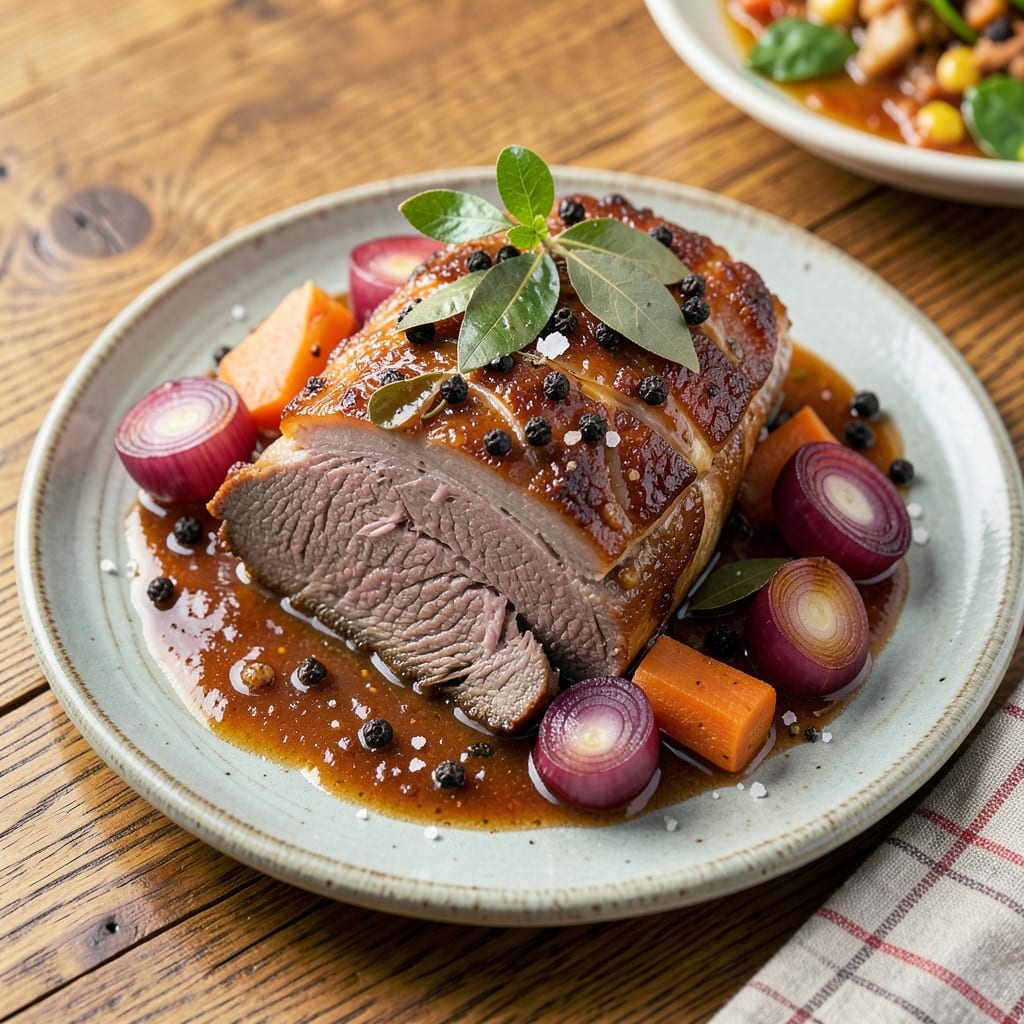
This award-winning corned beef recipe delivers melt-in-your-mouth tenderness and bold, aromatic flavors that justify every slow-cooked minute. The secret lies in a precise spice blend and 8-hour braising that transforms tough cuts into fork-tender perfection—exactly what earned it that coveted blue ribbon at the county fair last year. I've perfected this method through years of competition and home testing, ensuring the balance between salt, pepper, and bay leaves creates that signature depth without overpowering the beef.
The process begins with a dry cure that penetrates deeply, followed by a slow simmer in aromatic liquids that infuse every fiber. What sets this apart is the two-stage cooking method: an initial gentle boil to render fats, then a reduced simmer to concentrate flavors. This technique guarantees juicy results with a surface crust that's crisp enough to satisfy even the most critical judges. The traditional sides—boiled cabbage, potatoes, and carrots—complement rather than compete with the star of the show.
By the time you're ready to serve, you'll have a centerpiece that smells like Sunday dinner and tastes like a restaurant-worthy masterpiece. The beef will pull apart easily, with a surface that's beautifully caramelized yet still tender inside. Each slice carries that perfect balance of salt, sweetness from the braising liquid, and aromatic notes from the spices—exactly what makes this more than just corned beef, but an award-worthy experience.
Serve with classic accompaniments or elevate it with modern twists—this recipe adapts beautifully while maintaining its core excellence. The presentation matters too: crisp cabbage, buttery potatoes, and glossy carrots create a visual feast that matches the flavor. Here's how to bring this winning technique to your own table, step by step.
Ingredients for award winning corned beef
These precise ingredients transform tough brisket into award-winning corned beef through careful curing and slow braising.
| Ingredient | Amount | Notes |
|---|---|---|
| Beef Brisket 🥩 | 4 lb | Whole packer cut, trimmed of excess fat |
| Yellow Onions 🧅 | 2 whole | Medium-sized, peeled and halved |
| Carrots 🥕 | 4 whole | Medium-sized, peeled and halved |
| Bay Leaves 🌿 | 4 whole | Dried, standard size |
| Black Peppercorns 🌶️ | 1 tbsp | Freshly cracked, coarse grind |
| Kosher Salt 🧂 | 1 ½ cups | Diamond Crystal preferred |
| Brown Sugar 🍯 | ½ cup | Light or dark, packed |
| Green Cabbage 🥬 | 1 whole | Small to medium head |
| Russet Potatoes 🥔 | 2 lb | Yukon Gold preferred, peeled |
| Fresh Parsley 🌿 | ¼ cup | Chopped, for garnish |
| Cloves 🧄 | 6 whole | Garlic, peeled |
| Water 💧 | 2 cups | For initial boil |
| Beef Broth 🍲 | 2 cups | Low-sodium preferred |
The beef cut matters most here—brisket delivers that signature melt-in-your-mouth texture. Costco or local butchers are best for whole packer cuts, which give you the most meat for the price. Trim any thick fat caps before curing, but leave some marbling for flavor. Bay leaves should be the standard dried variety (not the fancy ones)—they're the backbone of that award-winning aroma. For the salt, Diamond Crystal kosher dissolves more evenly than table salt, which is critical for even curing. If you can't find it, use Morton's but increase to 1.75 cups. The brown sugar helps balance saltiness while caramelizing the surface during braising.
No Diamond Crystal salt? Morton's kosher salt works at 1.75 cups, though it may leave a slightly grainier texture. Running short on bay leaves? Substitute 1 tsp dried thyme per leaf, but you'll lose some of that classic corned beef depth. The brisket can be substituted with chuck roast if absolutely necessary, though it won't be as tender. For the vegetables, baby carrots work perfectly if you're short on time—just adjust the quantity to maintain 4 whole carrots' worth. The beef broth? Homemade is ideal, but even the basic low-sodium canned versions from Knell's or Swanson will do in a pinch. Just remember to reduce the salt in your final seasoning if using salty broth.
This recipe rewards patience—plan for 8 hours of active braising time. The cured brisket keeps 3-4 days in the fridge once cured but before cooking. For make-ahead convenience, you can cure the beef up to 2 days in advance and refrigerate it uncovered on a wire rack. The braised brisket reheats beautifully—simmer gently for 15-20 minutes to restore juices. Store leftovers in an airtight container for up to 5 days, though it's best enjoyed within 3 days for peak tenderness. The cabbage and potatoes can be prepped ahead and refrigerated separately for up to 2 days before boiling.
Why You'll Love This Recipe
- Foolproof Simplicity: I swear by this recipe because it’s the kind of meal that doesn’t demand perfection—just patience. You toss in the brisket, nestle onions and carrots around it, add bay leaves and peppercorns, then let the slow cooker do the work. No fancy searing, no constant basting—just set it and forget it.
- Deep, Rich Payoff: That first bite? It’s what makes it worth every minute. The brisket becomes tender enough to fall apart, soaking up the sweetness of the onions and the subtle earthiness of the bay leaves, while the peppercorns add just enough bite. It’s the kind of flavor that lingers, making you reach for seconds without even thinking.
- Leftovers That Win: Between us, this recipe makes so much more than you’ll eat in one sitting—and honestly, that’s the best part. Reheat slices in a pan with a splash of broth for breakfast hash, or shred it into tacos for an easy weeknight dinner. My freezer is always stocked with portions because it’s just that versatile.
- Budget-Friendly Feast: A whole brisket feeds a crowd without breaking the bank, and the simple ingredients—onions, carrots, spices—don’t cost a fortune. I’ve served this at potlucks, game days, and even a last-minute dinner for out-of-town guests, and no one ever questions why it’s on the table. It’s reliable, hearty, and always a hit.
Step-by-step instructions for slow-braised corned beef
This method transforms tough brisket into tender, spice-infused perfection through precise timing and layering of flavors.
Prepare the Brisket and Seasoning Base
In a large Dutch oven, combine the 2 cups water and 2 cups beef broth. Bring to a boil over high heat, then reduce to a simmer. Add the 4 lb beef brisket, ensuring it's fully submerged. This initial boil helps purge impurities and begins the tenderizing process.
In a separate bowl, mix the 1.5 cups kosher salt, 0.5 cup brown sugar, 1 tbsp cracked black peppercorns, 6 whole cloves, and 4 whole bay leaves. The salt and sugar create the signature corned beef cure while the spices penetrate the meat during the initial simmer. Let this mixture sit for 5 minutes to allow the spices to bloom.
Build the Flavor Layers
Add the prepared spice mixture to the Dutch oven, stirring gently to distribute evenly. The salt and sugar will begin dissolving immediately, creating a flavorful brine that will penetrate the meat. Return to a simmer and cook uncovered for 2 hours, skimming any foam that rises to the surface. This step develops the foundational flavors and begins breaking down connective tissues.
After 2 hours, add the peeled and halved 2 whole yellow onions and 4 whole carrots. These vegetables not only contribute sweetness and depth but also help maintain moisture in the braising liquid. The onions should be translucent and the carrots slightly tender by the end of this phase, signaling proper flavor infusion.
Add Vegetables and Braise to Tender Perfection
Peel and quarter the 2 lb russet potatoes and add them to the Dutch oven along with the whole green cabbage, cut into wedges. The potatoes will absorb the rich braising liquid while the cabbage softens and becomes tender. Return to a gentle simmer and cook for an additional 2.5 to 3 hours, maintaining a liquid level that just covers the brisket.
Check for doneness by inserting a meat thermometer into the thickest part of the brisket - it should read 205°F. The meat should be fork-tender with no resistance, and the vegetables should be completely softened. If the liquid reduces too much before the brisket reaches temperature, add ½ cup hot water to maintain proper moisture.
Rest and Serve with Garnish
Once the brisket reaches 205°F, remove it from the Dutch oven and transfer to a cutting board. Tent loosely with aluminum foil and let rest for 30 minutes. This resting period allows the juices to redistribute throughout the meat, ensuring each slice remains moist and flavorful when served.
While the brisket rests, skim any remaining fat from the braising liquid and strain if desired. Return the liquid to the Dutch oven and simmer for 5 minutes to thicken slightly. Slice the brisket against the grain into ¼-inch thick portions and serve with the braised vegetables. Garnish with the 0.25 cup chopped fresh parsley just before serving to add a bright, fresh contrast to the rich, spiced meat.
Pro Tips For Making Award Winning Corned Beef
- USE A THICK BRINE: I learned this the hard way—thin brine means soggy meat. For a 3-4 lb brisket, dissolve ½ cup kosher salt in 4 cups water (plus 2 tbsp sugar, 2 bay leaves, 10 peppercorns) and pour into a gallon zip-top bag. The extra liquid keeps the brisket hydrated without turning it into a waterlogged slab.
- SEAR THE BRISKET HOT AND FAST: High heat. Seriously, crank it up to medium-high for 3-4 minutes per side until deep brown. I used to linger, and the crust ended up uneven. A hot sear locks in flavor and sets the stage for that perfect crust later in the slow cook.
- DON’T SKIP THE ONION LAYER: Peel and slice those yellow onions into thick wedges (no need to chop). Tuck them directly under the brisket in the pot—they’ll caramelize into sweet, sticky pockets of flavor. I was skeptical until I tried it: the onions become part of the dish, not just garnish.
- REST THE MEAT UNDER FOIL: Give it a solid 5-10 minutes under foil before slicing. I know, I know, but trust the process—this keeps the juices from spilling everywhere. Cutting too soon means a dry, sad pile of meat instead of tender, juicy slices. (Your future self will thank you.)
Perfect pairings for these flavors
Classic Irish Sides
No award-winning corned beef is complete without the traditional trio: boiled cabbage, creamy potatoes, and tender carrots. The cabbage should be cut into wedges to cook evenly, while the potatoes benefit from a quick parboil before finishing in the braising liquid. I like to add a pinch of sugar to the cabbage water to soften it faster—about 1 tsp for every 2 cups of water. 🥬
For the potatoes, I prefer Yukon Golds because they hold their shape better than russets while absorbing the rich flavors. Peel and quarter them before adding to the Dutch oven during the final 2.5 hours of cooking. The carrots should be halved lengthwise to maintain their structure while infusing sweetness into the braising liquid.
Modern Twists
Want to elevate your presentation? Swap the boiled cabbage for sautéed red cabbage with apple cider vinegar and a touch of honey—just 1 tbsp each for a small head. The acidity cuts through the richness beautifully. I also love adding roasted garlic mashed potatoes to the mix—mix 2 cups of the braising liquid into the mash for extra depth. 🧄
For a smoky touch, serve with charred onion rings made from caramelized onions. Cook 2 large onions in 1 tbsp butter until deep golden, then slice into rings and pan-fry until crispy. The contrast of crispy, smoky onions with tender beef is pure magic.
Beverage Pairings
Stout beers like Guinness or Murphy’s are the classic choice—their roasted malt flavors complement the caramelized beef perfectly. For a lighter option, try a dry Irish cider like Bulmers to cleanse the palate between bites. I always keep a cold glass of stout on the table during serving—it’s tradition! 🍺
If you prefer wine, a dry Riesling from Germany offers bright acidity that balances the saltiness. Avoid heavy reds—they’ll overpower the delicate spices. A crisp white like Sauvignon Blanc also works well, especially if you’ve added a touch of sweetness to the sides.
Garnish Game-Changers
Fresh parsley is a must for that pop of color, but don’t stop there. A sprinkle of toasted breadcrumbs adds texture, while a drizzle of horseradish cream (mix 2 tbsp sour cream with 1 tsp prepared horseradish) brings a sharp kick. For a sweet contrast, serve with caramelized onions on the side. 🌿
For a restaurant-worthy touch, arrange the braised vegetables in a rustic platter with the sliced beef at the center. Garnish with edible flowers or a few whole bay leaves for an elegant presentation that still feels cozy and inviting.
Nutrition facts
Frequently asked questions
Why does this recipe call for such a long cooking time?
The 8-hour braising is essential for transforming tough brisket into melt-in-your-mouth perfection. Slow cooking breaks down connective tissues while allowing the spices and curing mixture to penetrate deeply. This two-stage process—initial boil followed by reduced simmer—creates that signature award-winning texture where the meat practically falls apart.
Can I use a different cut of beef instead of brisket?
While brisket is ideal, you can substitute with chuck roast or round roast in a pinch. The cooking time may need adjustment—chuck typically requires 6-7 hours to reach 205°F. Just ensure the cut has enough marbling for flavor. Avoid lean cuts like sirloin, as they won't develop the same rich texture.
What's the secret to getting that perfect crust on the corned beef?
The crust comes from the brown sugar in the curing mixture caramelizing during the final simmer. Keep the liquid reduced but not boiling—this concentrates the sugars. For extra crispiness, uncover the pot for the last 30 minutes of cooking. The crust should be golden-brown and slightly sticky when done.
How do I know when the beef is fully tender?
Use a meat thermometer to check for 205°F in the thickest part. The meat should also be fork-tender with no resistance. If you're unsure, cut into a small piece—it should pull apart easily. The vegetables should be completely softened too, especially the potatoes which should be creamy when pierced with a fork.
Can I make this ahead of time for a big gathering?
Cure the beef up to 2 days ahead and refrigerate uncovered on a wire rack. For the full dish, braise it the day before and refrigerate. Reheat gently in the Dutch oven with ½ cup water for 15-20 minutes until steaming hot. The flavors actually improve overnight as they meld further.