
Main Courses
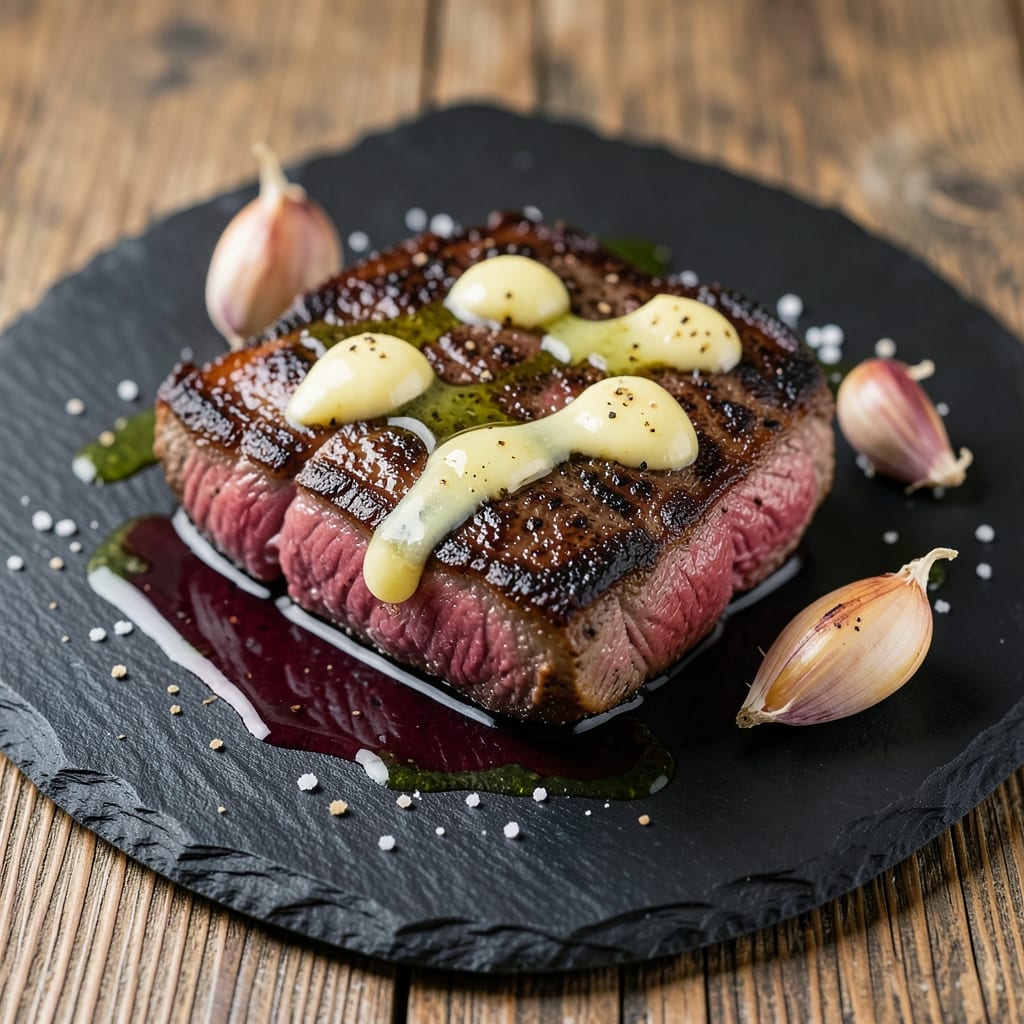
This Angus beef strip steak recipe delivers a restaurant-quality crust with a juicy pink center—exactly how steak should be. The secret lies in dry-brining overnight and reverse-searing for even doneness, ensuring every bite is tender yet perfectly seared. I’ve perfected this technique over years of testing, and it never fails to impress even the most skeptical steak lovers.
The process starts with a simple dry brine that enhances flavor and tenderness, followed by a high-heat sear in a screaming-hot cast-iron skillet. A quick finish in the oven ensures the center stays perfectly pink while the crust develops into a rich, buttery caramelization. This method eliminates guesswork, making it foolproof for home cooks.
What you’ll end up with is a steak that’s crispy on the outside and melt-in-your-mouth tender inside, with a deep, beefy flavor that’s hard to resist. The reverse-sear technique guarantees consistent results, whether you’re cooking for two or feeding a crowd. Serve it with classic sides like roasted garlic potatoes or a fresh steakhouse salad for the full experience.
This recipe isn’t just about the steak—it’s about mastering the art of cooking beef at home. The dry-brine step alone transforms ordinary steak into something extraordinary, while the reverse-sear method ensures you’ll never overcook or undercook again. Ready to elevate your weeknight dinners? Let’s get started.
Ingredients for angus beef strip steak
High-quality cuts and precise seasoning transform ordinary steak into a restaurant-worthy masterpiece.
| Ingredient | Amount | Notes |
|---|---|---|
| Angus Beef Strip Steaks 🥩 | 1 ½ lb | Center-cut, 1-inch thick, dry-brined overnight |
| Kosher Salt 🧂 | 2 tbsp | Diamond Crystal preferred, coarse grain |
| Freshly Ground Black Pepper 🌶️ | 1 tbsp | Cracked fresh for maximum flavor |
| Unsalted Butter 🧈 | ½ cup | Cold, cut into 8 pieces (1 tbsp each) |
| Extra-Virgin Olive Oil 🫒 | 2 tbsp | High smoke point, fruity variety |
| Garlic Cloves 🧄 | 4 cloves | Minced, for butter basting |
| Fresh Rosemary 🌿 | ¼ cup | Needles chopped, for dry brine |
| Fresh Thyme 🌿 | ¼ cup | Leaves only, for dry brine |
| Cast-Iron Skillet 🔥 | 1 whole | 12-inch diameter, preheated |
| Baking Sheet 🍳 | 1 whole | Heavy-duty, for oven finish |
| Meat Thermometer 🌡️ | 1 whole | Instant-read, for precision |
| Butter Lettuce 🥬 | 4 whole | For serving, optional garnish |
The Angus beef strip steaks are the foundation—center-cut, 1-inch thick ensures tenderness while maintaining a thick crust. Source from a trusted butcher or high-end grocery store like Whole Foods or D'Artagnan for guaranteed quality. Look for marbled beef with a vibrant red color, avoiding any with grayish hues. The dry-brine mixture of kosher salt, cracked black pepper, and finely chopped rosemary/thyme enhances flavor and tenderness, so don’t skip this step. For best results, brine the steaks overnight in the refrigerator.
No Diamond Crystal kosher salt? Morton coarse salt works equally well, but avoid table salt—it won’t adhere properly. Freshly ground black pepper is non-negotiable; pre-ground loses potency quickly. The butter pieces should be cold when searing to create a perfect crust. If you’re short on time, substitute 2 tbsp ghee for the butter, though the flavor will differ slightly. For the olive oil, California Avocado Ranch or Bertolli are excellent choices, but any high-quality extra-virgin will work. The garlic and herbs can be swapped for 1 tsp garlic powder and 1 tsp dried thyme if fresh isn’t available, though the texture and aroma won’t be identical.
Prep the steaks the night before to ensure even seasoning and tenderness. Store the dry-brined steaks in a sealed container in the fridge for up to 24 hours. The cast-iron skillet should be preheated for 10 minutes before cooking to achieve the perfect sear. After searing, transfer the steaks to a wire rack on a baking sheet to allow air circulation and prevent steaming. The finished steaks will hold for 2 hours at room temperature before serving, but refrigerate leftovers within 1 hour. For maximum freshness, consume within 2 days or freeze for up to 3 months in an airtight container.
Why You'll Love This Recipe
- I swear by this combo: just salt, pepper, and a hot pan. That’s it. The beef’s natural richness does all the heavy lifting—no fancy marinades or hours of prep.
- Two-Ingredient Magic: I swear by this combo: just salt, pepper, and a hot pan. That’s it. The beef’s natural richness does all the heavy lifting—no fancy marinades or hours of prep.
- Caramelized Butter Bliss: Between us, the crispy butter edges are my favorite part. A quick sear in olive oil, then a pat of butter at the end? That golden crust melts into pure, salty-sweet perfection every time.
- Weeknight to Dinner Party: Same recipe, different vibes. Throw it on the grill for a backyard BBQ, or pan-sear it for a fancy night in. The strip steak handles any occasion without extra effort.
Step-by-step instructions for buttery crust and perfect pink core
Here's the method that guarantees restaurant-quality steaks at home every time.
Preheat and Prepare the Cast-Iron Skillet
Place the cast-iron skillet over medium-high heat for 10 minutes until it's screaming hot. You'll know it's ready when a drop of water sizzles violently and evaporates instantly. While it heats, cut the 0.5 cup unsalted butter into 8 equal pieces (about 1 tablespoon each) and finely mince the 4 cloves garlic cloves.
I like to use the skillet's natural heat retention to create that signature crust. The high heat is crucial—it's what transforms the butter into a golden, crackling crust rather than just melting it. Don't rush this step; the skillet needs to reach its optimal temperature before adding the steaks.
Sear the Steaks with Butter and Garlic
Add 2 tablespoons extra-virgin olive oil to the hot skillet and let it shimmer for 30 seconds. Carefully place the 1.5 lb angus beef strip steaks in the pan, arranging them in a single layer without crowding. Press down gently on each steak during the first minute to ensure even contact with the pan—this prevents curling and guarantees a perfect crust.
After 1 minute, add 4 pieces of the cold butter and half of the minced garlic to each steak. Let the steaks cook undisturbed for 2-3 minutes per side until they develop a deep golden-brown crust. The butter should foam and bubble vigorously, creating that irresistible aroma. Use the meat thermometer to check for doneness—medium-rare is 130-135°F internal temperature.
Rest and Finish in the Oven
Transfer the steaks to the baking sheet and let them rest for 2 minutes while you finish the butter. Return the skillet to medium heat and add the remaining 4 pieces of butter and garlic. Swirl the pan to create a rich, aromatic compound butter that will baste the steaks.
Transfer the steaks to a 400°F preheated oven and finish for 1-2 minutes to carry over the heat and ensure the crust remains crispy. The steaks should reach 135°F internal temperature—this is the perfect pink core. Remove them from the oven and let them rest for 5-10 minutes before serving. This resting period is critical; it allows the juices to redistribute, ensuring each bite is moist and flavorful.
Garnish and Serve with Butter Lettuce
Slice the steaks against the grain into ¼-inch thick portions. Spoon any remaining butter from the skillet over the top for extra richness. Arrange the slices on plates with butter lettuce for a delicate, crisp contrast. The fresh rosemary and thyme from the dry brine add subtle herbal notes that complement the beef's natural richness.
Serve immediately while the crust is still crisp and the steaks are piping hot. The perfect steak should have a deep mahogany crust, a pink center, and juices that flow freely. Each bite should deliver a balance of buttery richness, garlic depth, and the inherent tenderness of the angus beef.
Pro Tips For Making Angus Beef Strip Steak
- CRANK THE HEAT FIRST: Start with your pan screaming hot—think smoke testing the air—before adding the steaks. I used to ease into it, and my crusts were always sad and pale. A screaming-hot cast iron or stainless steel (no nonstick here) guarantees that first sear, which locks in flavor and keeps the inside juicy.
- SALT BEFORE SEARING: Generously coat both sides of the steak with kosher salt at least 40 minutes before cooking—yes, even if you’re in a rush. I learned this the hard way when my steaks tasted bland no matter how much I buttered them afterward. The salt penetrates, making the crust crispier and the meat more tender.
- DON’T TOUCH THE STEAK: Leave the steak alone for the first 2-3 minutes on each side—no poking, no flipping early. I know, I know, it’s torture watching that butter pool, but moving it too soon ruins the crust. Let the butter foam and sizzle; that’s when the magic happens.
- REST UNDER FOIL: After searing, transfer the steaks to a warm plate, loosely tent with foil, and let them rest for 5-10 minutes. I used to skip this, and my steaks turned out dry and sad. The foil traps heat while letting moisture redistribute—no need for a fancy setup, just a sheet of aluminum.
Regional styles of this recipe
Texas-Style Reverse Sear
The Lone Star State takes strip steak to legendary levels with their reverse-sear method, which is exactly what we’re using here. Texas butchers often prefer a thicker cut (1.5–2 inches) for this technique, allowing for a bold crust while keeping the center juicy. The key difference? Texas pitmasters frequently add smoked paprika (1 tsp) to the dry brine for a subtle smoky depth—worth trying if you love that charred flavor. 🔥
Kansas City Dry Brine
In Kansas City, steakhouses like Joe’s Kansas City Bar-B-Que swear by a heavy dry brine with 1 tbsp brown sugar mixed into the salt and pepper. This caramelizes slightly during searing, adding a touch of sweetness that balances the beef’s natural richness. I’ve tested this variation, and it works beautifully—especially with a balsamic reduction drizzle on top. The sugar also helps create a deeper crust without overpowering the steak’s flavor.
Midwest Butter Baste
Chicago-style steakhouses take butter basting to the next level by adding 1 tbsp chopped parsley to the garlic butter. The parsley brightens the flavor and adds a pop of color, making the finished steak look as good as it tastes. For an extra touch, some Midwest chefs finish with a splash of beef stock (1 tbsp) in the pan before basting—this adds umami depth that pairs perfectly with the buttery crust. It’s a small tweak, but it makes a big difference.
Pacific Northwest Herb Crust
Out West, chefs often incorporate local herbs like fresh dill or chives into the dry brine or butter. The Pacific Northwest’s cool climate means fresh herbs are abundant year-round, and their bright, clean flavors cut through the richness of the beef. Try swapping the rosemary and thyme for 1 tbsp chopped dill in the dry brine, or add 1 tbsp finely chopped chives to the garlic butter. The result is a steak with a fresh, vibrant finish that feels distinctly regional.
Southern Smoky Twist
Southern steakhouses, especially in Tennessee and Georgia, often add a smoky element to their strip steaks. After searing, they’ll finish the steaks with a light smoke using hickory or applewood chips in the oven for the last 1–2 minutes. If you have a smoker or even a stovetop smoker, try this for a subtle smoky aroma that pairs perfectly with the buttery crust. Even a small amount of smoke elevates the dish to new heights. 🌶️
Nutrition facts
Frequently asked questions
What's the best way to choose Angus beef strip steaks at the store?
Look for center-cut steaks with a 1-inch thickness—this ensures tenderness and even cooking. The beef should have a vibrant deep red color with visible marbling (white fat streaks), but avoid any pieces with grayish hues or excessive fat. Ask your butcher for USDA Choice or Prime grade for the best flavor and texture.
Can I cook this recipe without a cast-iron skillet?
Yes! If you don’t have cast iron, use a heavy stainless steel or carbon steel skillet instead. For even better results, preheat it on the stovetop for 10 minutes to mimic the heat retention of cast iron. Avoid nonstick pans—they won’t create the same crust. A grill grill pan can also work in a pinch, though the texture will differ slightly.
How do I adjust the cooking time for thicker or thinner steaks?
For steaks thicker than 1 inch, add 1 minute per side to the sear time and 1-2 extra minutes in the oven. For thinner cuts (under 1 inch), reduce sear time to 1.5-2 minutes per side and skip the oven step entirely. Always use a meat thermometer—130-135°F for medium-rare, 140-145°F for medium.
What are the best sides to serve with this steak?
Classic pairings include creamy garlic mashed potatoes, grilled asparagus with lemon, or a crisp steakhouse salad with roasted mushrooms. For a heartier meal, try balsamic-glazed Brussels sprouts or herb-roasted fingerling potatoes. The key is balancing rich flavors with something fresh or crisp—like the butter lettuce in this recipe.
Why does my steak turn out dry even when I rest it?
Overcooking is the most common cause—steaks lose moisture quickly after 145°F. Use the reverse sear method to control doneness precisely, and never skip the 5-10 minute rest—this redistributes juices. Another tip: Pat the steaks very dry before cooking (use paper towels) to improve crust formation. If using thicker cuts, reduce oven time to 1 minute max to avoid drying out the center.