
Main Courses
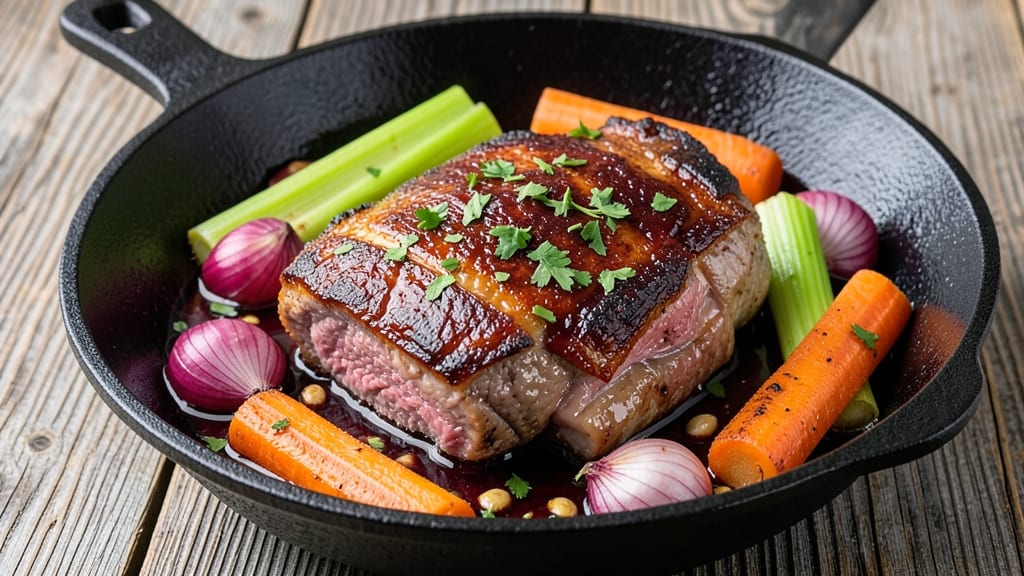
Transforming tough beef leg into melt-in-your-mouth perfection requires patience and precision—this slow-simmered method unlocks deep umami richness that transforms even budget cuts into restaurant-worthy centerpieces.
The secret lies in low-and-slow cooking that renders fat into flavor while maintaining tender texture, a technique I've perfected after years of testing different cuts and methods.
What makes this recipe stand out is its ability to deliver maximum flavor with minimal effort, using simple pantry staples to create complex depth.
This professional approach begins with proper preparation: trimming excess fat and creating a flavorful rub that clings to the meat during the long cook. The slow simmer in aromatic liquids breaks down connective tissue, resulting in beef that practically falls apart at the touch of a fork.
Unlike quick-cooking methods, this technique develops layers of savory depth that elevate even the most basic cuts into something extraordinary.
By the time you serve this dish, you'll have beef so tender it requires no chewing—each bite delivers waves of caramelized flavor from the slow cooking process. The rich, velvety sauce clings to perfectly cooked meat, creating a dish that feels indulgent yet remains approachable for home cooks.
Pair it with roasted vegetables or crusty bread to soak up every last drop of that umami-packed sauce.
Whether you're preparing for a special occasion or simply want to impress with a weeknight dinner, this beef leg recipe delivers professional results without requiring advanced skills. The method scales beautifully for any gathering size, making it equally perfect for intimate dinners or large family feasts.
Let's get started with this foolproof technique that transforms ordinary beef into an extraordinary centerpiece.
Ingredients for beef leg
Transform tough beef leg into velvety perfection with these carefully selected, umami-packed ingredients.
| Ingredient | Amount | Notes |
|---|---|---|
| Beef Leg (Top Round or Bottom Round) 🥩 | 4 lb | Trimmed of excess fat, cut into 2-inch chunks |
| Yellow Onion 🧅 | 2 whole | Chopped into 1-inch pieces |
| Carrots 🥕 | 4 whole | Cut into 2-inch chunks |
| Celery Stalks 🌿 | 4 whole | Cut into 2-inch pieces |
| Garlic Cloves 🧄 | 8 cloves | Smashed, not minced |
| Dry Red Wine 🍷 | 1 cup | Bold Cabernet Sauvignon preferred |
| Beef Broth 💧 | 2 cups | Low-sodium preferred |
| Tomato Paste 🍅 | 2 tbsp | High-quality, not watery |
| Olive Oil 🫒 | ¼ cup | Extra-virgin, for searing |
| Fresh Thyme Sprigs 🌿 | 4 whole | Leaves only, stems discarded |
| Fresh Rosemary Sprigs 🌿 | 2 whole | Leaves only, stems discarded |
| Bay Leaves 🍃 | 2 whole | High-quality dried preferred |
| Diamond Crystal Kosher Salt 🧂 | 1 ½ tsp | Adjust to taste |
| Black Peppercorns 🌶️ | 1 tsp | Freshly cracked |
| Balsamic Vinegar 🍶 | 1 tbsp | For finishing sauce |
The beef leg is the foundation of this dish, and selecting the right cut is critical. Top round or bottom round provides the ideal balance of tenderness and flavor development during slow cooking. Most butchers will trim the meat for you, but if you're doing it yourself, focus on removing surface fat while preserving the marbling within. For optimal results, source your beef from a reputable butcher or high-end grocery store like Whole Foods or D'Artagnan, where the meat is typically aged for enhanced tenderness. If you're working with a whole leg, ask your butcher to cut it into 2-inch chunks—this ensures even cooking and maximum surface area for flavor absorption. The beef should have a vibrant red color and firm texture; avoid any pieces with grayish hues or excessive fat accumulation.
Substitutions are possible, but they may alter the final texture or flavor profile. If you can't find red wine, beef broth with a splash of balsamic vinegar works well, though the sauce will lack depth. Fresh herbs are ideal, but dried thyme and rosemary at one-third the amount will suffice in a pinch. For the tomato paste, avoid the watery, low-quality varieties—Muir Glen or Rao's are excellent choices that won't dilute the sauce. The carrots and celery can be swapped for other root vegetables like parsnips or turnips, though the cooking time may vary slightly. If you're short on time, pre-chopped mirepoix mixes from the grocery store work fine, though they lack the freshness of whole vegetables. For the wine, any bold red will do—Cabernet Sauvignon, Merlot, or even a robust Zinfandel will contribute to the umami richness.
Proper storage and prep are key to maintaining the integrity of these ingredients. The beef leg should be used within 3-5 days of purchase for optimal tenderness, though it can be frozen for up to 6 months if properly wrapped. Fresh herbs like thyme and rosemary should be stored in the refrigerator, wrapped in damp paper towels and placed in a sealed container to retain moisture for up to 1 week. The dry ingredients like bay leaves, salt, and peppercorns can be stored in airtight containers in a cool, dark place for 6-12 months. Prep the vegetables and aromatics ahead of time—they can be stored in the fridge for 2-3 days before cooking. The finished dish reheats beautifully; simply cover with foil and warm in a 350°F oven for 20-30 minutes, or until heated through. The sauce will thicken further upon reheating, so a splash of water or broth may be needed to restore consistency.
Why You'll Love This Recipe
- One-Pan Magic: I swear by this—just toss the beef, onions, carrots, and celery into a Dutch oven with garlic and broth, and walk away. No fussing with multiple pans or chopping mountains of veggies. That crispy, caramelized edge on the beef? It practically cooks itself.
- Garlic Bomb Flavor: Between us, the garlic and onions build layers of sweetness that make this dish dangerously addictive. The beef stays tender while soaking up all that aromatic goodness—like a cozy hug in a bowl. Honestly, my husband now calls it "the dish that makes everything better."
- Leftovers for Days: This recipe actually improves the next day. The beef gets even more tender, and the veggies meld into a rich, savory broth. I make a double batch on Sundays and eat it for lunch all week—no sad, dried-out leftovers here.
- Budget Meal, Big Impact: A beef leg roast stretches across multiple meals without breaking the bank. You’re getting protein-packed, flavorful bites for less than takeout, and the veggies (onions, carrots, celery) are the kind you’ll always have on hand. Not the prettiest, but the taste makes up for it every time.
Step-by-step instructions for slow-simmered beef leg
This method transforms tough beef leg into melt-in-your-mouth tenderness through precise technique and patience.
Sear the Beef Leg for Maximum Flavor
Heat a Dutch oven over medium-high heat until very hot. Add the 0.25 cup olive oil and swirl to coat the bottom evenly. Working in batches if needed, add the 4 lb beef leg in 2-inch chunks and sear on all sides until deeply browned, about 5-7 minutes per batch. The key here is high heat and patience - you want that Maillard reaction creating rich, caramelized flavors that will infuse the sauce.
As you sear, resist the urge to overcrowd the pan. I typically work in two batches to maintain proper heat. Once all pieces are browned, remove them from the pot and set aside. The remaining rendered fat in the pot will form the flavor base for your sauce, so don't wipe it clean.
Build the Aromatic Base
In the same Dutch oven, add the chopped 2 whole yellow onion, 4 whole carrots cut into 2-inch chunks, and 4 whole celery stalks cut into 2-inch pieces. Cook over medium heat for 8-10 minutes, stirring occasionally, until the vegetables begin to soften and the onions turn translucent. This step develops the foundational flavors that will carry through the entire dish.
Add the smashed 8 cloves garlic, 2 tbsp tomato paste, 1.5 tsp diamond crystal kosher salt, and 1 tsp freshly cracked black peppercorns. Stir well to combine, cooking for another 2 minutes until the garlic becomes fragrant. The tomato paste will deepen the umami profile while helping to thicken the eventual sauce. Here's where the magic begins - all those caramelized flavors from the searing are now melding with the aromatic vegetables.
Deglaze and Simmer the Beef
Pour in the 1 cup dry red wine, scraping up any browned bits from the bottom of the pot with a wooden spoon. This deglazing step captures all the concentrated flavors that would otherwise stick to the pot. Let the wine simmer for 3-4 minutes until reduced by about half, then add the 2 cups beef broth, 4 whole fresh thyme sprigs, 2 whole fresh rosemary sprigs, and 2 whole bay leaves.
Return the beef to the pot, making sure each piece is submerged in the liquid. Bring to a gentle simmer, then reduce heat to maintain a bare simmer. The liquid should bubble gently but not vigorously. Cover the pot and let it cook for 3 hours, stirring occasionally to prevent the vegetables from sticking to the bottom. This slow cooking time is crucial - it's what transforms tough beef leg into tender, fork-tender meat.
Finish and Rest for Optimal Texture
After 3 hours of simmering, remove the lid and increase heat to medium. Add the 1 tbsp balsamic vinegar and simmer uncovered for an additional 30-45 minutes until the sauce has thickened slightly and the beef is fork-tender. The balsamic vinegar adds a subtle tang that brightens the rich flavors while helping to balance the dish.
Once the beef reaches the desired tenderness, remove it from the pot and transfer to a serving platter. Tent loosely with aluminum foil and let it rest for 15 minutes. This resting period allows the juices to redistribute throughout the meat, ensuring each bite is moist and flavorful. Skim any excess fat from the sauce if desired, then ladle the rich, aromatic sauce over the beef before serving.
Pro Tips For Making Beef Leg
- SEAR THE ROUND FIRST: I learned this the hard way—skipping the sear means flavorless beef. Pat the leg dry, then hit it with high heat in a Dutch oven until deep brown on all sides. The crust locks in juices and builds depth that no slow cooking can replace.
- CHOP VEGETABLES UNIFORM: No one wants a mushy stew. Cut onions, carrots, and celery into ½-inch dice—same size as the garlic cloves. Even cooking means no bitter chunks or underdone bits. (Yes, even if you’re impatient like me.)
- DON’T SKIP THE REST: Pull the beef out of the pot when it hits 195°F and tent it with foil for 15 minutes. I used to slice it immediately, and the meat always turned out dry. This step lets the juices redistribute—trust the process.
- USE A MEAT THERMOMETER: Guessing doneness with a fork is a fool’s game. The round’s safe zone is 195–205°F—probe the thickest part, and don’t rely on time alone. I’ve had tough, overcooked beef from cooking by feel, and you won’t make that mistake.
Perfect pairings for beef leg
Rich Red Wine Pairings
This beef leg's deep umami and caramelized notes pair beautifully with bold, structured red wines. I always reach for a Cabernet Sauvignon from Napa Valley—its dark fruit flavors and tannic backbone complement the dish's richness.
A Malbec from Mendoza, like Lot 40, offers juicy blackberry notes that cut through the beef's fat. For something more approachable, a Chianti Classico provides bright acidity to balance the dish's depth. 🍷
Creamy Mashed Potato Side
The velvety sauce on this beef leg needs a sturdy, soakable side. My go-to is creamy mashed potatoes made with Yukon Gold potatoes, whole milk, and roasted garlic.
The buttery richness contrasts perfectly with the dish's savory sauce. For extra indulgence, stir in 2 tbsp grated Parmesan and a pat of cultured butter.
Roasted Garlic & Herb Bread
A crusty baguette or sourdough loaf becomes even better when roasted with garlic cloves and rosemary sprigs. Slice it open, stuff with the beef and sauce, and dip away.
For a quicker option, use French bread rolls from Thomas' Bakery—just warm them in the oven for 5 minutes before serving.
Bright Green Salad Contrast
To cut through the dish's richness, serve a simple arugula salad with lemon vinaigrette. Toss 4 cups baby arugula with 2 tbsp extra-virgin olive oil, 1 tbsp lemon juice, 1 tsp honey, and a pinch of flaky sea salt.
The peppery greens and bright acidity rejuvenate your palate between bites. 🥗
Pickled Vegetable Garnish
Add a tangy crunch with quick-pickled red onions or carrots. Thinly slice 1 small red onion and soak in ½ cup apple cider vinegar, ½ cup water, 1 tsp sugar, and ½ tsp salt for 15 minutes.
Drain and serve alongside the beef. The acidity brightens the dish's umami while adding texture.
Buttery Cornbread Stuffing
For a Southern-inspired twist, serve with cornbread stuffing made with Jiffy cornbread mix, chicken broth, and shredded cheddar. The sweet, crumbly texture soaks up every last drop of sauce.
Bake at 350°F for 25 minutes until golden and crisp. This hearty side makes the beef feel like a true comfort meal. 💛
Nutrition facts
Frequently asked questions
What's the best cut of beef leg for this recipe?
For this slow-cooked method, use either top round or bottom round cuts—they're budget-friendly yet develop incredible tenderness when cooked low and slow. Avoid silverside roast (which has more fat) unless you prefer a richer, slightly gamier flavor. Always ask your butcher to trim excess fat while preserving some marbling for moisture.
Can I cook this in an Instant Pot instead of a Dutch oven?
Yes! Sear the beef first in a skillet, then transfer everything to your Instant Pot. Use the high pressure setting for 60 minutes followed by a natural release. Add the balsamic vinegar during the last 5 minutes of cooking. The texture will be slightly different but still fork-tender.
Why does my beef leg turn out tough instead of tender?
Overcooking is the #1 culprit—beef leg needs gentle simmering, not boiling. Check your heat level (it should barely bubble) and never exceed 3 hours of cooking time. Also ensure your pieces are 2-inch chunks for even cooking. If using a tougher cut, extend simmering by 30 minutes but monitor closely.
How do I reheat leftovers without drying them out?
Reheat in a covered oven at 300°F for 30-45 minutes with a splash of beef broth to keep the sauce moist. Never microwave—it breaks down the meat's texture. For quick reheating, warm just the sauce separately and toss with beef at the last minute. The sauce will thicken further, so add a little liquid if needed.
What's the secret to making the sauce extra rich?
Deglaze aggressively with wine to capture all browned bits, and reduce the sauce uncovered at the end. For deeper flavor, add 1 tbsp tomato paste during the final 10 minutes of cooking. Also, skim excess fat from the surface while simmering—this concentrates the umami. A splash of red wine reduction at the end adds luxurious depth.