
Main Courses
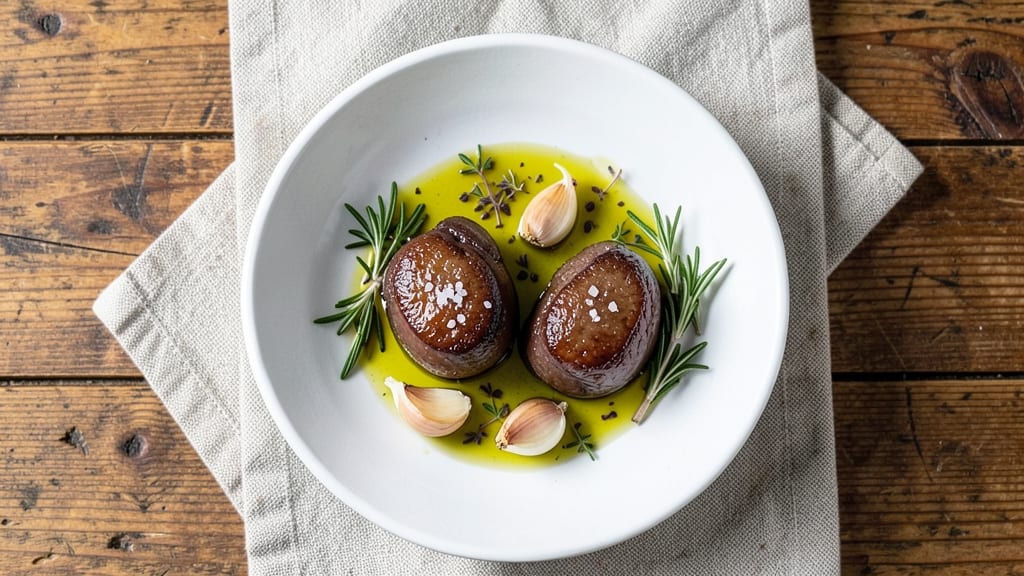
I remember the first time I tried beef kidneys—thick, gamey slices that needed the right technique to transform into something restaurant-worthy. This pan-seared recipe with garlic-herb crispy edges changes the game entirely. The key lies in proper preparation and high-heat searing to balance texture and flavor.
The method starts with trimming and soaking the kidneys to remove excess blood, followed by a quick marinade that tenderizes while adding depth. Pan-searing creates those coveted crispy edges while keeping the inside perfectly tender.
This isn't just another beef cut—it's a dish that proves kidneys can be elegant and delicious with the right approach.
By following this precise technique, you'll achieve perfectly seared kidneys with golden, crispy edges that contrast beautifully with the tender interior. The garlic-herb crust adds aromatic complexity that elevates what could be considered a polarizing ingredient into a star of the plate.
This dish pairs exceptionally well with roasted potatoes and a crisp white wine sauce, creating a complete meal experience. The crispy edges and tender center make every bite satisfying, proving that with the right technique, even challenging ingredients can shine.
Ingredients for beef kidneys
Transform gamey beef kidneys into restaurant-quality seared perfection with these carefully selected ingredients.
| Ingredient | Amount | Notes |
|---|---|---|
| Beef Kidneys 🥩 | 1 ½ lb | Fresh, trimmed of fat and membrane |
| Extra-Virgin Olive Oil 🫒 | ½ cup | High smoke point preferred |
| Garlic Cloves 🧄 | 8 cloves | Minced, fresh preferred |
| Fresh Rosemary 🌿 | ¼ cup | Finely chopped, stems removed |
| Fresh Thyme 🌿 | ¼ cup | Leaves only, finely chopped |
| Diamond Crystal Kosher Salt 🧂 | 1 ½ tbsp | For soaking and seasoning |
| Black Peppercorns 🌶️ | 1 tbsp | Freshly cracked |
| Unsalted Butter 🧈 | 4 tbsp | Cold, for basting |
| Lemon Juice 🍋 | 2 tbsp | Freshly squeezed |
| All-Purpose Flour 🌾 | ¼ cup | For dredging |
| White Wine 🍷 | ½ cup | Dry, for deglazing |
| Fresh Parsley 🌿 | ⅛ cup | Chopped, for garnish |
The quality of beef kidneys makes all the difference—opt for fresh, bright red kidneys from a trusted butcher or high-end grocery store like Whole Foods. Look for evenly sized kidneys with minimal fat, as these trim more cleanly and cook uniformly. The freshness date is critical—aim for kidneys that will be used within 2-3 days of purchase. For the herbs, fresh rosemary and thyme from the grocery store's produce section (not dried) provide the most aromatic depth. If using dried, reduce to one-third the amount, but fresh is non-negotiable for that restaurant-quality flavor.
No fresh herbs? Dried thyme and rosemary work at one-third the quantity, though texture will differ slightly. Substituting white wine with beef broth plus a splash of vinegar maintains acidity without altering the dish's integrity. For the olive oil, avoid infused oils—their flavors can compete with the delicate garlic-herb profile. The butter must be unsalted and cold for proper basting; salted butter disrupts the seasoning balance. If you can't find fresh parsley, cilantro works in a pinch, though it alters the classic presentation. Always trim kidneys thoroughly—removing the white membrane ensures a cleaner texture.
Kidneys should be used within 2 days of purchase for optimal tenderness. Store them airtight in the coldest part of your fridge, wrapped in paper towels to absorb moisture. Fresh herbs last 5-7 days when wrapped in damp paper towels and sealed in a bag. The flour can be stored indefinitely in a cool, dry place, while the white wine keeps 6-12 months unopened. For meal prep, sear the kidneys ahead and reheat gently in a skillet—they crisp best when fresh but reheat surprisingly well with a quick sear.
Why You'll Love This Recipe
- Pan-Fry Magic: I swear by this method—no fancy steps, just a hot pan, olive oil, and a quick sear. The kidneys brown in minutes, releasing that deep, meaty aroma while the garlic and rosemary turn the kitchen into a little Italian bistro.
- Herb-Packed Punch: That first bite? Crispy edges with a tender center, all wrapped in a garlicky, herby hug. Fresh thyme and rosemary cut through the richness—like a bright green scarf on a winter day.
- Weeknight to Weekend: Make it for a lazy Tuesday dinner or bring it to a potluck—it’s equal parts impressive and effortless. The leftovers reheat beautifully, so you’re not stuck eating kidneys twice in one night (unless you want to).
- Budget Powerhouse: Kidneys are cheaper than you think, and this recipe stretches them far. A single pound feeds four, with enough left for lunch the next day—no sad, wilted salads here.
Step-by-step instructions for pan-seared beef kidneys with garlic-herb crispy edges
Here's the method for achieving perfectly seared kidneys with a golden crust and tender interior.
Prepare and Soak the Beef Kidneys
Begin by trimming any remaining fat or membrane from the 1.5 lb beef kidneys using a sharp chef's knife. This ensures even cooking and prevents any bitter flavors from developing. Place the cleaned kidneys in a bowl and cover them completely with the 0.5 cup extra-virgin olive oil.
Add the 1.5 tbsp diamond crystal kosher salt and 1 tbsp freshly cracked black peppercorns, then toss gently to coat. Let the kidneys soak in the refrigerator for at least 2 hours, or preferably overnight. This step not only seasons the meat thoroughly but also helps tenderize the texture. The oil will penetrate the surface, ensuring a moist interior while creating the ideal conditions for that crispy exterior we're aiming for.
Create the Herb Butter and Sear the Kidneys
In a small bowl, combine the 4 tbsp cold unsalted butter, 0.25 cup finely chopped fresh rosemary, and 0.25 cup finely chopped fresh thyme. Set aside to soften slightly at room temperature. This herb butter will bast the kidneys during cooking, infusing them with aromatic flavors while promoting that coveted crispy texture.
Heat a large cast-iron skillet over medium-high heat until it's thoroughly preheated. Remove the kidneys from the oil and pat them dry with paper towels - this is crucial for achieving that crispy exterior. Add the kidneys to the skillet and sear for 2 minutes per side, pressing down gently with a spatula to ensure even contact with the hot surface. You'll know they're ready to flip when they release easily from the pan and develop a golden-brown crust.
Deglaze and Finish with White Wine and Lemon
Remove the seared kidneys from the skillet and set them aside on a warm plate. Immediately add the herb butter mixture to the skillet, allowing it to melt and bubble for 1 minute. Then pour in the 0.5 cup white wine and scrape up all the browned bits from the bottom of the pan using a wooden spoon. This deglazing step captures all the concentrated flavors that would otherwise be lost.
Return the kidneys to the skillet and spoon the wine reduction over them. Add the 2 tbsp freshly squeezed lemon juice and reduce the heat to medium-low. Let the kidneys simmer gently for 3-4 minutes, basting occasionally with the pan juices. The kidneys are done when they're tender throughout but still hold their shape - they should be just firm to the touch, not mushy. The exterior should be beautifully crispy with golden-brown edges.
Dredge and Serve with Fresh Parsley Garnish
In a shallow bowl, combine the 0.25 cup all-purpose flour with 1 tsp additional diamond crystal kosher salt. Lightly dredge each kidney in the flour mixture, shaking off any excess. Return the floured kidneys to the skillet for 30 seconds per side to create a delicate crust that will enhance the crispy texture.
Transfer the finished kidneys to a serving platter and immediately garnish with the 0.125 cup chopped fresh parsley. Serve while still hot, accompanied by crusty bread or a simple green salad. The combination of crispy edges, tender interior, and aromatic herb butter creates a restaurant-quality dish that's surprisingly simple to prepare at home.
Pro Tips For Making Beef Kidneys
- TRIM THE FAT PADS: Kidneys hold their fat in those little white pads—cut them off before cooking or they’ll turn greasy and ruin your pan. I learned this the hard way after serving a plate that looked like it had been dipped in lard. Use kitchen scissors for speed, but a sharp knife works too.
- SEAR ON HIGH HEAT: Get that pan screaming hot before adding the kidneys—think 450°F if you’ve got an oven thermometer. Medium heat makes them sweat instead of develop that caramelized crust. Flip just once, about 2 minutes per side, or they’ll turn tough.
- BRINE THE KIDNEYS: Toss them in cold water with 1 tablespoon salt per quart for 30 minutes before cooking. This keeps them tender and lets the herbs cling better. Skip this, and they’ll dry out fast—especially if you’re searing them straight from the fridge.
- USE WET HERBS: Tear the rosemary and thyme sprigs, then dip them in olive oil before adding to the pan. The moisture helps release their flavor, and the oil ensures they stick. Dry herbs? They’ll just burn and taste bitter. (Yes, even if you’re impatient like me.)
Troubleshooting perfect results
Undercooked Kidneys
If your kidneys still feel tough or rubbery after searing, they likely needed more time. The 3-4 minutes simmering phase is critical—reduce heat to medium-low and baste frequently with pan juices until they reach 145°F internal temperature.
Overcrowding the pan also causes uneven cooking; cook in batches if needed. I once forgot to baste and ended up with a dry exterior—oops! 🔥
Burnt Exterior
High heat can turn crispy edges into burnt crusts. Use medium-high heat (not high) and ensure your cast-iron skillet is preheated but not smoking. Pat the kidneys very dry before searing—even a little moisture will cause splattering and uneven browning. A Lodge cast-iron skillet works best for this technique.
Gamey Flavor
If kidneys taste overly gamey, the soaking step might not have been long enough. Extend the 2-hour salt-soak to 6 hours or overnight in the fridge. The salt draws out excess blood and blood vessels, which carry the strongest flavors.
I once rushed this step and the results were disappointing—trust the process! 💪
Sticky Pan Juices
Sticky residue happens when you don’t deglaze properly. After searing, immediately add ½ cup white wine and scrape up those browned bits—this is flavor gold! If you skip this, the juices will burn instead of becoming a rich sauce.
I learned this the hard way during my first attempt—now I never skip deglazing.
Mushy Texture
Overcooking is the culprit here. Kidneys should be firm to the touch but still juicy, not mushy. Remove them from heat when they reach 145°F internal temperature—use a meat thermometer to avoid guesswork.
I once overcooked mine by just 30 seconds and ruined the texture. Let them rest for 5 minutes before slicing to redistribute juices.
Nutrition facts
Frequently asked questions
Why do beef kidneys need soaking before cooking?
The soaking step removes excess blood and blood vessels, which carry the strongest gamey flavors. A 2-hour salt soak (or overnight) tenderizes the meat while drawing out impurities. This makes all the difference between tough, flavorful kidneys and perfectly balanced, restaurant-quality slices.
Can I cook beef kidneys without white wine?
Use a 1:1 substitute of dry beef broth plus 1 tablespoon vinegar (apple cider or white wine vinegar work best). The acidity helps break down the meat fibers just like wine would. For a non-alcoholic version, try ½ cup chicken broth + 1 tbsp lemon juice—it mimics the acidity and depth.
What's the best way to trim beef kidneys?
Start by removing the white membrane (connective tissue) on the back of each kidney—this is where bitterness hides. Use a sharp chef's knife to slice off any remaining fat or uneven edges. For even cooking, trim to roughly ½-inch thick slices if your kidneys are large. A butcher can do this for you if you're unsure!
How do I know when beef kidneys are fully cooked?
Kidneys are done when they reach an internal temperature of 145°F and feel firm to the touch but still juicy. The exterior should be golden-brown with crispy edges. Overcooking turns them mushy—remove them from heat just before they reach perfect doneness and let them rest for 5 minutes before serving.
What sides pair best with this recipe?
This dish shines with hearty sides like crispy roasted potatoes, creamy mashed potatoes, or a fresh green salad with balsamic vinaigrette. For extra richness, serve with a white wine sauce> or garlic butter polenta. The crispy edges contrast beautifully with soft, starchy sides.