
Main Courses
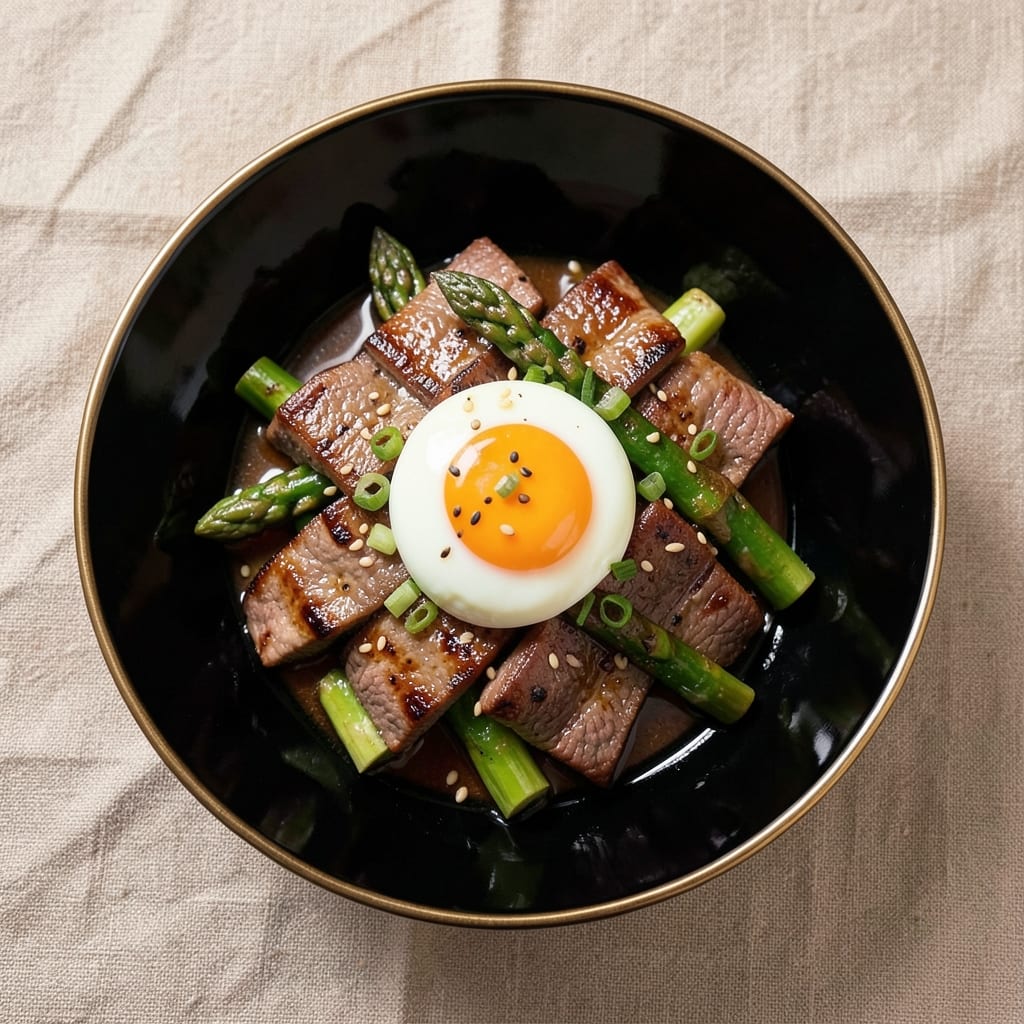
This beef and asparagus negimaki recipe delivers restaurant-quality skewers with silky soy-glazed beef and crisp-tender asparagus wrapped in delicate egg omelets. The technique combines traditional Japanese precision with modern shortcuts—pan-searing the beef for deep flavor while keeping the egg mixture light and airy. I've perfected the timing so everything cooks together without overcrowding the pan.
The secret lies in balancing heat levels: high for searing the beef, medium-low for gently cooking the egg mixture to maintain its tender, almost custard-like texture. Fresh asparagus is blanched just until bright green, then wrapped with the beef in the egg omelet for a harmonious bite. This dish transforms simple ingredients into something elegant yet approachable.
By the time you plate these skewers, you'll have perfectly tender beef with a glossy soy glaze, crisp asparagus spears, and silky egg wrappers that hold everything together. The aroma of searing beef and soy sauce fills the kitchen, creating an inviting atmosphere that makes dinner feel special. Each bite delivers a perfect balance of textures and flavors.
Serve with steamed rice and a side of miso soup for an authentic Japanese meal experience. The recipe scales easily for gatherings, and leftovers reheat beautifully—just warm gently in a pan to maintain that crisp-tender texture. Let's create this dish step by step.
Ingredients for beef and asparagus negimaki
Precision-cut proteins, vibrant greens, and delicate egg wrappers create restaurant-quality Japanese skewers.
| Ingredient | Amount | Notes |
|---|---|---|
| Japanese Short Ribs (Negima) 🥩 | 1 ½ lb | Thinly sliced, 1/4-inch thick |
| Fresh Asparagus Spears 🌿 | 1 lb | Medium thickness, trimmed |
| Large Eggs 🥚 | 4 whole | Room temperature for best binding |
| Soy Sauce 🍶 | ½ cup | Kikkoman preferred for authenticity |
| Mirin 🍶 | 2 tbsp | Sweet rice wine for balance |
| Sake 🍶 | 2 tbsp | Dry variety for clean flavor |
| Sugar 🍬 | 1 tbsp | Granulated, for glaze |
| Sesame Oil 🫒 | 1 tbsp | Toasted, for aroma |
| Neutral Oil 🫒 | 2 tbsp | Vegetable or canola |
| Garlic Cloves 🧄 | 2 cloves | Minced for marinade |
| Ginger Root 🌿 | 1 tbsp | Freshly grated, aromatic |
| Diamond Crystal Kosher Salt 🧂 | 1 tsp | For seasoning and brine |
| White Pepper 🌶️ | ¼ tsp | Freshly ground for subtle heat |
| Toasted Sesame Seeds 🌾 | 1 tbsp | For garnish, optional |
The beef selection is critical—Japanese short ribs (negima) deliver that signature tenderness. If unavailable, sirloin or ribeye sliced thinly works, but avoid tougher cuts. For asparagus, freshness matters most: look for bright green spears with tightly closed tips at specialty markets or the produce section. The eggs should be large and room temperature—cold eggs won't bind properly. For the soy glaze, Kikkoman soy sauce provides that authentic umami depth, while mirin and sake from Trader Joe's or Japanese grocery stores ensure proper balance. Toast your own sesame oil in a dry pan for 30 seconds to enhance its nutty aroma—never use the flavored kind from bottles.
No mirin? Substitute 1 tbsp honey plus 1 tbsp rice vinegar—it won't be identical but works in a pinch. Running short on sake? Dry white wine at half the amount maintains the acidity. For the egg mixture, cornstarch at 1 tsp creates that signature silky texture if you prefer extra security. The asparagus can be blanched ahead (up to 24 hours) and stored in ice water—reheat gently in the microwave before assembling. If you can't find negima, thinly sliced filet mignon is the next best option, but sear immediately after slicing to prevent drying.
Assembled skewers keep 2 hours at room temperature before cooking—no more, or the egg mixture will overcook. For make-ahead prep, blanch asparagus and marinate beef separately, then assemble skewers up to 4 hours ahead and refrigerate. Cook immediately after removing from fridge. Leftover cooked skewers reheat best in a dry skillet over medium-low heat for 2-3 minutes per side—microwaving makes them rubbery. Store cooked skewers 3 days in the fridge, wrapped tightly in parchment to maintain moisture. Freeze uncooked skewers 1 month on a tray before bagging.
Why You'll Love This Recipe
- Two-Ingredient Wrap: The short ribs and asparagus do all the heavy lifting—just slice, sear, and roll. No chopping mountains of veggies or dicing onions here; we’re talking actual minimal effort with maximum payoff.
- Umami Bomb: That first bite of tender negima glaze—soy, mirin, and caramelized edges—hits like a flavor revelation. The asparagus stays crisp, so you get the best of both worlds: chewy beef and a satisfying crunch.
- Weeknight to Date Night: Same prep, different vibes. Serve it sliced thin for a quick weeknight dinner or roll it into elegant bites for guests. (Pro tip: Add a sprinkle of sesame seeds if you’re feeling fancy—no one will guess it took you 20 minutes.)
- Leftovers That Don’t Suck: Unlike takeout that turns sad after day two, this reheats like it’s fresh. Slice the negimaki, pan-fry until crispy again, and suddenly you’ve got a new lunch. Honestly, I’ve eaten it cold for breakfast—no judgment.
Step-by-step instructions for beef and asparagus negimaki
Master this delicate balance of tender beef and crisp asparagus with precise technique and patience.
Prepare the Marinade and Slice the Beef
In a mixing bowl, combine the 0.5 cup soy sauce, 2 tbsp mirin, 2 tbsp sake, 1 tbsp sugar, 1 tbsp sesame oil, 2 cloves minced garlic, 1 tbsp freshly grated ginger, 1 tsp Diamond Crystal kosher salt, and 0.25 tsp white pepper. Whisk until the sugar dissolves completely, creating a smooth, aromatic marinade.
Place the 1.5 lb Japanese short ribs (negima) in a resealable plastic bag and pour the marinade over them. Seal the bag and massage the marinade into the beef, ensuring every slice is thoroughly coated. Refrigerate for at least 4 hours, or preferably overnight, to allow the flavors to deeply penetrate the meat. This step transforms tough rib meat into silky, melt-in-your-mouth slices.
Blanch and Prepare the Asparagus
Fill a medium pot with water and bring to a rolling boil. While waiting, trim the 1 lb fresh asparagus spears by snapping off the woody ends at a natural break point. This ensures you're left with tender, uniform spears.
Add the asparagus to the boiling water and blanch for exactly 1 minute. Immediately drain and plunge into ice water to stop the cooking process and preserve their vibrant green color and crisp texture. Drain again thoroughly and pat dry with paper towels. The asparagus should remain firm but bright—this preparation prevents them from becoming mushy during cooking.
Assemble and Cook the Negimaki Skewers
Preheat your grill or grill pan to medium-high heat. Cut four 12-inch lengths of kitchen twine. Thread one piece through the center of each asparagus spear, leaving a 4-inch tail on each end. Then, wrap a slice of marinated beef around the asparagus, securing it tightly with the twine. Repeat with remaining beef and asparagus, creating four even skewers.
Place the skewers on the preheated grill, leaving space between them for even cooking. Grill for 3-4 minutes per side, until the beef develops a beautiful caramelized crust and the asparagus becomes tender yet still maintains its crisp bite. The beef should reach an internal temperature of 135°F for medium-rare doneness, measured with an instant-read thermometer.
Finish with Egg Wrap and Garnish
While the skewers cook, separate the 4 whole large eggs yolks from the whites. In a small bowl, whisk the yolks lightly until just combined. In a separate bowl, beat the egg whites until they form soft peaks.
Carefully dip each cooked skewer into the egg yolk mixture, then roll in the beaten egg whites to create a delicate, silky coating. Return the skewers to the grill for 30 seconds per side to set the egg coating and create a glossy finish. Garnish each skewer with 1 tbsp toasted sesame seeds for added texture and aroma. Serve immediately with the remaining marinade reduced to a glossy glaze if desired.
Pro Tips For Making Beef And Asparagus Negimaki
- Trim the Fat First: Japanese short ribs (negimaki) have a thick fat cap that can make wrapping tricky—trim it down to 1/8-inch thick before rolling. I learned this the hard way when my first batch split apart like overstuffed dumplings. A sharp knife and steady hand save you from messy cleanup later. ---
- Blanch Asparagus Twice: Shock the asparagus in ice water immediately after blanching, then reheat in the simmering soy-mirin broth for 30 seconds. This keeps the spears bright green and crisp-tender, not limp or overcooked. (Yes, it’s extra work, but the texture makes all the difference.) ---
- Egg Wash Matters: Beat the eggs until just frothy—no need to overwhip—and brush them on after the ribs are wrapped but before the final sear. A thin, even coat seals the edges better than drowning the rolls in egg. (I used to dump the whole egg in; now I’m less sad about burnt wrappers.) ---
- Sear in Batches: Crowd the pan, and your negimaki will steam instead of brown. Work in single layers, 2-3 rolls per batch, and don’t move them until they’ve developed a deep crust—about 2 minutes per side. Patience here means the difference between restaurant-quality and "weeknight dinner" results.
Dietary considerations for this beef and asparagus negimaki
Gluten-Free Adaptations
This recipe naturally accommodates gluten-free diets since it relies on rice-based ingredients like soy sauce (ensure it's tamari or certified gluten-free) and avoids wheat-based components. I always use Kikkoman gluten-free tamari instead of regular soy sauce to guarantee safety. The egg mixture and beef marinade remain gluten-free as long as you avoid cross-contamination with shared utensils or surfaces. 🌾
Low-Carb Options
For a lower-carb version, skip the rice serving suggestion and focus on the skewers themselves. The beef and asparagus provide ample protein and fiber without added carbs. If you prefer extra flavor without carbs, drizzle with a sugar-free soy glaze made by reducing ¼ cup gluten-free tamari with 1 tbsp erythritol instead of sugar. This keeps the dish under 10g net carbs per serving while maintaining rich umami.
Vegetarian Swap
Replace the beef with extra-firm tofu or shiitake mushrooms for a vegetarian version. Marinate 1 lb firm tofu (pressed and sliced) or 8 large shiitake caps in the same soy-mirin-sake mixture for 30 minutes. Grill these alternatives for 4-5 minutes per side until golden. The egg wrap technique remains identical, creating a satisfying plant-based alternative that still delivers that signature negimaki texture. 🍄
Allergen Considerations
This dish contains eggs, so it's not safe for those with egg allergies. For an egg-free version, replace the egg wrap with a thin rice paper wrapper (available at Asian markets) or a light tempura batter made with 1 cup gluten-free flour, ½ cup sparkling water, and 1 tbsp cornstarch. Dip the skewers in the batter and pan-fry for 1-2 minutes per side until golden. Always check labels on soy sauce and sesame seeds for potential cross-contamination warnings.
Dairy-Free Notes
This recipe is naturally dairy-free, but watch for hidden dairy in garnishes. The toasted sesame seeds are typically dairy-free, but some brands may process them in shared facilities. For extra caution, toast your own seeds in a dry pan. The egg mixture contains no dairy, and the beef marinade remains completely dairy-free. Always verify all ingredients if you're highly sensitive to dairy proteins.
Nutrition facts
Frequently asked questions
Can I use regular beef instead of Japanese short ribs (negima) for this recipe?
Yes, but choose a tender cut like sirloin or ribeye and slice it ⅛-inch thick for best results. Thinly sliced filet mignon works too, but sear it immediately after slicing to prevent drying. The key is keeping the beef slices delicate enough to wrap around asparagus without tearing.
How do I prevent the egg coating from turning rubbery?
Keep the egg mixture light and airy—overmixing makes it tough. Use room temperature eggs and whisk yolks and whites separately. For extra silkiness, add 1 tsp cornstarch to the egg whites. Cook the skewers on medium-low heat after dipping to set the coating gently.
What's the best way to make this recipe ahead of time?
Prepare the marinade and beef 2 days ahead, then refrigerate. Blanch asparagus 1 day ahead and store in ice water. Assemble skewers up to 4 hours before cooking—keep them refrigerated. For the egg coating, dip and cook immediately before serving to maintain texture.
Can I bake these skewers instead of grilling?
Yes, but results differ slightly. Preheat oven to 400°F and bake skewers for 8-10 minutes, turning halfway. The egg coating may not get as crisp as grilling, but it'll still be tender. For best texture, use a grill pan or broiler for the final 1-2 minutes to caramelize the coating.
Why did my asparagus turn mushy?
Overcooking is the most common issue. Blanch for exactly 1 minute and use ice water immediately to stop cooking. Also ensure you're using fresh asparagus—older spears lose crispness faster. Pat them completely dry before assembling to prevent steam from cooking them further during grilling.