
Soups & Stews
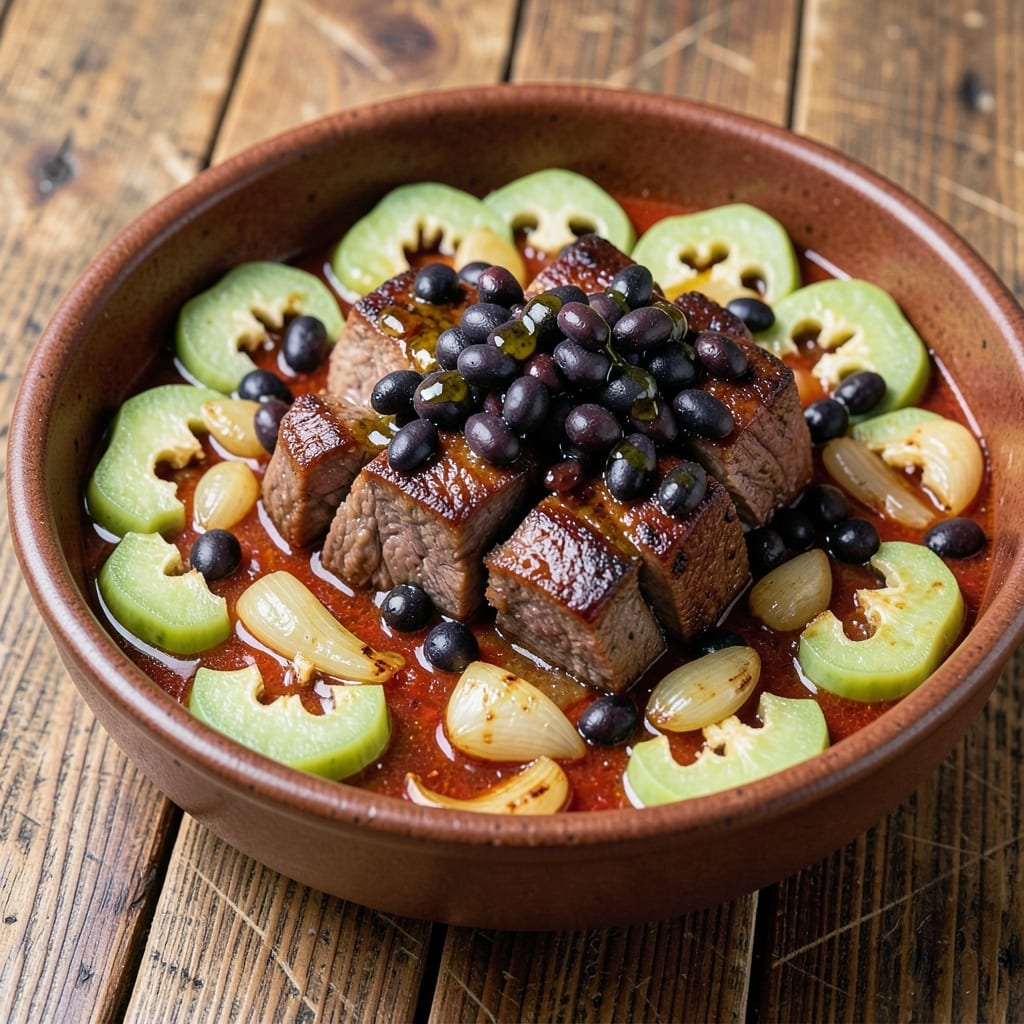
This one-pot beef ampalaya with black beans recipe brings bold Filipino flavors to your table in under 60 minutes. The secret lies in balancing bitter ampalaya (bitter melon) with rich beef and hearty black beans, creating a dish that's both comforting and complex. I developed this version to simplify traditional methods while keeping the authentic taste—no complicated steps, just deep, satisfying flavors.
What makes this recipe special is how the ingredients work together: tender beef simmers in a savory tomato base, while ampalaya softens just enough to mellow its bitterness. Black beans add substance and earthy depth, turning this into a complete meal in one pot. The aromas alone—garlic, onions, and slow-cooked beef—will have everyone at the table asking for seconds.
The result is a hearty stew with tender beef, perfectly cooked ampalaya, and black beans that soak up all the rich flavors. Serve it over steamed rice to soak up every last drop of that flavorful broth, or pair it with garlic fried rice for a more filling meal. This dish proves that one-pot meals can be just as impressive as they are convenient.
Whether you're feeding a family or meal prepping for the week, this recipe delivers restaurant-quality Filipino comfort food without the fuss. Let's get cooking!
Ingredients for beef ampalaya with black beans
Pantry staples meet Filipino flavors in this one-pot beef and bitter melon dish.
| Ingredient | Amount | Notes |
|---|---|---|
| Beef Chuck Roast 🥩 | 1 ½ lb | Cut into 1-inch cubes |
| Ampalaya (Bitter Melon) 🍈 | 1 whole | Peeled, deseeded, cut into chunks |
| Black Beans 🌱 | 1 cup | Dry or canned (drained) |
| Yellow Onion 🧅 | 1 whole | Diced, medium size |
| Garlic Cloves 🧄 | 6 cloves | Minced, fresh preferred |
| Canned Tomatoes 🍅 | 14 ½ oz | San Marzano preferred |
| Tomato Paste 🍅 | 2 tbsp | Squeeze tube or canned |
| Olive Oil 🫒 | 2 tbsp | Extra-virgin for richness |
| Salt 🧂 | 1 ½ tsp | Kosher or sea salt |
| Black Pepper 🌶️ | ½ tsp | Freshly ground preferred |
| Bay Leaves 🌿 | 2 whole | Dried, crushed lightly |
| Ground Cumin 🌿 | 1 tsp | Toasted for deeper flavor |
| Dried Thyme 🌿 | 1 tsp | Or 1 tbsp fresh |
| Soy Sauce 🍶 | 1 tbsp | Light or regular |
| Water 💧 | 2 cups | Or beef broth |
The beef is the backbone—chuck roast delivers that melt-in-your-mouth texture, but sirloin works in a pinch if you're short on time. Ampalaya (bitter melon) can be tricky to find fresh, so Filipino markets or Asian grocery stores are your best bet. If you can't find it, substitute with zucchini or eggplant, but expect less bitterness. The black beans? Canned is fine, but dry beans give better texture if you've got the time. For the tomatoes, San Marzano is ideal—sweeter and less acidic—but any quality canned tomatoes will do.
No soy sauce? Oyster sauce or Worcestershire adds depth, though the flavor will differ slightly. Running low on tomato paste? Fresh tomatoes blended work too—just add a pinch more salt. The garlic and onions are non-negotiable here, though. Fresh garlic makes all the difference, and yellow onions add that sweetness that balances the bitterness. For the spices, toast your cumin seeds in a dry pan for 30 seconds before grinding—trust me, it's worth the minute. If you're using fresh thyme, double the amount listed for dried.
This dish tastes even better the next day as flavors meld. Store leftovers in an airtight container in the fridge for up to 5 days, or freeze for 3 months. I like to portion mine into containers for easy lunches—just reheat with a splash of water. The ampalaya will soften further when reheated, so keep that in mind if you're serving it immediately. For extra richness, stir in a spoonful of olive oil when reheating.
Why You'll Love This Recipe
- One-Pot Magic: Honestly, I swear by this recipe for lazy nights—the beef, ampalaya, and black beans all simmer together in one pot. No chopping mountains of veggies or juggling multiple pans; just slice the bitter melon (carefully, it’s slippery!), brown the chuck roast, and let the flavors meld.
- Umami Bomb: Between us, the combo of slow-cooked beef and black beans with that deep garlic-onion base is ridiculously good. The bitter melon softens into something almost sweet, and the beans add this earthy richness that balances everything perfectly.
- Lunchbox Hero: Here’s what sold me—this dish reheats like a dream. Pack leftovers for work or school, and it’s still hearty and satisfying hours later. My kids actually ask for it in their lunches (yes, even on a Tuesday).
- Budget Stretch: A pound of chuck roast and a can of black beans go a long way, and ampalaya is cheaper than you’d think at Asian markets. I’ve fed six people for under $15 with this—no fancy ingredients, just pure, filling flavor.
Step-by-step instructions for beef ampalaya with black beans
This one-pot Filipino masterpiece combines tender beef, bitter melon, and hearty black beans in a rich, aromatic sauce.
Sear the Beef and Sauté Aromatics
Heat the 2 tablespoons olive oil in a large, heavy-bottomed pot over medium-high heat. Add the 1.5 lb beef chuck roast cut into 1-inch cubes and sear for 3-4 minutes until the beef develops a deep golden-brown crust. This step is crucial—it locks in flavor and prevents the beef from becoming tough during the long simmer.
Remove the beef from the pot and set aside. In the same pot, add the diced yellow onion and cook for 3 minutes until softened. Add the 6 cloves minced garlic and cook for another 30 seconds until fragrant. You'll notice the kitchen fill with that irresistible garlic aroma—this is where the foundation of your dish's flavor begins to build.
Build the Flavor Base
Lower the heat to medium and stir in the 2 tablespoons tomato paste and 1 tablespoon soy sauce. Cook for 1 minute to toast the tomato paste slightly—this deepens its flavor significantly. Add the 1 cup black beans, 14.5 oz canned tomatoes, 2 cups water, 1.5 teaspoons salt, 0.5 teaspoon black pepper, 1 teaspoon ground cumin, 1 teaspoon dried thyme, and 2 whole bay leaves.
Return the beef to the pot and bring everything to a gentle boil. Once boiling, reduce the heat to low and cover partially with a lid. Let it simmer for 45 minutes without disturbing it. This initial simmering time allows the beef to begin tenderizing while the flavors meld together. The liquid should reduce slightly, creating a thicker base for your sauce.
Incorporate the Ampalaya and Simmer
After 45 minutes, add the 1 whole peeled and chunked ampalaya (bitter melon) to the pot. Stir gently to distribute it evenly throughout the mixture. The bitter melon will release its distinctive flavor as it cooks, balancing the richness of the beef and beans. Return the heat to medium-low and continue simmering for another 30-40 minutes.
During this time, check the liquid level occasionally. If it becomes too thick, add ¼ cup water at a time to maintain a saucy consistency. The beef should be fork-tender by the end of this cooking time, and the ampalaya should be soft yet still holding its shape. The sauce should coat the back of a spoon and have a rich, slightly tangy flavor from the tomatoes and bitter melon.
Adjust Seasoning and Finish
Once the beef is tender and the ampalaya is cooked through, remove the 2 bay leaves from the pot. Taste the sauce and adjust the seasoning if needed. You might need to add a bit more salt or soy sauce to balance the flavors—Filipino cuisine often relies on bold seasoning, so don't be shy with adjustments.
Let the dish simmer uncovered for an additional 5 minutes to allow any excess liquid to evaporate and the flavors to concentrate. The final texture should be thick enough to coat the back of a spoon but still saucy enough to cling to each bite of beef and bean. The aroma should be rich and complex, with notes of garlic, cumin, and the distinctive bitter melon.
Pro Tips For Making Beef Ampalaya With Black Beans
- Sear the Beef First: I learned this the hard way—skipping the sear means your chuck roast will turn out dry no matter how long you braise it. Get that pan screaming hot, pat the beef dry, and let it develop a deep crust before adding any liquid. That crust locks in flavor and moisture, especially important for tougher cuts like chuck.
- Peel the Ampalaya Right: Ampalaya’s bitterness is real, but the skin’s texture is worse—rubbery and unappetizing. After slicing, scrape off the skin with a spoon before dicing, not after. I used to waste time trying to cut around it, but peeling first makes the prep faster and the dish cleaner.
- Don’t Crowd the Pot: Black beans and ampalaya release a ton of liquid as they cook, but if you dump everything in at once, you’ll end up with soggy beef instead of tender. Start with half the beans and onions, let them soften, then add the beef and remaining ingredients. This keeps the beef from steaming instead of braising.
- Use Sautéed Garlic: Raw garlic in this dish just tastes sharp and medicinal. Sauté the minced cloves in oil until they’re golden—about 30 seconds—before adding them to the pot. It mellows the flavor and adds a depth that raw garlic never will. (Yes, even if you’re impatient like me.)
Pro cooking tips for beef ampalaya with black beans
Sear Like a Pro
That golden-brown crust on your beef isn't just for looks—it's where the Maillard reaction happens, creating deep, complex flavors. Use a heavy-bottomed pot (I love my All-Clad) to distribute heat evenly and prevent hot spots. Sear the beef in batches if needed, but don't overcrowd the pan—this ensures maximum contact with the hot surface. A meat thermometer helps here: pull the beef when it reaches 145°F internal temperature before removing it to build the sauce. 🔥
Balance the Bitterness
Ampalaya's bitterness is what makes this dish special, but too much can overwhelm. Start by peeling and deseding the melon completely—this removes some of the bitter compounds. For extra insurance, blanch the chunks in boiling water for 2 minutes before adding them to the pot. This softens them slightly and mellows the flavor. If you're using zucchini as a substitute, reduce the cooking time by 10 minutes—it cooks faster than ampalaya.
Layer Flavors Strategically
Filipino cooking relies on building layers of flavor in the right order. First, toast your tomato paste until it darkens slightly—this removes the raw taste and adds depth. Then, add your soy sauce and cumin to form the base. The black beans should be added early so they absorb all those rich flavors during the long simmer. I like to mash a few beans with a fork at the end to create a thicker, more cohesive sauce. 💛
Simmer Control is Key
Low and slow is the name of the game here. Maintain a gentle simmer (small bubbles at the edges) rather than a rolling boil to prevent the beef from toughening. If your pot gets too dry, add water or beef broth in small increments—never all at once. The sauce should reduce naturally, creating a glossy, concentrated flavor. I check the beef's tenderness by piercing it with a fork—it should slide in easily when it's ready. ⏰
Final Flavor Boost
The last 5 minutes of uncovered simmering are crucial for concentrating flavors and creating that perfect sauce consistency. If your dish needs more brightness, add a splash of lemon juice or a pinch of sugar to balance the bitterness. For extra richness, stir in 1 tablespoon butter at the end—it melts beautifully into the sauce. Taste as you go: Filipino dishes often need more salt than we're used to, so don't hesitate to adjust. 💡
Nutrition facts
Frequently asked questions
Why does ampalaya taste so bitter, and how do I reduce it?
The bitterness in ampalaya (bitter melon) comes from natural compounds that mellow when cooked properly. To reduce bitterness, peel and deseed the melon completely before cutting it into chunks. For extra insurance, blanch the pieces in boiling water for 2 minutes before adding them to the pot. If using zucchini as a substitute, reduce cooking time by 10 minutes since it's less bitter and cooks faster.
Can I use canned ampalaya instead of fresh?
Yes, but the texture and flavor will differ slightly. Canned ampalaya is pre-cooked and much softer, so you'll want to add it 10 minutes before the dish is done to avoid mushiness. Drain and rinse it well to remove excess liquid. For best results, use Filipino-style canned ampalaya available in Asian markets—it's specifically prepared for dishes like this.
How do I make this dish spicier?
For more heat, add ½ teaspoon ground chili flakes or 1 sliced chili pepper when sautéing the aromatics. You can also stir in 1 tablespoon sriracha or 1 teaspoon cayenne pepper during the final 5 minutes of simmering. Remember, Filipino cuisine often balances heat with sweetness—consider adding a pinch of sugar if you go too spicy.
What's the best way to reheat leftovers?
Reheat leftovers in a pot over medium-low heat with 2 tablespoons water or beef broth to prevent drying out. Cover and simmer for 5-7 minutes, stirring occasionally. For extra richness, stir in 1 tablespoon olive oil or butter at the end. The ampalaya will soften further when reheated, so serve it immediately if you prefer firmer texture.
Can I make this dish in an Instant Pot?
Sauté the beef and aromatics first, then add all ingredients except ampalaya. Cook on high pressure for 20 minutes, then add ampalaya and cook for an additional 5 minutes on high pressure. Quick release the pressure and adjust seasoning. The Instant Pot version cooks 40% faster but may need slightly more liquid to prevent sticking.