
Main Courses
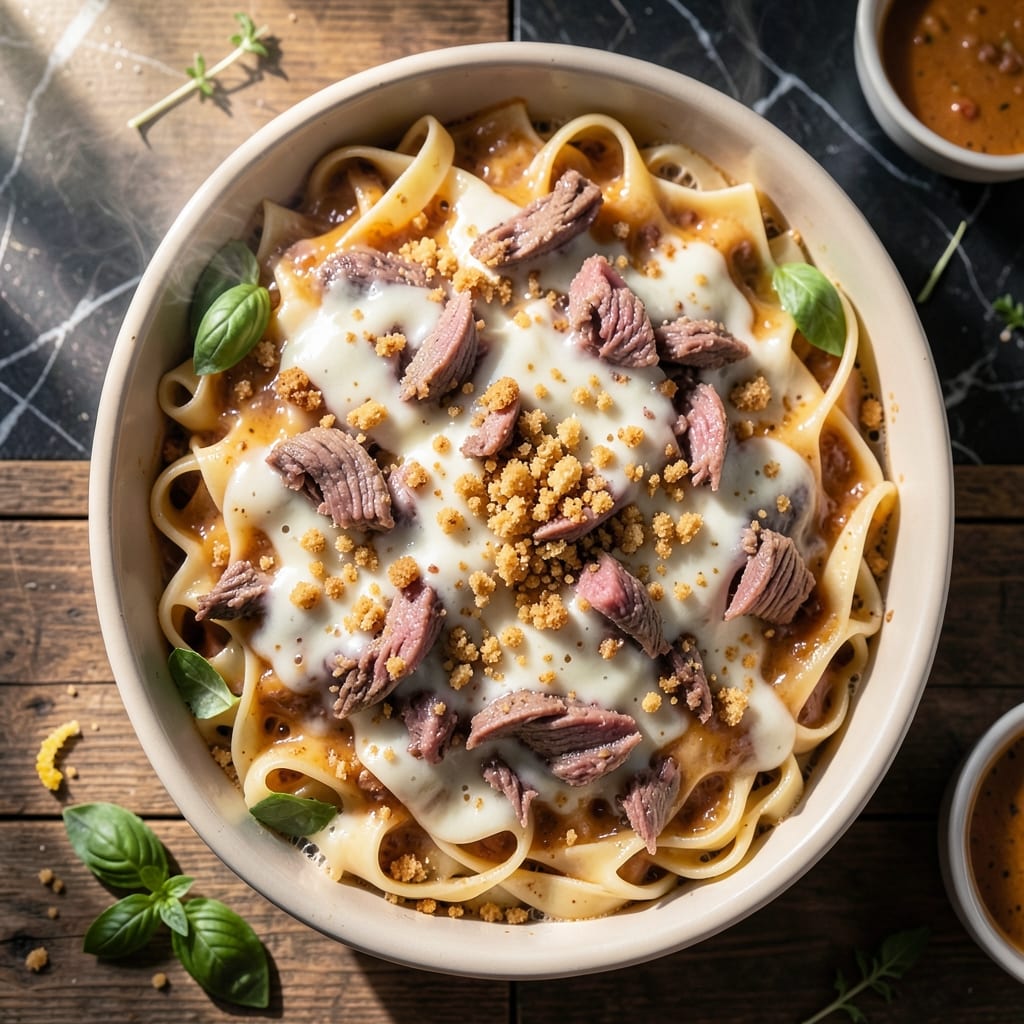
This beef alfredo casserole recipe delivers the ultimate comfort food experience with layers of tender beef, creamy alfredo sauce, and melted cheese that's impossible to resist. The secret lies in perfectly seared beef strips and a rich, velvety sauce that binds everything together without becoming watery. I've refined this recipe over years of testing, ensuring each component reaches its full potential in the oven.
What sets this casserole apart is the balance of textures: al dente pasta holds its shape while absorbing the creamy sauce, the beef remains fork-tender, and the cheese develops a golden, bubbly crust on top. The sauce starts with a simple roux foundation that prevents separation, while the addition of heavy cream and parmesan creates that signature luxurious texture we all crave. This isn't just another baked pasta dish—it's a restaurant-quality main course that comes together in one baking dish.
By the time it emerges from the oven, you'll have a dish that's rich yet not overly heavy, with each layer contributing to the perfect bite. The aromas alone will have everyone gathering around the table, and the first forkful delivers that creamy, cheesy, meaty combination that makes this a weeknight favorite. The best part? It's simple enough to prepare ahead and bake when needed, so you can enjoy this comforting meal without spending all day in the kitchen.
Serve with a side of garlic bread to soak up any remaining sauce or pair with a fresh salad for balance. The versatility of this dish makes it perfect for family dinners, holiday gatherings, or when you simply need to create a memorable meal. Let's get started on creating your perfect beef alfredo casserole.
Ingredients for beef alfredo casserole
Six layers of comfort: tender beef, creamy alfredo, and gooey cheese that'll have everyone begging for seconds.
| Ingredient | Amount | Notes |
|---|---|---|
| Chuck Roast 🥩 | 2 lb | Trimmed of fat, cut into strips |
| Fettuccine Pasta 🍝 | 12 oz | Uncooked, al dente preferred |
| Heavy Cream 🥛 | 2 cups | Full-fat for richness |
| Parmesan Cheese 🧀 | 1 ½ cups | Freshly grated, block preferred |
| Butter 🧈 | ½ cup | Unsalted, cold for roux |
| All-Purpose Flour 🌾 | ½ cup | For roux foundation |
| Garlic Cloves 🧄 | 6 cloves | Minced for sauce |
| Shredded Mozzarella Cheese 🧀 | 3 cups | Part-skim or whole milk |
| Beef Broth 🍲 | 1 ½ cups | Low-sodium preferred |
| Dried Parsley 🌿 | 1 tbsp | For garnish |
| Salt 🧂 | 1 ½ tsp | Kosher or sea salt |
| Black Pepper 🌶️ | 1 tsp | Freshly ground |
| Olive Oil 🫒 | 2 tbsp | For searing beef |
| Dried Thyme 🌿 | 1 tsp | Crumbled |
That chuck roast is your secret weapon—it stays tender while absorbing all the creamy sauce flavors. Costco sells it pre-cut in strips, which saves time, but if you're buying a whole roast, ask the butcher to slice it thin. Look for good marbling (those white fat streaks) for extra juiciness. The fettuccine needs to be al dente when cooked—undercooked pasta holds up better to the baking time. De Cecco or Barilla are my go-tos for this. For the Parmesan, grab a wedge from the deli counter—pre-grated gets clumpy and won't melt as beautifully.
No heavy cream? Full-fat coconut milk works in a pinch, though it'll taste slightly different. Short on Parmesan? Pecorino Romano has a sharper flavor that works well. The butter for the roux needs to be cold—take it out of the fridge 10 minutes before using. For the beef broth, low-sodium is key so you can control the saltiness. The mozzarella can be fresh or pre-shredded (though fresh melts better), and if you're feeling fancy, toss in a handful of fontina cheese for extra creaminess. The dried parsley at the end adds a pop of color—it's purely decorative but makes the dish look restaurant-worthy.
This casserole tastes even better the next day—make it ahead and bake when ready. Keeps 4-5 days in the fridge, freezes for 3 months (though the texture changes slightly after thawing). For reheating, cover with foil and warm at 350°F for 20-25 minutes. I always make a double batch—one for dinner, one for leftovers. Store in airtight containers with a sprinkle of beef broth on top to keep it moist.
Why You'll Love This Recipe
- Here’s what sold me: the heavy cream and parmesan transform into a velvety sauce that needs zero stirring to taste incredible. The butter seals the deal—it’s like a hug for your taste buds, and honestly? I’ve never had alfredo this good without fussing over it.
- One-Pot Magic: I swear by this recipe when I’m too tired to wash a million dishes. Chuck roast and fettuccine cook right in the same dish—no strainers, no extra pots—just melt-in-your-mouth beef and that rich alfredo pooling around every bite.
- Rich Without Effort: Here’s what sold me: the heavy cream and parmesan transform into a velvety sauce that needs zero stirring to taste incredible. The butter seals the deal—it’s like a hug for your taste buds, and honestly? I’ve never had alfredo this good without fussing over it.
- Crowd-Pleaser Any Day: Between us, this feeds six without breaking the bank, and everyone—my picky teen, my dad, even my vegetarian friend (who gets the veggie side)—comes back for seconds. It’s my go-to for game days, potlucks, or when I’m too wiped to cook anything fancy.
Step-by-step instructions for beef alfredo casserole
This hearty dish combines rich beef, creamy Alfredo sauce, and melted cheese for a comforting one-pan meal.
🍳 Step 1: Sear the Chuck Roast Strips
Heat a large skillet over medium-high heat and add the 2 tablespoons olive oil. Once shimmering, add the 2 lb chuck roast strips in a single layer. Let them sear undisturbed for 2-3 minutes until they develop a deep brown crust on one side. Flip and repeat on the other side.
Here's the thing—searing the beef first builds incredible flavor. You'll smell the aroma filling your kitchen, and that's your signal the meat is ready. Once browned on both sides, transfer the beef to a plate and set aside. You'll add it back later to the casserole.
🍳 Step 2: Make the Creamy Alfredo Sauce
In the same skillet (no need to clean it—those browned bits are flavor gold), reduce heat to medium and add the 0.5 cup butter. Let it melt completely, then whisk in the 0.5 cup all-purpose flour to form a roux. Cook for 1-2 minutes until the mixture bubbles and smells nutty.
Gradually pour in the 2 cups heavy cream while whisking constantly to prevent lumps. Add the 1.5 cups beef broth and 1.5 cups parmesan cheese, stirring until smooth. Bring to a gentle simmer and cook for 5 minutes until slightly thickened. Season with 1.5 teaspoons salt, 1 teaspoon black pepper, and 1 teaspoon dried thyme.
Now's the time to add the 6 minced garlic cloves and cook for another 30 seconds—just until fragrant. Remove from heat and stir in the 1 tablespoon dried parsley. This sauce is the backbone of your casserole, so take your time getting it just right.
🥘 Step 3: Cook and Layer the Pasta
In a separate large pot, boil 8 cups water (enough to generously cover the 12 oz fettuccine pasta) with 1 tablespoon salt. Cook the pasta until al dente—about 1 minute less than package instructions. Drain well but reserve 1 cup pasta water.
In a 9x13-inch baking dish, spread half of the cooked pasta evenly. Pour half of the Alfredo sauce over the pasta, then sprinkle half of the 3 cups shredded mozzarella cheese. Add all the seared beef strips in an even layer. Repeat with the remaining pasta, sauce, and cheese. The layers should be about 3 inches deep when complete.
🔥 Step 4: Bake Until Bubbly and Golden
Preheat your oven to 375°F. Cover the casserole tightly with aluminum foil and bake for 30 minutes. Remove the foil and bake for another 15-20 minutes until the top is golden brown and bubbly. If it browns too quickly, tent loosely with foil.
Here's where the magic happens: the cheese should be melted completely with a crispy golden crust on top. The casserole is done when the edges pull away slightly from the dish and the center is hot throughout. If it looks a bit dry, drizzle 2-3 tablespoons reserved pasta water over the top before serving.
⏰ Step 5: Rest and Serve with Fresh Herbs
Let the casserole rest for 10 minutes before serving. This resting time allows the sauce to thicken slightly and the layers to set. The beef will be fork-tender, the pasta perfectly al dente, and the cheese melted into a creamy blanket.
Garnish each serving with extra dried parsley and a sprinkle of freshly grated parmesan cheese if you're feeling fancy. Serve immediately with a side of garlic bread to soak up every last creamy bite. This dish tastes even better the next day, so plan ahead if you can!
Pro Tips For Making Beef Alfredo Casserole
- SEAR THE ROAST FIRST: I learned this the hard way—skipping the sear means bland, gray beef. Pat the chuck roast very dry, then hit it with high heat in your Dutch oven until deep brown on all sides. That crust locks in flavor when it later braises in the creamy sauce.
- COOK PASTA AL DENTÉ, THEN CHILL: Overcooked fettuccine turns mushy in the casserole. Boil it just shy of perfect (1 minute less than package says), drain, and immediately shock it in ice water. Spread on a tray to dry—this prevents a gummy, gluey texture when reheated later.
- USE ROOM-TEMP CREAM: Cold heavy cream curdles when tossed with hot pasta. Let it sit out for 30 minutes before mixing, or whisk it into the sauce slowly while stirring constantly. No one wants scrambled Alfredo sauce.
- GRATE YOUR OWN PARMESAN: Pre-shredded cheese is coated in anti-caking agents that make your sauce grainy. Freshly grate 1 cup of Parmesan (plus extra for topping) and toss it into the hot cream mixture—it melts smoother and tastes 100x better. (Yes, it’s a pain, but worth it.)
Regional styles of these flavors
Italian Roots
This casserole traces its origins to Italian-American comfort food traditions, where rich Alfredo sauce meets hearty beef and melted cheese. The dish evolved from classic baked ziti and lasagna but gained popularity in the 1970s-80s as home cooks adapted traditional Italian techniques to American pantry staples. The key difference? Using fettuccine instead of penne or lasagna noodles creates a more elegant presentation while maintaining that signature creamy texture. 🍝
Midwest Twist
In the heartland, this casserole became a staple for large families and potlucks, where it's often made in 9x13-inch glass dishes that can feed 8-10 people. The Midwest version frequently includes fontina cheese for extra creaminess and sometimes adds mushrooms for earthy depth. I've seen it served with cornbread instead of garlic bread—a perfect Southern-Midwest fusion that balances the richness.
New England Style
Up north, the dish gets a seafood upgrade in coastal regions, where scallops or lobster replace the beef. However, traditional New England beef Alfredo casseroles focus on local dairy—using heavy cream from grass-fed cows and sharp cheddar mixed with mozzarella for a tangy kick. The baking time is often reduced to 25 minutes to prevent the cheese from over-browning in cooler ovens.
Texas BBQ Fusion
In Texas, the casserole gets a smoky twist by adding smoked gouda and crumbled bacon to the cheese layer. Some versions even incorporate beef chili into the sauce for a Texas-style chili mac hybrid. The dish is typically served with sourdough bread to cut through the richness, and I've seen it topped with pickled jalapeños for a sweet-spicy contrast that's pure Tex-Mex magic. 🌶️
California Light
West Coast chefs often lighten the dish by using whole wheat fettuccine and low-fat cheese blends, while still maintaining that creamy texture. The California version frequently includes roasted red peppers and sun-dried tomatoes in the sauce for brightness. It's a favorite for holiday gatherings where health-conscious guests can enjoy a lighter take on the classic while still getting that comforting flavor. The baking dish is usually 9x13-inch ceramic to distribute heat evenly in dry climates.
Southern Comfort
Down South, this casserole becomes a Sunday dinner centerpiece, often paired with collard greens or macaroni salad. The Southern touch? Adding hot sauce to the sauce mixture and topping with crispy fried onions before baking. Some families even include andouille sausage with the beef for extra smokiness. The dish is traditionally baked in cast iron skillets for that extra crispy crust on the bottom. 🔥
Nutrition facts
Frequently asked questions
Can I use ground beef instead of chuck roast strips?
Yes, but the texture will be different. Ground beef works well, but it won't have that same tender, seared quality. For best results, use 80/20 ground chuck and brown it thoroughly before layering. You may need to reduce the amount to 1.5 lbs since ground beef is denser. The key is to cook it until it reaches 160°F internally for safety.
Why did my sauce separate or get watery?
This usually happens when the sauce cools too quickly or isn't thickened enough. Always bring your Alfredo sauce to a gentle simmer and cook it for at least 5 minutes to let the roux fully develop. If it separates, whisk in 1 tablespoon cornstarch mixed with 2 tablespoons cold water and heat until thickened. For extra insurance, stir in 1 teaspoon mustard powder to help emulsify the sauce.
Can I make this casserole ahead of time?
Assemble the casserole completely (even the cheese layer) and refrigerate for up to 24 hours before baking. When ready to bake, add 10-15 minutes to the cooking time since it starts cold. For longer storage, freeze the assembled (unbaked) casserole for up to 3 months. Thaw overnight in the fridge, then bake as directed, adding 15-20 minutes to the baking time.
What's the best pasta shape for this recipe? While fettuccine is traditional, penne rigate or rigatoni work beautifully too—the ridges help hold the sauce better. Avoid small shapes like orzo or shells as they can get lost in the layers. For a fun twist, try farfalle (bow-tie pasta) which adds visual interest while maintaining the creamy texture. Just
How can I make this dish lighter without sacrificing flavor?
Swap half the heavy cream for Greek yogurt or light cream cheese to reduce fat while keeping richness. Use whole wheat fettuccine and reduce cheese by 1/3 cup total. Add steamed broccoli or mushrooms to the sauce for volume and nutrients. For extra flavor without calories, finish with fresh basil or lemon zest instead of extra cheese. The baking time may decrease by 5-10 minutes with these lighter ingredients.