Main Courses
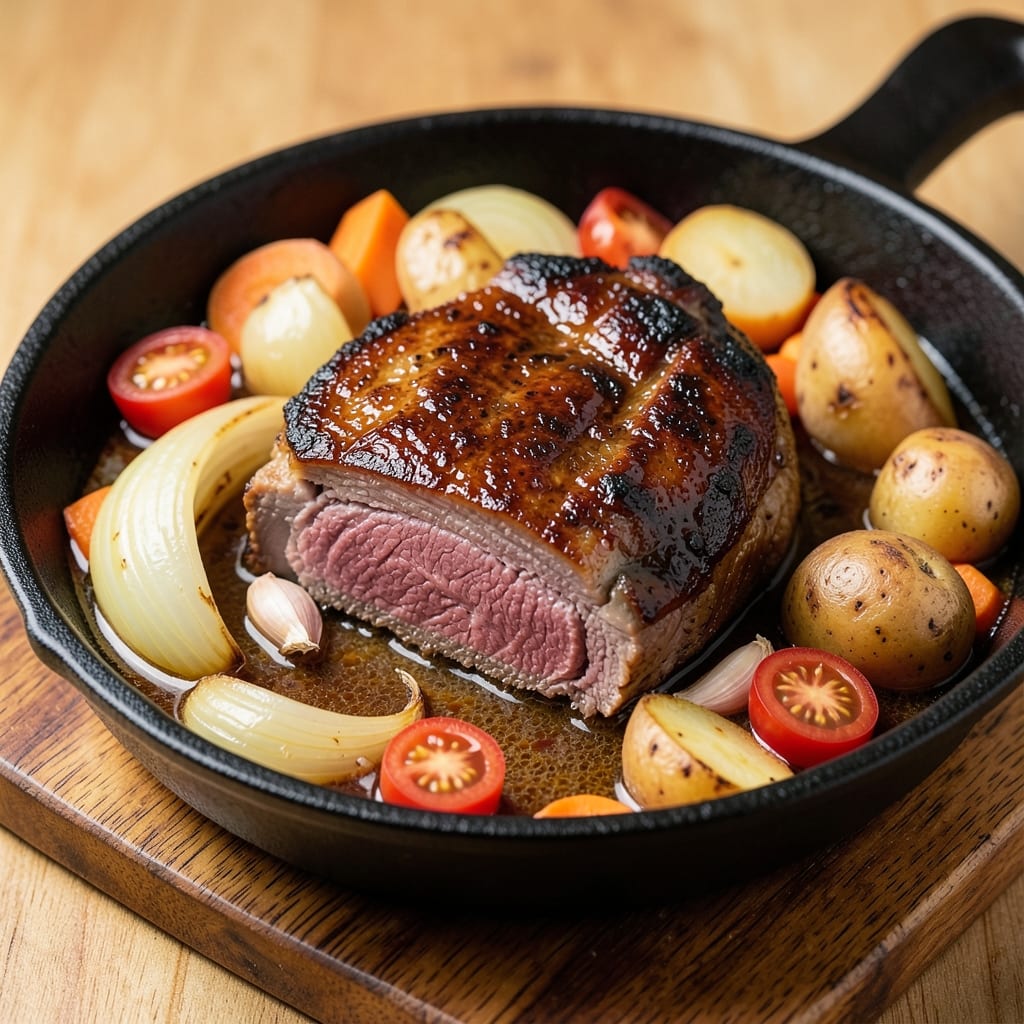
This beef ajou recipe delivers the deep, savory comfort of Filipino home cooking—tender beef braised until fall-apart tender, paired with crispy bread that soaks up every rich drop. 💛 The secret lies in slow simmering, where garlic, tomatoes, and onions meld into a fragrant broth that transforms tough cuts into melt-in-your-mouth perfection. What makes ajou special isn’t just the beef, but the contrast of crispy bread hugging the stew, creating a meal that feels like a warm embrace after a long day.
The recipe builds on traditional Filipino techniques, where beef simmers for hours until the meat practically melts off the bone. Potatoes and carrots soften just enough to absorb the flavors without losing their shape, while tomatoes add a touch of tang that brightens the rich broth. The key? Patience—letting the flavors develop gradually creates that unmistakable depth that defines ajou.
By the time you serve this dish, you’ll have a pot of velvety stew with beef that shreds easily, vegetables cooked to tender perfection, and bread that’s crispy on the outside yet soft enough to soak up every last bit of sauce. The aroma alone will have everyone gathering around the table, while the first bite delivers that satisfying balance of hearty beef, savory broth, and comforting bread.
Perfect for family dinners, potlucks, or when you crave a meal that feels like home. The beauty of ajou is its versatility—serve it with rice for extra heartiness or keep it as-is for a complete, comforting dish. Here’s how to make it.
Ingredients for beef ajou
Short list. Big flavor. Everything you need for tender beef and crispy bread hugs.
| Ingredient | Amount | Notes |
|---|---|---|
| Beef Chuck Roast 🥩 | 2 lb | Cut into 1.5-inch cubes |
| Yellow Onions 🧅 | 2 whole | Sliced into wedges |
| Garlic Cloves 🧄 | 8 cloves | Minced finely |
| Carrots 🥕 | 4 medium | Peeled, cut into chunks |
| Roma Tomatoes 🍅 | 4 medium | Halved, seeds removed |
| Russet Potatoes 🥔 | 4 medium | Peeled, cut into chunks |
| All-Purpose Flour 🌾 | 2 cups | For bread dough |
| Active Dry Yeast 🍞 | 0.03 oz | 1 packet (2.5 tsp) |
| Granulated Sugar 🍚 | 1 tbsp | For yeast activation |
| Salt 🧂 | 1 ½ tsp | Kosher or sea salt |
| Black Pepper 🌶️ | ½ tsp | Freshly ground |
| Bay Leaves 🌿 | 2 whole | For stew seasoning |
| Vegetable Oil 🫒 | ½ cup | For frying bread |
| Water 💧 | 1 ½ cups | For bread dough |
| Milk 🥛 | ¼ cup | For bread dough richness |
The beef is non-negotiable—chuck roast with good marbling is your best bet. Costco or Walmart usually have it pre-cubed, saving you time. Look for bright red meat with visible fat; that's your flavor marker. Carrots and potatoes should be firm with no soft spots—Filipino markets often carry pre-cut veggies if you're short on time. For tomatoes, Roma are ideal (their shape holds up better), but any beefsteak works in a pinch. The yeast? Fresh is best—check the expiration date if buying from bulk bins, and store it in the freezer once opened.
No chuck roast? Beef shank works too—just add 30 minutes to cooking time. Short on Roma tomatoes? San Marzano canned tomatoes (crushed) bring that same sweetness. The bread dough can handle substitutions: whole wheat flour at 10% of the amount adds texture, or oat milk instead of dairy milk keeps it vegan. For the stew, if you're missing bay leaves, dried thyme at half the amount works. And trust me on the milk in the dough—it makes the bread crispier, not softer. The oil for frying? Vegetable or canola is perfect; avoid olive oil for this step.
This stew tastes even better the next day—3-4 days in the fridge, actually. The bread? Keep it in a paper bag at room temp for up to 2 days, or freeze the dough balls before baking for 1 month. For the stew, portion into containers with a little broth—it reheats beautifully. The bread dough can be prepped 24 hours ahead and refrigerated; let it rise at room temp before shaping. Double the dough if you're feeding a crowd—these crispy hugs disappear fast.
Why You'll Love This Recipe
- One-Pot Magic: I swear by this recipe because it’s literally one pot—no chopping boards, no extra pans, just the chuck roast, onions, and garlic sizzling away while I stir in the tomatoes and carrots. The slow simmer does all the work, and honestly? That’s my kind of cooking.
- Deep Umami Bomb: Between the caramelized onions, the garlic cloves roasted right into the beef, and those Roma tomatoes collapsing into the sauce, every bite is ridiculously rich. It’s the kind of flavor that makes you pause mid-bite—like, “Wait, is this actually from my kitchen?”
- Leftover Hero: This stew actually improves the next day. I’ll be real: my family fights over the leftovers, and I’ve sent it to work potlucks with zero complaints. The beef gets even more tender, and the sauce thickens into something dangerously addictive.
- Budget-Friendly Feast: A chuck roast stretches for days—I feed my family four meals out of one, and it’s still cheaper than takeout. Plus, onions, garlic, and carrots are pantry staples. (Yes, even on a Tuesday night.) This is my go-to when I need to stretch a dollar without sacrificing taste.
Step-by-step instructions for beef ajou
This Filipino classic delivers melt-in-your-mouth beef and pillowy bread—here's how to nail both.
🔥 Step 1: Sear and Braise the Beef to Perfection
Heat 2 tablespoons vegetable oil in a heavy pot over medium-high heat. Add the 2 lb beef chuck roast cut into 1.5-inch cubes in batches, searing until deep golden brown on all sides (3-4 minutes per batch). This creates flavor-packed crust that forms the base of your stew.
Once all beef is browned, remove it from the pot and set aside. In the same pot, add 2 whole yellow onions sliced into wedges and 4 medium carrots cut into chunks. Cook for 5 minutes until softened. Add 8 cloves minced garlic and 4 medium Roma tomatoes halved, cooking for another 3 minutes until tomatoes break down and release their juices.
🍳 Step 2: Build the Rich Braising Liquid
Return the seared beef to the pot. Add 4 medium russet potatoes cut into chunks, 1.5 cups water, 2 whole bay leaves, 1.5 tsp salt, and 0.5 tsp black pepper. Bring to a boil, then reduce heat to low and cover partially. Simmer for 2 hours until beef is fork-tender and the sauce has thickened to a rich consistency.
Here's the thing—don't peek or stir during this time. The trapped steam creates the perfect braising environment. If the liquid reduces too much before the beef is tender, add 2-3 tablespoons water to maintain a gentle simmer. The beef should be so tender it practically falls apart when pressed with a fork.
👨🍳 Step 3: Prepare the Bread Dough for Crispy Hugs
While the beef braises, make the bread by dissolving the 0.03 oz active dry yeast (1 packet) in 1.5 cups warm water (about 110°F) with 1 tbsp granulated sugar. Let sit for 5 minutes until foamy. In a separate bowl, whisk together 2 cups all-purpose flour, 1.5 tsp salt, and 0.5 tsp black pepper.
Combine the yeast mixture with the dry ingredients and 0.25 cup milk, mixing just until combined. Knead for 5 minutes by hand (or 3 minutes with a stand mixer) until smooth and elastic. The dough should be soft but not sticky—add a little more flour if needed. Cover with a damp towel and let rise in a warm place for 1 hour or until doubled in size.
🔥 Step 4: Fry the Bread to Golden Crispness
Heat 0.5 cup vegetable oil in a deep skillet over medium heat until shimmering. Divide the risen dough into 4 equal portions and roll each into a ¼-inch thick circle. Fry the bread for 2-3 minutes per side until deep golden brown and crispy—this is where the magic happens.
Drain on paper towels and keep warm while you finish the beef. The bread should be light inside with a satisfying crunch outside. If it browns too quickly, reduce the heat slightly. These crispy bread hugs are what make ajou so special—they soak up the rich beef sauce perfectly.
🥘 Step 5: Serve the Ultimate Comfort Combo
Spoon the braised beef and vegetables over the crispy bread, ensuring each piece gets a generous portion of that flavorful sauce. The contrast of tender beef, hearty vegetables, and crispy bread creates the ultimate Filipino comfort experience. Serve immediately while the bread is still warm and crisp.
Real talk: the first bite should make you close your eyes. The beef should be meltingly tender, the bread perfectly crispy, and every spoonful of sauce packed with deep, savory flavor. This is the kind of dish that makes you want to make it again and again—trust me, you'll be hooked.
Pro Tips For Making Beef Ajou
- SEAR THE ONIONS FIRST: Brown your onions until they’re deep golden—almost caramelized—before adding anything else. I used to rush this step, and the dish never had that rich, sweet depth. Take your time here; it’s the flavor foundation for the whole stew.
- CUT CARROTS IN EVEN STICKS: Uniform ¼-inch slices cook at the same rate and look better. Thick chunks stay tough; thin ones turn to mush. Grab a sharp knife and keep them consistent—your future self will notice.
- DEGLAZE WITH BEER AND TOMATO JUICE: After browning the beef, splash in ½ cup beer (or broth) and scrape hard—every bit of crust matters. Then add ¼ cup crushed Roma tomatoes and their juice. This keeps the sauce rich without thinning it out.
- REST THE BEEF AFTER SEARING: Let the chuck roast sit for 10 minutes after browning, even if you’re eager to start the stew. This prevents it from releasing juices too early, which makes the meat dry out later. Trust me, it’s worth the wait.
Creative variations of these flavors
Filipino-American Fusion
Swap the traditional bread for tortillas to create an easy Filipino-Mexican fusion. Use corn tortillas (6-inch size) and fry them until crispy—just 1 minute per side in vegetable oil. Top with the ajou beef and a sprinkle of cotija cheese for a tangy kick. Serve with salsa verde on the side for dipping. 🌶️
Spicy Ajou Twist
Add heat by incorporating siling labuyo (Filipino chili peppers) or red chili flakes into the stew. Finely chop 2-3 siling labuyo peppers (seeds removed for less heat) and sauté with the garlic. For extra spice, stir in 1 tbsp gochujang during the last 10 minutes of simmering. Adjust to taste—this version is perfect for those who love a little fire. 🔥
Vegetarian Adaptation
Replace the beef with mushrooms and tofu for a hearty vegetarian version. Use 1 lb portobello mushrooms (sliced) and 1 block extra-firm tofu (pressed and cubed). Sear both in the pot before adding vegetables. Boost umami with 1 tbsp soy sauce and 1 tsp miso paste in the braising liquid. The bread stays the same—crispy and perfect for soaking up the rich sauce. 🌱
Slow-Cooker Shortcut
For a hands-off approach, prepare the stew in a 6-quart slow cooker. Sear the beef and vegetables as directed, then transfer everything to the slow cooker. Add the remaining ingredients and cook on low for 7-8 hours or high for 4-5 hours. The bread can still be made fresh—just fry it while the stew cooks. This method is ideal for busy weeknights but delivers the same tender, flavorful results. ⏰
Regional Variations
In Visayas, ajou often includes green papaya (shredded) for a refreshing crunch. Add 1 cup shredded green papaya during the last 15 minutes of cooking. For a Bicolano twist, stir in 1 tbsp shrimp paste (bagoong) and ½ cup coconut milk at the end for a rich, slightly funky flavor. Both versions keep the crispy bread but add unique regional depth. 🗺️
Nutrition facts
Frequently asked questions
Why does the beef need to be cut into 1.5-inch cubes?
The 1.5-inch cubes are ideal because they create a perfect balance—large enough to stay intact during searing but small enough to cook evenly and become fork-tender during the 2-hour simmer. Smaller pieces would overcook faster, while larger chunks might stay tough. Think of it like Goldilocks: just right for maximum tenderness.
Can I make ajou without the crispy bread?
The stew is delicious on its own—serve it over steamed white rice or with crusty bread on the side. The bread is traditional but optional; what matters most is the rich, braised beef and vegetables. For extra flavor, drizzle the rice with some of the ajou sauce before serving.
How do I prevent the bread from getting soggy?
Fry the bread at medium heat until it's deep golden brown and crispy on both sides (2-3 minutes per side). Keep it warm in a 200°F oven while finishing the stew, and serve immediately. The crispy exterior is key—if it softens too quickly, fry it again for 30 seconds per side before serving.
What's the best cut of beef for ajou?
Chuck roast is the gold standard—it's flavorful and becomes incredibly tender when braised. If you can't find it, beef shank or chuck eye roast work well too. Avoid lean cuts like sirloin; they won't get as tender. Look for meat with good marbling—those fat streaks melt during cooking and keep the beef juicy.
Can I make ajou in a Dutch oven?
Yes! A Dutch oven is perfect for this recipe—it distributes heat evenly and helps create a deeper, richer sauce. Just follow the same instructions, using medium-low heat during the 2-hour simmer to prevent boiling over. The tight lid also traps steam better, which enhances the beef's tenderness.