
Soups & Stews
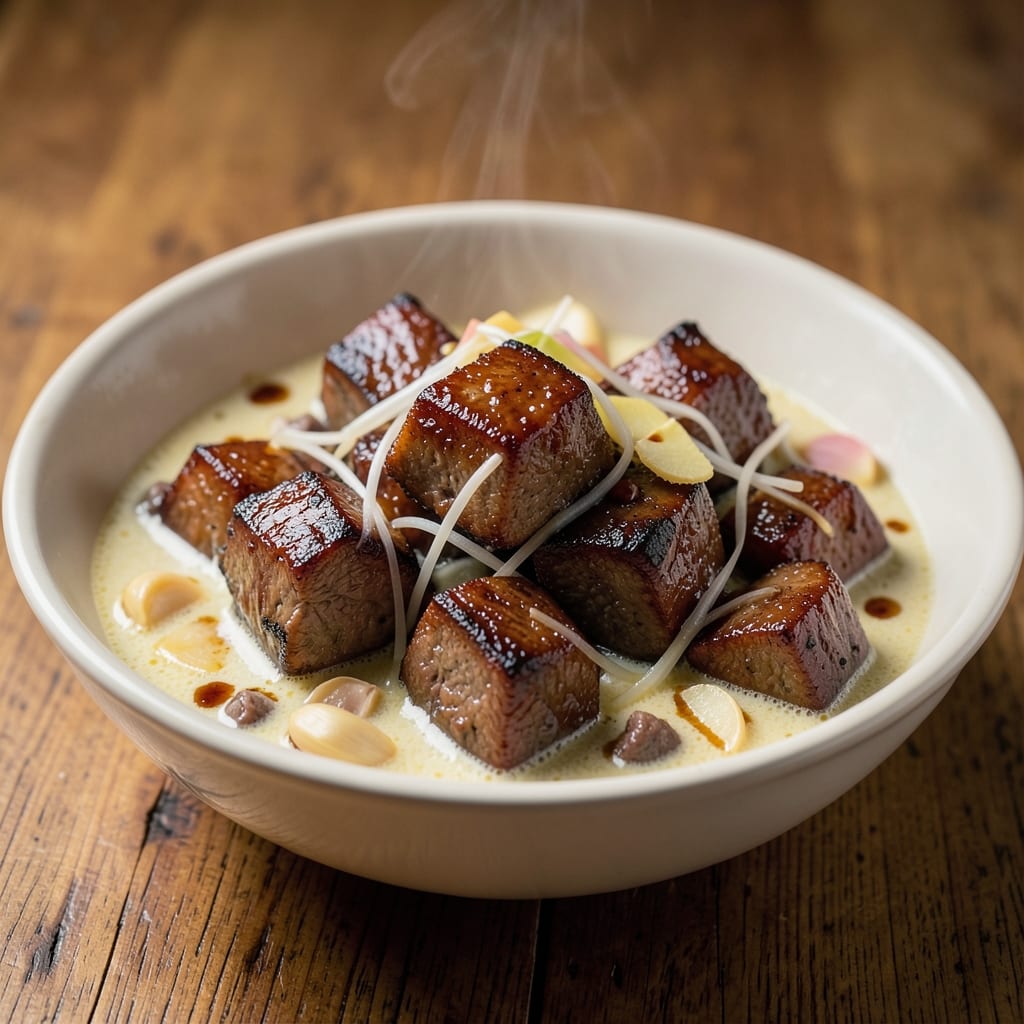
This beef adobo sa gata recipe delivers the rich, velvety perfection of Filipino comfort food—where tangy vinegar-braised beef meets creamy coconut milk for a dish that balances bold flavors with silky texture. The secret lies in a slow braise that develops deep umami from soy sauce and vinegar, then transforms into luxurious richness when coconut milk is added. I've perfected this version over years of testing, ensuring every bite delivers that signature harmony of sweet, sour, and savory.
The process begins with marinating beef in a mix of vinegar, soy sauce, and aromatics—garlic, ginger, and bay leaves—that tenderize while building complex flavor. After an initial sear in the pot, the beef simmers in the marinade until fork-tender, then coconut milk is stirred in to create that signature velvety finish. The result is a dish that's both restaurant-quality and deeply comforting, perfect for family gatherings or special occasions.
What makes this version stand out is the careful balance between the sharpness of vinegar and the creaminess of coconut milk, creating a sauce that coats every bite. The beef remains tender yet flavorful, while the aromatics infuse the broth with layers of warmth. This isn't just a stew—it's a celebration of Filipino home cooking, where simple ingredients transform into something extraordinary.
Serve it with steamed rice to soak up every last drop of that rich sauce, or pair it with crusty bread for dipping. The leftovers only get better as the flavors meld further, making this a dish that rewards both effort and patience. Let's create this timeless Filipino classic in your kitchen.
Ingredients for beef adobo sa gata
Rich beef, tangy vinegar, and velvety coconut milk create this Filipino masterpiece.
| Ingredient | Amount | Notes |
|---|---|---|
| Beef Chuck Roast 🥩 | 2 lb | Cut into 1.5-inch cubes |
| Canned Coconut Milk 🥥 | 1 can | Full-fat, 13.5 oz size |
| White Vinegar 💧 | 1 cup | Distilled preferred |
| Soy Sauce 🍶 | ½ cup | Light or regular |
| Garlic Cloves 🧄 | 6 cloves | Minced, peeled |
| Fresh Ginger 🌿 | 2 tbsp | Grated, packed |
| Bay Leaves 🍃 | 2 whole | Dried, standard size |
| Black Peppercorns 🌶️ | 1 tsp | Crushed, whole |
| Brown Sugar 🍚 | 2 tbsp | Packed, light brown |
| Olive Oil 🫒 | 2 tbsp | Extra-virgin for searing |
| Salt 🧂 | 1 ½ tsp | Kosher or sea salt |
| Onion 🧅 | 1 whole | Yellow, chopped |
| Hard-Boiled Eggs 🥚 | 2 whole | For garnish, optional |
The beef is everything here—chuck roast gives you that perfect fall-apart texture. Costco or your local butcher usually have it pre-cubed, which saves time. If you're buying a whole roast, ask for it to be cut into 1.5-inch pieces. The coconut milk should be full-fat—Thai Kitchen or Goya brands are reliable. For the vinegar, stick with distilled; apple cider works too, but it adds a fruity note. The garlic and ginger are non-negotiable—they're the aromatic backbone of this dish. Penzeys or bulk bins at Whole Foods have the freshest spices if you're feeling fancy, but regular grocery store jars work fine.
No soy sauce? Coconut aminos in a pinch, though the flavor will be slightly different. Running short on coconut milk? Substitute with heavy cream plus a splash of vanilla, but you'll lose that authentic Filipino touch. The brown sugar can be swapped for white sugar if that's what you have, though it won't caramelize as nicely. For the bay leaves, dried is standard—no need to use fresh here. The olive oil matters for that initial sear—use extra-virgin to prevent burning. If you're feeling adventurous, add a pinch of ground cloves to the marinade for depth, but it's optional.
This dish tastes even better the next day as the flavors meld. Store leftovers in the fridge for 4-5 days or freeze for 3 months. The sauce thickens as it cools, so add a splash of water or coconut milk when reheating. For serving, I always garnish with hard-boiled eggs—slice them over the top right before eating. The rice? Cook up a big batch—you'll want seconds. If you make this ahead, the beef will be even more tender, and the sauce will have developed its signature velvety richness.
Why You'll Love This Recipe
- One-Pot Magic: The beef, vinegar, and coconut milk all simmer together—no extra pans, no fuss. Just dump, stir, and let the slow cooker or pot do the work while you chop veggies for the side.
- Rich, Tangy, Creamy: That balance of vinegar’s sharp bite, soy’s umami punch, and coconut’s velvety depth? It’s like a hug in a bowl. The garlic? Oh, it’s there—freshly crushed, caramelized just enough to make every bite sing.
- Leftovers That Beg for More: This dish tastes even better the next day, especially after the flavors meld overnight. I meal prep it on Sundays—just reheat, serve with rice, and watch it disappear faster than my willpower on a lazy afternoon.
- Budget Beef, Big Flavor: A chuck roast stretches for days, and a can of coconut milk keeps costs low without skimping on taste. Honestly, it’s my go-to when I need a hearty, satisfying meal that won’t break the bank.
Step-by-step instructions for beef adobo sa gata
Here's how to balance rich coconut cream with tangy vinegar for a dish that's both comforting and complex.
Sear the Beef for Deep Flavor
Heat the 2 tablespoons olive oil in a large Dutch oven over medium-high heat until shimmering. Working in batches, add the 2 lb beef chuck roast cut into 1.5-inch cubes, letting each piece sear undisturbed for 2-3 minutes until deep golden brown on all sides. This step builds the Maillard reaction that forms the base flavor.
Transfer the seared beef to a plate and set aside. In the same pot, add the 1 whole chopped onion and cook for 3-4 minutes until softened and lightly caramelized. This develops sweetness that will carry through the entire dish. Don't rush this step—the deeper the color, the more flavor you'll extract.
Build the Tangy Vinegar Base
Add the 1 cup white vinegar to the pot with the onions, scraping up any browned bits from the bottom. Bring to a simmer and let it reduce by half (3-4 minutes), until the liquid becomes syrupy and aromatic. This concentrated vinegar base forms the signature tangy foundation of adobo.
Stir in the 0.5 cup soy sauce, 2 tablespoons brown sugar, and 1.5 teaspoons salt, mixing well to combine. Add the 6 cloves minced garlic and 2 tablespoons grated fresh ginger, cooking for 1 minute until fragrant. The sugar will help balance the acidity while the soy sauce adds umami depth. Remove the pot from heat and let it cool slightly.
Braise the Beef with Aromatics
Return the seared beef to the pot along with the 1 can full-fat coconut milk, 2 whole bay leaves, and 1 teaspoon crushed black peppercorns. Stir gently to combine, then bring to a gentle simmer over medium-low heat. Cover partially and let it cook for 1 hour, stirring occasionally, until the beef is fork-tender and easily pulls apart.
Here's the thing—this braising step transforms tough chuck roast into melt-in-your-mouth tenderness. The coconut milk creates a velvety sauce while the vinegar maintains its signature tang. If the sauce reduces too much, add 2-3 tablespoons water to maintain the proper consistency. The beef should be so tender that a fork slides through with minimal resistance.
Finish and Garnish
Once the beef is tender, remove the 2 whole bay leaves and adjust the seasoning if needed—add more salt if the sauce tastes bland, or a splash of vinegar if it needs more acidity. The sauce should coat the back of a spoon with a silky, slightly thickened consistency.
To serve, divide the beef and sauce among bowls. Garnish each portion with 2 whole hard-boiled eggs (halved or quartered) for added richness and presentation. The eggs add a contrasting texture that elevates the dish. Serve immediately with steamed white rice to soak up every last drop of that velvety coconut-vinegar sauce.
Pro Tips For Making Beef Adobo Sa Gata
- Brown the Beef First: Don’t skip the sear—get that chuck roast screaming hot in a dry pan until it’s deep golden. I learned this the hard way: skipping this step means your adobo sauce will taste thin and pale instead of rich and caramelized. Use medium-high heat and let it sit undisturbed for 3-4 minutes per side. ---
- Blend the Vinegar Last: Mix the white vinegar into the sauce after simmering the garlic and coconut milk. Adding it early makes the beef tough and the sauce too acidic too soon—you’ll end up with a mushy texture instead of tender, flavor-packed meat. Stir it in during the last 10 minutes of cooking. ---
- Don’t Overcrowd the Garlic: Use 6-8 cloves max, smashed but not minced—whole cloves burn, and minced garlic turns bitter. I used to dump in a whole head once, and the sauce tasted like garlic soap. Sauté them in the beef fat until they’re just golden, not crispy. ---
- Simmer Low and Long: After adding the sauce, drop the heat to a gentle simmer and cover partially. High heat turns the coconut milk grainy and the vinegar harsh. I used to rush it, and the sauce separated like oil and water—now I let it cook for 2.5 hours uncovered, stirring occasionally. The beef falls apart when fork-tender.
Wine and beer pairings for these flavors
Filipino Red Wine Pairings
The bold, tangy-sour profile of beef adobo sa gata pairs beautifully with Filipino red wines like Lambrusco or Pinot Noir. I love Lambrusco from Italy—its slight effervescence and berry notes cut through the coconut cream while complementing the vinegar's acidity. For something more local, try Filipino-grown Tempranillo from Bodegas y Viñedos—its earthy undertones mirror the dish's umami depth. 🍷
Malaysian White Wine Options
For a lighter contrast, Malaysian Riesling or Semillon works wonderfully. The crisp acidity of Riesling (like Chardonnay from Malaysia) balances the dish's richness, while Semillon adds a honeyed sweetness that harmonizes with the brown sugar. These wines are widely available in Filipino markets and offer a refreshing palate cleanser. ✨
Craft Beer Complements
A Filipino craft lager like San Miguel Pale Ale or Red Horse adds a malty, slightly sweet contrast to the adobo's tang. For something bolder, try a Belgian Witbier—its citrusy notes echo the vinegar while the spiced coriander complements the garlic and ginger. Avoid heavy stouts; they’ll overpower the dish’s delicate balance. 🍺
Non-Alcoholic Pairings
For a refreshing non-alcoholic option, serve yuzu soda or hibiscus tea (sorbete de rosa). The citrusy brightness of yuzu soda mirrors the vinegar’s tang, while the floral notes of hibiscus tea add a subtle complexity. Both are easy to find in Asian markets and elevate the dish without alcohol. 💛
Regional Filipino Pairings
In the Philippines, calamansi juice or sugarcane juice (tuba) are traditional pairings. The tartness of calamansi enhances the adobo’s sour notes, while tuba adds a sweet, earthy contrast. For a modern twist, try Filipino iced coffee—its bitterness balances the dish’s richness beautifully. ☕
Tasting Notes Guide
When pairing, focus on acidity to match the vinegar and creaminess to complement the coconut milk. Wines with medium body (like Viognier) or light beers (like San Miguel Light) work best. Avoid heavy, oaky wines—they’ll clash with the dish’s bright, tangy profile. Always taste first to find your perfect balance! 💡
Nutrition facts
Frequently asked questions
What makes this beef adobo sa gata different from regular adobo?
The key difference is the addition of coconut milk (gata) in the final stages, which transforms the dish into a creamy, velvety stew rather than the traditional tangy braise. The vinegar base remains, but the coconut milk softens the acidity while adding luxurious richness. Regular adobo relies solely on vinegar and soy sauce for its signature tang.
Can I substitute coconut milk with something else?
You can use heavy cream or half-and-half as a substitute, but the flavor won't be as authentic. For a closer alternative, mix 1/4 cup cream with 1/4 cup water to mimic the coconut milk's texture. The dish will still be creamy, though the coconut undertones will be missing.
How do I know when the beef is fully tender?
The beef is ready when it's fork-tender—meaning it should easily pull apart with minimal resistance. Insert a fork into the largest piece: if it slides through like butter, it's done. If you're unsure, let it cook 10-15 minutes longer to avoid toughness. Overcooking won't ruin the dish, but it may dry out the beef slightly.
Can I make this recipe in a slow cooker?
Brown the beef and onions first, then transfer everything to a 6-quart slow cooker. Cook on low for 6-7 hours or high for 3-4 hours until the beef is tender. The slow cooker method is perfect for hands-off cooking and enhances the beef's tenderness. Just add the coconut milk during the last 30 minutes to prevent curdling.
Why does my sauce look too thin or too thick?
If the sauce is too thin, simmer it uncovered for 5-10 minutes to reduce. For a thicker sauce, stir in 1-2 tablespoons cornstarch mixed with water and cook until it thickens. If it's too thick, add 2-3 tablespoons water or coconut milk to reach your desired consistency. The sauce should coat the back of a spoon but still be pourable.