
Soups & Stews
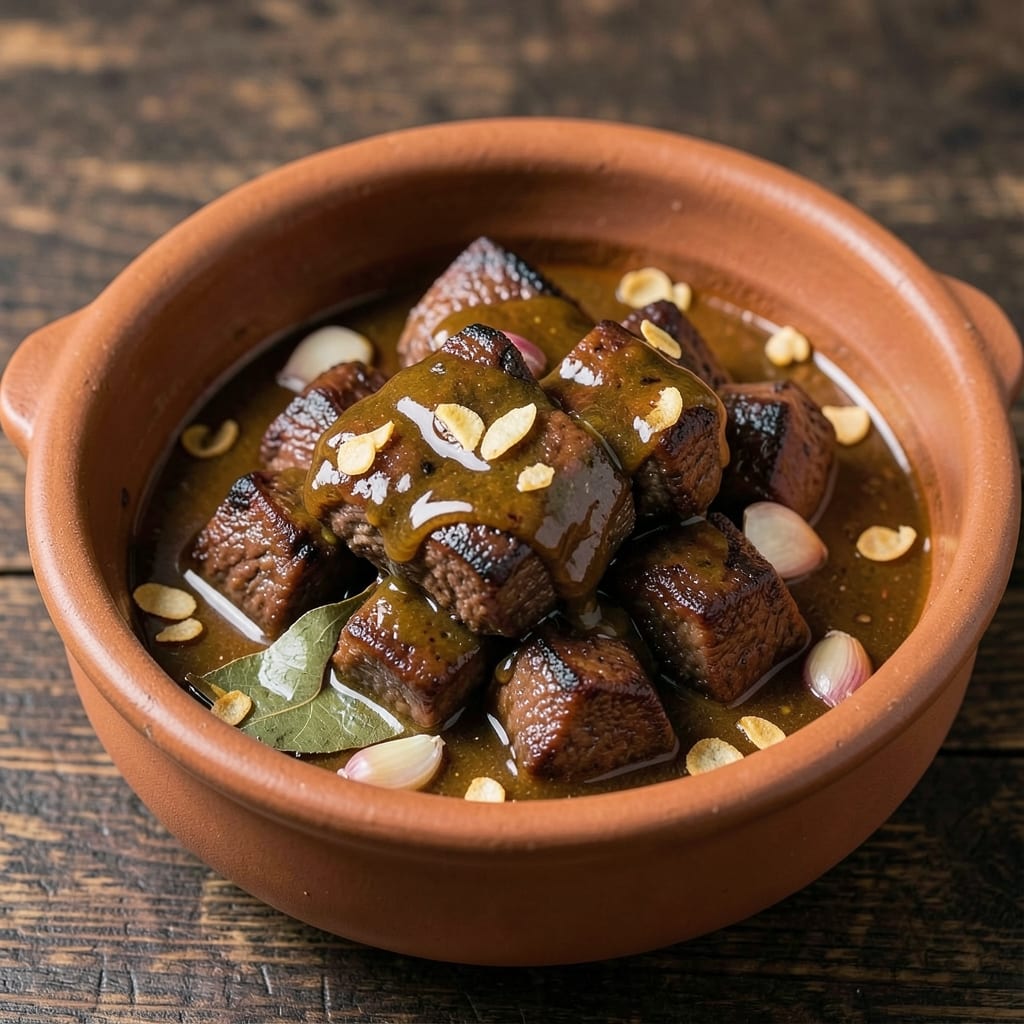
This Filipino-style beef adobo delivers the perfect balance of tangy, savory, and slightly sweet flavors in every bite. The secret lies in marinating the beef overnight, then braising it until tender with a rich soy-vinegar sauce that develops deep, caramelized notes. What sets this recipe apart is the crispy texture on the edges—achieved through careful cooking—that contrasts beautifully with the tender meat and glossy sauce.
The foundation of authentic adobo rests on three key ingredients: soy sauce for umami depth, vinegar for tangy brightness, and garlic for aromatic punch. Bay leaves add subtle earthiness, while a touch of sugar helps balance the acidity without overpowering the natural flavors of the beef. The marinade works its magic overnight, breaking down the meat while infusing it with flavor.
By the time you serve this dish, you'll have perfectly tender beef with crispy, caramelized edges and a sauce that's rich yet balanced. The aroma alone will have everyone gathering at the table, eager for a taste of this comforting Filipino classic. The beauty of this recipe is its versatility—serve it over steamed rice or as a standalone dish with crusty bread for dipping.
This method ensures restaurant-quality results at home with minimal effort. The slow braising process transforms tough cuts into melt-in-your-mouth beef while developing a sauce that's both complex and approachable. Whether you're cooking for family or hosting a dinner party, this beef adobo will be the star of the meal.
Ingredients for beef adobo recipe filipino style
Filipino flavors start with these pantry staples and a few fresh ingredients for depth.
| Ingredient | Amount | Notes |
|---|---|---|
| Beef Chuck Roast 🥩 | 2 lb | Cut into 2-inch cubes |
| Soy Sauce 🥄 | ½ cup | High-quality, preferably Filipino brand |
| White Vinegar 🍶 | ½ cup | White or cane vinegar preferred |
| Garlic Cloves 🧄 | 8 cloves | Peeled and smashed |
| Fresh Ginger 🌿 | 2 tbsp | Finely grated, fresh preferred |
| Bay Leaves 🌿 | 2 whole | Dried or fresh |
| Granulated Sugar 🍚 | 2 tbsp | White or brown sugar |
| Olive Oil 🫒 | 2 tbsp | For searing beef |
| Salt 🧂 | 1 tsp | Kosher or sea salt |
| Black Peppercorns 🌶️ | ½ tsp | Freshly ground preferred |
| Water 💧 | 1 cup | For braising liquid |
The beef is non-negotiable—chuck roast breaks down beautifully during braising, giving you that signature tender texture. Look for cuts with good marbling at Costco or Asian markets for better flavor. If you can't find chuck, short ribs or flank steak work in a pinch, but cube them smaller. The soy sauce should be Filipino brands like Silver Swan or Datu Puti if available—they have a deeper umami profile than generic versions. For vinegar, cane vinegar adds subtle sweetness, but white vinegar works too.
No Filipino soy sauce? Double the regular soy sauce and add 1 tsp sugar to mimic the balance. Fresh ginger is ideal, but substitute with 1 tbsp ground ginger if needed. The garlic can be roasted for a sweeter flavor—toss whole cloves in olive oil, roast at 400°F for 10 minutes, then smash. Bay leaves are easy to find dried, but fresh ones from a Latin market add more aroma. Want extra crispy edges? Pat the beef dry before searing—it makes all the difference.
This sauce gets richer overnight, so make it a day ahead if possible. Store in an airtight container in the fridge for up to 5 days. The beef reheats beautifully—just warm through with a splash of water. For leftovers, freeze portions in sauce for up to 3 months. The sauce thickens as it cools, so thin with a splash of water when reheating. Serve with steamed rice to soak up every last drop of that glossy, tangy-sweet sauce.
Why You'll Love This Recipe
- One-Pot Magic: I swear by this—just dump the beef, garlic, and ginger in a pot, then let the soy and vinegar work their alchemy. No chopping, no fuss, and the house smells like heaven by the time it simmers.
- Umami Bomb: That tangy-sweet combo of soy and vinegar? It’s ridiculous—especially when the beef gets fork-tender and soaks up every drop. The ginger adds this bright, warm kick that makes it impossible to stop eating.
- Budget Meal, Big Payoff: A chuck roast stretches forever, and soy sauce + vinegar are pantry staples. Honestly, I make this when I’m pinching pennies, and it still feels like a restaurant meal. That’s the kind of stretch you want in your grocery budget.
Step-by-step instructions for Filipino-style beef adobo
Here's the precise method for achieving that signature Filipino adobo balance: tender beef with crispy edges in a tangy, savory sauce.
Prepare and Sear the Beef
Pat the 2 lb beef chuck roast dry with paper towels and cut it into 2-inch cubes. This size ensures even cooking and those prized crispy edges. Heat 2 tablespoons olive oil in a large, heavy pot over medium-high heat until shimmering.
Working in batches if needed, add the beef cubes and sear for 3-4 minutes per side until they develop a deep golden-brown crust. Don't crowd the pot—this prevents steam from forming, which is essential for that crispy texture. Transfer the seared beef to a plate and set aside.
Build the Adobo Base
In the same pot, reduce heat to medium and add the 8 smashed garlic cloves and 2 tablespoons finely grated fresh ginger. Cook for 1-2 minutes until the garlic turns golden and fragrant—this prevents bitterness. Add the 2 whole bay leaves and stir for 30 seconds to release their aroma.
Pour in the ½ cup soy sauce and ½ cup white vinegar, scraping up any browned bits from the bottom with a wooden spoon. These bits pack intense flavor. Add the 2 tablespoons granulated sugar, 1 teaspoon salt, and ½ teaspoon freshly ground black peppercorns, stirring to combine. Bring the mixture to a gentle simmer.
Braise the Beef to Tender Perfection
Return the seared beef to the pot along with any accumulated juices. Pour in the 1 cup water and bring everything to a boil. Once boiling, reduce heat to low, cover partially with a lid, and let it simmer for 1 hour 15 minutes. The liquid should reduce significantly but still coat the beef.
Check the beef after 45 minutes—it should be fork-tender but still hold its shape. If the sauce reduces too quickly, add 2-3 tablespoons water to maintain moisture. The key is low, steady heat that transforms tough beef into melt-in-your-mouth pieces.
Finish and Adjust the Sauce
Once the beef is tender, remove the 2 bay leaves and discard them. Increase heat to medium-high and let the sauce reduce uncovered for 5-7 minutes until it thickens slightly and coats the back of a spoon. Taste and adjust seasoning—add more soy sauce for saltiness or vinegar for tang.
For extra crispy edges, transfer the beef to a baking sheet and broil for 2-3 minutes until browned in spots. Return the beef to the pot and toss with the sauce. Serve immediately over steamed rice, letting the sauce soak into each bite for that perfect Filipino adobo experience.
Pro Tips For Making Beef Adobo Recipe Filipino Style
- SEAR THE BEEF FIRST: Cut that chuck roast into 1.5-inch chunks—no bigger—and sear them in a hot pan with a splash of oil until deep brown, not just pink. I used to skip this, and my adobo always tasted like it was missing something. The crust locks in flavor when the vinegar and soy sauce hit it later.
- PEEL AND SLICE GINGER THIN: Grate the ginger instead of slicing it—just a teaspoon or two, but make it fine. Thick slices turn to mush and make the sauce watery. My grandmother swore by this, and she was right: the heat from the vinegar burns through fresh ginger fast, so you need it exposed.
- SIMMER LOW AND COVERED: After the initial boil, drop the heat to a whisper and cover the pot—even if it’s just a lid. The vinegar will evaporate fast, and you’ll end up with a dry, salty mess if you let it bubble hard. I learned this the hard way when I rushed it and had to start over.
- USE TWO TABLESPOONS OF VINEGAR: Yes, it sounds like a lot, but start with 2 tablespoons of white vinegar (you can add more later). Too little and the sauce tastes flat; too much and it’s harsh. Taste as you go—Filipino adobo balances tangy, sweet, and salty, and the vinegar is the backbone. Adjust, but don’t skip this step.
Make-ahead tips for beef adobo recipe filipino style
Marinate Ahead
Marinate the beef overnight for maximum tenderness and flavor infusion. Place the 2-inch beef cubes in a resealable plastic bag or airtight container with ½ cup soy sauce, ½ cup white vinegar, 8 smashed garlic cloves, and 2 tbsp grated ginger. Seal tightly and refrigerate for 12-24 hours. This step transforms tough beef into melt-in-your-mouth perfection while developing deep umami flavors. 🌟
Sauce Prep
Make the adobo sauce a day ahead to let flavors meld beautifully. Combine all sauce ingredients—½ cup soy sauce, ½ cup vinegar, 2 tbsp sugar, 1 tsp salt, ½ tsp pepper, 2 bay leaves, and 1 cup water—in a saucepan. Simmer for 10 minutes, then cool completely before storing in an airtight container. The sauce will deepen in flavor overnight and thicken slightly, making it even more delicious when reheated.
Partial Cooking
Save time on busy days by partially cooking the beef ahead. After searing the beef and building the sauce base, simmer the beef for 1 hour (instead of the full 1 hour 15 minutes) before refrigerating. Store the beef and sauce together in an airtight container. When ready to serve, return it to the pot, add 2-3 tbsp water, and simmer uncovered for 15-20 minutes to finish cooking and reduce the sauce. This method keeps the beef tender and the sauce flavorful.
Freezer-Friendly
Adobo freezes beautifully for up to 3 months, making it perfect for meal prep. After fully cooking, let the beef and sauce cool completely. Transfer to a freezer-safe container, leaving 1 inch headspace for expansion. Thaw overnight in the refrigerator, then reheat gently on the stovetop with a splash of water to restore moisture. The sauce may thicken slightly after freezing, so thin with a little water or vinegar if needed. This is my go-to strategy for busy weeks! ❄️
Reheating Secrets
Reheat adobo gently to preserve texture and flavor. For stovetop reheating, place the beef and sauce in a pot over medium-low heat. Add 2-3 tbsp water to prevent sticking and keep the sauce glossy. Simmer for 5-7 minutes, stirring occasionally, until heated through. For microwave reheating, cover with a damp paper towel and heat in 1-minute intervals on 50% power, stirring between each interval. Always taste and adjust seasoning after reheating.
Storage Tips
Store cooked adobo in the refrigerator for up to 5 days in an airtight container. The flavors actually improve over time as the sauce continues to meld. For best results, keep the beef and sauce together—they complement each other perfectly. If storing separately, reheat the sauce first to maintain its consistency. Label containers with the date to track freshness. This dish tastes even better the next day, making it ideal for leftovers! 💡
Nutrition facts
Frequently asked questions
Can I use chicken or pork instead of beef for adobo?
While beef is traditional, chicken adobo cooks faster (30-40 minutes) and works well with bone-in thighs for extra flavor. For pork, use pork shoulder and simmer for 1 hour to achieve tender results. The cooking time varies by protein—always check for doneness. Chicken and pork versions are equally delicious and popular in Filipino households!
What's the secret to getting crispy edges on the beef?
Pat the beef cubes completely dry before searing and work in single layers in the pan. High heat is key—sear for 3-4 minutes per side until deep golden brown. The Maillard reaction creates that crispy texture. For extra crispiness, broil the cooked beef for 2-3 minutes at the end. Never overcrowd the pan or the steam will prevent browning!
Can I make adobo without vinegar?
While vinegar is essential for authentic tanginess, you can substitute with lemon juice or lime juice (use ½ cup total) plus 1 tsp sugar to balance acidity. For a deeper flavor, add 1 tbsp tomato paste to the sauce. However, the dish will lose its classic Filipino profile. Vinegar's acidity tenderizes the meat and develops the signature glossy sauce—it's worth tracking down!
How do I know when the beef is fully cooked?
The beef should be fork-tender with no pink center when cut. For chuck roast, this typically takes 1 hour 15 minutes of braising. Insert a meat thermometer—it should read 195°F for fall-apart tenderness. If using a tougher cut like short ribs, cook until the internal temperature reaches 203°F. The sauce should coat the beef but not be watery when reduced.
Can I make adobo in a slow cooker?
Yes! Sear the beef first, then transfer everything to a 5-6 quart slow cooker with all sauce ingredients. Cook on LOW for 8 hours or HIGH for 4-5 hours. The slow cooker's gentle heat ensures tender beef without drying it out. For extra flavor, add ½ cup water if the sauce reduces too much. The texture will be slightly softer than stovetop, but still delicious!