
Soups & Stews
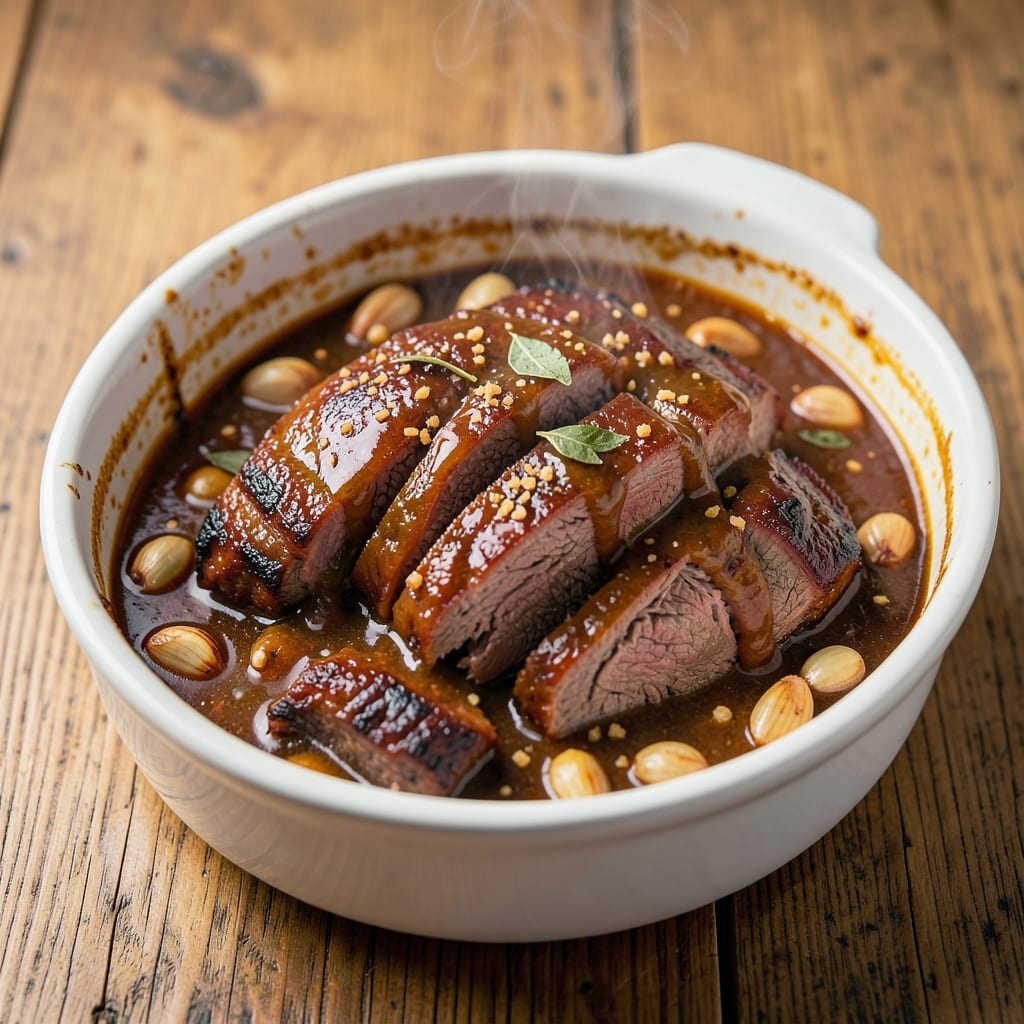
This slow-cooker beef adobo recipe transforms tough beef into tender, vinegar-braised perfection with minimal effort. The Filipino-inspired dish balances sweet, tangy, and savory flavors using just a few key ingredients—no complicated techniques required. I developed this version after years of perfecting the balance between traditional methods and modern convenience, ensuring rich, caramelized sauce that clings to every bite.
The beauty of slow-cooking adobo lies in its simplicity: hardworking cuts of beef become melt-in-your-mouth tender while absorbing the aromatic marinade. Unlike stovetop versions that demand constant attention, this method lets you set it and forget it—ideal for busy weeknights or meal prep. The vinegar tenderizes the meat while creating that signature tangy depth, balanced by soy sauce for umami and brown sugar for subtle sweetness.
What you’ll end up with is a restaurant-quality dish that’s deeply flavorful yet effortless to prepare. The beef falls apart at the touch of a fork, swimming in a glossy, slightly sweet-savory sauce that’s perfect over steamed rice or with crusty bread to soak up every last drop. This recipe stays true to Filipino roots while adapting perfectly to slow-cooker cooking—no deep-frying or long stovetop monitoring needed.
The best part? Leftovers reheat beautifully, making this an excellent make-ahead option for family dinners or potlucks. Whether you’re new to Filipino cuisine or a seasoned fan, this beef adobo delivers bold, comforting flavors with minimal fuss. Let’s get cooking—your taste buds will thank you.
Ingredients for beef adobo recipe slow cooker
Six ingredients transform tough beef into melt-in-your-mouth slow-cooker magic—Filipino tang meets homey comfort.
| Ingredient | Amount | Notes |
|---|---|---|
| Chuck Roast Beef 🥩 | 3 lb | Tough cut for slow-cooker tenderness |
| White Vinegar 💧 | 1 ½ cups | Distilled preferred for tang |
| Soy Sauce 🥫 | ½ cup | Use light or regular soy |
| Light Brown Sugar 🍯 | ¼ cup | Packed for accurate measure |
| Garlic Cloves 🧄 | 8 cloves | Minced or smashed for flavor |
| Bay Leaves 🌿 | 2 whole | Dried, for aromatic depth |
| Black Peppercorns 🌶️ | 1 tsp | Crushed for texture |
| Olive Oil 🫒 | 2 tbsp | For searing beef first |
| Onion 🧅 | 1 whole | Yellow or red, sliced |
| Salt 🧂 | 1 ½ tsp | Kosher or sea salt |
| Water 💧 | 1 cup | If sauce needs thinning |
| Fresh Bay Leaves 🌿 | 2 whole | Optional for extra aroma |
The beef is non-negotiable—chuck roast with its marbling and connective tissue is perfect for slow cooking. Trader Joe's and Costco often carry it pre-cut, but if buying whole, look for good marbling. The vinegar is the soul of adobo; distilled white vinegar gives the cleanest tang, but apple cider vinegar adds subtle sweetness. Brown sugar caramelizes beautifully during cooking, deepening the sauce's richness. Fresh garlic cloves (not powder) release their flavor more dramatically when minced—take the extra 30 seconds to chop them yourself. Bay leaves might sound simple, but they're essential for that authentic Filipino aroma.
No soy sauce? Coconut aminos work in a pinch, though the flavor will differ slightly. Substituting vinegar? White wine or apple cider vinegar both work, but the acidity level changes the balance. Brown sugar too expensive? White sugar plus 1 tsp molasses mimics the depth. The olive oil is for searing—don't skip this step, as it builds flavor. Onions can be swapped for shallots or leeks, though they'll mellow the flavor slightly. For a quicker version, use pre-minced garlic from a jar, though fresh is always better. The water is a backup—only add if the sauce seems too thick after cooking.
This dish tastes even better the next day as flavors meld. Store leftovers in the fridge for up to 5 days, or freeze portions for 3 months. I always make a double batch—one for dinner and one for lunches. The sauce thickens when chilled, so add a splash of water when reheating. Serve over steamed jasmine rice to soak up every last drop of that tangy, caramelized goodness. The beef will practically fall apart with a fork, proving that slow cooking truly transforms tough cuts into something extraordinary.
Why You'll Love This Recipe
- Hands-Off Magic: I swear by this for nights when I’d rather binge-watch than stand at the stove. Chuck roast, vinegar, and soy sauce? Throw it all in the slow cooker, set it to low, and walk away. By dinner, the meat falls apart at the touch of a fork—no hovering required.
- Sweet-Savory Bomb: That balance of vinegar’s tang and brown sugar’s caramelized richness? It’s like a flavor hug. The garlic cloves soften into the beef, turning it into something so tender and layered, I’ll eat it straight from the pot with a spoon. (Yes, I’ve done it.)
- Leftovers That Don’t Lie: This recipe actually improves the next day. The sauce thickens, the flavors meld, and suddenly you’ve got a meal that’s perfect for lunches, tacos, or even stuffed into rice bowls. I meal prep this for the week—zero regret.
- Budget Win, Big Flavor: Chuck roast stretches for miles, and the pantry staples (vinegar, soy sauce) cost pennies. For a dish that tastes like it belongs on a restaurant menu, this is my go-to for feeding the family without breaking the bank. (My wallet thanks me.)
Step-by-step instructions for Filipino-inspired slow cooker adobo
Here's how to transform tough chuck roast into melt-in-your-mouth beef with a rich, tangy sauce.
Sear the Beef for Maximum Flavor
Heat the 2 tablespoons olive oil in a large skillet over medium-high heat until shimmering. Pat the 3 lb chuck roast beef completely dry with paper towels—this ensures a proper sear. Working in batches if needed, brown the beef on all sides, pressing down gently with a spatula for 3-4 minutes per side until deeply golden. You're building flavor through the Maillard reaction here, so don't rush this step.
Transfer the seared beef to your slow cooker, reserving any browned bits in the pan. These precious fondings will form the base of your sauce. I like to add the 1 whole sliced onion and 8 minced garlic cloves to the same pan, cooking for 1 minute until fragrant, then scraping everything into the slow cooker with the beef.
Build the Tangy Base
In a medium bowl, whisk together the 1.5 cups white vinegar, 0.5 cup soy sauce, 0.25 cup packed light brown sugar, 1.5 teaspoons salt, and 1 teaspoon crushed black peppercorns. The mixture will smell potent—like a vinegar bomb—but trust me, it balances perfectly. Pour this liquid over the beef in the slow cooker, making sure every surface gets coated.
Add the 2 whole dried bay leaves and 2 whole fresh bay leaves (if using) to the slow cooker. These aromatic leaves infuse subtle earthy notes that elevate the dish. Give everything a gentle stir to distribute the sauce evenly, then add the 1 cup water to help thin the mixture slightly.
Slow Cook Until Fork-Tender
Cover the slow cooker and cook on low heat for 8-10 hours or on high heat for 5-6 hours. The beef is done when it easily pulls apart with two forks and the sauce has reduced to a glossy consistency. I know it's tempting to check frequently, but resist—each time you lift the lid, you're losing heat and moisture. The slow cooker does all the work here, so let it do its magic.
About 30 minutes before serving, give the beef a gentle shake or stir to help it absorb the flavorful sauce. The meat should be fork-tender with a rich, dark sauce clinging to every bite. If the sauce seems too thin at the end, you can always reduce it further by simmering uncovered on the stovetop for 5-10 minutes.
Rest and Serve with Confidence
Let the beef adobo rest for 10-15 minutes before serving. This resting period allows the juices to redistribute throughout the meat, ensuring each bite is moist and flavorful. The sauce will thicken slightly as it cools, which is perfect for serving over steamed rice or with crusty bread to soak up every last drop.
Garnish with additional minced garlic and a sprinkle of fresh bay leaves if desired. Serve immediately with steamed jasmine rice to soak up that incredible sauce. The balance of tangy vinegar, savory soy, and sweet brown sugar creates a dish that's always a crowd-pleaser—whether you're feeding a family or serving at a gathering.
Pro Tips For Making Beef Adobo Recipe Slow Cooker
- Sear the Chuck First: I learned this the hard way—skipping the sear means flavor gets lost in the slow cooker. Hit the beef with a hot pan for 3-4 minutes per side before adding anything else. The crust locks in juices and adds depth the vinegar and soy sauce can’t match alone.
- Use Less Vinegar: Too much white vinegar turns your adobo into a tangy bath instead of a balanced sauce. Start with ½ cup and adjust—you can always add more later, but you can’t undo the burn. Taste as you go; the sugar should mellow the acid, not fight it.
- Crush Garlic Properly: Whole cloves? No. Minced? Better, but still missing the mark. Smash those garlic cloves with the flat side of your knife first—this releases more flavor without turning the sauce into a paste. A quick pulse in the food processor after smashing makes it even better.
- Check for Doneness Early: Chuck roast is forgiving, but slow cookers lie. Use a meat thermometer at 8 hours—it should hit 160°F (71°C) for safe, tender beef. If it’s not there, switch to "warm" and let it finish outside the cooker. Overcooking turns tough; undercooking risks dryness.
Best sauces and condiments for this dish
Vinegar Variations
While white vinegar is traditional, don’t be afraid to experiment! Apple cider vinegar adds subtle sweetness and depth, perfect if you prefer a milder tang. For a richer profile, try balsamic vinegar (reduce it by half first—it’s thicker). I’ve also had great success with rice vinegar, which gives a lighter, almost Asian-inspired twist. Just remember: the sharper the vinegar, the more it tenderizes the beef, so adjust cooking time slightly if using milder options. 💧
Sweet-Savory Balance
The brown sugar in this recipe caramelizes beautifully, but you can swap it for honey or maple syrup (use 2 tablespoons instead of the full ¼ cup) for a smoother finish. For a deeper umami kick, add 1 tablespoon fish sauce or 1 teaspoon MSG to the marinade. If you love heat, a pinch of cayenne pepper or chili flakes (about ½ teaspoon) will add a subtle kick without overpowering the tangy-sweet base. 🌶️
Umami Boosters
Soy sauce is the star for umami, but you can enhance it further! Add 1 tablespoon oyster sauce for a seafood-inspired depth or 1 teaspoon Worcestershire sauce for a tangy, fermented note. For a vegetarian-friendly twist, use 1 tablespoon coconut aminos (though the flavor will be slightly different). I also love adding 1 teaspoon smoked paprika or ½ teaspoon liquid smoke for a smoky dimension that pairs beautifully with the vinegar. 🔥
Thickening Techniques
If your sauce turns out too thin, don’t worry—there are quick fixes! Simmer the cooked adobo on the stovetop for 5-10 minutes uncovered to reduce it. For a glossier finish, stir in 1 tablespoon cornstarch mixed with 2 tablespoons water and cook until thickened. If you prefer a richer texture, mash 1-2 roasted garlic cloves into the sauce at the end for natural thickening and extra flavor. 💫
Garnish Ideas
Fresh herbs elevate this dish instantly! Sprinkle with chopped cilantro or green onions for brightness, or add crushed toasted garlic for extra punch. For a crunchy contrast, top with fried shallots or crumbled bacon. I also love a drizzle of chili oil or a sprinkle of sesame seeds for a nutty finish. These garnishes aren’t just decorative—they add layers of texture and flavor that take the dish to the next level. ✨
Nutrition facts
Frequently asked questions
Can I use a different cut of beef for slow-cooker adobo?
While chuck roast is ideal for its marbling and tenderness, you can use brisket or short ribs with similar results. Avoid lean cuts like sirloin—they won’t become tender enough. If using brisket, increase cooking time by 1-2 hours on low heat. The key is choosing meat with good fat content for flavor and moisture.
Why does my adobo sauce turn cloudy or separate?
This happens when the vinegar reacts with the beef’s natural fats. To prevent it, skim excess fat from the slow cooker after searing the beef. If it happens, stir in 1 tablespoon cornstarch mixed with 2 tablespoons water and cook for 5 minutes to clarify the sauce. The cloudiness won’t affect flavor—it’s just a natural reaction to acid and fat.
How do I make this recipe spicier?
Add ½ teaspoon cayenne pepper or 1 tablespoon gochujang (Korean chili paste) to the sauce during the last 30 minutes of cooking. For heat lovers, stir in 1-2 teaspoons sriracha or 1 chopped Thai chili at the end. Remember, vinegar can make spice taste sharper, so start with less if you’re sensitive to heat.
Can I make this in an Instant Pot instead?
Yes! Sear the beef as directed, then add all ingredients to the Instant Pot. Cook on high pressure for 45 minutes, followed by a 10-minute natural release. The sauce will be slightly thinner—reduce it on the stovetop if needed. For extra tenderness, increase to 50 minutes on high pressure for tougher cuts.
What’s the best way to reheat leftovers?
Gently reheat in the slow cooker on low for 2-3 hours or on the stovetop with 1-2 tablespoons water to prevent drying. Avoid microwaving—it can make the sauce watery. If the sauce thickens when chilled, add a splash of water or vinegar to restore balance. Leftovers taste even better the next day as flavors deepen!