
Main Courses
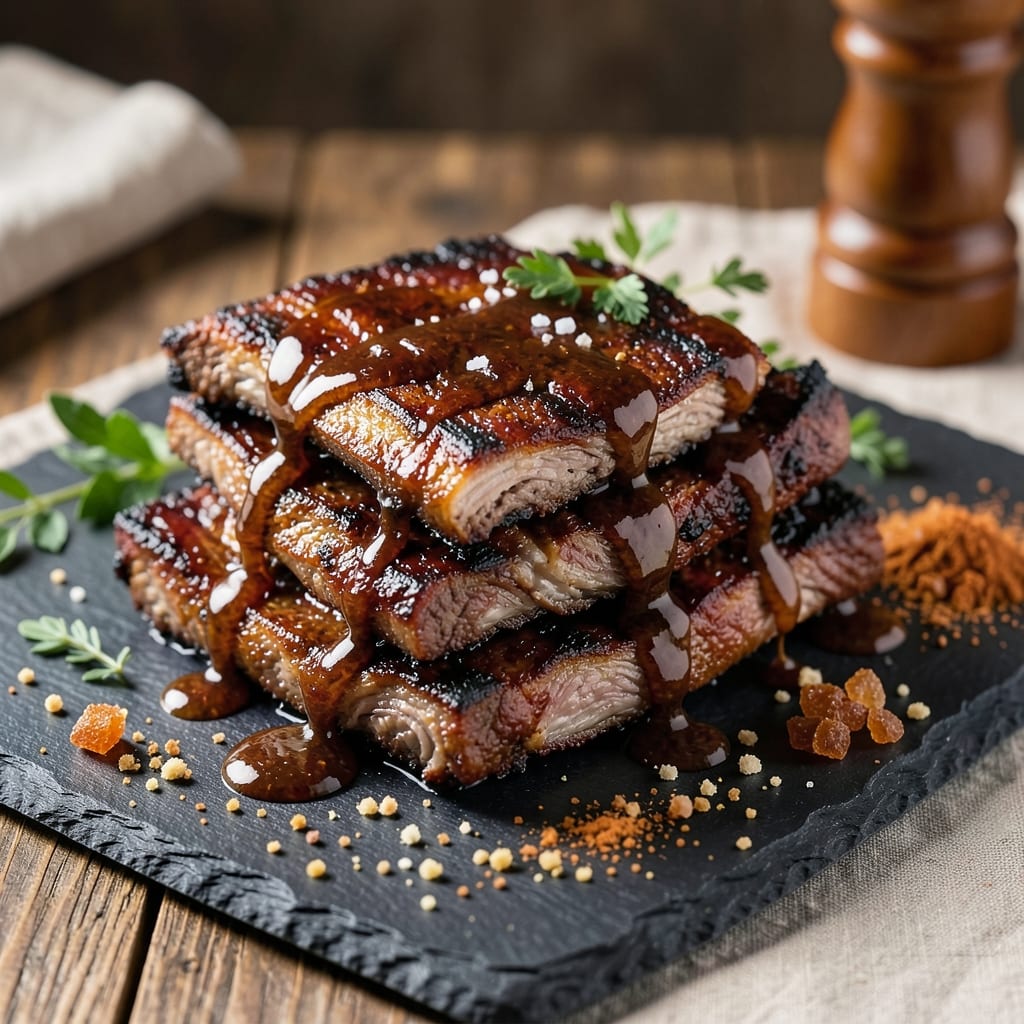
This BBQ beef spare ribs recipe delivers restaurant-quality results with a dry-brine secret that transforms tough cuts into melt-in-your-mouth perfection. 🔥 After years of perfecting my pitmaster technique, I've cracked the code for achieving that coveted crispy bark while keeping the meat tender and juicy—no guesswork required.
The key lies in the dry brine, a method I learned from my grandfather's old cookbook that elevates flavor and texture. We'll use a simple salt cure applied 24 hours before cooking, followed by a carefully balanced rub that includes brown sugar for caramelization and smoked paprika for depth. This isn't just about flavor—it's about texture: that perfect contrast between shatteringly crisp edges and fall-apart tender meat.
What you'll end up with are ribs that practically fall off the bone with just a gentle pull, all while maintaining that beautiful mahogany bark that signals perfect cooking. The dry-brine method ensures maximum moisture retention, while the controlled cooking process (whether you're smoking, grilling, or using the oven) delivers consistent, professional-quality results every time.
Pair these ribs with classic sides like creamy coleslaw or buttery cornbread, and you've got a meal that'll have your guests begging for seconds. Let's get started on creating ribs that'll make you the star of any cookout—no matter what equipment you have on hand.
Ingredients for bbq beef spare ribs
These 15 ingredients transform tough ribs into melt-in-your-mouth perfection with crispy bark and juicy cores.
| Ingredient | Amount | Notes |
|---|---|---|
| Beef Spare Ribs 🍖 | 4 lb | Bone-in, meaty ends included |
| Kosher Salt 🧂 | ½ cup | Diamond Crystal preferred |
| Brown Sugar 🍚 | ¼ cup | Light or dark variety |
| Smoked Paprika 🌶️ | 2 tbsp | High-quality for depth |
| Garlic Powder 🧄 | 1 tbsp | Freshly ground preferred |
| Onion Powder 🧅 | 1 tbsp | For balanced flavor |
| Black Pepper 🌶️ | 1 tsp | Freshly cracked preferred |
| Cayenne Pepper 🔥 | ½ tsp | Adjust for heat preference |
| Mustard Powder 🍯 | 1 tsp | For subtle tang |
| Yellow Mustard 🍯 | 2 tbsp | For glaze base |
| Apple Cider Vinegar 🍎 | 1 tbsp | For tangy balance |
| Honey 🍯 | 2 tbsp | Wildflower preferred |
| BBQ Sauce 🍅 | ½ cup | Store-bought or homemade |
| Butter 🧈 | 2 tbsp | Unsalted, for finishing |
| Fresh Parsley 🌿 | ¼ cup | Chopped, for garnish |
The ribs are non-negotiable—bone-in spare ribs with meaty ends are essential for that perfect balance of texture. Costco or Whole Foods carry high-quality cuts, but any well-marbled spare ribs will work. Look for vibrant red color and good fat coverage. I always buy extra because the leftovers reheat beautifully. The dry brine is where the magic happens: Diamond Crystal kosher salt dissolves better than table salt, so grab a bag if you don't have it. For the rub, Penzeys smoked paprika is my go-to, but any quality brand will do—just avoid the dusty, old stuff in the back of your spice rack.
No honey? Maple syrup works in a pinch, though it's slightly more liquid. Short on mustard powder? Dijon mustard at half the amount adds depth without overpowering. The BBQ sauce can be any brand—Sweet Baby Ray's or Stubb's are crowd-pleasers, but homemade is where you really shine. For the glaze, I like to mix the mustard, vinegar, and honey first to let the flavors meld before adding the sauce. Pro tip: Toast your spices in a dry pan for 30 seconds to deepen their flavor—trust me, it makes a difference. The butter at the end isn't just for finishing; it adds a luxurious richness that takes these ribs from great to restaurant-quality.
The ribs need 24 hours in the fridge for the dry brine to work its magic, so plan ahead. Store them in a sealed container with parchment paper between layers to prevent sticking. The rub stays fresh for 2 weeks in an airtight container, so make extra—it's perfect for other meats too. Leftover ribs reheat best in a 350°F oven for 10-15 minutes with a splash of water or apple juice to keep them moist. I always portion mine into individual containers for easy grab-and-go lunches—just add a side of coleslaw, and you've got a meal that'll impress anyone.
Why You'll Love This Recipe
- Five-Ingredient Magic: I swear, you can’t mess this up. Just ribs, salt, brown sugar, smoked paprika, and garlic powder—no fancy marinades or hours of prep. The secret’s in the dry rub: let those spices cling while you grill, and the meat does all the work.
- Sweet-Smoky Crunch: That caramelized crust from the brown sugar? Chef’s kiss. The smoked paprika adds this deep, smoky warmth, while the garlic powder keeps it bright—like a hug from your favorite BBQ joint, but way cheaper. My kids fight over the last piece.
- Tailgate or Tuesday: Honestly, this works everywhere. Slap them on buns for game day, serve with mashed potatoes for a lazy night, or pack leftovers for work—still tastes fresh. (Yes, even on a Tuesday.) The rub keeps them flavorful no matter how you eat them.
- Leftovers That Don’t Suck: Most BBQ ribs turn dry the next day. Not these. The sugar keeps them tender, and the smoky crust stays intact. I’ve reheated them three times, and they’re still the star of the meal—no sad, chewy disappointment here. Budget win.
Step-by-step instructions for perfectly crispy BBQ beef spare ribs
Here's how to transform tough ribs into melt-in-your-mouth perfection with that coveted crispy bark.
👨🍳 Step 1: Create the Dry Brine for Maximum Flavor
In a large bowl, combine the 0.5 cup kosher salt, 0.25 cup brown sugar, 2 tbsp smoked paprika, 1 tbsp garlic powder, 1 tbsp onion powder, 1 tsp black pepper, 0.5 tsp cayenne pepper, and 1 tsp mustard powder. Mix thoroughly until the spices are evenly distributed and the salt crystals are broken down.
Spread this dry rub mixture evenly over the 4 lb beef spare ribs, pressing it firmly into the meat so it adheres well. Pay special attention to the meaty ends and any crevices between the bones. Place the ribs on a wire rack set over a baking sheet and cover with plastic wrap. Refrigerate for 24 hours—this dry-brine process is what creates that legendary crispy bark while keeping the meat incredibly tender.
🔥 Step 2: Preheat and Smoke the Ribs Low and Slow
Preheat your smoker to 225°F using hickory or apple wood chips. Once the smoker reaches temperature and you see clean, blue smoke (not thick white steam), it's ready. Place the ribs bone-side down on the grill grates and smoke for 3 hours. This initial phase allows the bark to form while the meat begins to tenderize.
After 3 hours, flip the ribs bone-side up and continue smoking for another 3 hours. The bark should now be deep mahogany with a crispy texture when touched. This is where the magic happens—patience is key. Don't be tempted to peek or adjust the heat; every time you open the smoker, you risk losing heat and moisture.
🥘 Step 3: Build the Glaze for Sticky-Sweet Perfection
While the ribs smoke, prepare the glaze by combining 2 tbsp yellow mustard, 1 tbsp apple cider vinegar, 2 tbsp honey, and 0.5 cup BBQ sauce in a small saucepan. Bring to a simmer over medium heat and cook for 5 minutes until slightly thickened. The glaze should coat the back of a spoon but still be pourable.
Once the ribs have developed that beautiful bark and are 3 hours into the second side, brush them generously with the glaze. Return them to the smoker and continue cooking for another 1-2 hours until the internal temperature reaches 195-203°F and the meat is fork-tender. The glaze will caramelize beautifully, creating that sticky, sweet exterior we all love.
🔪 Step 4: Rest and Finish with Butter and Parsley
Remove the ribs from the smoker and transfer them to a cutting board. Let them rest for 15 minutes before slicing. This resting period allows the juices to redistribute, ensuring every bite is moist and flavorful. While they rest, melt the 2 tbsp butter in a small saucepan over low heat until it's just melted but not browned.
Drizzle the melted butter over the ribs and sprinkle with 0.25 cup chopped fresh parsley. The butter adds a rich finish, while the parsley brightens up the dish with a fresh herbal note. Slice the ribs between the bones and serve immediately with extra BBQ sauce on the side for dipping.
Pro Tips For Making Bbq Beef Spare Ribs
- Trim the Fat First: I used to skip this step and wondered why my ribs never felt tender enough. Use a sharp knife to slice off the thick fat cap on the back—it’s not just about looks, it renders faster and lets the rub stick better.
- Salt the Night Before: Beef ribs are tough, and dry-brining overnight with kosher salt (about 1 teaspoon per pound) breaks down fibers better than a last-minute sprinkle. Wrap them loosely in plastic and refrigerate—no fancy setup, just patience.
- Start Hot, End Slow: Sear the ribs over direct heat for 10 minutes to lock in juices, then move to indirect heat at 250°F (120°C). After 2 hours, wrap them in foil with a splash of water—this isn’t just a myth, it actually speeds up tenderizing.
- Skip the Crowding: Piling ribs too close in the pan or smoker traps steam, turning them soggy. Leave space between them (about 1 inch) so heat circulates—your future self will notice the difference when they crisp up instead of steam.
Wine and beer pairings for this dish
Red Wine Pairings
For these rich, smoky ribs, I reach for a bold, medium-bodied red that can stand up to the deep flavors without overpowering them. A Zinfandel from California—like the ones from Ravenswood—is my go-to. Its jammy blackberry notes and subtle spice complement the caramelized bark beautifully, while its acidity cuts through the fat. If you prefer something with more structure, a Syrah from Washington State delivers dark fruit and peppery undertones that mirror the smoked paprika in the rub. 🍷
For a lighter but still robust option, try a Chianti Classico from Tuscany. The bright acidity and cherry flavors cleanse your palate between each tender bite. Avoid heavy, oaky wines like Cabernet Sauvignon—they’ll clash with the sweet-savory glaze. Pro tip: Let the wine breathe for 15-20 minutes before serving to open up its aromas and enhance the pairing.
Beer Pairings
A smoked porter is the ultimate beer match for these ribs—it’s like drinking liquid BBQ. Brands like Goose Island Bourbon County Stout or Founders Kentucky Breakfast Stout have that perfect balance of coffee, chocolate, and caramel notes that echo the glaze. The alcohol content also helps cut through the richness, making every bite feel fresh. 🍺
If you’re not a stout fan, a honey-brown ale like New Belgium Voodoo Ranger offers a malty sweetness that pairs surprisingly well with the smoky, spicy flavors. For something crisp and refreshing, a Belgian witbier (like Hoegaarden) adds a citrusy brightness that contrasts the richness. Serve your beer slightly chilled—around 50-55°F—to let the flavors shine without overwhelming the meal.
Non-Alcoholic Options
Don’t skip the beverage just because you’re not drinking! A smoky black tea like Lapsang Souchong (with its campfire-like aroma) is a fantastic match. Brew it strong and serve it over ice with a splash of lemon juice to mimic the tangy-sweet balance of the glaze. For something more refreshing, try a ginger beer—the spicy kick complements the cayenne in the rub. 💛
My personal favorite non-alcoholic sipper is a sparkling apple cider** (like Martinelli’s Sparkling Apple Cider) with a dash of cinnamon. The effervescence cleanses the palate, while the apple notes tie into the apple cider vinegar in the glaze. Serve it well-chilled to keep the drink crisp and refreshing alongside the rich, smoky ribs.
Nutrition facts
Frequently asked questions
Can I use beef short ribs instead of spare ribs for this recipe?
While spare ribs are ideal, you can adapt this recipe for beef short ribs with a few adjustments. Short ribs have more connective tissue, so increase the cooking time by 1-2 hours to ensure they're fork-tender. Use the same dry brine and rub, but monitor the internal temperature closely—aim for 195-203°F for perfect tenderness. The bark will form differently due to the shape, but the flavor profile remains excellent.
How do I know when the ribs are done without a meat thermometer?
If you don't have a thermometer, use the "bend test": lift a rib bone with tongs—if it bends slightly, the meat is likely done. Another method is the "poke test": press a meat fork into the thickest part of the meat. If it slides in easily and the juices run clear (not pink), the ribs are ready. For spare ribs, this usually happens after 6-8 hours of smoking at 225°F.
Can I make these ribs in the oven instead of a smoker?
Preheat your oven to 250°F and place a water pan on the bottom rack to add moisture. Cook the ribs bone-side down for 3 hours, then flip and continue for another 3 hours. For smoke flavor, add wood chips to a foil packet with holes punched in it, then place it on the oven rack. The bark will develop similarly, though with a slightly different texture than smoked ribs.
Why did my ribs turn out tough instead of tender?
Tough ribs usually result from one of three issues: cooking too fast, not enough time at low heat, or skipping the dry brine. Ensure your cooking temperature stays at 225°F (not higher) and give the ribs 6-8 hours total. The dry brine is crucial—it breaks down collagen for tenderness. If you rushed the process, try the recipe again with these adjustments, and your ribs will turn out perfect!
How should I store and reheat leftover ribs?
Store ribs in an airtight container in the fridge for up to 4 days. To reheat, wrap them in foil and bake at 300°F for 15-20 minutes, or use a skillet over medium heat for 3-5 minutes** per side. Add a splash of apple juice or water to keep them moist. For best texture, reheat only what you plan to eat immediately—leftovers reheat best when fresh!