
Main Courses
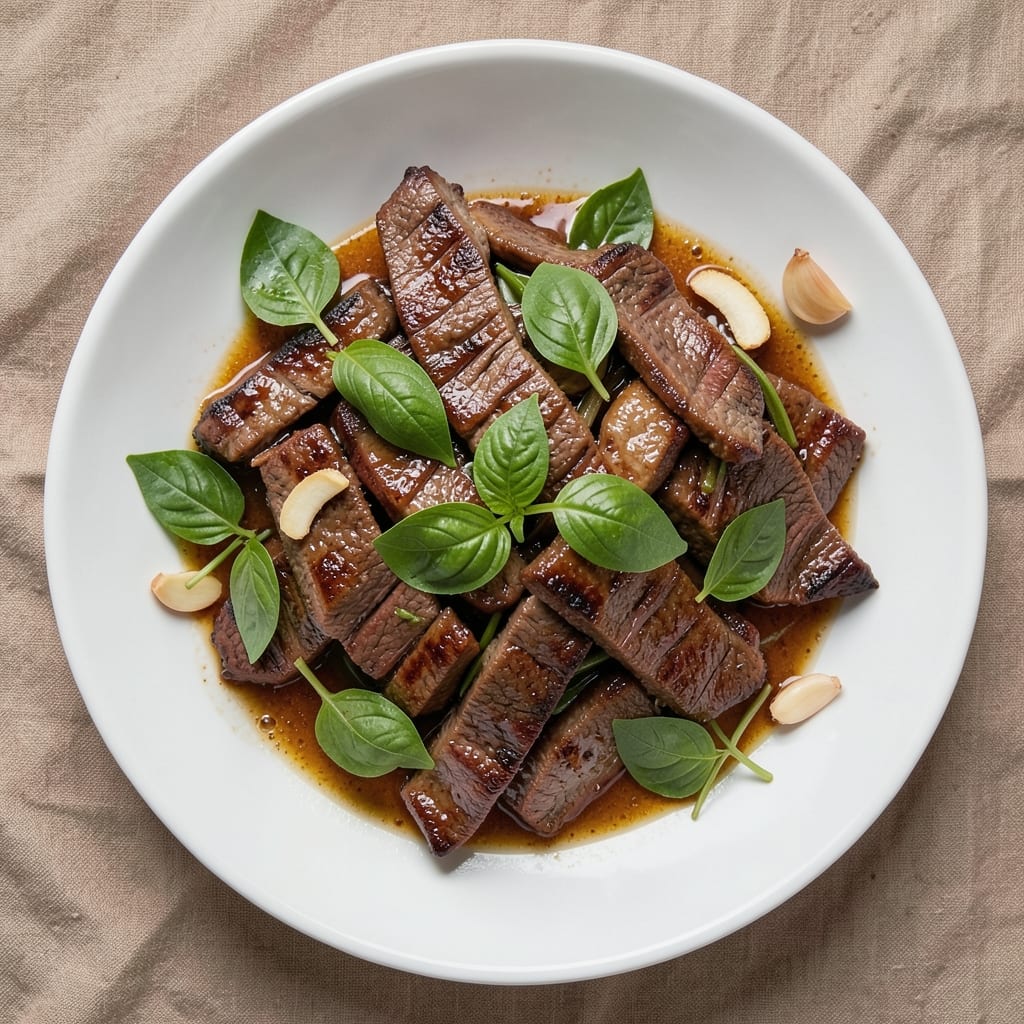
This basil beef stir fry recipe delivers restaurant-quality wok hei in just 15 minutes—crisp edges, tender beef, and fragrant basil that transforms a weeknight into a flavor experience. The secret lies in high-heat searing and a balanced soy-ginger sauce that clings to every bite without overpowering the fresh basil. I perfected this after years of testing, ensuring the beef stays juicy while achieving that signature crisp-tender texture.
The technique is straightforward but critical: thinly sliced beef marinated briefly in soy sauce and cornstarch for maximum tenderness, then seared in a screaming-hot wok or cast-iron skillet. The sauce—a simple blend of soy, ginger, garlic, and a touch of honey—coats the beef while keeping the basil bright and aromatic. This isn't just stir-fry; it's a technique that delivers restaurant-quality results at home.
By the time you plate it, you'll have perfectly seared beef with glossy, caramelized edges and a sauce that's sticky yet balanced—sweet from the honey, savory from the soy, and fresh from the basil. Serve over steamed jasmine rice or noodles to soak up every last drop of that fragrant sauce. The aroma alone will have everyone at the table asking for seconds.
For those without a wok, a cast-iron skillet works just as well—just crank the heat to high and keep the beef moving. This recipe scales effortlessly, making it perfect for feeding a crowd or meal prepping for the week. Let's get cooking!
Ingredients for basil beef stir fry
Restaurant-quality wok hei starts with these 13 ingredients—thinly sliced beef, fragrant basil, and a balanced soy-ginger sauce.
| Ingredient | Amount | Notes |
|---|---|---|
| Flank Steak 🥩 | 1 ½ lb | Thinly sliced against grain |
| Fresh Basil Leaves 🌿 | 1 ½ cups | Packed, stems removed |
| Soy Sauce 🍶 | ½ cup | Low-sodium preferred |
| Cornstarch 🌾 | 2 tbsp | For crisp-tender texture |
| Fresh Ginger 🧅 | 1 tbsp | Finely grated |
| Garlic Cloves 🧄 | 4 cloves | Minced |
| Honey 🍯 | 1 tbsp | Light variety |
| Sesame Oil 🫒 | 1 tbsp | Toasted for aroma |
| Neutral Oil 🫒 | 2 tbsp | Avocado or vegetable oil |
| Salt 🧂 | 1 tsp | Diamond Crystal kosher |
| Black Pepper 🌶️ | ½ tsp | Freshly ground |
| Jasmine Rice 🍚 | 1 ½ cups | Uncooked, long-grain |
| Green Onions 🧅 | 3 whole | Sliced for garnish |
The flank steak is non-negotiable for this stir-fry—it's lean, fibers run parallel for clean slicing, and the flavor stays rich. Ask your butcher to slice it against the grain (about 1/4-inch thick) if you're not doing it yourself. For the best quality, look for USDA Choice or higher, and pat it dry before slicing to prevent excess moisture. Fresh basil should be vibrant green with no black spots—Whole Foods or local farmers markets usually carry the best quality. If you can't find fresh, dried basil at one-third the amount works in a pinch, though the texture won't be the same.
No low-sodium soy sauce? Regular soy sauce plus a pinch of salt balances the flavor perfectly. The cornstarch is crucial—it creates that signature crisp-tender texture when seared. Bob's Red Mill is my go-to brand for reliable quality. Fresh ginger and garlic should be pungent and vibrant; no moldy roots or yellowing cloves. The honey adds just enough sweetness to cut through the soy's saltiness—Manuka honey has a deeper flavor, but any light variety works. For sesame oil, Kadoya is the gold standard, but any toasted sesame oil will add that nutty aroma. The rice should be jasmine variety—its floral notes complement the basil beautifully.
Store the sliced beef in an airtight container with a paper towel to absorb moisture for up to 2 days in the fridge. Fresh basil keeps best when wrapped in damp paper towels and refrigerated for 5-7 days. The dry ingredients (cornstarch, salt, pepper) stay potent indefinitely in a cool, dark place. This dish reheats beautifully—just add a splash of water or soy sauce to prevent drying out. For meal prep, portion the sauce separately and toss with beef and rice when ready to eat. The flavors actually improve overnight as everything melds together.
Why You'll Love This Recipe
- One-Pan Wonder: I swear by this recipe because it’s literally one pan, one spatula, and done. The flank steak slices itself into tender strips while the ginger and basil sizzle—no chopping mountains of veggies or drowning in dishes.
- Herb-Packed Punch: That bright, peppery basil mixed with the deep umami of soy sauce? It’s the kind of flavor that makes you pause mid-bite. The cornstarch gives the beef a satisfying crunch without overpowering the freshness.
- Lunchbox Hero: Between us, this is my go-to for meal prep. Toss the cooled stir-fry into containers with rice, and it stays fresh for days—no sad, soggy takeout vibes. Honestly, my kids beg for it more than their favorite pasta.
- Budget-Friendly Feast: Flank steak stretches far when sliced thin, and a handful of basil goes a long way. I’ve made this for date nights, potlucks, or just a lazy Friday—always a crowd-pleaser without breaking the bank.
Step-by-step instructions for basil beef stir fry
Master this wok technique for perfectly seared beef and fragrant basil in minutes.
Prep the Flank Steak for Maximum Tenderness
Slice the 1.5 lb flank steak thinly against the grain into ¼-inch strips. This cut ensures each bite remains tender despite quick cooking. Place the sliced steak in a bowl and toss with the 2 tbsp cornstarch until evenly coated—this creates the crisp-tender texture we're after. Let it marinate for 10 minutes while you prepare the aromatics.
I press down gently on the steak strips during the marinating process to ensure even cornstarch adhesion. This prevents uneven browning and ensures each piece develops that satisfying crunch. The cornstarch will transform into a golden crust during cooking, locking in juices while creating texture contrast.
Build the Flavor Base with Soy-Ginger Harmony
In a small bowl, whisk together the 0.5 cup soy sauce, 1 tbsp honey, 1 tbsp finely grated fresh ginger, 4 minced garlic cloves, and 1 tbsp sesame oil. This blend forms the aromatic foundation of our stir fry. Set aside while you cook the rice—it needs time to meld flavors.
The ginger should be freshly grated for maximum potency, and the garlic minced finely so it disperses evenly. The honey balances the soy sauce's saltiness while adding subtle sweetness that complements the basil. This sauce will transform from a simple mixture into a complex, umami-rich glaze as it cooks.
Cook the Jasmine Rice to Perfect Texture
Rinse the 1.5 cups jasmine rice under cold water until the water runs clear, then cook according to package instructions for fluffy, separate grains. I use a 1:1.5 rice-to-water ratio and bring it to a boil before reducing to a simmer for 15 minutes. The rice should be tender but still slightly firm—it will finish cooking in the residual heat.
Don't skip the rinsing step—it removes excess starch that would make the rice gummy. While the rice cooks, prepare your wok or large skillet over high heat. The rice should be ready just as you finish cooking the beef, allowing everything to come together at the perfect moment.
Sear the Beef to Crisp Perfection
Heat 2 tbsp neutral oil in your wok or skillet until shimmering hot. Add the cornstarch-coated beef in a single layer and let it sear undisturbed for 1-2 minutes until the edges develop a deep golden brown crust. This initial sear builds flavor and texture—don't rush it.
Once the beef begins to brown, push it to one side of the pan and add the reserved soy-ginger sauce. Let it simmer for 30 seconds to create a glossy glaze. Then toss the beef in the sauce, cooking for another 1-2 minutes until everything is heated through and the beef reaches 145°F internally. The cornstarch will create a light, crisp coating while the sauce clings to each piece.
Finish with Fresh Basil and Garnish
Remove the beef from heat and stir in the 1.5 cups packed fresh basil leaves until wilted but still vibrant. The basil should soften slightly but maintain its bright green color—this indicates it's just heated enough to release its aromatic oils without losing texture. Add the sliced 3 whole green onions for freshness.
Serve the basil beef stir fry immediately over the jasmine rice, drizzling any remaining sauce from the pan over the top. Each bite should deliver perfectly seared beef with a crisp exterior, tender interior, and bright basil aroma. The contrast between the crisp-tender beef and fragrant basil makes this dish truly special.
Pro Tips For Making Basil Beef Stir Fry
- Slice Against the Grain: Flank steak’s fibers run diagonally—cut it perpendicular to those lines for tender bites. I used to ignore this and ended up with chewy, tough strips. A sharp knife and steady hand make all the difference here.
- Marinate Ginger First: Grate the ginger fine and toss it into the soy sauce before adding the beef. This lets the ginger’s heat and moisture penetrate the meat while you prep everything else. (Yes, even if you’re impatient like me.)
- Don’t Overcrowd the Pan: Cook the beef in one layer over high heat until browned, then move it to a plate before adding the basil. Crowding steams the meat instead of searing it, and you’ll end up with soggy, flavorless strips.
- Use Cold Cornstarch: Mix the cornstarch with cold water (1 tbsp cornstarch to 2 tbsp water) and toss it with the beef right before cooking. Warm or dry cornstarch clumps and won’t coat evenly—your stir-fry will taste flat as a result.
Best sauces and condiments for this recipe
Classic Soy-Ginger Sauce
The foundation of this stir fry is the soy-ginger sauce, which balances sweet, salty, and umami perfectly. I use ½ cup low-sodium soy sauce as the base—it provides that deep, savory flavor without overwhelming the dish. Add 1 tbsp freshly grated ginger (never dried) for a zesty kick, and 1 tbsp honey to mellow the saltiness. The 4 minced garlic cloves and 1 tbsp toasted sesame oil add aromatic depth that makes every bite sing. 🌶️
Sweet Chili Glaze
For a fruity twist, swap the honey for 2 tbsp sweet chili sauce (like Maesri brand) and add ½ tsp red pepper flakes. This creates a glossy, slightly spicy glaze that pairs beautifully with the basil. The acidity in the chili sauce brightens the dish, while the heat adds a nice contrast to the tender beef. I recommend using this variation when you want a little kick without overpowering the fresh herbs.
Garlic-Brown Butter Sauce
For a richer, more complex flavor, melt 2 tbsp brown butter with the garlic and ginger, then whisk in ¼ cup heavy cream at the end. This creates a velvety sauce with nutty undertones that complement the beef's caramelized edges. The cream adds a luxurious texture while keeping the dish balanced. I love this version when serving to guests—it feels special but still quick to prepare.
Sesame Peanut Sauce
Blend ¼ cup smooth peanut butter with 2 tbsp soy sauce, 1 tbsp rice vinegar, and 1 tsp sriracha for a creamy, nutty sauce. Stir this into the beef during the final minute of cooking. The peanut butter adds protein and richness, while the vinegar cuts through the fat. Top with crushed peanuts and extra basil for a Thai-inspired twist that's perfect for a weeknight dinner. 🥜
Lemon-Herb Sauce
Finish with a bright, citrusy sauce by mixing 2 tbsp soy sauce, 1 tbsp lemon juice, 1 tsp honey, and 1 tbsp chopped cilantro. This lighter sauce works beautifully when you want to highlight the fresh basil's aroma. The acidity in the lemon juice also helps cut through the richness of the beef, making each bite feel refreshing. I often use this version when serving with a side of cucumber salad.
Spicy Sriracha-Lime
For heat lovers, combine 2 tbsp sriracha, 1 tbsp lime juice, 1 tsp honey, and 1 tsp sesame oil. Toss this with the cooked beef for a fiery finish. The lime juice adds tanginess that balances the spice, while the honey keeps it from being too harsh. Garnish with lime wedges and extra basil for a vibrant, restaurant-worthy dish that's sure to impress. 🔥
Nutrition facts
Frequently asked questions
Can I substitute flank steak with another cut of beef?
Yes, but choose cuts with similar texture. Sirloin or ribeye work well—just slice them ¼-inch thick against the grain for tenderness. Avoid fatty cuts like chuck, as they won't sear evenly. For extra-lean options, marinate the beef for 20 minutes instead of 10 to prevent dryness.
How do I prevent the beef from sticking to the pan?
High heat is key—your wok or skillet should be smoking hot before adding oil. Use neutral oil (like avocado or vegetable) and don't overcrowd the pan. If needed, cook in two batches to maintain temperature. The cornstarch coating also helps create a natural barrier against sticking.
What if I don't have fresh basil?
Use 1 tbsp dried basil (about 1/3 the amount of fresh) and add it during the final 30 seconds of cooking. For extra flavor, add ½ tsp basil extract to the sauce. Avoid cooking dried basil too long—it can turn bitter. For a different herb, try cilantro or thyme for similar aromatic qualities.
Can I make this dish ahead of time?
Yes, but prepare components separately. Cook the beef and sauce ahead, then refrigerate in an airtight container for up to 2 days. Reheat gently in a skillet with a splash of water or soy sauce. Store the basil separately and add fresh when reheating. The rice should always be cooked fresh for best texture.
What's the best way to serve this stir fry?
Traditionally, it's served over jasmine rice or steamed white rice to soak up the sauce. For extra flair, add steamed broccoli or sautéed bok choy on the side. Garnish with toasted sesame seeds and green onions for freshness. This dish pairs perfectly with iced green tea or beer to cut through the richness.