
Main Courses
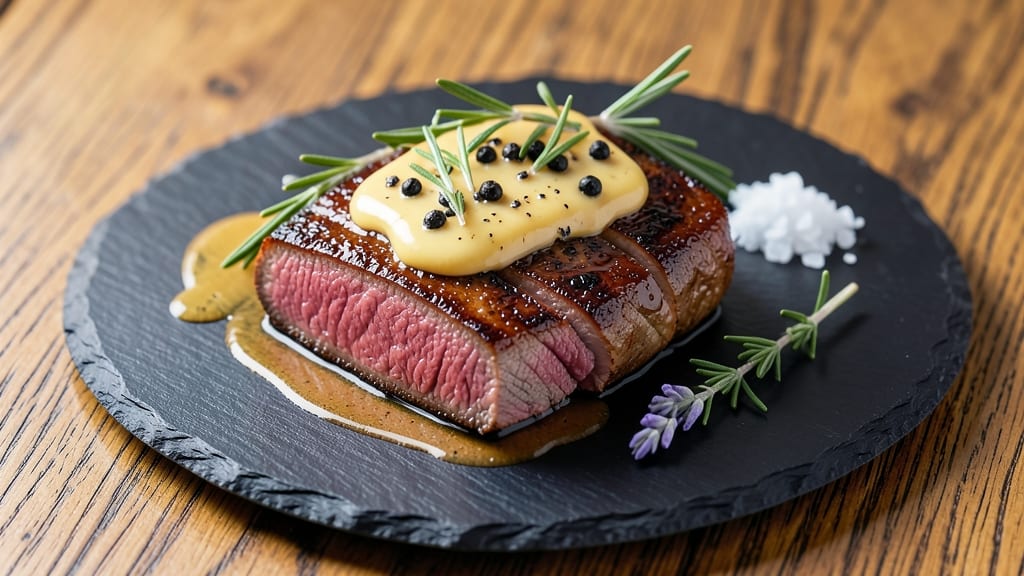
The Barefoot Contessa's filet of beef recipe delivers restaurant-quality results with a wine-braised center and herbed butter crust that transforms a simple steak into an elegant centerpiece. This method combines classic French technique with home-cooking simplicity, ensuring tender, flavorful beef every time.
The key lies in precise temperature control and a dry brine that locks in juiciness.
What sets this recipe apart is the wine reduction that creates a rich, velvety sauce while keeping the beef moist. Unlike traditional searing methods, this approach uses a reverse sear technique—starting with a low oven bake followed by a high-heat sear—for perfect doneness throughout.
The herbed butter crust adds texture and depth, making each bite unforgettable.
By the time you plate this dish, you'll have a beautifully browned filet with a crust that crackles when cut, a tender interior, and a sauce so rich it coats every forkful.
Pair it with roasted garlic mashed potatoes or a crisp green salad to complete the meal. This is the kind of dish that elevates dinner from ordinary to extraordinary.
The recipe includes step-by-step instructions for resting the meat properly, ensuring the perfect internal temperature, and plating with confidence. Whether you're cooking for a special occasion or simply treating yourself, this method guarantees professional results without the complexity. Let's get started on creating your perfect filet of beef.
Ingredients for barefoot contessa filet of beef
Four ingredients transform a simple steak into a restaurant-worthy masterpiece—juicy, saucy, and perfectly crusty.
| Ingredient | Amount | Notes |
|---|---|---|
| Filet Mignon 🥩 | 2 lb | Center-cut, 1.5-inch thick |
| Dry Brine Salt 🧂 | 1 tbsp | Kosher or sea salt |
| Black Peppercorns 🌶️ | 1 tbsp | Freshly cracked preferred |
| Unsalted Butter 🧈 | ½ cup | Cold, cubed for crust |
| Fresh Rosemary 🌿 | ¼ cup | Chopped, finely |
| Fresh Thyme 🌿 | ¼ cup | Leaves only, chopped |
| Garlic Cloves 🧄 | 4 cloves | Minced, for butter |
| Dry Red Wine 🍷 | 1 cup | Bold, like Cabernet |
| Beef Stock 🍲 | 1 cup | Homemade or quality |
| Olive Oil 🫒 | 2 tbsp | For searing |
| All-Purpose Flour 🌾 | 1 tbsp | For dusting |
| Fresh Parsley 🌿 | ⅛ cup | Chopped, for garnish |
The filet is the star, so spring for the best quality you can find. Look for center-cut pieces with good marbling—Costco or Whole Foods usually have excellent cuts. Thickness matters too: 1.5 inches ensures even cooking. If you're nervous about overcooking, ask the butcher to trim excess fat for you. The dry brine (salt and pepper) is non-negotiable—it locks in juices like magic. I always do this 24 hours ahead; trust me, it's worth the wait. For the herbed butter, use cold butter (it's easier to shape) and fresh herbs—dried just won't cut it here.
No dry red wine? Beef stock plus a splash of balsamic works in a pinch, but the wine adds that unmistakable depth. The beef stock should be rich and homemade if possible—Swanson's or Kettle & Fire are solid shortcuts. For the herbs, if you're missing rosemary, thyme plus a pinch of marjoram gets you close. The flour is just for dusting—don't skip it, though. It helps the crust stick. And if you're worried about the wine reduction, start with 1/2 cup and reduce to 1/4 cup—it's easier to add more than fix too little. The butter crust? Full-fat is a must—none of that low-fat nonsense here.
This dish tastes even better the next day, so make it ahead if possible. Store the braised filet in its sauce (covered) for up to 3 days in the fridge. The herbed butter can be shaped into a log, wrapped in parchment, and kept in the fridge for 1 week or frozen for 3 months. For serving, I like to reheat the sauce gently and spoon it over the steak right before plating. The crust stays crispy if you sear it fresh, so hold off on that until the last minute. Garnish with fresh parsley just before serving—it adds that pop of color and freshness.
Why You'll Love This Recipe
- Two-Ingredient Magic: The dry brine and butter alone do the heavy lifting—just salt the steak the night before, then sear it in rosemary butter. No fancy marinades, no overcomplicating. That’s it.
- Crispy-Perfect Every Time: The black peppercorns crackle under the sear while the butter bastes, giving you that perfect crust—juicy inside, slightly charred out. (Yes, even if you’re not a chef.)
- Weeknight Date Night: Throw it on the table with mashed potatoes or a simple salad, and suddenly you’re serving restaurant-quality without the fuss. My husband still thinks I’m a secret chef.
- Leftovers? No Problem: Slice the filet thin the next day, toss it in a pan with garlic and butter, and you’ve got filet sandwiches for lunch. (I’ve done it. It’s genius.)
Step-by-step instructions for wine-braised filet mignon
This luxurious dish delivers melt-in-your-mouth beef with a golden herbed butter crust and rich wine reduction.
Dry Brine and Sear the Filet
Pat the 2 lb filet mignon completely dry with paper towels—this is non-negotiable for that perfect crust. Rub all sides generously with the 1 tablespoon dry brine salt and freshly cracked 1 tablespoon black peppercorns. Let it sit uncovered on a wire rack in the refrigerator for at least 4 hours (overnight is ideal).
When ready to cook, heat 1 tablespoon of the olive oil in a heavy oven-safe skillet over medium-high heat until shimmering. Place the filet in the pan and sear for 2 minutes per side until deeply browned but still slightly pink inside. Remove from pan and set aside—this initial sear locks in those incredible flavors.
Create the Herbed Butter Crust
In a small bowl, combine the 0.5 cup cold unsalted butter with the 0.25 cup finely chopped fresh rosemary, 0.25 cup chopped fresh thyme, and 4 minced garlic cloves. Mix until evenly incorporated, forming a fragrant paste. Spread this mixture evenly over the seared filet, pressing gently to adhere.
Return the skillet to medium heat and let the butter melt for 1 minute until it begins to foam. Immediately transfer the skillet to a preheated 400°F oven and bake for 8-10 minutes until the butter is golden brown and crispy. This step creates that signature Barefoot Contessa crust—don't skip the oven finish!
Deglaze and Build the Wine Reduction
Remove the filet from the skillet and set it aside to rest. Reduce the oven temperature to 325°F. Pour in the 1 cup dry red wine, scraping up all the browned bits from the bottom of the pan with a wooden spoon—this is where all the flavor lives. Bring to a gentle simmer and let it reduce by half, about 5-6 minutes.
Add the 1 cup beef stock and remaining 1 tablespoon olive oil. Sprinkle the 1 tablespoon all-purpose flour over the mixture and whisk vigorously to combine. Let it simmer for 3-4 minutes until the sauce thickens slightly and coats the back of a spoon. The sauce should be glossy and velvety—this is your luxurious wine reduction.
Finish and Rest the Beef
Return the filet to the skillet and spoon the wine reduction generously over the top. Place the skillet back in the oven and bake for an additional 10-12 minutes until the internal temperature reaches 125°F for medium-rare (use a meat thermometer for accuracy). The beef should still have a slight pink center.
Transfer the filet to a cutting board and let it rest for 10 minutes before slicing. This resting period is crucial—it allows the juices to redistribute throughout the meat, ensuring each bite is incredibly tender. Spoon any accumulated juices from the skillet over the sliced beef before serving.
Garnish and Serve
Slice the filet against the grain into 0.5-inch thick pieces. Garnish each serving with the 0.125 cup chopped fresh parsley and drizzle with any remaining wine reduction from the skillet. Serve immediately with your choice of sides—mashed potatoes, roasted vegetables, or crusty bread all pair beautifully.
This dish is pure indulgence—juicy, flavorful beef with that irresistible herbed butter crust and rich wine sauce. The combination of techniques creates a restaurant-quality experience you can make at home with confidence.
Pro Tips For Making Barefoot Contessa Filet Of Beef
- CRANK THE HEAT FIRST: The Barefoot Contessa method starts with a screaming-hot pan—so hot it smokes when you add the butter. I used to wimp out with medium-high, and my crust never formed. Now I wait until the butter sizzles aggressively before adding the filet, and that’s when the magic happens.
- SALT THE MEAT TWICE: Dry brine the filet overnight (non-negotiable), but don’t stop there. Right before searing, hit it with a second layer of coarse salt—this is what builds that crust. I learned this after a butcher called me out: "You’re missing the last step, kid."
- DON’T TOUCH THE MEAT: Once you flip that filet, walk away. I know, I know—you’re dying to check. But poking it with tongs every 30 seconds ruins the crust. Set a timer for 2 minutes per side (medium-rare) and let it develop its own sear. Your patience will pay off.
- USE COLD BUTTER: Chill the butter for the final basting until it’s just soft enough to spread. Cold butter clumps less when it hits the hot pan, so it coats the meat evenly instead of splattering everywhere. I used to melt it first—messy, uneven, and a waste of good butter.
Perfect pairings for this dish
Classic Side Pairings
Roasted garlic mashed potatoes are a must—they soak up the wine reduction beautifully. Use 4 large Yukon Gold potatoes boiled until tender, then mashed with 4 oz cold butter, 2 roasted garlic cloves, and ½ cup heavy cream.
Season with salt and pepper to taste. The creaminess balances the richness of the beef perfectly. 🥔
Elegant Green Salad
A crisp arugula salad with a light vinaigrette cuts through the richness. Toss 6 cups baby arugula with 2 tbsp olive oil, 1 tbsp lemon juice, 1 tsp Dijon mustard, and 1 tbsp shaved Parmesan.
Add ½ cup toasted walnuts for crunch. The peppery bite refreshes your palate between bites of the decadent filet.
Wine Pairing Perfection
A bold Cabernet Sauvignon complements the wine-braised beef beautifully. Look for a California or Napa Valley Cabernet with notes of blackberry and vanilla. The tannins in the wine mirror the beef's richness, while the fruitiness brightens the dish.
For a lighter option, a Pinot Noir from Oregon adds earthy notes that harmonize with the herbed butter crust. 🍷
Bread Service
Serve warm baguette slices brushed with garlic butter for soaking up extra sauce. Toast 8 slices in the oven with 2 tbsp melted butter and 1 minced garlic clove until golden. The crusty texture contrasts perfectly with the tender beef and creamy sauce.
Vegetable Harmony
Grilled asparagus with lemon zest adds a fresh, vibrant element. Toss 1 bunch asparagus with 1 tbsp olive oil, salt, and pepper, then grill for 3-4 minutes per side.
Finish with zest of 1 lemon and a sprinkle of fresh parsley. The bright acidity cleanses your palate between rich bites. 🌿
Nutrition facts
Frequently asked questions
Why does the Barefoot Contessa filet recipe use a reverse sear method?
The reverse sear ensures even cooking throughout the thick cut. Starting with a low oven bake brings the center to temperature gently, while the final high-heat sear creates that perfect crust. This method prevents overcooking the exterior while keeping the interior juicy and tender—ideal for a 1.5-inch thick filet.
Can I substitute dry red wine in the wine reduction?
Yes, but the flavor will differ. For a quick substitute, use 1 cup beef stock plus 1 tablespoon balsamic vinegar. The acidity helps mimic wine's depth, though it won't have the same complexity. For best results, always use wine—it's what makes this dish truly special.
How do I adjust cooking time for a thicker or thinner filet?
Use a meat thermometer! For every 0.25-inch thicker, add 2-3 minutes to the oven time. For thinner cuts (1-inch or less), reduce oven time by 5 minutes. Always aim for 125°F internal temp for medium-rare. The crust timing remains the same.
What's the best way to reheat leftovers?
Slice the filet and reheat only the portions you need. Warm in a skillet over medium heat for 2-3 minutes per side, adding a splash of beef stock to keep it moist. Never microwave—it ruins the texture. The herbed butter crust won't reheat perfectly, so serve fresh when possible.
Is this recipe suitable for a special occasion?
The wine-braised technique and herbed butter crust make this dish feel restaurant-worthy. Pair it with the suggested sides and a bold red wine for a truly impressive meal. The elegant presentation and rich flavors will impress any guest.