
Soups & Stews
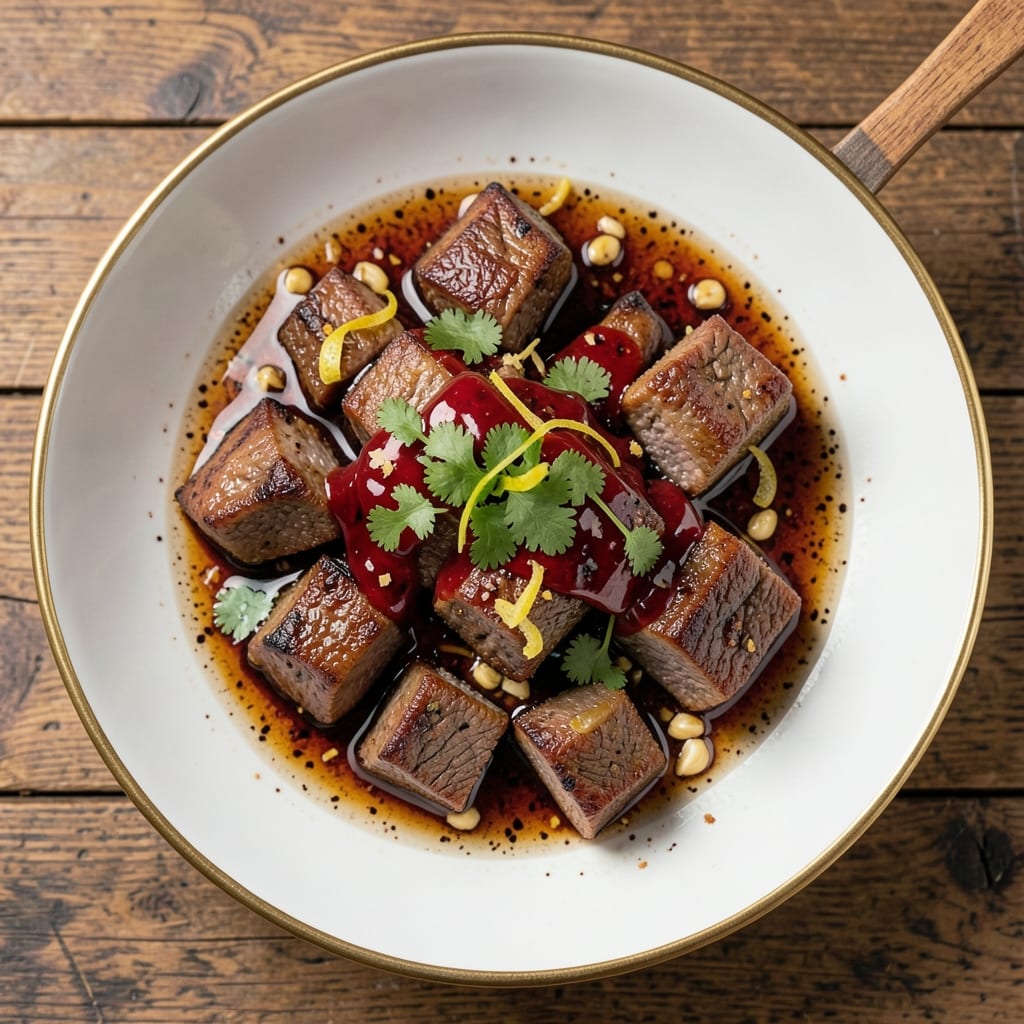
This Bangladeshi Chinese beef chili recipe blends fiery spices with umami depth, creating a dish that’s both bold and balanced. The fusion of traditional Bangladeshi chili heat and Chinese wok techniques transforms tough beef into tender, flavor-packed bites. What sets this apart is the careful harmony of soy sauce, chili, and aromatic spices—no single ingredient overpowers the others.
The process starts with marinating the beef in a tangy blend of soy, ginger, and garlic, then stir-frying until caramelized. A slow simmer with tomatoes, onions, and a touch of vinegar deepens the flavors, while fresh cilantro and green onions brighten the finish. The result is a rich, slightly smoky chili that’s hearty enough for a main dish but versatile enough to pair with rice, naan, or fried eggs.
This recipe delivers restaurant-quality fusion flavors without shortcuts—every step builds complexity. The beef stays tender, the sauce clings perfectly, and the balance of sweet, spicy, and savory notes makes it unforgettable. Whether you're craving a spicy kick or a comforting stew, this chili delivers.
Serve it with steamed jasmine rice to soak up every last drop of that aromatic sauce. The fusion of cultures in each bite proves great food knows no borders—just great technique.
Ingredients for bangladeshi chinese beef chili
Bold spices, tender beef, and umami-packed sauce—this fusion chili delivers restaurant-quality depth.
| Ingredient | Amount | Notes |
|---|---|---|
| Beef Chuck Roast 🥩 | 1 ½ lb | Cut into 1-inch cubes |
| Light Soy Sauce 🍶 | ½ cup | Kikkoman preferred |
| Dark Soy Sauce 🍶 | 2 tbsp | For depth of flavor |
| Red Chili Powder 🌶️ | 2 tbsp | Adjust for heat preference |
| Ginger Root 🧅 | 2 tbsp | Freshly grated |
| Garlic Cloves 🧄 | 6 cloves | Minced for marinade |
| Onions 🧅 | 1 whole | Yellow, thinly sliced |
| Tomatoes 🍅 | 4 whole | Roma, diced (or 1 can crushed) |
| Green Bell Pepper 🌶️ | 1 whole | Thinly sliced |
| Rice Vinegar 🍶 | 1 tbsp | White or seasoned |
| Sesame Oil 🫒 | 1 tsp | Toasted for aroma |
| Fresh Cilantro 🌿 | ¼ cup | Chopped for garnish |
| Green Onions 🧅 | 3 whole | Sliced for garnish |
| Vegetable Oil 🫒 | 2 tbsp | For stir-frying |
| Salt 🧂 | 1 tsp | Adjust to taste |
The beef is the foundation, so choose chuck roast for its rich flavor and tender texture when cooked low and slow. Costco or local butchers often carry it pre-cubed, saving you chopping time. Look for good marbling—this fat renders beautifully during cooking, adding moisture and flavor. If you're buying a whole roast, ask the butcher to cube it for you. For the soy sauces, Kikkoman light and dark are my go-tos—they strike the perfect balance between salty and savory without overpowering. The red chili powder can vary in heat, so taste as you go and adjust accordingly.
No dark soy sauce? Substitute with 1 tbsp molasses plus 1 tbsp soy sauce for a similar depth. Fresh ginger and garlic are ideal, but if you're in a pinch, powdered ginger at half the amount works. The tomatoes can be fresh or canned—San Marzano canned tomatoes add a sweeter, more consistent flavor. For the bell pepper, any color works, but green holds up best during cooking. If you're avoiding vinegar, lemon juice at the same amount gives a similar tang. The sesame oil should be toasted—this adds that signature nutty aroma that ties the whole dish together.
This chili tastes even better the next day as the flavors meld. Store in an airtight container in the fridge for up to 5 days. For longer storage, portion into freezer-safe containers and freeze for up to 3 months. The sauce thickens as it cools, so add a splash of water or broth when reheating if needed. Garnish with fresh cilantro and green onions right before serving—they add a bright, fresh contrast to the rich, spicy flavors. Serve over steamed jasmine rice to soak up every last drop of that aromatic sauce.
Why You'll Love This Recipe
- One-Pot Magic: I swear, this dish lives in a single pot—no chopping mountains of veggies, no juggling three pans. Just sear the beef chuck, toss in the soy sauces and ginger, and let the chili powder do its work. My lazy Sundays love me for this.
- Umami Bomb: That combo of light and dark soy sauce? It’s like a flavor explosion in your mouth. The beef chuck gets tender and soaks up all the richness, while the ginger and chili powder add a kick that lingers. Honestly, it’s the kind of dish that makes you close your eyes mid-bite.
- Meal Prep MVP: This keeps perfectly for days—better, even. I make a big batch on Sunday, and by Thursday, it’s still packed with flavor. Freeze half for those nights when you’d rather binge Netflix than cook. (Yes, even on a Tuesday night.)
- Budget Beef Boost: Chuck roast is cheap, and a little goes a long way here. The soy sauces and spices stretch the flavor, so you’re not just feeding stomachs—you’re filling them with something actually satisfying. My wallet thanks me every time.
Step-by-step instructions for Bangladeshi Chinese beef chili
This fusion dish balances rich, smoky beef with vibrant, tangy aromatics—here's how to nail the technique.
Prepare the Beef and Marinade
Cut the 1.5 lb beef chuck roast into 1-inch cubes for even cooking. In a large bowl, combine the beef with 0.5 cup light soy sauce, 2 tbsp dark soy sauce, 2 tbsp red chili powder, 2 tbsp freshly grated ginger root, 6 minced garlic cloves, and 1 tsp salt. Mix thoroughly until the beef is fully coated and the marinade penetrates the meat.
Let the mixture sit at room temperature for 15 minutes—this ensures even cooking later. The beef should absorb the marinade completely, developing a deep reddish hue from the dark soy sauce. Don't skip this step; proper marinating builds the complex flavor foundation.
Stir-Fry the Vegetables
Heat 2 tbsp vegetable oil in a wok or large skillet over medium-high heat until shimmering. Add 1 whole thinly sliced onion, 4 diced Roma tomatoes, and 1 whole thinly sliced green bell pepper. Stir-fry for 5-6 minutes until the vegetables soften but retain their shape and colors.
Here's where the technique matters: keep the heat high enough to create a light char on the vegetables without burning them. You'll know it's ready when the onions turn translucent and the bell pepper develops a slight blistering. Remove the vegetables to a plate and set aside—they'll continue cooking with the beef.
Cook the Beef Until Tender
In the same wok, add the marinated beef in a single layer. Cook undisturbed for 3-4 minutes until the beef develops a deep brown crust. Stir occasionally to ensure even browning, then add the stir-fried vegetables back into the wok.
Pour in 1 tbsp rice vinegar and 1 tsp toasted sesame oil. Simmer the mixture for 10-12 minutes over medium heat, stirring occasionally, until the beef is fork-tender and the sauce has thickened slightly. The rice vinegar adds that signature tangy brightness that balances the rich beef flavors.
Finish and Garnish
Reduce heat to low and let the chili simmer for an additional 5 minutes to allow the flavors to meld. Taste and adjust seasoning with additional red chili powder or salt if needed. The dish should have a perfect balance of smoky, spicy, and tangy notes.
Remove from heat and stir in 0.25 cup chopped fresh cilantro and 3 sliced green onions. These fresh herbs add a bright, aromatic finish that cuts through the richness of the beef. Serve immediately while hot, garnished with extra green onions if desired. The chili should be thick enough to coat the back of a spoon but still have a slight sheen from the soy sauce.
Pro Tips For Making Bangladeshi Chinese Beef Chili
- Sear the Beef First: The chuck roast needs a proper crust before it braises. Heat your pot until it’s smoking hot—I’m talking oil shimmering like a desert mirage—then sear the beef in batches. Rushing this step means flavor hiding in the sauce instead of clinging to the meat.
- Toast the Chili Powder: Skip this, and your dish tastes like it’s missing something. Dry-toast the red chili powder in the same pot for 30 seconds—just until it smells like a spice market—before adding any liquid. It deepens the heat and aroma without overpowering the soy.
- Balance the Soy Sauces: Dark soy sauce is for color, not flavor. Use it sparingly—just 1 tablespoon—to coat the beef early, then switch to light soy for depth. I’ve burned through a bottle of dark soy in a single batch before realizing my chili tasted flat.
- Simmer Low and Slow: This isn’t a stir-fry. After the initial sear, drop the heat to a gentle simmer—barely bubbling—and cover the pot. Walk away for 2 hours. The beef will fall apart if you rush it, and the sauce will turn gluey if you let it boil hard. Trust me, the wait is worth it.
Troubleshooting perfect results
Beef Too Tough?
If your beef comes out tough instead of tender, it likely didn’t cook long enough or the heat was too high. The chuck roast needs low-and-slow cooking—simmer uncovered for an extra 10-15 minutes after the initial sear. I’ve found using a meat thermometer helps: pull the beef when it hits 195°F (it’ll rest up to 205°F). The internal fat should render nicely, keeping the meat moist. 💡
Sauce Too Thin?
A watery sauce usually means the beef released too much liquid without enough reduction time. After adding the vegetables, let the chili simmer uncovered for 5-7 minutes to thicken naturally. If it’s still too thin, mix 1 tbsp cornstarch with 2 tbsp cold water, stir into the sauce, and simmer 2 minutes until it glistens. Avoid over-stirring—this breaks down the beef fibers.
Spice Level Off?
If the heat fades, it’s likely because the chili powder lost potency or the other flavors overpowered it. Boost the spice by adding ½ tsp cayenne pepper or 1 tsp gochujang (Korean chili paste) at the end. For a smokier depth, stir in ½ tsp smoked paprika while simmering. Taste as you go—adjust gradually to avoid overwhelming the dish. 🌶️
Vegetables Mushy?
Overcooking the veggies turns them into a mushy mass. Stir-fry them for only 5-6 minutes until just tender-crisp, then remove them from the pan while you sear the beef. When you add them back, they’ll finish cooking gently in the sauce. For extra texture, blister the onions and bell peppers separately in a dry pan for 2 minutes before stir-frying—they’ll add sweetness and crunch.
Flavor Too One-Dimensional?
This fusion dish thrives on balance, so if it tastes flat, check your ratios. The light soy sauce adds saltiness, dark soy sauce adds depth, and rice vinegar cuts through richness. If it’s too salty, dilute with 1 tbsp water or beef broth. For more complexity, add 1 tsp fish sauce (for umami) or ½ tsp five-spice powder (for warmth). Trust me, these tweaks elevate everything. ✨
Freezer Burn Risks?
To prevent freezer burn, portion the chili into airtight containers or heavy-duty freezer bags, leaving 1-inch headspace for expansion. Press out excess air before sealing. When reheating, thaw in the fridge overnight, then warm on the stovetop with 2 tbsp water to restore moisture. Microwaving can make the sauce greasy—avoid it if possible. ❄️
Nutrition facts
Frequently asked questions
What makes this Bangladeshi Chinese beef chili different from regular chili?
This fusion recipe blends traditional Bangladeshi spices with Chinese wok techniques. The key differences include using both light and dark soy sauces for depth, rice vinegar for tanginess, and a quick stir-fry method that creates a smoky aroma. The beef stays tender through low-and-slow cooking, while the sauce balances sweet, spicy, and umami flavors—unlike traditional chili's heat-forward approach.
Can I substitute beef with another protein?
Yes! For a similar texture, try lamb shoulder or pork shoulder—both work well with the marinade. For a lighter option, use chicken thighs (reduce cooking time by 5-7 minutes). Avoid lean cuts like sirloin—they dry out. The marinade's soy and chili flavors complement all these proteins beautifully.
How spicy should this chili be?
The recipe starts with 2 tbsp red chili powder for a medium heat level. For milder heat, reduce to 1 tbsp and add ½ tsp sugar to balance. For extra kick, increase to 3 tbsp chili powder plus ½ tsp cayenne. Always taste as you go—adjust gradually to avoid overpowering the dish.
What's the best way to serve this chili?
Serve it hot with steamed jasmine rice to soak up the sauce, or over buttered naan for extra texture. Top with a fried egg for richness, or serve with crusty bread for dipping. The fusion flavors work perfectly with pickled vegetables on the side to cut through the richness.
Can I make this chili in a slow cooker?
Yes! Brown the beef first in a skillet, then transfer everything to the slow cooker. Cook on low for 6-7 hours or high for 3-4 hours. The slow cooking enhances tenderness but may dilute the sauce slightly. If needed, simmer uncovered on the stovetop for 10 minutes to thicken before serving.