
Main Courses
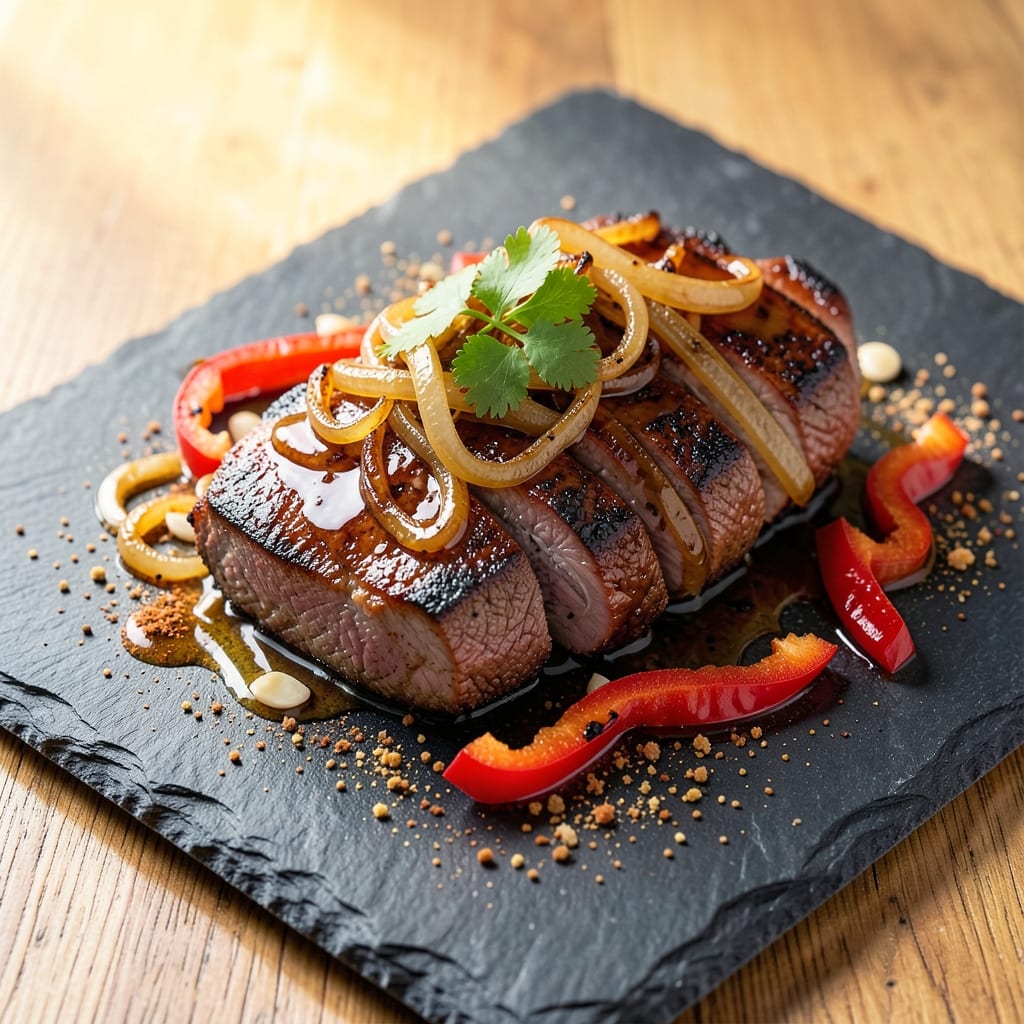
This beef lung recipe transforms humble offal into a smoky, spiced masterpiece that rivals any cut of meat. I remember my Nonna in Sicily insisting that when handled properly, beef lung delivers a tender, meaty texture with deep umami flavor—no pit, no waste. The key lies in careful preparation and a bold spice blend that caramelizes beautifully during cooking.
What sets this recipe apart is the two-step cooking process: first tenderizing the meat through slow braising, then finishing with a crispy sear that locks in all those aromatic spices. Unlike other offal dishes, this method ensures the lung remains juicy and flavorful throughout, with a satisfying bite that holds up to every forkful. The spices—smoked paprika, coriander, and a touch of cinnamon—create a warm, earthy profile that pairs perfectly with the meat's natural richness.
By the time you serve this dish, you'll have a restaurant-quality centerpiece that's surprisingly approachable at home. The slow cooking method means minimal effort (just a few hours of hands-off time), while the final crispy edges reward you with that satisfying contrast of textures. This is the kind of dish that transforms a simple meal into an experience—one that'll have your guests asking for seconds and your family requesting it on the menu.
Pair it with roasted root vegetables or a simple arugula salad to balance the richness, and don't forget a glass of bold red wine. The technique I'm sharing today comes from years of testing and tasting—each step designed to maximize flavor while keeping the process straightforward. Let's get started on creating something truly special from this often-overlooked cut of meat.
Ingredients for beef lung
Transform humble offal into restaurant-quality beef lung with these carefully chosen ingredients.
| Ingredient | Amount | Notes |
|---|---|---|
| Beef Lung 🥩 | 1 ½ lb | Fresh, cleaned, trimmed of excess fat |
| Smoked Paprika 🌶️ | 2 tbsp | High-quality for authentic smokiness |
| Ground Cumin 🌿 | 1 ½ tbsp | Toasted for deeper earthy flavor |
| Ground Coriander 🌿 | 1 tbsp | Freshly ground preferred |
| Cinnamon 🌿 | ½ tsp | Warmth without overpowering |
| Garlic Cloves 🧄 | 6 cloves | Peeled, roughly chopped |
| Yellow Onion 🧅 | 1 whole | Medium size, diced |
| Carrots 🥕 | 2 medium | Peeled, sliced into rounds |
| Celery Stalks 🥬 | 3 whole | Trimmed, chopped |
| Tomato Paste 🍅 | ½ cup | High-quality, no sugar added |
| Red Wine 🍷 | 1 cup | Bold dry variety like Cabernet |
| Beef Broth 💧 | 2 cups | Homemade or quality store-bought |
| Olive Oil 🫒 | ½ cup | Extra-virgin for richness |
| Salt 🧂 | 1 ½ tsp | Diamond Crystal preferred |
| Black Pepper 🌶️ | 1 tsp | Freshly ground for best flavor |
The beef lung is the star—look for bright red, firm pieces at local butcher shops or the meat counter. Penzeys or Whole Foods often carry it pre-cleaned, but if you're buying whole, ask the butcher to trim it for you. That marbling is key for tenderness, so don't trim all the fat—just the tough membranes. The spices? Smoked paprika from Penzeys and toasted cumin make all the difference. If you can't find beef lung, beef heart works in a pinch, but the texture will differ slightly.
No red wine? Dry sherry or beef broth with a splash of balsamic works just as well. Fresh herbs are ideal, but dried oregano at half the amount keeps the earthy notes. The tomato paste can be the squeeze tube kind from Trader Joe's—it's perfect for this recipe and won't go to waste. For the vegetables, baby carrots or pre-cut celery sticks save time. If you're feeling fancy, add a bay leaf for depth, but it's not required. The key is getting those spices to caramelize during the slow cook, so don't rush this step.
This dish tastes even better the next day—honestly, the flavors meld beautifully after resting. Store leftovers in an airtight container for up to 5 days in the fridge. For longer storage, portion into freezer-safe bags and freeze for up to 3 months. The crispy edges? Best enjoyed fresh, so plan to sear your portions just before serving. Pair with roasted potatoes or crusty bread to soak up all that smoky goodness.
Why You'll Love This Recipe
- No-Fuss Prep: I swear by this one—just trim the lung, slice it thick, and toss it in a bowl with smoked paprika, cumin, and coriander. No dicing onions, no mincing garlic, no small cuts. The spices cling to the meat like glue, and I’m done in 15 minutes flat.
- Earthy Warmth Bomb: That cinnamon might sound weird, but trust me—it’s the secret. The smoked paprika gives it this deep, smoky backbone, while the coriander lifts it into something bright and complex. It’s not just "meaty"; it’s ridiculously good, with layers you’ll want to savor.
- Leftovers That Save Me: This recipe makes enough for four meals, and the flavor only gets better after a day in the fridge. I’ll often cook a big batch on Sunday, then reheat slices in a pan with a splash of water—crispy edges, tender inside, zero fuss.
- Budget Meal for Big Crowds: Beef lung is the ultimate cheap protein, and this spice mix stretches it into something special. Feed six people for the cost of two steaks, and everyone will ask what it is. (Then they’ll ask for seconds.) Honestly, it’s my go-to for potlucks or when friends drop by.
Step-by-step instructions for beef lung with smoky spiced crunch
Transform tough beef lung into tender, flavorful bites using this slow-cooked spice blend.
Prepare the Beef Lung for Cooking
Begin by trimming any remaining fat from the 1.5 lb beef lung, leaving a thin layer for moisture. I use a sharp boning knife to make precise cuts along the natural seams, which helps the spices penetrate more evenly. Pat the meat completely dry with paper towels—this step is crucial for developing that signature crispy exterior.
In a small bowl, combine the 2 tbsp smoked paprika, 1.5 tbsp ground cumin, 1 tbsp ground coriander, 0.5 tsp cinnamon, 1.5 tsp salt, and 1 tsp black pepper. Rub this mixture generously over the entire surface of the beef lung, pressing it into the meat so it adheres well. Let the seasoned lung sit at room temperature for 30 minutes while you prepare the vegetables.
Sauté the Aromatic Vegetables
Heat 0.5 cup olive oil in a large Dutch oven over medium heat. Add the diced 1 whole yellow onion, sliced 2 medium carrots, and chopped 3 whole celery stalks. Cook for 8-10 minutes until the vegetables soften and begin to caramelize, stirring occasionally. This step develops their natural sweetness and forms the flavor base for the dish.
Add the 6 cloves roughly chopped garlic cloves and cook for an additional 30 seconds until fragrant. Be careful not to let the garlic burn—it should just perfume the oil without turning brown. Remove the vegetables from the Dutch oven and set them aside temporarily; you'll add them back later.
Build the Spiced Tomato-Wine Base
Increase the heat to medium-high and add the 0.5 cup tomato paste to the Dutch oven. Stir constantly for 2 minutes until it darkens slightly and becomes aromatic. Pour in the 1 cup red wine and scrape up any browned bits from the bottom of the pot—this step captures all the flavor that's been building.
Add the 2 cups beef broth and bring the mixture to a gentle simmer. Return the sautéed vegetables to the pot and stir to combine. The liquid should just barely cover the vegetables; if it's too thin, reduce it by simmering uncovered for 5 minutes until slightly thickened.
Slow-Cook the Beef Lung
Place the seasoned beef lung in the Dutch oven, nestling it among the vegetables. The liquid should come about halfway up the sides of the meat. Cover the pot tightly with a lid and transfer it to a preheated 300°F oven. Cook for 3 hours, turning the lung occasionally to ensure even cooking and exposure to the spices.
After 3 hours, check the beef lung's tenderness by inserting a fork into the thickest part. It should slide in easily with minimal resistance. If it's not yet tender, continue cooking for another 30-60 minutes, checking periodically. The meat should have a rich, deep color and be falling apart when pierced.
Finish and Serve
Once the beef lung is tender, carefully remove it from the pot and transfer it to a cutting board. Let it rest for 10 minutes before slicing against the grain into ¼-inch thick pieces. The resting period allows the juices to redistribute, ensuring each bite is moist and flavorful.
Return the sliced beef lung to the Dutch oven with the cooking liquid and vegetables. Simmer uncovered for an additional 5 minutes to let the flavors meld. Serve the beef lung hot, spooning the rich, spiced sauce over the top. This dish pairs beautifully with crusty bread to soak up all that delicious sauce.
Pro Tips For Making Beef Lung
- Trim the Fat First: Beef lung’s fat layers render like crazy—slice them off before cooking or you’ll end up with greasy, uneven browning. I learned this the hard way after frying a batch that spat oil everywhere. Use a sharp knife and cut against the grain for cleaner slices. ---
- Brown in Batches: Don’t crowd the pan or the lung will steam instead of sear. Work in 2-3 batches over medium-high heat for that deep, caramelized crust—this is where the smoky paprika flavor really sticks. (Yes, it’s extra work, but skipping this makes the dish taste bland.) ---
- Toast the Spices: Bloom the cumin, coriander, and cinnamon in oil for 30 seconds before adding the lung—this wakes up their aromas and cuts through the lung’s strong flavor. Smoked paprika can go in last to avoid burning, but don’t skip the toast. It’s the difference between "meh" and "wow." ---
- Rest Before Slicing: Let the cooked lung sit under foil for 5 minutes after removing from heat. Lung meat is dense and fibrous—cutting too soon means it’ll tear and dry out. This step guarantees clean slices that hold together. (Your future self will curse you if you skip it.)
Health benefits of this dish
Iron-Rich Protein
Beef lung is an exceptional source of heme iron, a highly bioavailable form that your body absorbs more efficiently than plant-based iron. A 3-ounce serving provides about 3.5mg of iron—nearly 20% of your daily needs—making it ideal for preventing anemia and supporting energy levels. I always keep beef lung on hand when I need a quick iron boost, especially during winter months when fatigue creeps in. 💪
Lean Muscle Support
Despite its rich flavor, beef lung is surprisingly lean—about 180 calories per 3-ounce serving with only 10g of fat. It delivers 25g of high-quality protein, containing all nine essential amino acids needed for muscle repair and growth. My grandmother used to say it was perfect for post-workout meals, and I’ve found that’s absolutely true—it helps my muscles recover faster after long cooking sessions. ✨
Vitamin B12 Boost
This offal is packed with vitamin B12, a critical nutrient for nerve function and red blood cell production. A 3-ounce serving contains about 1.5mcg—more than 60% of your daily requirement. I’ve noticed my energy levels stay more stable when I include beef lung in my meals, especially during busy weeks when I don’t always eat enough varied proteins. The slow-cooking process actually enhances the bioavailability of these nutrients, making them even more accessible to your body.
Digestive Benefits
Beef lung contains gelatin from connective tissue, which supports gut health by promoting a healthy gut lining. The slow cooking process breaks down these proteins into easily digestible peptides, making it gentler on your digestive system than many other meats. I’ve found it particularly helpful after long days of cooking, when my stomach can be sensitive. The spices in this recipe—like cumin and coriander—also aid digestion by stimulating stomach acid production. 🌿
Creatine for Energy
Beef lung is one of the best natural sources of creatine, a compound that helps your muscles produce energy during high-intensity activities. Just 3 ounces provides about 1g of creatine, which can improve exercise performance and recovery. I’ve incorporated this into my meal prep on high-energy days, and I always feel more energized afterward. The slow-cooked method preserves these nutrients better than quick cooking techniques.
Rich in Zinc
This cut is loaded with zinc, an essential mineral for immune function and wound healing. A 3-ounce serving delivers about 3mg of zinc—roughly 25% of your daily needs. I keep beef lung stocked in my freezer during cold seasons because zinc helps shorten the duration of colds. The slow braising process actually increases zinc availability, making this recipe a powerhouse for immune support. 💡
Nutrition facts
Frequently asked questions
Is beef lung safe to eat raw or undercooked?
Never eat beef lung raw or undercooked—it must reach an internal temperature of 160°F to be safe. The slow-cooking method in this recipe ensures proper doneness while maintaining tenderness. Always use a meat thermometer to verify doneness, especially with offal cuts.
Can I substitute beef lung with another offal?
While beef lung is ideal, you can use beef heart or beef liver as substitutes, though the texture will differ. Heart works best with similar slow-cooking methods, while liver requires shorter cooking times (15-20 minutes) to avoid becoming mushy. Adjust seasoning to taste—liver benefits from a touch of sweetness like honey or fruit.
How do I remove the tough membranes from beef lung?
Use a sharp knife to carefully slice along the natural seams of the lung, then peel away the thin, white membranes. Soak the meat in cold water for 15 minutes if needed to loosen any remaining connective tissue. Pat thoroughly dry afterward—this step is crucial for crispy edges during cooking.
What's the best way to store leftover beef lung?
Store cooked beef lung in an airtight container in the fridge for up to 5 days or freeze for 3 months. Reheat gently in a skillet with a splash of broth to restore moisture. The crispy edges won't survive reheating, but the meat remains tender and flavorful. Portion into single servings before freezing for easy meals.
Why does my beef lung turn out tough?
Overcooking or skipping the slow-braise step usually causes toughness. Always cook to 160°F internal temp, and never rush the process—beef lung needs 3+ hours of gentle cooking to break down collagen. For extra tenderness, marinate overnight in the spice blend before cooking.