
Main Courses
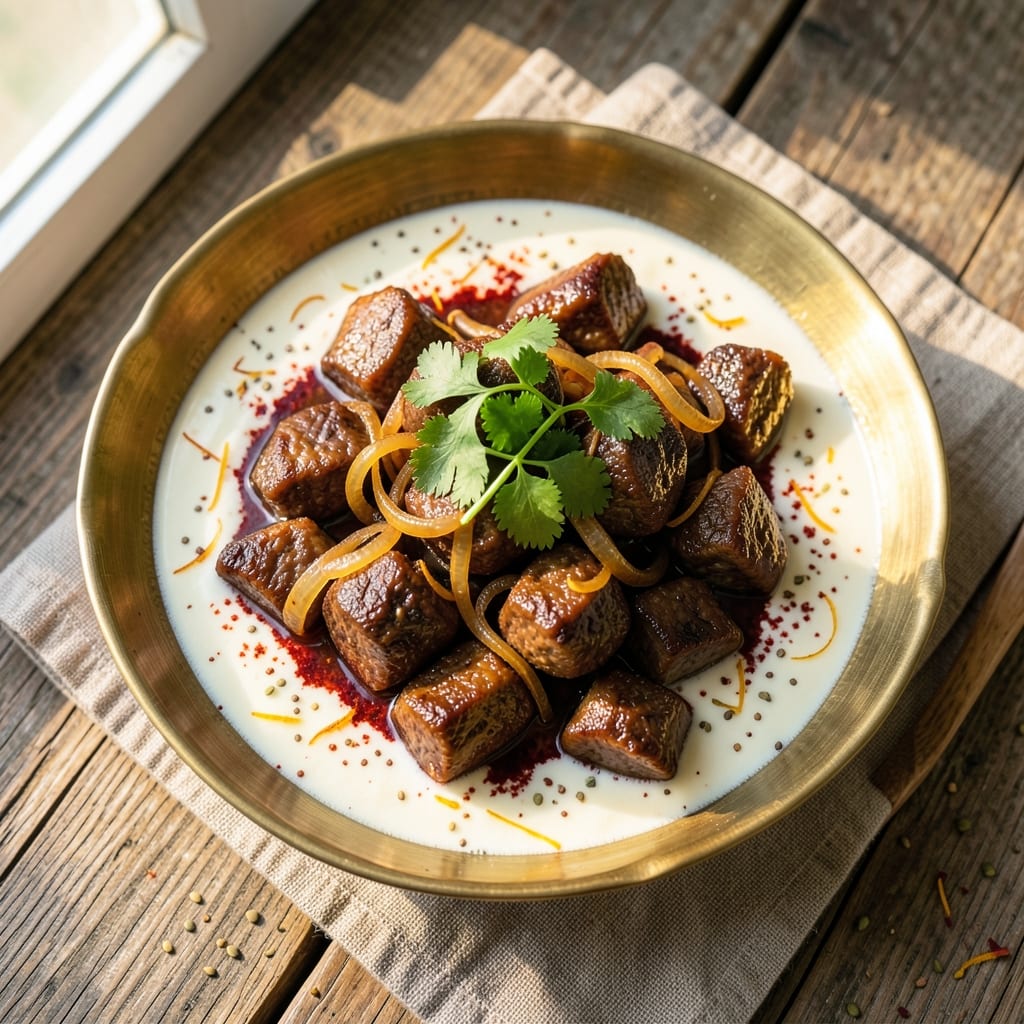
This Bangladeshi beef tehari recipe delivers the rich, aromatic essence of a traditional Bengali feast, where tender beef simmers for hours in a fragrant blend of spices, saffron, and yogurt. The slow-cooking process transforms tough cuts into melt-in-your-mouth perfection, creating a deep, velvety gravy that clings to every bite. What sets this dish apart is the balance of bold spices—cumin, coriander, and cardamom—layered with a touch of saffron for that signature golden hue and luxurious depth.
The beauty of this recipe lies in its patience and precision. Unlike quick-cooked dishes, tehari requires time to develop its complex flavors, with each spice playing a crucial role. The yogurt base tenderizes the beef while adding a subtle tang, while the slow simmer allows the spices to meld into a harmonious, aromatic broth. Whether you're cooking in a traditional clay pot or a modern stovetop, the result is the same: a dish that feels like a warm embrace after a long day.
By the time you serve this dish, your kitchen will be filled with the intoxicating scent of cardamom and saffron, and your guests will be greeted with tender beef swimming in a rich, spiced gravy. The dish pairs beautifully with steamed basmati rice, fluffy roti, or a simple cucumber raita to balance the richness. This is more than just a recipe—it's a celebration of Bangladeshi culinary tradition, brought to life in your own kitchen.
For those new to this dish, don't be intimidated by the long cooking time. The process is hands-off, allowing the flavors to develop naturally, and the result is worth every minute. The key is attention to detail—from toasting the spices to balancing the heat with yogurt and saffron. Once mastered, this dish will become a staple in your repertoire, offering a taste of home with every bite.
Ingredients for bangladeshi beef tehari
These rich, aromatic ingredients create a symphony of spice and saffron for your perfect Bangladeshi beef tehari.
| Ingredient | Amount | Notes |
|---|---|---|
| Beef Chuck Roast 🥩 | 2 lb | Cut into 2-inch chunks |
| Plain Yogurt 🥛 | 1 cup | Whole-milk preferred |
| Ghee or Clarified Butter 🧈 | ½ cup | For rich flavor base |
| Whole Milk 🥛 | 1 cup | For gravy consistency |
| Saffron Threads 🌼 | ¼ tsp | High-quality strands |
| Ground Cumin Seeds 🌿 | 1 tbsp | Toasted for depth |
| Ground Coriander 🌿 | 1 tbsp | Freshly ground preferred |
| Green Cardamom Pods 🌿 | 6 whole | Lightly crushed |
| Bay Leaves 🌿 | 2 whole | Fresh preferred |
| Fresh Ginger 🧄 | 1 tbsp | Finely grated |
| Garlic Cloves 🧄 | 6 cloves | Minced for aromatic base |
| Red Chili Powder 🌶️ | 1 tsp | Adjust for heat preference |
| Turmeric Powder 🧂 | ½ tsp | Bright yellow color |
| Salt 🧂 | 1 tsp | Kosher or sea salt |
| Fresh Cilantro 🌿 | ¼ cup | Chopped for garnish |
The beef is non-negotiable—chuck roast gives you that melt-in-your-mouth texture after hours of simmering. Costco or Indian grocery stores usually carry it pre-cut, but if you're buying a whole roast, ask the butcher to trim off fat and cut into 2-inch chunks. For the yogurt, whole-milk Greek or Indian dahi works best—it adds that perfect tang. Saffron is the star here, so splurge on the good stuff (like Kashmiri saffron if you can find it). Toast your whole spices—cumin, coriander, and cardamom—before adding to the pot. This simple step releases their oils and deepens the flavor by miles. I always toast mine in a dry pan for about 30 seconds until fragrant.
No saffron? Turmeric plus a pinch of annatto gives a similar golden hue, though it won't have that luxurious saffron aroma. Running low on ghee? Butter or neutral oil works, but ghee's higher smoke point makes it ideal for slow cooking. The yogurt can be substituted with coconut yogurt or even plain yogurt thinned with milk if needed. Fresh ginger and garlic are ideal, but if you're using powdered, reduce to half the amount—they pack more punch. For the chili powder, Kashmiri red chili gives a sweeter, less fiery kick than regular cayenne. And if you can't find fresh cilantro, dried works at one-third the amount—just remember it's less vibrant.
This dish tastes even better the next day, so make extra if you can. Store leftovers in the fridge for up to 5 days, or freeze portions for 3 months. The gravy thickens as it cools, so add a splash of milk when reheating. For serving, I like to keep the yogurt and saffron strands separate until the last minute—just whisk them in before plating. The spices keep well in airtight containers for 6 months, so buy them in bulk if you're making this often. And trust me, you'll want to make it often.
Why You'll Love This Recipe
- Foolproof Simplicity: I swear by this—no fancy knife skills or last-minute ingredient hunts. The beef chuck roast just needs a quick sear and a slow simmer with yogurt and milk, while the ghee adds that rich depth with almost no effort. Honestly, the hardest part is waiting for it to tenderize.
- Saffron Magic: That single pinch of saffron threads transforms everything. It’s not just "flavor"—it’s this golden, floral richness that makes the gravy taste like a celebration. Between us, I’ve tried skipping it, and I immediately regretted it.
- Leftovers That Shine: This dish actually gets better the next day. The flavors meld into something even deeper, and reheating it with a splash of water keeps it luscious. I’ve served it cold in wraps for lunch, and my kids still fight over the last bite.
- Budget-Friendly Luxury: You’re getting restaurant-quality richness without breaking the bank. Ghee might sound fancy, but a little goes a long way, and beef chuck roast is cheaper than prime cuts. It’s the kind of meal that makes you feel special without emptying your wallet.
Step-by-step instructions for Bangladeshi beef tehari
This slow-cooked masterpiece delivers tender beef infused with aromatic spices and saffron—let's build it together.
Prepare the Beef and Spice Base
Cut the 2 lb beef chuck roast into 2-inch chunks and place them in a large bowl. In a small bowl, combine the 1 cup plain yogurt, 1 tbsp ground cumin seeds, 1 tbsp ground coriander, 1 tsp red chili powder, 0.5 tsp turmeric powder, and 1 tsp salt. Mix until the spices are evenly distributed and the yogurt forms a thick paste. Pour this mixture over the beef and coat each piece thoroughly. Let it marinate for at least 30 minutes—this ensures the spices penetrate deeply and tenderize the meat.
While the beef marinates, prepare the aromatic elements. In a small bowl, lightly crush the 6 whole green cardamom pods and 2 whole bay leaves using the side of a knife. This releases their essential oils without grinding them into powder. Finely grate the 1 tbsp fresh ginger and mince the 6 cloves garlic—these will form the flavorful backbone of your dish.
Sear the Beef for Deep Flavor
Heat 0.25 cup ghee or clarified butter in a heavy-bottomed pot or Dutch oven over medium-high heat. Working in batches if needed, add the marinated beef and sear for 3-4 minutes per side until the edges are deep golden brown and the meat develops a caramelized crust. This step is crucial—it locks in juices and builds layers of flavor. Once all the beef is seared, remove it from the pot and set it aside.
In the same pot, add the crushed green cardamom pods, bay leaves, grated ginger, and minced garlic. Sauté for 1-2 minutes until the ginger turns a lighter shade and the garlic becomes fragrant. This aromatic base will infuse the entire dish with warmth and depth. Be careful not to let the garlic burn—it should be golden, not dark brown.
Slow-Simmer the Beef with Whole Spices
Return the seared beef to the pot. Add 1 cup whole milk and bring the mixture to a gentle simmer over low heat. The milk will help tenderize the beef and create a rich, velvety sauce. Let it simmer uncovered for 2 hours, stirring occasionally. This slow cooking allows the collagen in the beef to break down, resulting in fork-tender meat.
After 2 hours, check the beef for tenderness. It should be falling apart easily when pierced with a fork. If it's not quite tender enough, continue simmering for another 30-60 minutes. During this time, the flavors will meld together beautifully, creating a harmonious blend of spices and meat.
Infuse with Saffron and Finish
Once the beef is tender, stir in the 0.25 tsp saffron threads. This is where the dish gets its signature golden hue and delicate floral aroma. Let the saffron steep in the hot liquid for 5-10 minutes—this ensures it releases its full flavor. The pot should smell intoxicatingly aromatic, with notes of warm spices, saffron, and rich beef.
Taste the sauce and adjust the seasoning if needed. You might want to add a pinch more salt or a dash of red chili powder to balance the flavors. Once you're satisfied, remove the bay leaves and cardamom pods—they've done their job and can be discarded. The beef should be swimming in a fragrant, slightly thickened gravy that coats each bite.
Garnish and Serve
Transfer the beef and sauce to a serving dish. Garnish with the 0.25 cup chopped fresh cilantro just before serving. The bright, fresh notes of cilantro will cut through the richness of the beef and spices, adding a vibrant finish. Serve the Bangladeshi beef tehari hot with steamed basmati rice or naan bread to soak up every last drop of that delicious gravy.
This dish tastes even better the next day as the flavors continue to develop. Leftovers can be refrigerated for up to 3 days, and the sauce will thicken slightly—just add a splash of warm water or milk to loosen it when reheating.
Pro Tips For Making Bangladeshi Beef Tehari
- SEAR THE BEEF FIRST: After cutting the beef chuck into chunks, hit the pan with ghee on high heat until it shimmers—this isn’t just for color, it’s the foundation. I learned this the hard way: skipping the sear means the yogurt sauce will taste thin and one-dimensional, no matter how long you simmer.
- SOAK SAFFRON IN MILK: Crush the saffron threads in a small bowl, then pour in 2 tablespoons of warm whole milk and let it steep for 10 minutes. This isn’t just about extracting the color—it makes the saffron’s aroma actually work in the sauce, not just float on top like a sad garnish.
- LOW AND SLOW FOR THE SAUCE: Once the yogurt and milk mixture starts to thicken, drop the heat to the lowest setting you can tolerate. I used to rush this, and the sauce would either split or taste raw. Let it bubble gently for 20-25 minutes—yes, even if it looks like nothing’s happening.
- SALT THE YOGURT: Mix 1 teaspoon of salt into the yogurt before adding it to the pan. This isn’t optional—it balances the richness of the ghee and beef, and skipping it means the dish will taste flat, no matter how much you adjust later. Trust me, your taste buds will notice.
Troubleshooting perfect results
Gravy Too Thin?
If your sauce is watery after simmering, reduce it by simmering uncovered over medium-low heat for 15-20 minutes while stirring occasionally. For extra richness, stir in 1 tbsp cornstarch mixed with 2 tbsp cold water and simmer for another 5 minutes. I’ve also had success adding ½ cup tomato paste to thicken and deepen the flavor—just stir it in during the last 30 minutes of cooking. 💫
Beef Not Tender Enough
If your beef isn’t falling apart after 2 hours, don’t rush it. Keep simmering on low heat with the lid slightly ajar—this prevents the pot from sweating too much. For extra tenderness, add ½ cup warm water or milk and a pinch of baking soda (⅛ tsp) to help break down the collagen. I’ve found that beef from grass-fed sources often needs an extra 30-60 minutes compared to grain-fed cuts.
Spices Overpowering
The yogurt marinade should balance the spices, but if your dish tastes too sharp, dilute with ¼ cup warm milk or water and simmer for 10 minutes to mellow the flavors. For heat control, reduce the red chili powder by half in future batches. I’ve also had luck adding 1 tsp sugar or honey to counteract excess spice—it rounds out the dish beautifully. 🌶️
Saffron Not Dissolving
Saffron needs heat to release its flavor. If your strands aren’t dissolving, crush them lightly with your fingers before adding to the pot. For extra insurance, mix them with 1 tsp warm milk or water first to create a paste—this ensures full infusion. I keep my saffron in the fridge to preserve its potency, and I always use high-quality strands (like Kashmiri saffron) for the best results.
Burnt Garlic or Ginger
Watch your heat closely when sautéing ginger and garlic—they burn quickly! Remove the pot from heat if they start to darken, then return to low heat to finish cooking. For a backup, add ½ tsp asafoetida (hing) to replace the burnt flavor—it adds a unique umami depth. I’ve also found that using freshly grated ginger (instead of pre-minced) reduces the risk of burning. ✨
Uneven Cooking
If some beef pieces cook faster than others, separate them by size—smaller chunks will cook quicker. Place the larger pieces on the bottom of the pot and add the smaller ones later. Stirring occasionally ensures even heat distribution. For stubbornly tough pieces, add them back to the pot with ½ cup extra milk and simmer for another 20-30 minutes. Consistency is key—never skip the low-and-slow approach! 🔥
Nutrition facts
Frequently asked questions about Bangladeshi beef tehari
Can I use a different cut of beef instead of chuck roast?
Yes, you can substitute chuck roast with brisket or short ribs for extra richness. However, these cuts may require 30-60 extra minutes of simmering. Avoid lean cuts like sirloin—they'll dry out. If using bone-in cuts, add 10-15 extra minutes to account for the bones absorbing heat.
How do I make this dish in a slow cooker?
Transfer the seared beef and spices to your slow cooker, then add 1 cup milk and ½ cup water. Cook on low for 6-8 hours or high for 3-4 hours. Stir in saffron during the last 30 minutes of cooking. The slow cooker's gentle heat mimics traditional clay pot cooking perfectly.
What's the best way to store and reheat leftovers?
Store in airtight containers for up to 5 days in the fridge or 3 months in the freezer. For reheating, add 2-3 tablespoons of water or milk to prevent drying. Warm on low heat for 10-15 minutes, stirring occasionally. The gravy will thicken as it cools—just add a splash of liquid when ready to serve.
Can I make this dish without saffron?
Yes, but the dish will lose its signature golden color and floral aroma. Substitute with ½ tsp turmeric plus ¼ tsp annatto powder for color, or 1 tsp orange blossom water for a similar floral note. The flavor won't be identical, but the dish will still be delicious—just less luxurious!
What sides pair best with beef tehari?
Traditional pairings include steamed basmati rice, paratha or naan, and a cool cucumber raita. For a complete meal, add sautéed spinach (palak) or boiled potatoes. The yogurt-based raita helps balance the richness of the dish while the rice soaks up every bit of flavorful gravy.