
Soups & Stews
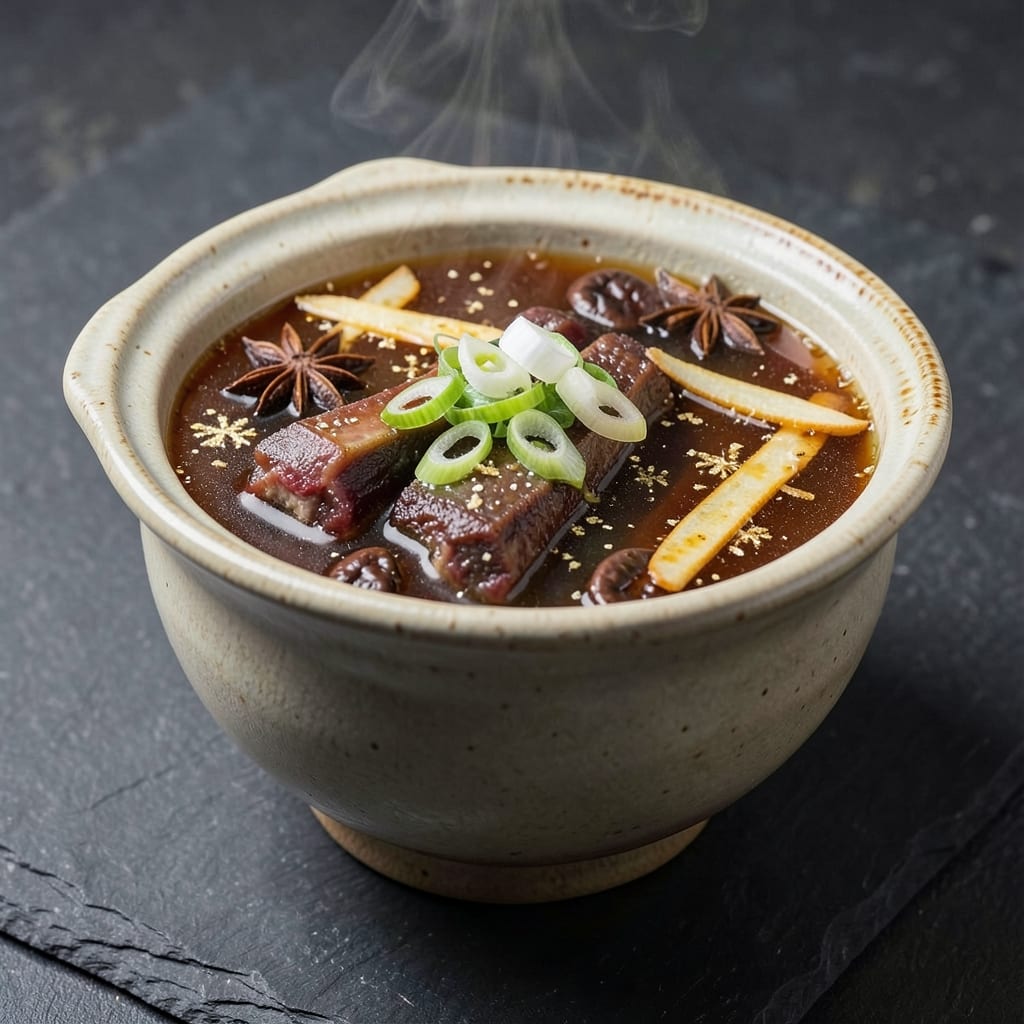
This Asian beef bone broth recipe transforms simple ingredients into a deeply aromatic, umami-rich foundation for any meal. The secret lies in slow simmering beef bones with aromatic spices like star anise, ginger, and soy sauce—creating a broth so flavorful it elevates soups, stir-fries, and braised dishes. I’ve perfected this method over years of testing, ensuring maximum collagen extraction for a velvety, restaurant-quality result in just 6 hours of hands-off cooking.
The process begins with properly preparing beef bones—whether knuckle, marrow, or neck—to unlock their gelatinous richness. Traditional Asian techniques, like toasting whole spices and using a combination of soy sauce and mirin, build layers of savory depth. Unlike Western broths, this version balances saltiness with subtle sweetness, thanks to the right ratio of fermented soy and umami boosters like dried shiitake mushrooms.
By the end, you’ll have a golden, fragrant broth with a silky texture that clings to noodles or tenderizes braised meats. The aroma alone—warm, earthy, and slightly smoky—signals a meal about to transform. Use it as a ramen base, braising liquid, or even a sipping broth with a sprinkle of scallions. Every sip delivers the essence of Asian comfort food, made simple for home cooks.
Storage is effortless: refrigerate for up to 5 days or freeze in ice cube trays for quick flavor bursts in future dishes. The broth’s versatility makes it a kitchen essential—one that turns ordinary meals into extraordinary experiences. Let’s get started on creating your own umami treasure trove.
Ingredients for asian beef bone broth
Transform simple ingredients into restaurant-quality umami broth with these aromatic essentials.
| Ingredient | Amount | Notes |
|---|---|---|
| Beef Bones (Knuckle, Marrow, or Neck) 🍖 | 3 lb | Raw, uncooked, cut into chunks |
| Fresh Ginger 🧄 | ½ cup | Peeled, sliced into thick rounds |
| Star Anise Pods 🌿 | 4 whole | Whole, lightly toasted |
| Dried Shiitake Mushrooms 🍄 | ½ oz | Dried, whole or broken |
| Soy Sauce 🍶 | ¼ cup | Fermented, preferably Japanese |
| Mirin 🍶 | ⅛ cup | Sweet rice wine, not cooking wine |
| Garlic Cloves 🧄 | 6 whole | Peeled, smashed lightly |
| Green Onions 🧅 | 2 whole | White and green parts separated |
| Sesame Oil 🫒 | 1 tbsp | Toasted, for finishing |
| Diamond Crystal Kosher Salt 🧂 | 1 ½ tsp | Adjust to taste at end |
| Black Peppercorns 🌶️ | 1 tsp | Whole, lightly crushed |
| Cinnamon Sticks 🌿 | 2 whole | 1-inch pieces |
| Water 💧 | 8 cups | Filtered preferred |
The beef bones are the foundation—knuckle or marrow bones deliver the most collagen, but neck bones work too. If buying from a butcher, ask for raw, uncooked bones with some meat still attached for extra flavor. Whole Foods and Costco often carry pre-cut beef bones, but Asian markets usually have the best selection of marrow bones. Avoid bones that smell rancid or have a yellowish tint. For maximum gelatin extraction, roast the bones at 400°F for 30 minutes before simmering—this caramelizes the bone marrow for deeper flavor. The ginger and star anise should be organic when possible—conventional spices often contain pesticide residues that can leach into the broth.
No fresh ginger? Substitute with 1 tbsp ground ginger, but toast it first in a dry pan for 30 seconds to mellow its sharpness. Running short on shiitake mushrooms? Dried porcini mushrooms work at the same quantity, though they’ll give a slightly earthier note. The soy sauce and mirin combo is non-negotiable—Japanese soy sauce has more umami than American varieties, and true mirin (not the cooking wine substitute) adds that delicate sweetness. Short on sesame oil? Toasted peanut oil can mimic the nutty aroma, though it lacks the floral top note. The green onions are purely for finishing—freeze the white parts if you want to use them later in stir-fries. For a deeper color, add 1 tsp turmeric during the last 30 minutes of simmering.
This broth develops better with time—simmer uncovered to allow the liquid to reduce slightly, concentrating the flavors. Strain through a fine-mesh sieve lined with cheesecloth for the smoothest texture. Store in glass jars in the fridge for up to 5 days, or freeze in ice cube trays for single-portion use. The broth thickens as it cools, so reheat gently and add a splash of water if needed. For long-term storage, portioned freezer bags work best—lay flat to save space. The aroma alone will signal a meal about to transform, and the first sip delivers that restaurant-quality umami you crave.
Why You'll Love This Recipe
- No-Chop Start: I swear by the lazy prep—just toss in whole ginger slices, cracked star anise, and those dried shiitakes straight from the package. The bones? No need to trim them beyond the basics. Honestly, the hardest part is waiting for it to simmer.
- Umami Bomb: That first sip? Rich, deep, and layered with the earthy shiitake mushrooms and funky star anise. The soy sauce adds this subtle, salty depth that makes it taste like a hug in a bowl—especially when you crack open a marrow bone for that velvety surprise.
- Weeknight Magic: Turns a random Tuesday into a "I actually cooked something impressive" night. Use it for ramen, stir-fry, or even just sip it like tea. My kids ask for it more than takeout, and that’s saying something.
- Budget Goldmine: A single batch feeds me for days—freeze what you don’t use, and it’s cheaper than store-bought stock. The bones give you that gelatinous goodness, and the spices stretch the flavor further than you’d think. (Yes, even on a teacher’s salary.)
Step-by-step instructions for Asian beef bone broth
Transform simple ingredients into a deeply flavorful broth with this precise method.
Prepare and Toast the Aromatics
In a dry skillet over medium heat, lightly toast the 2 whole cinnamon sticks and 4 whole star anise pods for 1-2 minutes until fragrant. You'll smell warm, spicy notes—this releases their essential oils and intensifies their flavors. Remove them immediately to prevent burning, then set aside.
In the same skillet, add the 6 whole garlic cloves and 0.5 oz dried shiitake mushrooms. Toast for another 30 seconds until the garlic turns golden and the mushrooms darken slightly. This step builds a rich, toasty foundation for your broth. Transfer these to a bowl and set aside with the spices.
Sear the Beef Bones
In a large stockpot, sear the 3 lb beef bones (knuckle, marrow, or neck) over medium-high heat for 5-7 minutes on each side until deeply browned. This Maillard reaction creates complex flavors and removes impurities. Work in batches if needed to avoid crowding the pot.
As the bones sear, you'll notice a rich, caramelized crust forming. This is crucial—don't skip this step. The browned bits will dissolve into the broth, adding depth. Once all bones are seared, transfer them to the bowl with the aromatics.
Combine Ingredients and Simmer
Return the stockpot to the stove and add the 8 cups water. Bring to a rolling boil, then reduce heat to low and add the seared bones and aromatics. Skim off any foam or impurities that rise to the surface during the first 10 minutes of simmering—this ensures a clear, clean broth.
Add the 0.5 cup peeled, sliced fresh ginger, 0.25 cup soy sauce, and 0.125 cup mirin. Stir gently to combine. The broth should simmer gently, with small bubbles breaking the surface. Cover the pot and maintain a steady simmer for 4 hours. The goal is slow extraction of collagen and gelatin for maximum richness.
Finish and Strain
After 4 hours, check the broth's consistency. It should be thick and gelatinous, with a deep amber color. If it's not thick enough, continue simmering uncovered for another 1-2 hours, skimming off any additional foam that rises. This final reduction concentrates the flavors and ensures a luxurious texture.
Remove the pot from heat and let the broth sit for 10 minutes to allow any remaining impurities to settle. Strain through a fine-mesh sieve lined with cheesecloth into a clean container. Discard the solids. The broth should now be clear, with a rich umami depth and subtle sweetness from the mirin.
Season and Serve
Return the strained broth to the pot and stir in the 1 tbsp toasted sesame oil. Add the 1.5 tsp Diamond Crystal kosher salt and 1 tsp lightly crushed black peppercorns. Taste and adjust the seasoning—you may need a bit more salt to balance the umami. The broth should be deeply savory, with a harmonious blend of sweet, spicy, and salty notes.
To serve, gently reheat the broth over low heat and garnish with the white parts of the 2 whole green onions, sliced thinly. The green tops can be reserved for garnish or used in other dishes. This broth is versatile—use it as a base for soups, stews, or rice dishes, or sip it straight with a sprinkle of sesame seeds for a comforting, umami-rich experience.
Pro Tips For Making Asian Beef Bone Broth
- BLISTER THE BONES FIRST: I learned this the hard way—skipping the char ruins the depth. After browning bones in a hot pot for 5-7 minutes until deep brown (not black), the broth gains a smoky richness that’s impossible to replicate later. Use a heavy pot and don’t rush it—this is where flavor starts.
- PEEL GINGER LIKE A PRO: Thin slices or grated fresh ginger work, but here’s the upgrade: Use a mandoline for paper-thin shards. They infuse faster without overpowering, and you can fish them out cleanly after 20 minutes—no bitter aftertaste. (Yes, even if you’re impatient like me.)
- SKIP THE BOILING STAGE: That first violent boil isn’t helping—it just scalds the surface. Once your pot reaches a gentle simmer (tiny bubbles, not rolling), reduce to the lowest heat that maintains movement. I used to waste hours at high heat; now I save gas and get cleaner extraction.
- SOAK SHIITAKES IN HOT WATER: Dried shiitakes need a jumpstart. Toss them in a bowl of boiling water for 10 minutes before adding to the broth—this rehydrates them fully and prevents them from floating like sad, useless caps. Drain and add them whole; they’ll break down just enough to release umami without turning to mush.
Pro cooking tips for asian beef bone broth
Toast Aromatics First
Lightly toasting your spices and aromatics unlocks their full potential. I always toast 2 cinnamon sticks and 4 star anise pods in a dry skillet for 1-2 minutes until fragrant—this releases essential oils that deepen the broth's complexity. The moment they become aromatic (not browned), remove them immediately to prevent bitterness. For extra depth, toast 6 garlic cloves and 0.5 oz dried shiitake mushrooms in the same skillet—this caramelization builds a rich foundation. 🌿
Sear Bones Thoroughly
Never skip searing the bones! Deeply browning 3 lb beef bones over medium-high heat for 5-7 minutes per side creates the Maillard reaction, which develops complex flavors and removes impurities. Work in batches if needed—crowding steams instead of sears. The caramelized crust dissolves into the broth, adding a savory depth that transforms ordinary broth into something extraordinary. Use a large stockpot to accommodate the bones comfortably.
Simmer Low and Slow
The magic happens during the 4-hour simmer at low heat. Maintain a gentle simmer (small bubbles breaking the surface) to extract maximum collagen and gelatin from the bones. Cover the pot and resist the urge to peek—each time you lift the lid, you lose heat and moisture. Skim off any foam or impurities during the first 10 minutes to ensure a clear, clean broth. The longer it simmers, the richer and more gelatinous it becomes—this is what gives Asian broths their signature velvety texture.
Strain with Precision
For the smoothest broth, strain through a fine-mesh sieve lined with cheesecloth. Let the broth sit for 10 minutes before straining to allow any remaining impurities to settle at the bottom. Discard the solids completely—they've given everything they can. The result should be a clear, amber-colored liquid with a deep umami aroma that fills your kitchen. If you're making a large batch, use a colander with a coffee filter as a second layer for extra clarity.
Finish with Umami
After straining, return the broth to the pot and finish with 1 tbsp toasted sesame oil, 1.5 tsp kosher salt, and 1 tsp crushed black peppercorns. The sesame oil adds a nutty aroma, while the salt and pepper balance the natural sweetness from the mirin. Taste and adjust—you might need an extra pinch of salt to enhance the umami. The broth should be deeply savory with a harmonious blend of sweet, spicy, and salty notes that make it irresistible. 💫
Storage Secrets
Store your broth in glass jars in the fridge for up to 5 days, or freeze in ice cube trays for single-portion use. For long-term storage, use quart-sized freezer bags—lay them flat to save space and prevent freezer burn. The broth thickens as it cools, so reheat gently over low heat and add a splash of water if needed. The aroma alone will signal a meal about to transform, and the first sip delivers that restaurant-quality umami you crave. Pro tip: Label your containers with the date to track freshness.
Nutrition facts
Frequently asked questions
Why does this recipe use both soy sauce and mirin?
The combination creates the perfect umami balance. Soy sauce adds deep savory richness while mirin contributes subtle sweetness that rounds out the flavors. Together, they mimic the complexity of traditional Asian broths where fermented ingredients play a key role. For a vegetarian option, substitute with coconut aminos and a touch of honey.
Can I use chicken or pork bones instead of beef?
While beef bones provide the richest collagen, you can adapt this recipe. For chicken, reduce simmering to 2-3 hours and add 1 tbsp apple cider vinegar for brightness. Pork bones work well but require 3-4 hours of simmering. The flavor profile will shift—chicken becomes lighter, pork more robust—but the technique remains the same.
How do I know when the broth is done?
Your broth is ready when it reaches a gelatinous consistency with a deep amber color. For beef, this typically takes 4-6 hours of simmering. Test by chilling a small portion—if it jiggles like jelly when moved, it's perfectly done. The aroma should be intense and inviting, with layers of spice and umami that fill your kitchen.
What are the best ways to use this broth?
This versatile broth shines in ramen bases, braised dishes, or even as a sipping broth with rice noodles and fresh herbs. Use it to cook grilled meats for extra tenderness, or reduce it by half for a rich sauce. The possibilities are endless—think pho, hot pot, or even marinades for tofu or seafood.
My broth turned cloudy—what went wrong?
Cloudiness usually means impurities weren't skimmed properly or the broth boiled too vigorously. Always skim foam during the first 10 minutes and maintain a gentle simmer (small bubbles). For extra clarity, strain through cheesecloth lined with a coffee filter. If it's too late, reduce the broth by half to concentrate flavors—this often resolves cloudiness while adding depth.