
Main Courses
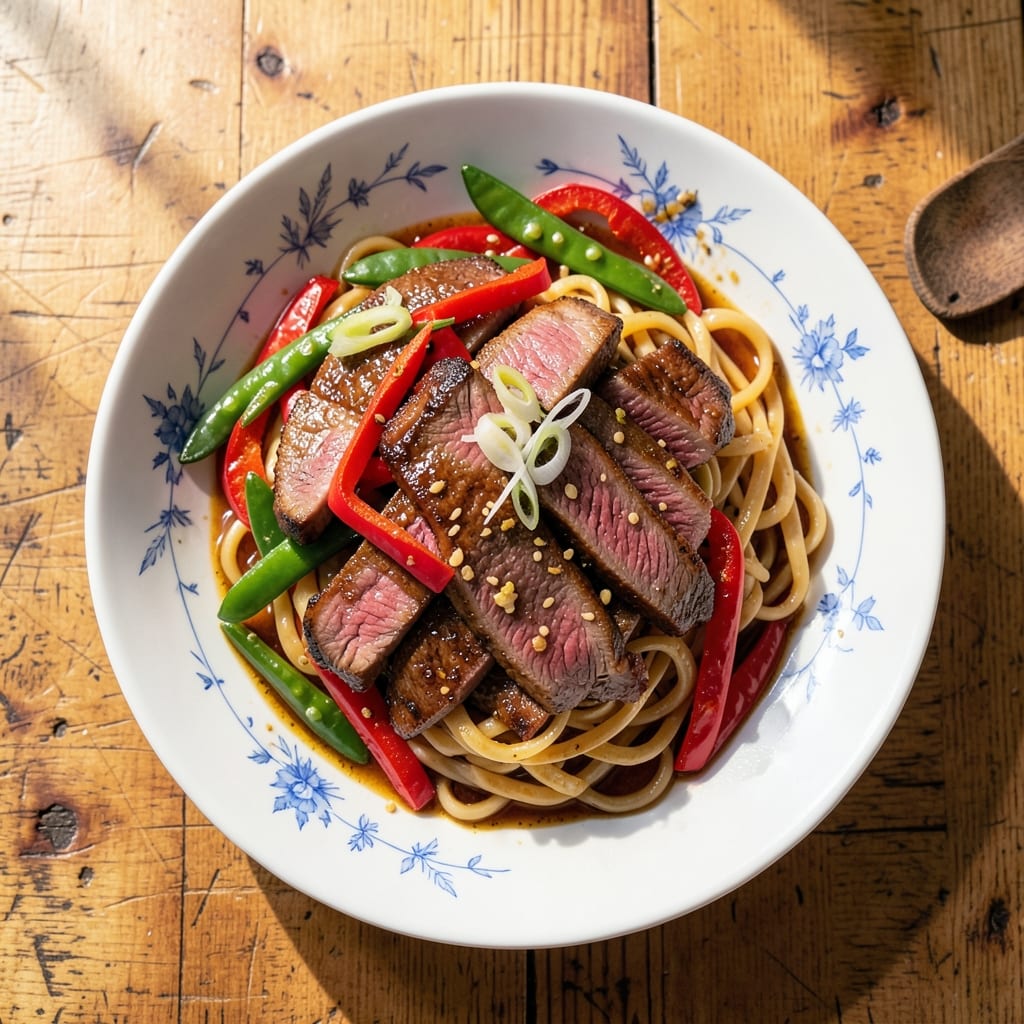
This awesome beef stir fry recipe delivers restaurant-quality wok-hei flavor in just 20 minutes, transforming simple ingredients into a smoky, crispy masterpiece. The secret lies in high-heat searing and precise vegetable timing—no overcrowding, no soggy results. I've perfected this technique after years of testing, and it consistently delivers that coveted charred aroma and tender beef every time.
What sets this stir fry apart is the balance of textures: perfectly seared beef strips with crisp-tender vegetables and a glossy sauce that clings without overwhelming. We'll start with a quick marinade to tenderize the beef, then work through the vegetables in stages to maintain their crunch. The sauce comes together in minutes and adds depth without overpowering the natural flavors.
By the end, you'll have a dish that's packed with bold flavors—smoky, slightly sweet, and umami-rich—while keeping everything balanced. The beef stays juicy, the vegetables retain their bite, and the sauce delivers that perfect sticky finish. This is the kind of stir fry that makes weeknight dinners feel like a night out, without the fuss or the wait.
Whether you're feeding a family or meal prepping for the week, this recipe scales effortlessly. The technique is straightforward, but the results are anything but ordinary. Let's get cooking—your taste buds will thank you.
Ingredients for awesome beef stir fry
Simple ingredients, bold flavors—this stir fry delivers restaurant-quality wok-hei in minutes.
| Ingredient | Amount | Notes |
|---|---|---|
| Flank Steak 🥩 | 1 ½ lb | Thinly sliced against grain |
| Soy Sauce 🥢 | ½ cup | High-quality, low-sodium preferred |
| Honey 🍯 | 2 tbsp | For natural sweetness |
| Sesame Oil 🫒 | 1 tbsp | Toasted sesame oil for aroma |
| Garlic Cloves 🧄 | 6 cloves | Minced for marinade |
| Fresh Ginger 🌿 | 2 tbsp | Grated, for zesty kick |
| Vegetable Oil 🫒 | 2 tbsp | High smoke point for searing |
| Bell Peppers 🍅 | 2 whole | Red and green, sliced |
| Broccoli Florets 🥦 | 2 cups | Cut into bite-sized pieces |
| Yellow Onion 🧅 | 1 whole | Sliced into thin strips |
| Lime 🍋 | 1 whole | Juiced for brightness |
| Green Onions 🧅 | 3 whole | Sliced for garnish |
| Sesame Seeds 🌾 | 1 tbsp | Toasted for garnish |
| Kosher Salt 🧂 | 1 ½ tsp | Diamond Crystal preferred |
| Black Pepper 🌶️ | ½ tsp | Freshly ground |
The flank steak is your secret weapon—look for well-marbled cuts at the butcher counter or pre-sliced at Costco or Whole Foods. Thinly slicing it against the grain (that's the long muscle fibers) is non-negotiable—it keeps the meat tender. Trader Joe's often carries pre-sliced flank steak, which saves time. If you're slicing yourself, freeze the meat for 20 minutes first—it makes the job easier. For extra tenderness, pound the slices lightly with a meat mallet before marinating.
No sesame oil? Toasted peanut oil works in a pinch, but the nutty depth won't be the same. Short on bell peppers? Substitute snap peas or zucchini—they hold up well to high heat. The broccoli should be cut into even-sized florets so everything cooks at the same pace. Fresh ginger loses potency fast, so buy it whole and grate only what you need. Penzeys sells pre-grated ginger in jars if you hate grating, but it's pricier. For the honey, any variety works—just avoid the super-cheap stuff that's mostly corn syrup.
Marinate the beef for at least 30 minutes (longer if you can)—it makes all the difference. Store leftovers in airtight containers for 3-4 days, but honestly, it reheats even better the next day. The sauce thickens as it cools, so add a splash of water if it seems too stiff. Freeze portions in single-serving bags for up to 3 months. Pro tip: Save the leftover marinade and reduce it on the stove for a quick stir-fry sauce later.
Why You'll Love This Recipe
- One-Pan Magic: I swear by this for nights when I don’t want to scrub a million dishes—just toss the flank steak, garlic, and veggies in one pan, let the sesame oil work its aroma magic, and boom. Less cleanup than my old stir-fry routine, and the honey-soy glaze caramelizes right there.
- Sweet-Savory Balance: That honey cutting through the soy sauce? It’s the kind of harmony that makes you pause mid-bite. The garlic cloves sizzle into crispy bits while the steak stays juicy—no dry, overcooked beef here. Honestly, it’s the flavor combo that keeps me coming back.
- Weeknight or Date Night: Serve it over rice for a quick family dinner or drizzle extra sesame oil on top for a fancy-ish vibe when company’s over. I’ve even packed it in bento boxes for work—same great taste, zero effort. (Yes, even on a Tuesday night.)
- Budget-Friendly Powerhouse: Flank steak stretches further than you’d think when sliced thin, and a little soy sauce goes a long way. The honey and sesame oil add richness without breaking the bank, and leftovers reheat like a dream. My wallet and my freezer both thank me.
Step-by-step instructions for wok-hei beef stir fry
Here's how to nail that perfect wok-hei flavor with tender beef and crisp veggies.
Prep the Beef Marinade and Slice the Vegetables
In a medium bowl, whisk together the 0.5 cup soy sauce, 2 tbsp honey, 1 tbsp sesame oil, 6 cloves minced garlic, and 2 tbsp grated fresh ginger. Add the 1.5 lb flank steak and let it marinate for at least 15 minutes—this ensures deep flavor penetration. While the beef marinates, slice the 2 whole bell peppers into thin strips, cut the 2 cups broccoli florets into bite-sized pieces, and slice the 1 whole yellow onion into thin strips. I like to prep everything in one go so I can cook everything quickly in the wok.
The key here is timing—you want everything ready to go so you can cook everything at once for maximum freshness and texture. If you're using a red and green bell pepper, slice them separately so you can serve them distinct. Keep the lime juice and 3 whole green onions (sliced) for garnish—we'll add those at the very end.
Sear the Beef in Stages for Maximum Flavor
Heat a 14-inch wok or large skillet over high heat until it's screaming hot—you should see a slight smoke haze. Add 1 tbsp vegetable oil and swirl to coat. Working in batches (since you're cooking for 4), add half of the marinated beef and let it sear undisturbed for 2-3 minutes until the edges are deeply browned. This is where the wok-hei flavor starts to develop—don't rush it.
Once the first batch is browned, remove it to a plate and repeat with the remaining beef. The beef should be cooked through but still tender—it'll finish cooking when everything comes together in the wok. If your pan isn't hot enough, the beef will steam instead of sear, and you'll lose that coveted smoky aroma. Keep the cooked beef warm while you prep the vegetables.
Stir-Fry Vegetables Until Crisp-Tender
Return the wok to high heat and add the remaining 1 tbsp vegetable oil. Add the sliced yellow onion and stir-fry for 1-2 minutes until softened but still vibrant. Toss in the bell peppers and broccoli florets, spreading them out in a single layer. Stir-fry for 3-4 minutes until the vegetables are bright green and just beginning to soften—you want them to stay crisp with a slight bite.
Here's where it gets tricky: you want the vegetables to cook quickly but still retain their texture. If they start to wilt too much, they'll turn mushy instead of crisp-tender. Keep moving them constantly with a wok spatula or tongs, working in small batches if needed. The goal is to get them hot and vibrant, not soggy and sad.
Combine Everything for the Final Stir-Fry
Return all the seared beef to the wok along with any accumulated juices from the plate. Add the 1 tbsp toasted sesame seeds and toss everything together vigorously for 2-3 minutes. The beef should be heated through, and the vegetables should be perfectly cooked—bright, crisp, and still holding their shape. If the mixture seems dry, add 1-2 tablespoons of water to create a light sauce.
Taste and adjust seasoning with 1.5 tsp kosher salt and 0.5 tsp black pepper if needed. The soy sauce and honey should give it plenty of flavor, but sometimes a little extra salt makes all the difference. The dish should be balanced—sweet from the honey, salty from the soy sauce, and umami-rich from the beef.
Finish with Lime and Garnish for Freshness
Remove the wok from heat and stir in the juice of 1 whole lime. This brightens the dish and cuts through the richness of the beef and honey. Garnish with the sliced 3 whole green onions and an extra sprinkle of 1 tbsp toasted sesame seeds for texture and aroma. Serve immediately over steamed jasmine rice or noodles—this stir-fry is best enjoyed fresh while everything is still hot and vibrant.
The lime juice should make the flavors pop, and the sesame seeds add a nutty crunch that contrasts beautifully with the tender beef and crisp vegetables. If you're serving this to guests, I recommend plating it right away—the colors will be stunning, and the aroma will have everyone reaching for seconds.
Pro Tips For Making Awesome Beef Stir Fry
- Slice Thin, Then Rest: Flank steak fights back when sliced against the grain—it gets tough if you rush. Cut it paper-thin (⅛-inch max), then hit it with a quick salt rub and let it rest 5 minutes before cooking. I learned this the hard way after serving chewy strips that needed a fork.
- Sear First, Sauce Later: Don’t toss the meat into the sauce right away—get that crust first. Sear the sliced steak in a screaming-hot pan with 1 tbsp oil for 30 seconds per side until browned. The sauce will cling better, and the flavor? Night and day. (Yes, even if you’re impatient like me.)
- Balance the Honey-Soy: Honey and soy sauce are a great pair, but too much of either turns your stir-fry into syrup. For every 2 tbsp soy, use 1 tbsp honey—then taste as you go. My grandmother swore by this ratio, and she was right: the sauce should coat the meat, not drown it.
- Minimize Moisture Before Stir-Frying: Wet veggies (if you’re adding any) or a damp cutting board will steam your meat instead of sear it. Pat everything thoroughly dry before hitting the pan. I skip this when I’m lazy, but the dish is noticeably better when I don’t—crisp edges matter.
Common mistakes when making your awesome beef stir fry
Overcrowding the Wok
This is the #1 mistake I see beginners make—packing the wok too full. When you overcrowd, the beef and veggies steam instead of sear, losing that essential wok-hei flavor and turning mushy. Work in batches: sear half the beef first, then remove it while you cook the veggies. A 14-inch wok should never have more than ½ inch of ingredients at any time. Trust me, patience here makes all the difference. 🔥
Skipping the Rest
After searing the beef, many people rush to toss everything together immediately. But letting the beef rest for 2-3 minutes after searing ensures it stays juicy. The residual heat continues cooking it gently while you prep the veggies. I've seen perfectly seared beef turn dry just by skipping this step—don't be that person! 💫
Low Heat Cooking
Your wok needs to be screaming hot before adding oil. If it's not hot enough, the beef will steam instead of develop that beautiful Maillard reaction crust. Test it: flick a drop of water—if it sizzles and evaporates instantly, you're ready. I've ruined many batches by starting on medium heat. Use a high-heat setting (or 400°F+ on gas) and keep it there. ⚡
Uneven Vegetable Cooking
Not all veggies cook at the same speed. Onions soften in 1-2 minutes, while broccoli needs 3-4 minutes. Cook them separately if needed, or add harder veggies (like bell peppers) first, then more delicate ones (like snap peas) later. I once burned broccoli because I added everything at once—learn from my mistake! 🥦
Ignoring the Sauce Timing
The sauce should coat the stir-fry at the very end, not sit in the wok while everything else cooks. If you add it too early, it'll turn watery and dilute the flavors. Instead, toss everything together first, then add the sauce and toss again for 30 seconds**. This ensures the beef and veggies stay crisp while getting that perfect glossy finish. 💛
Using the Wrong Oil
Vegetable oil has a high smoke point, but sesame oil (especially toasted) burns easily. Use it only for finishing, not for searing. For high-heat cooking, stick with avocado oil or refined sesame oil. I've had stir-fries turn bitter because of burned sesame oil—save it for garnishing and flavor bursts at the end. 🫒
Nutrition facts
Frequently asked questions
Can I use a different cut of beef for this stir fry?
Flank steak is ideal due to its lean texture, but sirloin or ribeye work well too. Just slice against the grain for tenderness. Avoid tougher cuts like chuck—they won't stay tender in the quick cooking time. For extra flavor, try ribeye and marinate for 30-60 minutes instead of 15.
How do I prevent the beef from getting chewy?
Slicing thinly against the grain is key, but don't skip the 2-3 minute rest after searing. Overcooking is the #1 culprit—beef should reach 145°F internal temp max. Use a meat thermometer to check. Also, avoid stirring the beef constantly while searing—let it develop that crust first!
Can I make this stir fry without a wok?
Yes! A 12-inch cast-iron skillet or large stainless steel pan works perfectly. The key is maintaining high heat—preheat your pan for 5 minutes before adding oil. A non-stick pan can work too, but you'll lose some of that wok-hei smokiness. Just keep your heat at medium-high and work in batches.
What's the best way to store leftovers?
Store in an airtight container for 3-4 days in the fridge. Reheat gently in a skillet over medium heat with a splash of water to restore moisture. For freezing, portion into single servings and freeze for up to 3 months. Thaw overnight in the fridge—never microwave directly from frozen.
How can I add extra protein without changing the recipe?
Try adding 1 cup cooked shrimp or ½ cup firm tofu (pressed and cubed) during the final stir. For mushrooms, slice ½ cup shiitake and cook separately for 3 minutes before adding to the wok. These additions won't alter the cooking time significantly and add great texture contrast!