
Main Courses
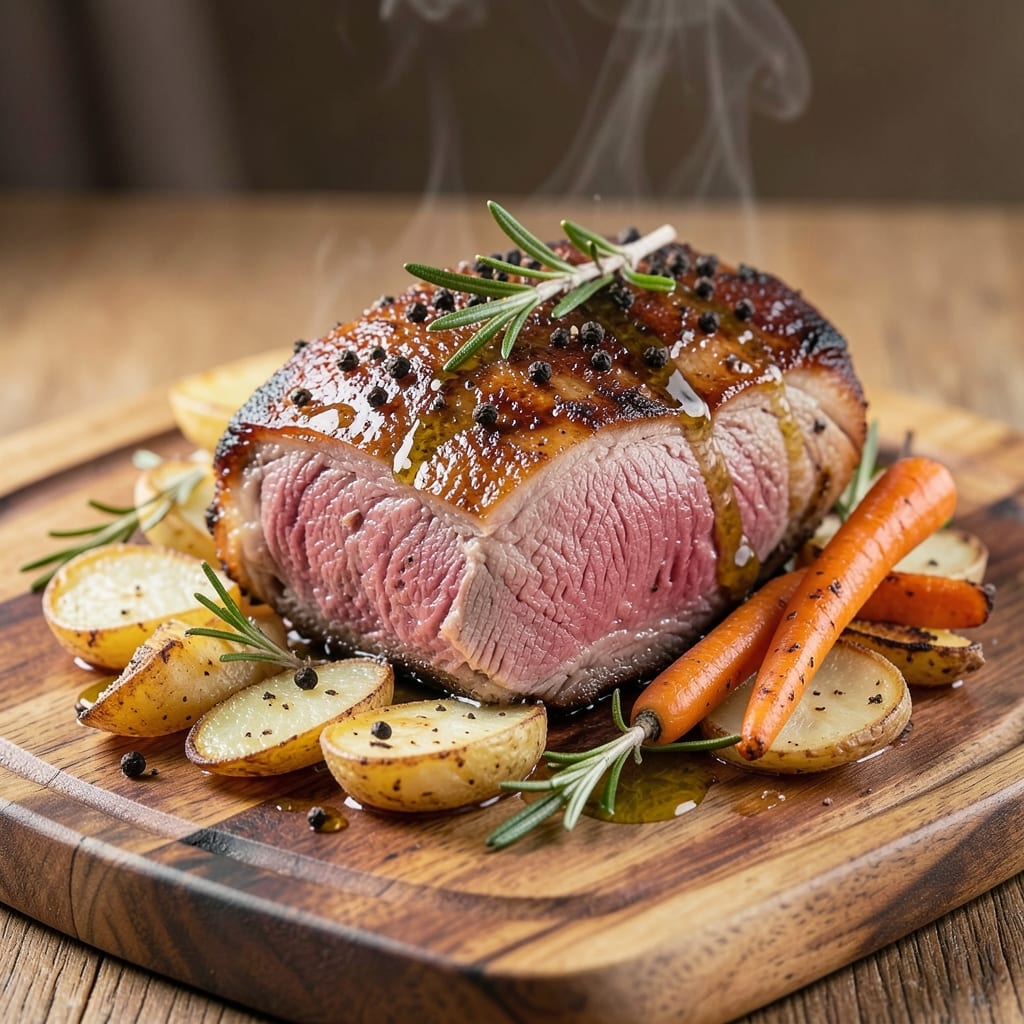
This awesome roast beef recipe delivers melt-in-your-mouth tenderness with an au jus bath that keeps it juicy for hours. The secret lies in a dry-brine technique and precise roasting—no guesswork, just restaurant-quality results every time. I’ve perfected this method over years of holiday feasts, ensuring even the last slice stays succulent.
The process begins with a simple salt cure that transforms tough cuts into tender perfection, followed by a high-heat sear for a flavorful crust. The au jus, made from the roasting drippings, infuses the beef with rich, savory depth. No fancy equipment needed—just patience and attention to temperature. This method works for both rib roast and round roast, making it versatile for any occasion.
By the time you carve into that golden-brown roast, you’ll be rewarded with juicy, fork-tender meat that practically falls apart. The au jus reduces to a glossy, flavorful sauce that elevates every bite. Serve with classic sides like roasted potatoes and glazed carrots for a meal that feels like a celebration. The best part? Leftovers reheat beautifully, keeping that moisture intact.
Whether you're hosting Thanksgiving or a weeknight dinner, this recipe delivers foolproof results without the stress. The dry-brine method ensures maximum flavor, while the au jus bath guarantees that last slice is just as perfect as the first. Let’s get cooking—your table is about to get an upgrade.
Ingredients for awesome roast beef
Six ingredients transform tough beef into melt-in-your-mouth perfection with restaurant-quality au jus.
| Ingredient | Amount | Notes |
|---|---|---|
| Rib Roast or Round Roast Beef 🥩 | 4 lb | Center-cut preferred for tenderness |
| Kosher Salt 🧂 | ½ cup | Diamond Crystal preferred for precision |
| Fresh Black Peppercorns 🌶️ | 2 tbsp | Coarsely cracked for texture |
| Fresh Thyme Sprigs 🌿 | 4 whole | Stems removed for infusion |
| Fresh Rosemary Sprigs 🌿 | 2 whole | Woody stems removed |
| Extra-Virgin Olive Oil 🫒 | 2 tbsp | For searing and basting |
| Yellow Onion 🧅 | 1 whole | Quartered for au jus |
| Garlic Cloves 🧄 | 6 cloves | Smashed for au jus depth |
| Beef Broth 💧 | 2 cups | Homemade or high-quality store-bought |
| Red Wine 🍷 | 1 cup | Dry Cabernet Sauvignon preferred |
| Tomato Paste 🍅 | 2 tbsp | For au jus richness |
| Fresh Parsley 🌿 | ¼ cup | Chopped for garnish |
The beef cut matters most—center-cut rib roast delivers maximum tenderness, while round roast offers leaner flavor. Source from high-quality butchers or reputable grocery stores like Whole Foods or Costco for consistent marbling. Look for cuts with visible fat distribution, as this renders during roasting to keep the meat moist. For holiday feasts, purchase the roast 2-3 days ahead to allow it to dry-brine naturally in your refrigerator. If using frozen beef, thaw it in the fridge for 24 hours—never at room temperature.
No dry-brine time? A 12-hour salt cure still works—pat the roast dry, apply 1.5 tbsp kosher salt per pound, and refrigerate uncovered. Substitute red wine with beef broth plus 1 tbsp balsamic vinegar for depth. Fresh herbs can be swapped for 1 tbsp dried thyme and rosemary, but fresh infuses more flavor. For au jus, low-sodium beef broth prevents over-salting. The tomato paste is non-negotiable—it adds umami richness that store-bought au jus packets lack. If you prefer a sweeter au jus, add 1 tsp brown sugar to the reduction.
Roast immediately after seasoning for best results, but the dry-brined beef keeps 2 days uncovered in the fridge. Store cooked roast in an airtight container with au jus poured over it—this prevents drying. Leftovers reheat beautifully: slice thinly, cover with foil, and warm in a 350°F oven for 20 minutes. The au jus can be reheated separately and reduced further for a thicker consistency. Portion into freezer-safe containers with beef and sauce for up to 3 months—thaw overnight in the fridge before reheating.
Why You'll Love This Recipe
- Four-Hand Prep: I swear by this—just salt, pepper, and herbs on the outside, then a slow oven ride. No fancy marinades, no last-minute stress. Honestly, the hardest part is deciding whether to use rib or round.
- Herb-Crust Magic: That rosemary and thyme? They cling to the beef like a second skin, releasing their piney, earthy perfume as it roasts. Between us, the crust alone makes me want to skip dinner and just eat the edges.
- Leftovers That Shine: This roast practically begs to be repurposed—sandwiches, tacos, or even a hearty grain bowl the next day. I’ll be real: my freezer’s always stocked with slices because reheating it is just as good as the first bite.
- Weeknight Hero: One pan, minimal cleanup, and zero babysitting. Between the slow cook and the simple seasoning, it’s my go-to when I’d rather be watching a movie than slaving over the stove. (Yes, even on a Tuesday night.)
Step-by-step instructions for perfectly moist roast beef with au jus bath
Master this technique and you'll achieve a roast so moist it stays tender for hours after carving.
Prepare and Season the Roast for Maximum Flavor
Remove the roast from the refrigerator and pat it completely dry with paper towels. I can't emphasize this enough—any moisture on the surface will prevent proper browning. Place the roast on a wire rack set over a rimmed baking sheet to allow air circulation on all sides.
In a small bowl, combine the 0.5 cup kosher salt and 2 tablespoons coarsely cracked fresh black peppercorns. Rub this mixture all over the roast, including inside any cavities. The kosher salt will penetrate the meat for even seasoning, while the cracked peppercorns will add texture. Let the seasoned roast sit at room temperature for 30 minutes before roasting—this ensures even cooking from edge to center.
Sear the Roast and Create the Au Jus Foundation
Preheat your oven to 450°F. Heat a large oven-safe skillet over high heat until smoking hot. Add the 2 tablespoons extra-virgin olive oil and swirl to coat. Place the roast in the skillet, fat-side down, and sear for 3-4 minutes until a deep golden crust forms. Flip the roast and sear the other side for another 3-4 minutes.
Remove the roast from the skillet and transfer it to your preheated oven. In the same skillet, add the quartered yellow onion and 6 smashed garlic cloves. Sear for 2 minutes until the onions begin to caramelize. This creates the aromatic base for your au jus. Pour in the 1 cup red wine and scrape up all the browned bits from the bottom of the pan—this is where all the flavor lives.
Roast with the Au Jus Bath for Even Moisture
Transfer the skillet with the onion-garlic mixture to the oven along with the roast. Pour the 2 cups beef broth into the skillet, creating a shallow bath around the roast. The liquid should come about halfway up the sides of the roast. This technique, called reverse searing with an au jus bath, ensures the meat stays moist throughout the cooking process.
Roast for 2-2.5 hours for medium-rare (or until the internal temperature reaches 130°F for medium-rare). The au jus will gradually reduce and concentrate as it cooks. Check the internal temperature using a meat thermometer inserted into the thickest part of the roast—don't rely on visual cues alone. The roast is done when the thermometer reads 5°F below your desired final temperature.
Finish with Tomato Paste and Rest for Juiciness
Remove the roast from the oven and transfer it to a cutting board. Tent loosely with foil and let it rest for 20-30 minutes—this resting period is crucial for redistributing the juices throughout the meat. While it rests, return the skillet with the au jus to the stovetop over medium heat. Stir in the 2 tablespoons tomato paste and cook for 5-7 minutes until the sauce thickens slightly.
Strain the au jus through a fine-mesh sieve into a saucepan and keep it warm. The roast should now have a beautiful mahogany crust and be perfectly pink in the center. The au jus should have a rich, velvety consistency with deep flavors from the wine, broth, and caramelized onions.
Carve and Serve with Homemade Au Jus
Slice the roast against the grain into ¼-inch thick slices. The meat should be fork-tender with a perfect pink center. Arrange the slices on a platter and ladle the warm au jus over the top. Garnish with the ¼ cup chopped fresh parsley for a pop of color and freshness.
Serve immediately with your favorite sides. The au jus bath technique ensures every bite remains moist and flavorful, even hours after carving. This method transforms a simple roast into an impressive centerpiece that will have your guests asking for seconds.
Pro Tips For Making Awesome Roast Beef
- LET IT BROWN FIRST: High heat for 10 minutes—yes, even if the pan’s smoking. That crust locks in flavor, and skipping it means bland, gray meat. I used to rush this and wondered why my roast never tasted like a restaurant cut.
- SALT THE NIGHT BEFORE: Coat the beef in salt 12–24 hours ahead—it seasons deeper and keeps the surface dry for better browning. I learned this the hard way when my first attempt turned out soggy and underflavored.
- DON’T SKIP THE REST: Pull the roast when it hits 10°F below your target temp, then tent it with foil for 15–20 minutes. Cutting it early dries it out; waiting too long makes it tough. (Your future self will thank you.)
- USE A MEAT THERMOMETER: No guessing—rib roast needs 130–135°F for medium-rare, round roast 140–145°F. I used to eyeball it and ended up with either overcooked leather or rare-center surprises. Spend $15 on a probe; it changes everything.
Storing and reheating this dish
Refrigerator Storage
Store your roast beef in an airtight container with au jus poured over it to lock in moisture. I like using glass Pyrex containers because they preserve flavor better than plastic. Keep it refrigerated for up to 4 days—the au jus prevents drying and keeps the meat tender. The longer it sits, the more the flavors meld together beautifully. 🥩
Freezer Storage
For longer storage, slice the roast into ¼-inch thick portions and freeze in freezer-safe bags with au jus. Leave 1-inch headspace for expansion and remove excess air to prevent freezer burn. Label with the date—this keeps for 3 months without losing quality. Thaw overnight in the fridge before reheating for best texture. 🧊
Reheating Leftovers
Slice thinly and cover with foil before reheating in a 350°F oven for 20 minutes. This gentle method prevents drying. For quick meals, microwave individual portions on 50% power for 1-2 minutes, then cover with a damp paper towel to retain moisture. Always reheat au jus separately to thicken it further. 🔥
Au Jus Revival
Strain leftover au jus into a saucepan and reduce over medium heat for 5-7 minutes to thicken. Add 1 tbsp cold water if it gets too concentrated. This reheated au jus works perfectly for sandwiches or as a dipping sauce. Store in the fridge for up to 5 days or freeze for 3 months. 🍲
Serving Suggestions
Use reheated roast beef in sandwiches with au jus drizzled on top. For a hearty meal, serve with mashed potatoes and roasted vegetables. The au jus also makes an excellent gravy for other dishes like steak or meatloaf. Keep portions covered to maintain warmth and moisture. 🥗
Make-Ahead Tips
Prepare the roast 1 day ahead and refrigerate uncovered to develop a better crust. Reheat in the oven for 25 minutes at 325°F before carving. This method ensures the roast stays juicy even after storage. I always make extra au jus to use in future meals—it's too good to waste! ✨
Nutrition facts
Frequently asked questions
What's the best cut of beef for this recipe?
For maximum tenderness, use a center-cut rib roast or round roast. The rib roast delivers richer flavor with more marbling, while round roast is leaner and more budget-friendly. Avoid bone-in cuts unless you're comfortable trimming—bone can dry out the meat during roasting.
Can I make this recipe without red wine?
Replace the wine with 1 cup beef broth plus 1 tablespoon balsamic vinegar for similar depth. For a non-alcoholic version, use 1 cup beef broth plus 1 tablespoon soy sauce. The key is balancing acidity and umami—just adjust the tomato paste to 3 tablespoons for extra richness.
Why does the roast need to rest before slicing?
The 20-30 minute rest lets juices redistribute throughout the meat. When you slice immediately, all the flavorful juices escape, leaving you with dry slices. This is especially critical for thick roasts—think of it like letting a cake cool before cutting. The au jus bath helps maintain moisture during resting too.
How do I fix an overcooked roast?
If your roast is slightly overdone, slice it thinly and serve with extra au jus. For tough meat, try the "reverse sear" method next time: cook at 275°F until 110°F internal, then sear. Never add water or broth to overcooked meat—it turns to mush. The au jus can help mask dryness if the roast is just past medium.
What sides pair best with this roast?
Classic pairings include creamy mashed potatoes, buttery egg noodles, or roasted root vegetables. For a lighter option, try a fresh green salad with vinaigrette. The au jus also makes an excellent gravy for other dishes like steak or meatloaf. Keep sides simple to let the beef shine!