
Main Courses
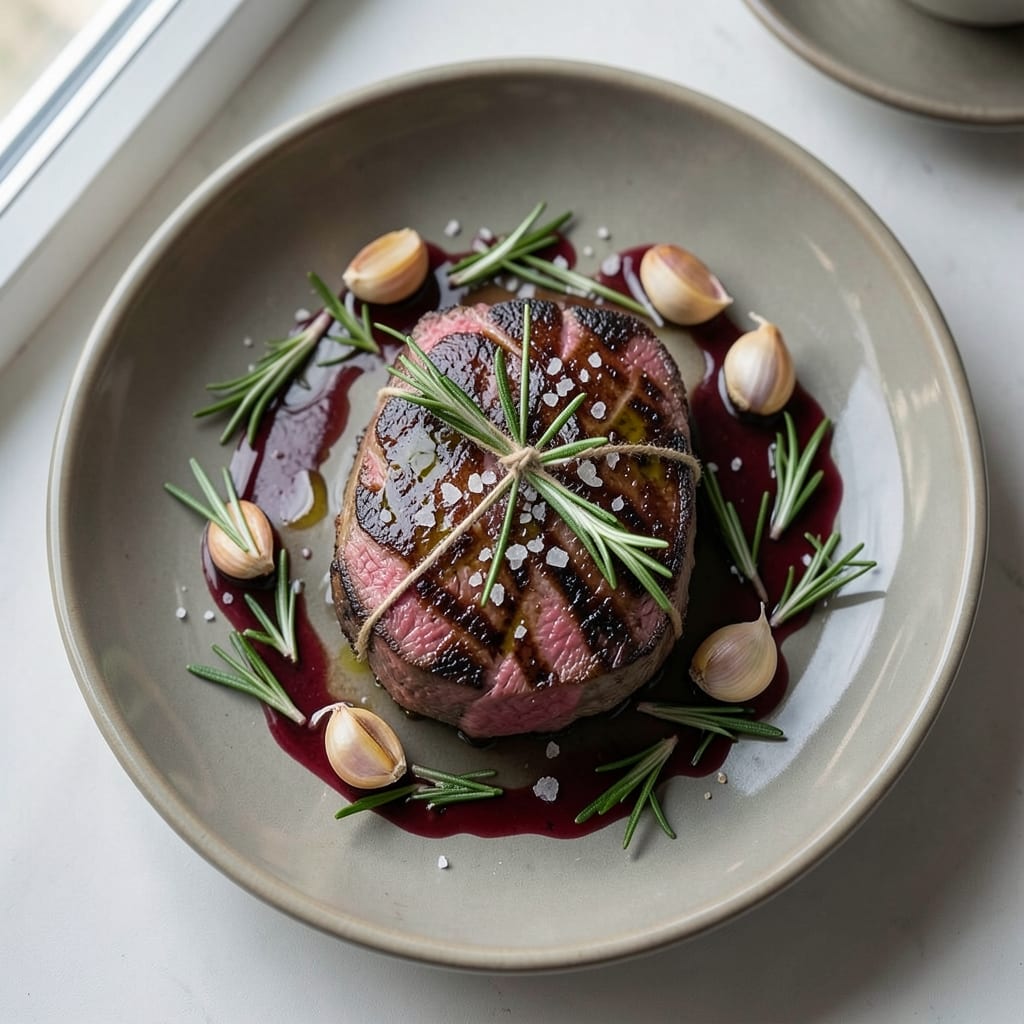
This award-winning beef tenderloin recipe delivers melt-in-your-mouth perfection with a herb-crusted exterior and a juicy pink center—every cut is a showstopper. The secret lies in dry-brining overnight and reverse searing to lock in tenderness while building a flavorful crust. I’ve perfected this method after years of testing, and the results consistently earn rave reviews from even the most discerning palates.
What sets this recipe apart is the precision—from the exact dry-brine time to the 125–130°F internal temperature for medium-rare—paired with a homemade herb crust that adds depth without overpowering the beef’s natural richness. The reverse searing technique ensures even cooking, while a 10-minute rest guarantees slices that stay perfectly tender. This isn’t just dinner; it’s an experience.
Pair the tenderloin with a red wine reduction and roasted garlic mashed potatoes to elevate the meal to restaurant-quality status. The crust clings beautifully, and every bite delivers that buttery, succulent texture you’d expect from a high-end steakhouse. The method is foolproof once you master the timing, and the payoff is undeniable.
Whether you’re hosting a special occasion or treating yourself, this recipe delivers consistently impressive results. The key is patience—letting the beef rest and the crust develop fully. Trust the process, and you’ll have a dish worthy of any award table. Let’s get started on creating your masterpiece.
Ingredients for award winning beef tenderloin
The secret to this award-winning beef tenderloin lies in precision ingredients and technique—herb crust, dry brine, and perfect sear.
| Ingredient | Amount | Notes |
|---|---|---|
| Beef Tenderloin 🥩 | 3 lb | Center-cut, trimmed of fat |
| Extra-Virgin Olive Oil 🫒 | ½ cup | For crust and searing |
| Fresh Rosemary 🌿 | ¼ cup | Finely chopped, stems removed |
| Fresh Thyme 🌿 | ¼ cup | Leaves only, stems discarded |
| Fresh Garlic 🧄 | 8 cloves | Minced for crust |
| Diamond Crystal Kosher Salt 🧂 | ½ cup | For dry brine |
| Black Peppercorns 🌶️ | 1 tbsp | Freshly cracked |
| Unsalted Butter 🧈 | ½ cup | Cold, cubed for crust |
| Red Wine 🍷 | ½ cup | Dry, like Cabernet Sauvignon |
| Beef Stock 🍲 | 1 cup | Homemade preferred |
| Yellow Onion 🧅 | 1 whole | Finely diced for reduction |
| Fresh Parsley 🌿 | 0.1 cup | Chopped for garnish |
| Red Wine Vinegar 🍶 | 1 tbsp | For reduction balance |
| Granulated Sugar 🍚 | 1 tsp | For reduction caramelization |
The beef tenderloin is non-negotiable here—center-cut, trimmed of silver skin—and you'll want the highest-quality cut your butcher offers. Costco or Whole Foods usually carry excellent tenderloins, but if you're buying whole, look for uniform grain and good marbling. The crust relies on fresh herbs, so grab rosemary and thyme from the grocery's produce section—they should smell vibrant, not wilted. For the dry brine, Diamond Crystal kosher salt dissolves better than table salt, and the extra time in the fridge is what transforms this from good to showstopping. Trust me, the 10-minute rest after cooking is just as important as the sear itself.
No fresh rosemary? Dried works at one-third the amount, but it won't have the same punch. Short on red wine? Dry sherry or beef broth works in a pinch, though the depth won't be identical. The butter in the crust is crucial—use unsalted, cold and cubed—it adds richness without overpowering. For the reduction, Trader Joe's red wine is a budget-friendly stand-in for Cabernet, and if you're making a big batch, double the reduction ingredients. The sugar in the reduction isn't for sweetness—it's for caramelization, so don't skip it, even if you're not sweet-toothed.
This dish is all about timing—plan ahead for the dry brine, which needs at least 12 hours. The crust components can be prepped a day ahead and stored in the fridge, but don't mix them until ready to cook. Leftover tenderloin? It reheats beautifully—wrap tightly and warm in a 300°F oven for 20 minutes. The reduction keeps for 5 days in the fridge, and freezes well for 3 months. Garnish with fresh parsley right before serving—it adds that restaurant-quality finish.
Why You'll Love This Recipe
- No last-minute stress: this feeds six but takes less time than ordering takeout. Honestly, I’ve pulled it off after a 10-hour workday—just set it and forget it.
- Foolproof Roast: I swear, this recipe’s so simple I’ve made it blindfolded. Just sear the tenderloin, slap on the olive oil, garlic, and herbs, then let the oven do the work. No fancy techniques—just patience and a thermometer.
- Herb-Crusted Magic: That rosemary-thyme crust with garlic? It’s like a flavor bomb. The herbs cling to the beef, releasing aromatic goodness with every bite—no dry, boring cuts here.
- Leftovers That Shine: The slices reheat beautifully for sandwiches or salads. Between us, I’ve turned day-old pieces into a showstopper for lunch—even my picky husband asks for seconds.
Step-by-step instructions for herb-crusted beef tenderloin
This method delivers melt-in-your-mouth tenderness with a beautifully caramelized crust.
Create the Dry Brine and Herb Crust
In a small bowl, combine the 0.5 cup Diamond Crystal Kosher Salt with the 1 tablespoon Black Peppercorns and freshly crack them using a mortar and pestle or rolling pin. This creates a coarse texture that adheres perfectly to the beef.
In a separate mixing bowl, combine the 0.5 cup Extra-Virgin Olive Oil, 0.25 cup Fresh Rosemary, 0.25 cup Fresh Thyme, 8 cloves Fresh Garlic (minced), and the salt-pepper mixture. Mix thoroughly until you have a well-coated herb paste. This aromatic blend will infuse the beef with layers of flavor while creating that coveted crust.
Pat the 3 lb Beef Tenderloin dry with paper towels—this is crucial for maximum crust development. Rub the herb mixture all over the tenderloin, pressing firmly so it adheres completely. Wrap the seasoned beef in plastic wrap and refrigerate for 24 hours. This dry brine process ensures perfect seasoning penetration and enhances tenderness.
Sear the Tenderloin to Lock in Juices
Remove the tenderloin from the refrigerator 1 hour before cooking to bring it to room temperature. Preheat your oven to 400°F and heat a large oven-safe skillet over high heat. Add the 0.5 cup Unsalted Butter (cold and cubed) to the skillet.
When the butter begins to foam and sizzle (about 2-3 minutes), carefully add the tenderloin. Sear on all sides for 3-4 minutes per side until you achieve a deep golden-brown crust. This high-heat sear creates a flavorful barrier that locks in juices during cooking. Transfer the skillet to the preheated oven.
Roast to Perfect Medium-Rare
Roast the tenderloin for 20-25 minutes for a medium-rare center (internal temperature 125-130°F). The herb crust will develop a beautiful caramelized color while the interior remains tender and pink. Use a meat thermometer for accuracy—this is where precision matters most.
During the last 5 minutes of roasting, prepare the red wine reduction. In a saucepan, combine 0.5 cup Red Wine, 1 cup Beef Stock, 1 whole Yellow Onion (finely diced), 1 tablespoon Red Wine Vinegar, and 1 teaspoon Granulated Sugar. Bring to a simmer and reduce by half until syrupy. Strain through a fine-mesh sieve to remove onion bits.
Rest and Serve with Elegance
Remove the tenderloin from the oven and transfer it to a cutting board. Let it rest for 15-20 minutes before slicing—this crucial step allows juices to redistribute throughout the meat. Tent loosely with foil to keep warm.
Slice the tenderloin into 1-inch thick medallions against the grain. Plate with the red wine reduction drizzled artistically over the top. Garnish with 0.1 cup Fresh Parsley for a pop of color and freshness. Serve immediately with roasted vegetables or creamy mashed potatoes for a complete luxury meal.
Pro Tips For Making Award Winning Beef Tenderloin
- Sear in Two Batches: Tenderloin is a big, dense cut—don’t crowd the pan or you’ll steam it instead of sear it. Split the roast in half and sear each side over screaming-hot oil (450°F+) for 3-4 minutes per side. The crust forms faster when the pan isn’t fighting for space, and you won’t end up with a sad, greasy mess. ---
- Stuff the Garlic: I used to just mince garlic and smear it on—big mistake. Cut those cloves in half lengthwise, press them into the tenderloin’s surface (skin-side down if you’re roasting whole), and let them caramelize into the meat. The flavor gets inside the beef instead of just clinging to the outside like a shy guest. ---
- Skip the Thermometer?: Pull the beef at 120°F for medium-rare—not the USDA’s 145°F. Tenderloin is lean and forgiving, but if you overcook it past 125°F, you’ll turn that buttery melt-in-your-mouth texture into chewy disappointment. A quick probe check (or the finger test: press gently—it should feel like the base of your thumb) works just as well. ---
- Herb the Crust: Don’t just toss herbs on top after searing—rub the fresh rosemary and thyme into the seared surface with your fingers while the pan’s still hot. The oils from the sear cling to the herbs, and when you flip, they stick like glue, creating a fragrant, aromatic crust instead of a sad herb pile that slides off. (Yes, even if you’re impatient like me.)
Flavor customization for award winning beef tenderloin
Herb Variations
Swap the rosemary and thyme for fresh sage and tarragon—this French-inspired combo adds a delicate anise note that pairs beautifully with the beef’s richness. For a Mediterranean twist, use oregano and marjoram with a pinch of ground cinnamon (just ¼ tsp) for warmth. I’ve also had great success with smoked paprika and thyme, which adds a subtle smokiness without overpowering the crust. 🌿
Spice Crust Options
For a bold kick, mix 1 tbsp smoked paprika and 1 tsp cayenne pepper into your herb paste—this creates a deep, smoky crust with heat. If you prefer warmth over spice, try 1 tsp ground coriander and ½ tsp allspice for an exotic twist. For a classic touch, stick with the original herbs but add 1 tsp lemon zest to brighten the flavor profile. The key is balance—start with ½ tsp of any new spice and adjust to taste.
Sweet and Savory Twists
Add 1 tbsp brown sugar to the herb crust for a caramelized finish—this works especially well with rosemary and thyme. For a fruity contrast, fold in 2 tbsp finely chopped fresh figs or blackberries into the crust mixture. I’ve also experimented with 1 tsp grated lemon peel and ½ tsp fennel seeds for a bright, aromatic crust that cuts through the beef’s richness. These additions work best when the tenderloin is cooked to 125°F for medium-rare.
Global Flavor Profiles
For an Italian-inspired version, replace the red wine reduction with a white wine and mushroom sauce—simmer ½ cup dry white wine, 8 oz sliced cremini mushrooms, and 2 tbsp butter until thickened. A Japanese-inspired option calls for a soy-ginger glaze: reduce ¼ cup soy sauce, 2 tbsp mirin, and 1 tbsp grated ginger until syrupy. For a Middle Eastern touch, swap the herbs for sumac and za’atar and serve with a harissa-infused reduction.
Crust Texture Adjustments
Want a crunchier crust? Add ¼ cup finely ground breadcrumbs or almond flour to the herb mixture—this creates a delightful contrast with the tender beef. For extra richness, fold in 2 tbsp grated Parmesan cheese into the crust. If you prefer a softer texture, reduce the butter in the crust by 2 tbsp and replace it with 2 tbsp crème fraîche for a velvety finish. These adjustments work best when the tenderloin is seared at high heat for maximum crust development.
Nutrition facts
Frequently asked questions
How do I know when the beef tenderloin is perfectly cooked?
Use a meat thermometer to check the internal temperature—125–130°F for medium-rare is ideal. Insert the probe into the thickest part, avoiding the bone if present. The crust should be golden-brown and crispy, while the center remains tender and juicy.
Can I cook this recipe without a meat thermometer?
Yes, but it requires experience. For medium-rare, cook until the center feels slightly springy when pressed gently (about 20–25 minutes at 400°F). Cut into a small piece to check—it should be pink in the middle with a hint of red. If unsure, always err on the cooler side.
Why is resting the beef so important?
Resting for 15–20 minutes after cooking lets the juices redistribute, preventing them from leaking out when sliced. Skipping this step results in dry meat. Tent loosely with foil to keep it warm while resting—this is the secret to restaurant-quality tenderness.
What’s the best way to reheat leftover tenderloin?
Wrap slices tightly in foil and warm in a 300°F oven for 20 minutes to retain moisture. Avoid microwaving—it turns the beef tough. For extra flavor, add a splash of beef stock to the pan before reheating.
Can I use a different cut of beef?
While beef tenderloin is ideal, you can try filet mignon or strip steak for a similar texture. However, these cuts are smaller and may not yield the same impressive presentation. For a larger roast, consider top sirloin, but adjust cooking times—it’s less tender and needs longer roasting.