
Main Courses
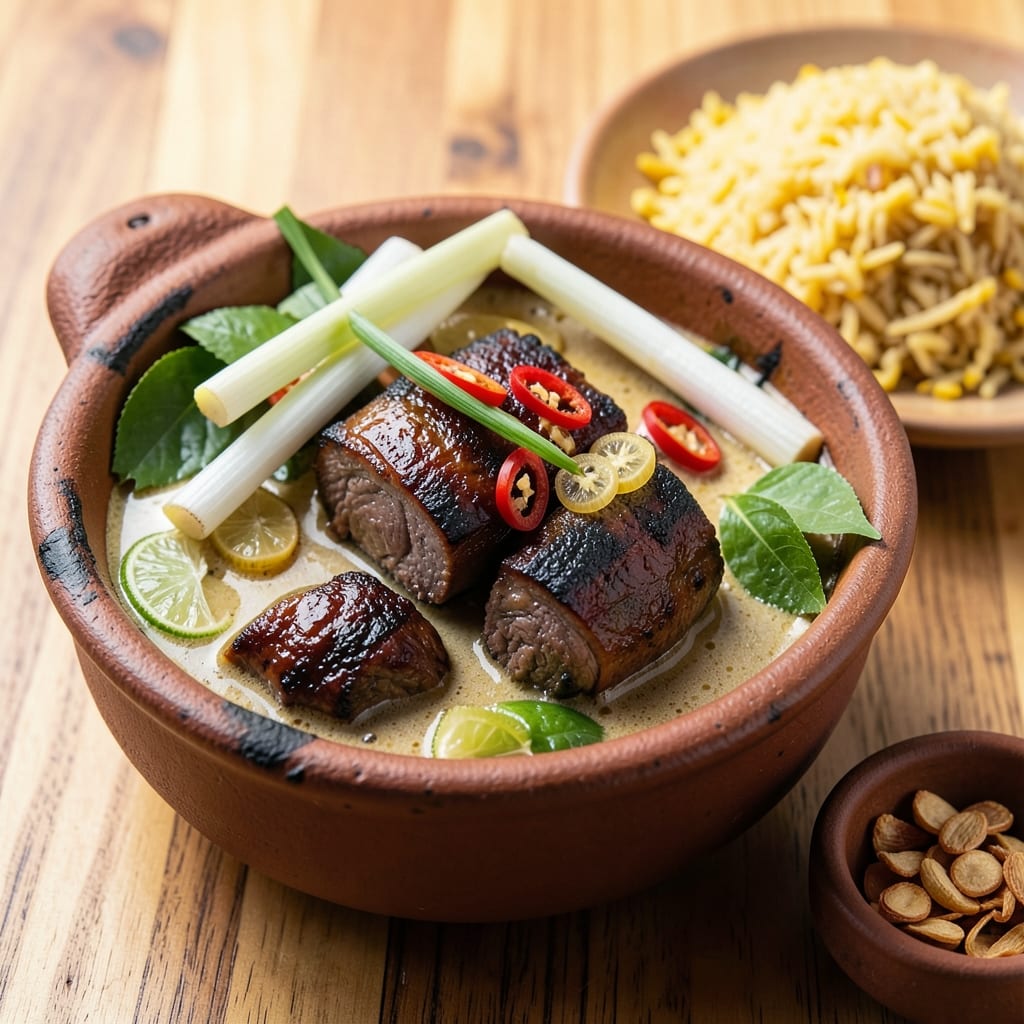
The authentic Malaysian beef rendang transforms tough cuts into melt-in-your-mouth perfection through slow-cooked spice and coconut magic. This dish, born in West Sumatra, balances heat, sweetness, and umami in a rich, caramelized sauce that clings to every bite. The key lies in patience—hours of simmering develop layers of flavor that store-bought versions can't match. Once you taste the tender beef swimming in its fragrant, slightly sweet sauce, you'll understand why rendang is Malaysia's national dish.
What sets this recipe apart is the traditional spice blend—turmeric, lemongrass, galangal, and kaffir lime leaves—marinated into the beef before slow cooking in coconut milk. The spices infuse the meat deeply, while the coconut milk creates a velvety base that thickens into a glossy, caramelized glaze. This isn't just a meal; it's a sensory experience that transports you to a bustling Malaysian kitchen, where rendang simmers for hours over open flames.
By the time you serve this dish, you'll have restaurant-quality results at home—tender beef with a deep red hue, a sauce that's both rich and aromatic, and a complexity that keeps you reaching for seconds. The dish pairs perfectly with steamed jasmine rice, which soaks up every last bit of that glorious sauce. Whether you're hosting a dinner party or simply craving a taste of Malaysia, this recipe delivers authenticity without compromise.
The process requires time, but the reward is unmatched. No shortcuts here—just the slow, deliberate cooking that builds flavor. Once mastered, you'll find yourself making rendang again and again, each batch more perfect than the last. Let's get started on this journey to create a dish that's as much about tradition as it is about taste.
Ingredients for authentic malaysian beef rendang
Authentic Malaysian flavors start with these carefully chosen ingredients for rich, caramelized beef rendang.
| Ingredient | Amount | Notes |
|---|---|---|
| Beef Chuck Roast 🥩 | 2 ½ lb | Tough cut, cut into 2-inch cubes |
| Coconut Milk 🥥 | 2 cans | Full-fat, 13.5 oz each |
| Turmeric Powder 🌿 | 1 tbsp | Freshly ground for vibrant color |
| Fresh Lemongrass 🌿 | 3 whole | Tender inner stalks only, chopped |
| Galangal 🍃 | 1 piece | Substitute ginger if unavailable |
| Kaffir Lime Leaves 🍋 | 4 whole | Fresh, torn into strips |
| Shallots 🧅 | 6 whole | Peeled, halved lengthwise |
| Garlic Cloves 🧄 | 8 cloves | Peeled, smashed |
| Fresh Ginger Root 🌿 | 2 inches | Peeled, sliced thinly |
| Coconut Cream 🥥 | ½ cup | Thickest part of canned coconut milk |
| Coconut Oil 🫒 | 2 tbsp | For frying beef |
| Palm Sugar 🍯 | ¼ cup | Brown sugar substitute |
| Fish Sauce 🍶 | 2 tbsp | Red Boat brand preferred |
| Dried Chili Peppers 🌶️ | 1 tbsp | Bird's eye or Thai chili |
| Ground Black Pepper 🌶️ | 1 tsp | Freshly ground |
The beef is non-negotiable—chuck roast delivers that signature tender, fall-apart texture. Look for well-marbled cuts at Whole Foods or your local butcher. If you can't find galangal, ginger works in a pinch, though it lacks that citrusy depth. For kaffir lime leaves, check the Asian aisle at Trader Joe's—they're often sold frozen, which keeps perfectly. Palm sugar adds authentic sweetness, but light brown sugar works if you're in a hurry. The coconut milk should be full-fat; anything else will make the sauce separate.
No fresh lemongrass? Substitute with lime zest plus a splash of lime juice, though it won't be identical. Running out of fish sauce? Soy sauce at half the amount gets you close, but you'll lose that umami punch. For heat control, remove chili peppers before serving—seeds in = more heat. The coconut cream is key: scoop it from the thickest part of the can, leaving the watery part behind. If your shallots or garlic burn during frying, reduce heat immediately—they should sizzle, not char. And trust me on the coconut oil for frying; it adds a subtle flavor that butter can't match.
This rendang tastes even better the next day as flavors meld. Store in an airtight container in the fridge for up to 5 days, or freeze for 3 months. The sauce thickens as it cools, so add a splash of water when reheating. I always make a double batch—steamed jasmine rice soaks up every last drop of that glorious sauce. Leftovers reheat beautifully; just cover with a splash of water to prevent drying. For serving, garnish with fresh cilantro if you're feeling fancy—it brightens up the rich, spicy flavors.
Why You'll Love This Recipe
- One Pot Magic: I swear by this—just sear the beef, dump in the spices (turmeric, galangal, lemongrass), and let it simmer. No chopping, no fussing, and that rich coconut milk does all the work while you sip tea.
- Deep Umami Bomb: The slow-cooked beef? Chef’s kiss. The galangal and lemongrass cut through the richness of the coconut milk, while the turmeric gives it that golden glow—and the flavor? It’s the kind of dish that makes you close your eyes mid-bite.
- Leftovers That Shine: Between us, this gets better the next day. I make a big batch on Sundays, and by Wednesday, it’s still the star of my lunch—packed with rice, wrapped in lettuce, or straight from the pot. Zero waste, all flavor.
- Weeknight Hero: Honestly, it’s my go-to when I’m tired but craving something special. The beef is tender enough to fall apart, and the spices smell like a vacation. Plus, it feeds four for under $20—worth every penny.
Step-by-step instructions for authentic Malaysian beef rendang
This slow-cooked masterpiece transforms tough beef into melt-in-your-mouth perfection. Here's how to capture Malaysia's soul in one pot.
Prepare the Aromatic Paste and Sear the Beef
In a food processor, combine the peeled and halved 6 whole shallots, 8 cloves garlic, 2 inches fresh ginger root, 1 piece galangal, 3 whole fresh lemongrass (tender inner stalks only), 4 whole kaffir lime leaves, 1 tbsp turmeric powder, 1 tbsp dried chili peppers, 1 tsp ground black pepper, 2 tbsp fish sauce, and 0.25 cup palm sugar. Pulse until you achieve a smooth, thick paste—this is the flavor foundation. The mixture should cling together when pressed.
Heat 2 tbsp coconut oil in a heavy Dutch oven over medium-high heat. Working in batches, sear the 2.5 lb beef chuck roast (cut into 2-inch cubes) until deeply browned on all sides—about 3-4 minutes per batch. This caramelization builds rich, complex flavors that will infuse the final dish. Remove the beef and set aside.
Build the Spiced Coconut Base
In the same Dutch oven, add the aromatic paste and cook over medium heat for 5-7 minutes, stirring constantly, until fragrant and slightly darkened. This step develops the paste's flavors and removes any raw taste. Be patient—don't rush this or you'll miss the depth of flavor.
Pour in 2 cans coconut milk and bring to a gentle simmer. The mixture will bubble vigorously at first, then settle into a smooth, creamy consistency. Stir in 0.5 cup coconut cream, scraping the bottom of the pot to incorporate any browned bits. These bits are pure flavor—don't miss them. The sauce should now have a rich, golden hue with visible spices suspended throughout.
Simmer the Rendang to Perfection
Return the seared beef to the pot, ensuring it's fully submerged in the coconut mixture. Reduce heat to low and cover partially with a lid, leaving about a 1-inch gap for steam to escape. This slow cooking method allows the beef to tenderize while the spices meld into a harmonious blend.
Simmer for 3-4 hours, stirring occasionally, until the beef is fork-tender and the sauce has thickened significantly. You'll know it's ready when the beef easily pulls apart with minimal resistance and the sauce coats the back of a spoon with a glossy sheen. The longer it cooks, the more concentrated and complex the flavors become—this is where the magic happens.
Finish and Rest for Maximum Flavor
Once the beef is tender, increase heat to medium and simmer uncovered for an additional 15-20 minutes. This final step allows the sauce to reduce further, intensifying its flavor and creating that signature thick, caramelized coating on the beef. The sauce should now be rich and slightly sticky, with a deep reddish-brown color.
Remove from heat and let the rendang rest for 15 minutes before serving. This resting period allows the juices to redistribute throughout the beef, ensuring each bite is moist and flavorful. The dish will continue to thicken as it rests, so don't be tempted to rush this step. Serve with steamed jasmine rice to soak up every last drop of that incredible coconut-spice sauce.
Pro Tips For Making Authentic Malaysian Beef Rendang
- BLEND THE PASTE FIRST: Skip the "add spices as you go" approach—render your beef in a dry pot first, then transfer it to a blender with all the spices (turmeric, lemongrass, galangal, shallots, garlic) and a splash of coconut milk. Pulse until it’s a thick, sticky paste before adding the rest. I learned this the hard way—adding spices in stages means uneven flavor distribution, and you’ll taste raw galangal in some bites.
- LOW AND SLOW IS NON-NEGOTIABLE: Once the paste is in the pot, turn the heat to the lowest setting you own—this isn’t a race. A true rendang needs 3–4 hours of simmering, with the lid slightly ajar so the coconut milk reduces into a thick, caramelized sauce. After burning three batches at "medium-low," I finally accepted: patience here isn’t optional, it’s what makes the meat fall apart.
- PEEL AND SLICE GALANGAL THIN: Galangal’s bite is sharp, but if you leave it in thick chunks, you’ll end up with undercooked edges and a sauce that’s more watery than it should be. Use a knife to shave it into paper-thin slices—this guarantees even cooking and lets the flavor infuse properly. (Yes, it looks weird, but trust the process.)
- USE TWO CANS OF COCONUT MILK: One can won’t cut it—start with two, even if the recipe says one. The first will reduce dramatically, and you’ll need that extra richness to balance the spices. If you’re worried about waste, freeze the leftover can for curries later. I was skeptical until I tried it: the sauce clings to the beef like it’s supposed to, not like a sad, thin glaze.
Serving suggestions for this dish
Rice Pairings
Steamed jasmine rice is the classic companion to rendang, absorbing the rich coconut-spice sauce like a sponge. I use 2 cups uncooked jasmine rice per serving, steamed to perfection with a pinch of salt. For extra flair, add a ½ tsp pandan leaf to the cooking water—it complements the dish's aromatic profile beautifully. 🌱
Fresh Garnishes
Brighten the dish with fresh cilantro leaves or Thai basil just before serving. I like to sprinkle ¼ cup chopped cilantro over each portion for a burst of freshness. For heat lovers, add sliced bird's eye chilies on the side—let guests adjust to their preference. The contrast of cool herbs against the warm, spicy sauce is pure magic.
Side Dish Balance
Serve with blanched cucumber salad to cut through the richness. Toss 2 cups thinly sliced cucumber with 1 tbsp lime juice, ½ tsp salt, and a pinch of chili flakes. Another great option is sticky rice (if you want to go full Malaysian) or roasted cassava for a heartier bite. The crispness balances the tender beef perfectly.
Beverage Pairings
A cold Thai iced tea or Malaysian bandung milk tea complements the dish's spicy-sweet profile. For something lighter, try sparkling lime soda with a slice of lime. Avoid heavy wines—they'll clash with the coconut and spices. If you prefer beer, a light lager like Singha works wonders to cleanse the palate between bites. 🍺
Presentation Tips
Serve rendang in a clay pot or cast-iron skillet for rustic authenticity. Spoon the beef and sauce over a mound of rice, then garnish with extra cilantro. For a restaurant-worthy touch, drizzle with toasted coconut flakes and serve with small bowls of sambal oelek on the side. The visual appeal makes it feel like a special occasion dish every time. ✨
Leftovers Strategy
Rendang tastes even better the next day as flavors deepen. Store leftovers in an airtight container in the fridge for up to 5 days. Reheat gently with 2 tbsp water or coconut milk to prevent drying. For a quick lunch, serve with warm tortillas or steamed buns—the sauce pairs perfectly with both. Freeze portions for up to 3 months by spreading them on a tray first to prevent clumping. ❄️
Nutrition facts
Frequently asked questions
Why does authentic Malaysian beef rendang need such a long cooking time?
The 3-4 hour simmer is essential for two reasons: tenderizing the tough beef chuck and developing deep, complex flavors. The low-and-slow method breaks down collagen in the meat while allowing spices like turmeric and galangal to infuse completely. This is why traditional rendang tastes so much richer than quick versions—patience creates that signature caramelized sauce.
Can I substitute any ingredients if I can't find galangal or kaffir lime leaves?
For galangal, use extra ginger (double the amount) though it won't be identical. Kaffir lime leaves can be replaced with lime zest + lime juice (1 tbsp zest + 1 tbsp juice per leaf). The dish will still be delicious, but you'll lose some of that unique citrusy depth. For palm sugar, light brown sugar works in a pinch, though it lacks the subtle caramel notes.
What's the secret to getting that perfect caramelized sauce?
The sauce's rich color and texture come from three key steps:
- Browning the beef deeply before adding liquids,
- Simmering uncovered in the final 15-20 minutes to reduce the sauce, and
- Letting it rest after cooking. This resting period (15 minutes) allows the sauce to thicken naturally without burning. The longer you cook it uncovered, the deeper the caramelization.
How do I know when the beef is fully tender?
Test doneness by piercing the largest piece with a fork—it should slide in easily and the beef should fall apart slightly when pressed. The sauce should also coat the back of a spoon with a glossy sheen and be noticeably thicker. If the beef still feels firm, return it to the pot for another 30-45 minutes of simmering.
Can I make rendang in a slow cooker or Instant Pot?
Yes! For a slow cooker, sear the beef first, then cook on low for 6-8 hours or high for 4-5 hours. For an Instant Pot, use the high pressure setting for 45 minutes followed by a 10-minute natural release, then reduce the sauce uncovered on sauté mode for 15-20 minutes. The Instant Pot version will be faster but may need extra time to develop the same depth of flavor.