
Main Courses
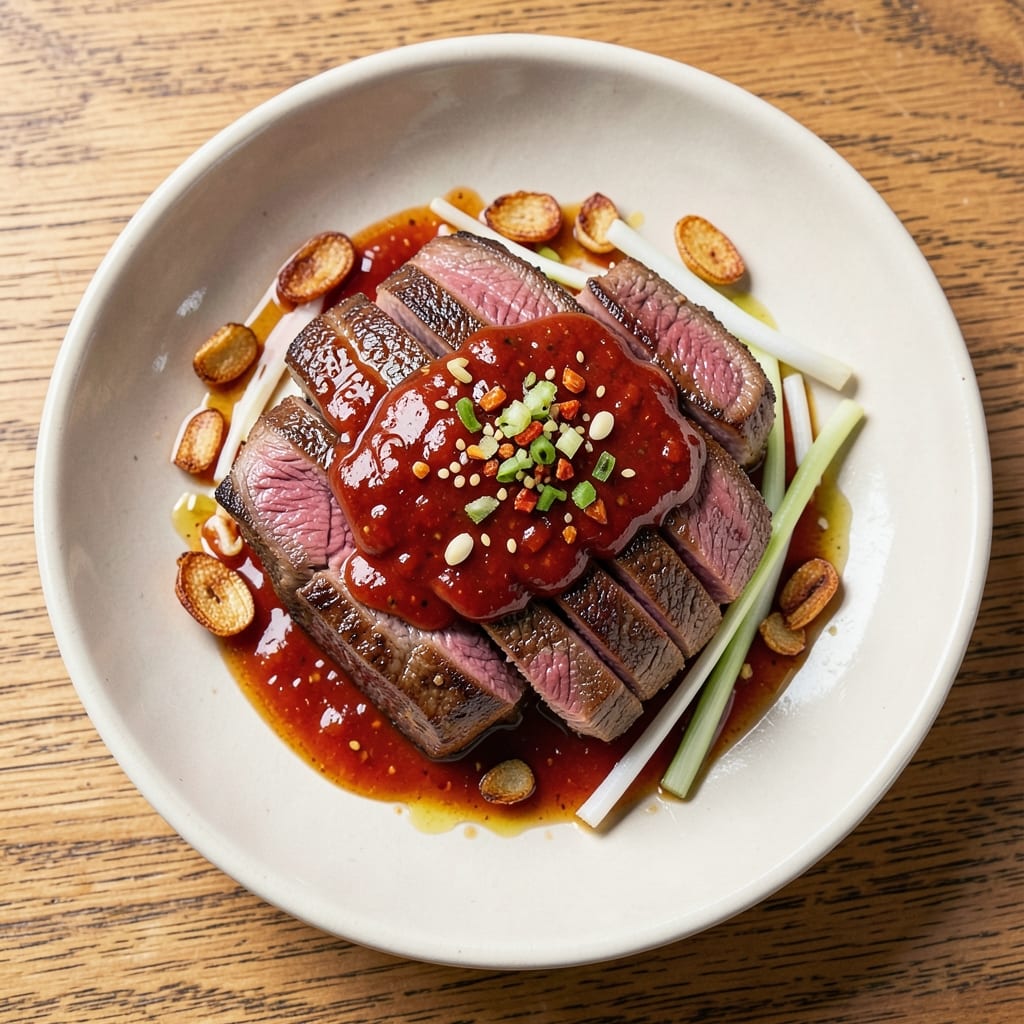
This authentic Korean beef recipe delivers the bold, fermented flavors of traditional bulgogi in just 30 minutes, with a perfect balance of sweet, savory, and umami. The secret lies in thinly sliced beef marinated in a blend of fermented soy sauce, ginger, and garlic, creating that signature caramelized crust when seared. I've simplified the process for home cooks while keeping the dish's rich cultural roots intact—no shortcuts that sacrifice authenticity.
The marinade transforms tougher cuts into tender, melt-in-your-mouth strips through a 30-minute resting period, while high-heat searing develops that signature crispy exterior. Traditional Korean techniques like thin-slicing and proper sauce reduction ensure restaurant-quality results at home. What sets this apart is the fermented soy's depth, which builds complex flavors without overpowering the beef's natural richness.
Serve over steamed rice with classic banchan (side dishes) like kimchi and quick-pickled vegetables for an authentic experience. The dish's aromatic marinade alone will transport you to a Seoul street market, but the texture—crispy edges with tender centers—is what truly impresses. This is the kind of recipe that becomes a family staple.
Perfect for weeknight dinners or special occasions, this bulgogi delivers restaurant-quality satisfaction with minimal effort. The method scales easily for crowds, and leftovers reheat beautifully. Let's bring the flavors of Korea to your kitchen.
Ingredients for authentic korean beef
Authentic Korean flavors start with these carefully selected ingredients—each playing a crucial role in the dish's signature balance.
| Ingredient | Amount | Notes |
|---|---|---|
| Ribeye Steak 🥩 | 1 ½ lb | Thinly sliced against the grain |
| Doenjang (Fermented Soybean Paste) 🍶 | ½ cup | Korean fermented soybean paste |
| Gochugaru (Korean Red Pepper Flakes) 🌶️ | 1 tbsp | Medium heat level preferred |
| Fresh Ginger 🧄 | 2 tbsp | Finely grated, aromatic |
| Garlic Cloves 🧄 | 6 cloves | Minced for intense flavor |
| Sesame Oil 🫒 | 1 tbsp | Toasted sesame oil preferred |
| Sugar 🍚 | 2 tbsp | Brown sugar for depth |
| Rice Wine (Mirin) 🍷 | ¼ cup | Sweet cooking wine |
| Soy Sauce 🍶 | 2 tbsp | Regular or fermented |
| Vegetable Oil 🫒 | 2 tbsp | High smoke point preferred |
| Green Onions 🧅 | 4 whole | Thinly sliced for garnish |
| Sesame Seeds 🌾 | 1 tbsp | Toasted for crunch |
| Steamed White Rice 🍚 | 2 cups | Short-grain preferred |
The beef selection is critical here. Ribeye delivers the perfect marbling for tenderness, but sirloin or chuck work well too—just ensure it's thinly sliced against the grain. For the fermented soybean paste (doenjang), seek out authentic Korean brands like Soy Gourmet or Hanjin at specialty Asian markets. The gochugaru should be medium heat level—too spicy will overpower the dish's delicate balance. Fresh ginger and garlic are non-negotiable; frozen versions lack the aromatic depth needed for this recipe. Penzeys or bulk bins at Whole Foods are reliable sources for high-quality spices.
No doenjang? Substitute with a mix of miso paste and soy sauce (1:1 ratio), though the flavor profile won't be identical. Fresh ginger can be swapped for powdered at half the amount, but the texture and aroma will differ. Mirin substitutes like a mix of dry sherry and sugar (1:1) work in a pinch, though the dish loses some of its signature sweetness. For the sesame oil, toasted sesame oil is ideal, but regular sesame oil can be toasted in a dry pan for 30 seconds to mimic the flavor. The steamed rice should be freshly cooked—day-old rice lacks the necessary stickiness for the perfect bulgogi pairing.
Marinated beef keeps best in an airtight container in the fridge for up to 24 hours, though flavor develops optimally after 30 minutes of resting. The marinade itself can be stored separately for 3 days, but the beef should be added fresh for best results. Leftover bulgogi reheats beautifully—simply warm in a skillet with a splash of water for 2-3 minutes to restore moisture. For authentic presentation, serve immediately over steamed rice with the garnish of green onions and sesame seeds sprinkled directly on top. The dish's flavors peak when served fresh, but leftovers maintain their quality for 3 days in the refrigerator.
Why You'll Love This Recipe
- No-Fuss Marinade: I swear by the 10-minute prep rule—just slice the ribeye thin, toss it in a bowl with doenjang and gochugaru, then let it sit while you chop garlic and ginger. Honestly, the marinade does 80% of the work for you.
- Umami Bomb: That first bite? The doenjang’s deep, funky richness paired with the smoky kick of gochugaru—it’s like a flavor explosion. I’ll be real: my non-Korean-eating friends ask for seconds without even knowing what’s in it.
- Double-Duty Dish: Make a big batch on Sunday and use it for everything: rice bowls, lettuce wraps, or even stuffed in mandu. Between us, I’ve fed a crowd with this in under an hour, and no one complains about leftovers.
- Budget Steakhouse Vibes: Ribeye on sale? Grab it. A jar of doenjang lasts forever. The ginger and garlic stretch across multiple meals, and the gochugaru adds heat without breaking the bank. Not the prettiest, but the taste makes up for it every time.
Step-by-step instructions for authentic Korean beef recipe
Master this traditional technique for restaurant-quality doenjang-ginger beef with perfect texture and balanced flavors.
Prepare the Marinade and Slice the Ribeye
In a medium bowl, combine the 0.5 cup doenjang, 1 tbsp gochugaru, 2 tbsp finely grated fresh ginger, 6 minced garlic cloves, 1 tbsp sesame oil, 2 tbsp sugar, 0.25 cup mirin, and 2 tbsp soy sauce. Mix until the sugar dissolves completely and the paste achieves a smooth, glossy consistency. This marinade should have a deep reddish-brown color from the doenjang and a subtle heat from the gochugaru.
While the marinade develops, slice the 1.5 lb ribeye steak thinly against the grain into ¼-inch thick strips. Place the sliced beef in a separate bowl and pour the marinade over it. Use your hands to gently massage the marinade into the beef, ensuring every strip is evenly coated. Let this marinate for at least 15 minutes at room temperature—this ensures maximum flavor penetration and tender texture.
Sear the Beef for Maximum Flavor
Heat 1 tbsp of the 2 tbsp vegetable oil in a large skillet over medium-high heat until it shimmers but doesn't smoke. Working in batches if needed, add the marinated beef strips in a single layer. Sear undisturbed for 1-2 minutes per side until the edges develop a deep mahogany crust and the beef releases easily from the pan. This high-heat searing locks in juices while creating that essential caramelized flavor.
Remove the seared beef to a plate and set aside. In the same pan, add the remaining 1 tbsp vegetable oil and swirl to coat. Toss in the marinated beef again briefly just to heat through, then remove from heat. The residual heat will finish cooking the beef while keeping it tender. Here's the thing—don't overcrowd the pan or the beef will steam instead of sear.
Build the Fermented Soy-Ginger Sauce
Return the seared beef to the skillet and reduce heat to medium-low. Add ¼ cup of water to the pan and let it simmer for 2-3 minutes until the liquid reduces by half and the sauce begins to thicken slightly. The beef should be coated in a glossy, slightly sticky sauce with visible red flecks from the doenjang and gochugaru.
Taste and adjust seasoning if needed—add a pinch more sugar if you want more sweetness or a dash of soy sauce for deeper umami. The sauce should balance the fermented funk of the doenjang with the bright acidity of the mirin. If it's too thick, add another splash of water; if too thin, let it reduce longer. This is where the authentic flavor develops—don't rush this step.
Assemble and Garnish for Presentation
Transfer the beef and sauce to a serving dish and spread the 2 cups steamed white rice evenly over the top. The rice should absorb the excess sauce while keeping the beef warm. Using a fork, gently fluff the rice to create pockets for the beef to nestle into.
Garnish with the 4 thinly sliced green onions and 1 tbsp toasted sesame seeds. The green onions add freshness to cut through the richness, while the sesame seeds provide a satisfying crunch. Serve immediately while the beef is still sizzling and the rice is hot—this dish tastes best straight from the pan when all components are at their peak temperature.
Pro Tips For Making Authentic Korean Beef
- Slice Steak Against Grain: I learned this the hard way—ribeye’s muscle fibers run stubbornly, and if you cut with them, your beef bulges like overcooked noodles. Slice thin (¼-inch) at a 45-degree angle against the grain after cooking, not before. The texture difference is night and day, especially when serving with rice.
- Bloom Doenjang First: Skip the "just toss it in" approach—doenjang’s deep umami needs to sing. Heat your oil (medium-high, not smoking) and add 1 tablespoon of doenjang alone for 30 seconds until it darkens and fragrant. This builds flavor base; dumping it raw later just makes a murky paste.
- Control Gochugaru Heat: After burning three batches, I finally figured out: gochugaru isn’t just "red pepper flakes." Toast it in a dry pan for 1–2 minutes until it smells toasted, not burnt. Then add it to the sauce last—stirring in just before serving. This keeps the color vibrant and the heat bright, not bitter.
- Use Cold Ginger-Garlic Paste: I was skeptical until I tried it: blend peeled ginger and garlic with ice water (1:1 ratio) into a paste. The cold shock prevents garlic from turning bitter and makes it cling to the beef like glue. Add it after searing the steak—this keeps the marinade from cooking off too fast and ensures every bite gets that zesty punch.
Storing and reheating your authentic korean beef
Fridge Storage Tips
Marinated beef stays fresh in an airtight container for up to 24 hours in the fridge—this is perfect for meal prep. I store mine in a glass Pyrex dish with a tight lid to preserve flavors. The marinade itself can be prepped ahead and kept separately for 3 days, but always add fresh beef for optimal texture. 💡
Freezer-Friendly Method
For longer storage, freeze marinated beef in a single layer on a tray before transferring to a freezer bag. This prevents clumping and makes reheating easier. Thaw overnight in the fridge before cooking—never microwave directly from frozen. The beef maintains its tenderness when properly thawed. ❄️
Reheating for Best Texture
My go-to method is a quick skillet reheat: add beef to a hot pan with 1 tbsp vegetable oil and 1 tbsp water, then sear for 2-3 minutes on medium-high. This restores that signature caramelized crust. Avoid microwaving—it turns the beef rubbery. For leftovers, reheat only what you'll eat immediately.
Sauce Preservation
The reduced sauce keeps well in a small jar in the fridge for 5 days. Reheat gently in a saucepan with 1 tbsp water to restore its glossy consistency. I drizzle extra sauce over rice or noodles for instant flavor—it's even better the second day as flavors meld. 🍜
Rice Handling
Steamed rice reheats best in the microwave with 2 tbsp water for 1 minute, then fluff with a fork. For extra crispiness, spread reheated rice on a baking sheet and broil for 1 minute. The contrast of warm beef and slightly toasted rice elevates the dish. 🔥
Garnish Refresh
Toast sesame seeds fresh before serving—store-bought ones lose their crunch. Keep green onions in a sealed container in the fridge for up to 5 days. Their bright color and crunch make all the difference in presentation. A sprinkle of these transforms reheated bulgogi into a restaurant-quality meal. ✨
Nutrition facts
Frequently asked questions
Can I substitute doenjang with regular soy sauce?
Doenjang provides that signature fermented depth, but you can make a substitution using 3 tbsp miso paste plus 1 tbsp soy sauce per 0.5 cup doenjang. The flavor won't be identical—the miso will add a slightly sweeter, funkier note—but it works in a pinch. For best results, add 1 tsp sugar to compensate for the reduced sweetness.
What's the best way to slice beef for authentic texture?
Slice against the grain into ¼-inch thick strips for maximum tenderness. Use a sharp knife and freeze the beef for 30 minutes first—this makes slicing easier. For thicker cuts like ribeye, pound gently with a meat mallet before slicing. The goal is paper-thin strips that cook quickly and stay tender.
Why does my beef turn out chewy instead of tender?
Overcooking is the most common mistake—beef should cook just until it reaches 145°F internally. Sear quickly over high heat, then finish with residual heat. Also ensure you're slicing against the grain and marinating for at least 15 minutes. Tough cuts like chuck need 24 hours of marinating for best results.
Can I make this recipe with ground beef?
While possible, ground beef loses that signature texture. If you must use it, choose 80/20 lean-to-fat ratio and shape into small patties before cooking. For authentic results, stick with thinly sliced steak cuts. The marbling in ribeye or sirloin creates that perfect melt-in-your-mouth experience.
How do I adjust the spice level?
Start with 1 tbsp gochugaru for medium heat. For milder flavor, reduce to ½ tbsp or omit entirely. For extra spice, add ½ tsp cayenne pepper or increase gochugaru to 2 tbsp. Remember, the fermented flavors develop more heat as they sit—taste your marinade before cooking.