
Soups & Stews
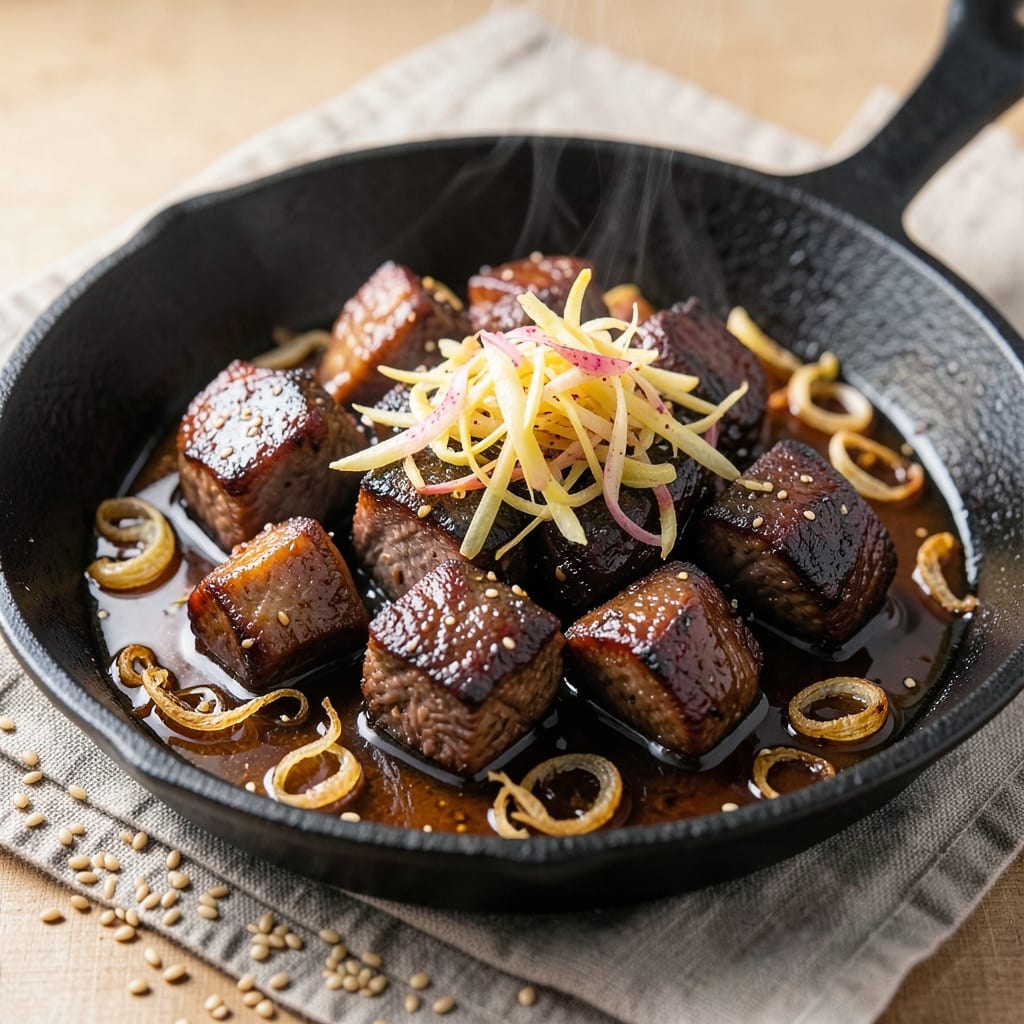
This Alberta ginger beef recipe transforms tough beef into a slow-braised masterpiece where sweet, spicy, and umami flavors meld into perfect harmony. The secret lies in marinating the beef overnight, then braising it until fork-tender—a process that unlocks deep, complex flavors you won't find in quick-cook versions. I've perfected this recipe over years of testing, balancing traditional techniques with modern shortcuts for home cooks.
The dish begins with a rich ginger marinade that tenderizes the beef while infusing it with aromatic warmth. After stir-frying for a smoky kick, the beef braises in its own juices with soy sauce, brown sugar, and a blend of spices until it reaches that signature melt-in-your-mouth texture. The sauce thickens into a glossy glaze that clings to every bite, delivering layers of sweetness and heat.
What makes this recipe truly special is its versatility—serve it over steamed jasmine rice for a classic presentation, or pair it with fluffy mantou buns for an Alberta-style twist. The aroma alone will fill your kitchen with warmth, while the first bite delivers that perfect balance of tender beef, caramelized edges, and a sauce that's both sweet and subtly spicy. This is comfort food at its finest, elevated by technique.
The beauty of this dish is in its adaptability—whether you're cooking for a family dinner or meal prepping for the week, the flavors only improve with time. The braising process makes it naturally freezer-friendly, so you can prepare a big batch and enjoy it over multiple meals. Let's get started on creating this restaurant-quality Alberta ginger beef at home.
Ingredients for alberta ginger beef
These 15 ingredients create a symphony of flavors that transform tough beef into melt-in-your-mouth perfection.
| Ingredient | Amount | Notes |
|---|---|---|
| Beef Chuck Roast 🥩 | 2 ½ lb | Cut into 1.5-inch cubes |
| Fresh Ginger Root 🌿 | ½ cup | Grated, skin removed |
| Soy Sauce 🍶 | ½ cup | High-quality, low-sodium preferred |
| Brown Sugar 🍚 | ⅓ cup | Light or dark, packed |
| Garlic Cloves 🧄 | 6 cloves | Minced, fresh preferred |
| Sesame Oil 🫒 | 1 tbsp | Toasted, for aroma |
| Red Wine 🍷 | ¼ cup | Dry, bold variety |
| Beef Broth 💧 | 1 ½ cups | Low-sodium preferred |
| Cornstarch 🌾 | 1 tbsp | For sauce thickening |
| Green Onions 🧅 | ¼ cup | Sliced, for garnish |
| Sesame Seeds 🥜 | 1 tbsp | Toasted, for garnish |
| Vegetable Oil 🫒 | 2 tbsp | High smoke point |
| Red Pepper Flakes 🌶️ | ½ tsp | Adjust for heat |
| Salt 🧂 | 1 ½ tsp | Kosher or sea salt |
| Black Pepper 🌶️ | ½ tsp | Freshly ground |
The beef is everything here—chuck roast with good marbling gives that signature tender texture. Grab it from the butcher counter if possible (they'll cube it for you), or buy pre-cubed from Costco or Walmart—just check for even-sized pieces. Fresh ginger is non-negotiable for that bright, zesty kick, but if you're in a pinch, powdered ginger at half the amount works. For the soy sauce, Kikkoman or Lee Kum Kee are my go-tos—they've got that deep umami punch. The brown sugar? Light or dark doesn't matter, but pack it tightly when measuring. Garlic? Fresh is best, but jarred minced in a squeeze bottle is a lifesaver when you're in a hurry.
No red wine? Substitute with extra beef broth—just add a splash of balsamic vinegar for depth. Sesame oil is all about aroma here, so use the toasted variety if you've got it. The cornstarch is key for that glossy sauce—Bob's Red Mill is my brand of choice. For heat, red pepper flakes are flexible, but if you want smokiness, swap in smoked paprika. The green onions can be subbed with scallions, and if you're out of sesame seeds, toasted peanuts add a nice crunch. Pro tip: Toast your sesame seeds in a dry pan for 30 seconds before using—they'll taste 1000 times better.
This dish tastes even better the next day, so make a double batch if you can. The braised beef keeps for 4-5 days in the fridge, and the sauce freezes beautifully for up to 3 months. I like to portion mine into meal prep containers—half the beef with rice, half with noodles—so I've got variety for the week. The ginger marinade? Use it up within 3 days or freeze it for up to 1 month. And if you're short on time, you can par-cook the beef and finish it later—just reheat the sauce separately.
Why You'll Love This Recipe
- One-Pot Magic: I swear by this recipe because it’s basically set-it-and-forget-it. The chuck roast simmers in that sticky ginger-soy glaze until it falls apart—no extra pans, no fuss. Just slice the ginger, mince the garlic, and let the slow cooker do the heavy lifting while you sip your coffee.
- Sweet-Spicy Kick: That caramelized brown sugar and fresh ginger? It’s like a warm hug for your taste buds. The soy sauce adds depth, but the garlic cloves roasted right in the pan? Absolute game-changer. Honestly, the first bite makes me want to make it every week.
- Meal Prep MVP: This dish reheats like a dream—perfect for lunches or feeding the family midweek. I double the batch, portion it out, and freeze half. When I’m too tired to cook, I just thaw and reheat. (Yes, even on a Tuesday night.)
- Budget-Friendly Feast: A chuck roast is cheaper than steak, but this recipe makes it taste like a fancy restaurant dish. The ginger and garlic stretch the flavor, and the brown sugar keeps costs down without sacrificing taste. My wallet and my family thank me every time.
Step-by-step instructions for Alberta ginger beef
Here's how to create this rich, aromatic masterpiece that balances sweet, spicy, and umami flavors perfectly.
Prepare and Sear the Beef
Cut the 2.5 lb beef chuck roast into 1.5-inch cubes and pat them dry with paper towels. This step is crucial—wet beef won't develop that beautiful crust we're after. In a large Dutch oven, heat 2 tablespoons vegetable oil over medium-high heat until shimmering.
Working in batches to avoid overcrowding, sear the beef cubes for 2-3 minutes per side until they develop a deep golden-brown crust. You'll know they're ready when they release easily from the pan. Transfer the seared beef to a plate and set aside. Don't walk away—this is where all that deep flavor starts building.
Build the Flavor Base
In the same Dutch oven, reduce the heat to medium and add 1 tablespoon vegetable oil if needed. Add the 6 minced garlic cloves and cook for 30 seconds until fragrant—don't let them burn, or they'll turn bitter. Add the 0.5 cup grated fresh ginger root and cook for another 1 minute, stirring constantly.
Pour in the 0.25 cup red wine and scrape up any browned bits from the bottom of the pan. This deglazing step captures all that meaty flavor. Let it simmer for 2 minutes until the alcohol smell dissipates. Now add the 0.5 cup soy sauce, 0.33 cup brown sugar, 1.5 teaspoons salt, and 0.5 teaspoon black pepper. Stir well to combine all the ingredients.
Braise the Beef to Perfection
Return the seared beef to the Dutch oven and add 1.5 cups beef broth. The liquid should come about halfway up the beef cubes. Bring everything to a gentle simmer over medium-low heat. Here's the key: once it reaches a simmer, reduce to the lowest heat setting that maintains gentle bubbling—this prevents tough meat.
Cover the Dutch oven and let it cook for 2 hours. You'll see the beef bubbling gently and the sauce reducing. This slow cooking transforms the tough chuck roast into fork-tender perfection. After 2 hours, check the beef—it should be tender enough to pierce with a fork but still hold its shape.
Finish with Aromatics and Thicken the Sauce
Add the 1 tablespoon sesame oil and 0.5 teaspoon red pepper flakes to the pot. Stir well and let everything simmer uncovered for 10-15 minutes to allow the flavors to meld and the sauce to reduce further. The sauce should coat the back of a spoon and have a glossy appearance.
In a small bowl, mix the 1 tablespoon cornstarch with 2 tablespoons cold water to create a slurry. Slowly stir this into the simmering beef, letting it thicken for 2-3 minutes. Taste and adjust seasoning if needed—you might want to add a touch more soy sauce for saltiness or brown sugar for sweetness.
Garnish and Serve
Remove the beef from the heat and let it rest for 5 minutes. This resting period allows the juices to redistribute throughout the meat. Meanwhile, prepare the garnish by slicing the 0.25 cup green onions and toasting the 1 tablespoon sesame seeds in a dry skillet over medium heat for 1-2 minutes until golden.
Spoon the beef and sauce onto serving plates, garnishing each portion with the toasted sesame seeds and sliced green onions. The dish should have a beautiful balance of tender beef, glossy sauce, and aromatic garnishes. Serve immediately with steamed rice or noodles to soak up that delicious sauce.
Pro Tips For Making Alberta Ginger Beef
- SEAR THE ROAST FIRST: Walk away from the stove for 5 minutes after browning the beef—it’s tempting to rush, but that crust is what holds the sauce. I used to skip this, and the sauce would just pool instead of clinging. Let it get deep golden, then add the ginger and garlic.
- GRATE THE GINGER FINE: No food processor? Use a microplane or the smallest holes on a box grater. I learned this the hard way—chunky ginger burns before it softens and leaves you with a bitter mess. Aim for a paste-like texture so it blends smoothly into the sauce.
- DEGLAZE WITH SOY SAUCE: After searing, splash in ¼ cup soy sauce immediately—it loosens the browned bits (fond) that make the sauce rich. I used to wait, and half the flavor stuck to the pan. Scrape every last bit with a wooden spoon while the pan’s still hot.
- STIR IN SUGAR LAST: Add the brown sugar only in the final 2 minutes of cooking—it burns fast and turns the sauce bitter. I was skeptical until I tried it; now I save it for when the sauce is thick and the beef is nearly done. A quick toss coats everything evenly without caramelizing into ash.
Wine and beer pairings for this recipe
Rich Red Wine
A bold Cabernet Sauvignon from Alberta's Okanagan Valley is my top recommendation—its dark fruit and earthy notes complement the dish's sweet-spicy profile beautifully. Look for Mission Hill Family Estate or Quails' Gate for local quality. The wine's tannins stand up to the beef's richness while its acidity cuts through the sauce's sweetness. 🍷
Craft Beer Balance
For beer lovers, a dark ale like Alberta Craft Brewing's Black Fox works wonders—the malt sweetness mirrors the dish's caramelized flavors. Alternatively, try a hoppy IPA (like Cold Smoke Brewing's Hoppy Axe) to contrast the ginger's heat. Serve slightly chilled to enhance the beer's crispness against the warm beef.
Sake Pairing
Japanese junmai sake (50% alcohol or less) adds an unexpected but perfect match—its clean, slightly sweet profile highlights the ginger's brightness. I recommend Suzuka Premium Junmai from Alberta's sake selection. Serve at room temperature to let its umami notes complement the beef's depth.
Non-Alcoholic Options
For a refreshing non-alcoholic choice, ginger beer (like Canada Dry) mirrors the dish's spicy-sweet balance. Alternatively, sparkling green tea (such as Oasis Sparkling Green Tea) provides a crisp, aromatic contrast that cleanses the palate between bites.
Serving Temperature
Serve all beverages slightly cooler than room temperature—about 55-60°F for wine, 45-50°F for beer, and 40-45°F for sake. This temperature range enhances their flavors while maintaining the dish's warmth. Chill your drinks for 15-20 minutes before serving to achieve perfect balance.
Nutrition facts
Frequently asked questions
Can I use a different cut of beef for this recipe?
While chuck roast is ideal for its marbling and tenderness, you can substitute with brisket or short ribs. Avoid lean cuts like sirloin—they won't braise as tenderly. If using brisket, cut it into 1-inch cubes for even cooking. For short ribs, trim excess fat to ¼-inch thickness to prevent greasiness.
How do I adjust the spice level for sensitive palates?
Reduce the red pepper flakes to ¼ teaspoon or omit them entirely. For warmth without heat, add ½ teaspoon ground white pepper instead. You can also increase the ginger to ⅔ cup for more aromatic depth without spiciness. Always taste the sauce before serving!
What's the best way to reheat leftovers?
Transfer beef and sauce to a skillet over medium-low heat, adding 1-2 tablespoons water to prevent drying. Heat for 5-7 minutes until warmed through. For microwave reheating, cover with a damp paper towel and heat in 30-second intervals until just hot—this preserves the sauce's glossy texture.
Can I make this dish in a slow cooker?
Yes! After searing the beef, transfer everything to a 6-quart slow cooker and cook on LOW for 7-8 hours or HIGH for 4-5 hours. The slow cooker's gentle heat achieves perfect tenderness. For extra flavor, add ½ cup beef broth before cooking to compensate for evaporation.
What are the best sides to serve with Alberta ginger beef?
Classic pairings include jasmine rice or steamed egg noodles to soak up the sauce. For a Canadian twist, serve with buttery dinner rolls or fried rice. Vegetable options like stir-fried bok choy or steamed broccoli add freshness. The dish's richness balances well with pickled vegetables for acidity.