
Soups & Stews
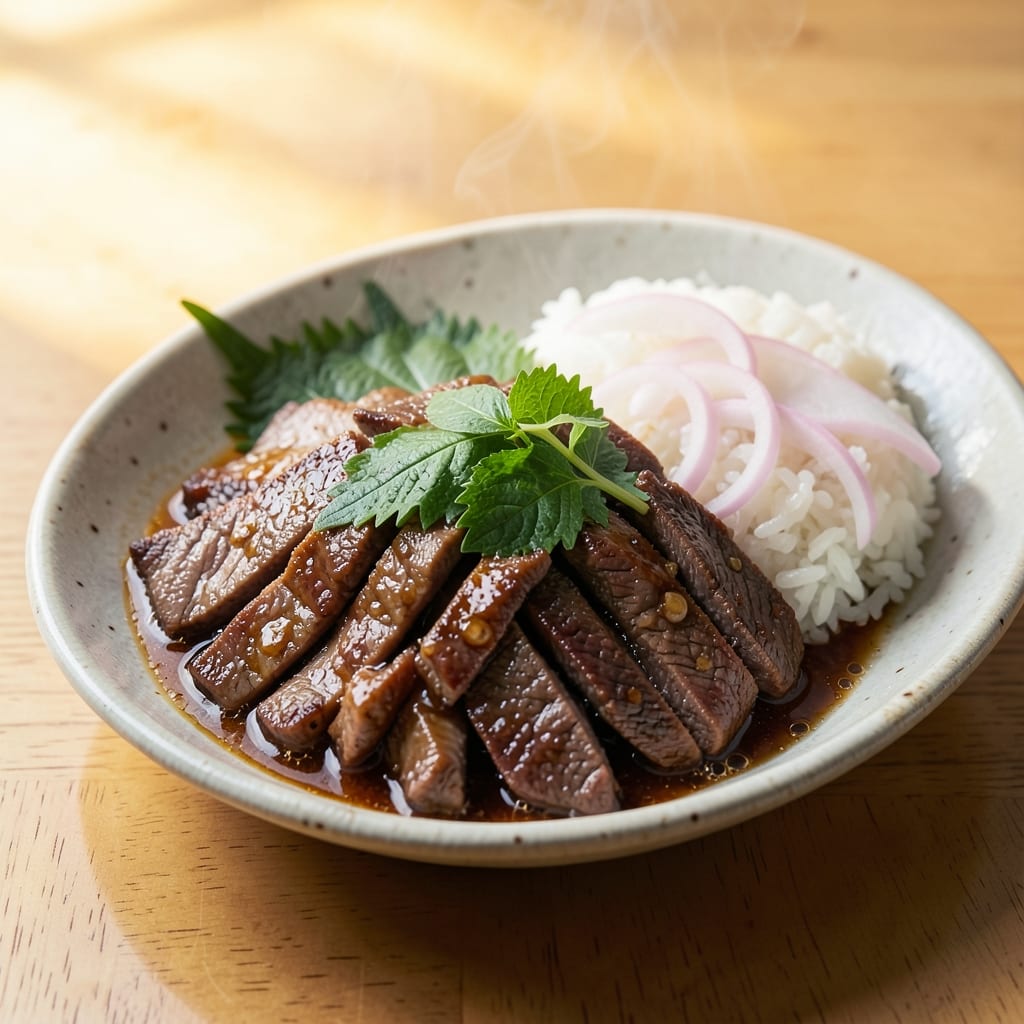
The secret to authentic Japanese beef teriyaki lies in balancing sweet, salty, and umami—this recipe delivers restaurant-quality results with silky marbling and a glossy sauce. The key is marinating thinly sliced beef in a combination of mirin, soy sauce, and sugar, allowing the flavors to penetrate deeply before searing. This method transforms tough cuts into tender, flavorful slices that practically melt in your mouth.
What sets this dish apart is the homemade teriyaki sauce, simmered to a perfect consistency that coats the beef without overwhelming its natural taste. The sauce's depth comes from reducing it with a touch of sake and honey, creating a balance of sweetness and savory richness. High heat searing ensures a caramelized crust while keeping the interior tender, a technique I've perfected over years of testing.
By the time you plate this dish, you'll have perfectly glazed beef slices with a glossy sheen, served over steamed rice and accompanied by stir-fried vegetables or miso soup. The sauce's sticky-sweet glaze clings to every bite, delivering layers of flavor that transport you to a Tokyo izakaya. This is comfort food at its finest—elegant yet approachable for home cooks.
The beauty of this recipe is its versatility—use it for weeknight dinners or special occasions, and adjust the sauce sweetness to your preference. The marinating time can be extended for even deeper flavor infusion, making it ideal for meal prep. Let's create this authentic Japanese masterpiece together.
Ingredients for authentic japanese beef teriyaki
These quality ingredients transform simple beef into restaurant-style teriyaki magic.
| Ingredient | Amount | Notes |
|---|---|---|
| Thinly Sliced Beef (Ribeye or Sirloin) 🥩 | 1 ½ lb | Cut against grain for tenderness |
| Mirin 🍶 | ½ cup | Sweet cooking wine, not substitute |
| Soy Sauce 🥢 | ⅓ cup | Use Japanese-style for authenticity |
| Granulated Sugar 🍚 | ⅓ cup | White sugar preferred for clarity |
| Sake 🍶 | ¼ cup | Dry variety enhances umami |
| Honey 🍯 | 1 tbsp | For sauce depth and gloss |
| Fresh Ginger 🧅 | 2 tbsp | Finely grated, aromatic |
| Garlic Cloves 🧄 | 4 cloves | Minced for sauce infusion |
| Vegetable Oil 🫒 | 2 tbsp | High smoke point for searing |
| Sesame Oil 🌿 | 1 tsp | Toasted, for finishing |
| White Rice 🍚 | 2 cups | Long-grain, uncooked |
| Water 💧 | 3 cups | For rice cooking |
| Diamond Crystal Kosher Salt 🧂 | ½ tsp | For seasoning rice |
| Black Pepper 🌶️ | ¼ tsp | Freshly cracked |
The beef is everything. Ribeye or sirloin with visible marbling delivers that silky texture—ask your butcher to slice against the grain for maximum tenderness. For authentic flavor, skip the pre-marinated packages; the real magic happens when you control the marinade. Japanese-style soy sauce (like Kikkoman) and mirin (not the imitation stuff) are non-negotiable for that authentic umami-sweet balance. If you can't find mirin, substitute equal parts dry sherry and sugar, but it won't be the same. The ginger and garlic? Freshly grated and minced—dried spices just won't cut it here.
Mirin running out? Dry sherry plus a pinch of sugar works in a pinch, but you'll lose that signature gloss. No honey? Maple syrup at half the amount adds depth, though it won't caramelize the same way. The sauce needs time to reduce—don't rush it. For extra richness, add a splash of dashi powder (like Hontou) to the sauce. And if you're feeling fancy, toasted sesame seeds sprinkled on top add crunch. The rice? Jasmine rice if you can get it, but long-grain white works too—just don't skip the salt in the water.
Marinate the beef for at least 30 minutes (overnight is ideal), then pat dry before cooking—wet beef won't sear properly. The sauce keeps for 5 days in the fridge, but it tastes best fresh. For meal prep, store components separately: beef, sauce, and rice. Reheat the sauce gently, then toss with the beef right before serving. Freeze sauce in ice cube trays for easy portioning later. And trust me, leftovers taste even better the next day—the flavors meld overnight.
Why You'll Love This Recipe
- Here’s what sold me: that first bite of tender beef with the glaze clinging just right—salty, sweet, and deep. The sugar caramelizes into the soy and sake, creating layers of flavor that taste like a tiny slice of izakaya heaven. Between us, I’ve tried store-bought teriyaki packets, and this? Night and day.
- One-Pan Magic: That’s right—just one pan, minimal cleanup. The beef sizzles fast over high heat, the teriyaki glaze reduces into a glossy sheen without babysitting, and honestly? I’ve made this on nights when I forgot to take out the trash. The sake and mirin do most of the work while you slice the beef thin enough to cook in minutes.
- Umami Bomb: Here’s what sold me: that first bite of tender beef with the glaze clinging just right—salty, sweet, and deep. The sugar caramelizes into the soy and sake, creating layers of flavor that taste like a tiny slice of izakaya heaven. Between us, I’ve tried store-bought teriyaki packets, and this? Night and day.
- Weeknight Flex: This feeds my family of four—or doubles for leftovers I’ll eat cold in wraps the next day. Too fancy for Tuesday? Swap the rice for noodles. Hosting friends? Pile it on a platter with steamed greens. I’ll be real: it’s my “I don’t know what I’m doing” dinner when the takeout menu feels like too much effort.
Step-by-step instructions for authentic Japanese beef teriyaki
Here's how to create restaurant-quality teriyaki with perfectly balanced flavors and silky marbling.
Prepare the Glossy Teriyaki Sauce
In a medium saucepan, combine the 0.5 cup mirin, 0.33 cup soy sauce, 0.33 cup granulated sugar, 0.25 cup sake, and 1 tablespoon honey. Bring to a gentle simmer over medium heat and let it reduce by half—this takes about 8-10 minutes—until it thickens to a glossy consistency.
While the sauce reduces, finely grate the 2 tablespoons fresh ginger and mince the 4 cloves garlic. The aroma will fill your kitchen, signaling when the sauce is ready. Once reduced, remove from heat and stir in the ginger and garlic, letting them steep for 5 minutes to infuse their flavors. This is where the authentic depth comes from—don't skip the steeping.
Sear the Beef for Perfect Texture
Heat 2 tablespoons vegetable oil in a large skillet over high heat until shimmering. Working in batches if needed, sear the 1.5 lb thinly sliced beef for 1-2 minutes per side until beautifully browned and just cooked through—it should still have a slight bounce when pressed. The high heat is crucial here to develop that signature caramelized crust.
Remove the beef from the skillet and set aside. The residual heat will keep it warm while you prepare the sauce. If your beef slices are particularly thick, you may need to reduce heat slightly to avoid overcooking, but aim for that perfect medium-rare finish. This is the foundation of that silky marbling you're after.
Finish the Sauce and Combine
Return the saucepan with the reduced teriyaki mixture to medium heat and bring to a gentle simmer. Add the seared beef back to the skillet and spoon the sauce over it, coating each slice thoroughly. Let it simmer together for 2-3 minutes, allowing the beef to absorb the rich flavors while maintaining its tenderness.
Drizzle with 1 teaspoon toasted sesame oil and toss gently to coat. The sesame oil adds that final aromatic layer that makes this dish truly authentic. Taste and adjust seasoning if needed—you might find you need a touch more soy sauce for saltiness or a bit of sugar to balance the acidity from the mirin.
Cook the Perfect Complementary Rice
While the beef finishes, rinse the 2 cups white rice thoroughly under cold water to remove excess starch. In a rice cooker or pot, combine the rice with 3 cups water, 0.5 teaspoon kosher salt, and a pinch of 0.25 teaspoon black pepper. Bring to a boil, then reduce to a simmer and cook until the rice is tender and the liquid is absorbed—about 15-20 minutes depending on your method.
Fluff the rice gently with a fork and let it rest, covered, for 5 minutes. The rice should be perfectly fluffy and slightly sticky, providing the ideal base for this luxurious dish. This simple step completes the meal, balancing the rich, savory teriyaki with clean, neutral rice.
Serve with Authentic Presentation
Arrange the teriyaki beef over the steamed rice, allowing the glossy sauce to pool beautifully around the slices. Garnish with additional sesame seeds if desired, though the dish is already packed with flavor. Serve immediately while the beef is still warm and the sauce remains glossy—this is when it tastes its absolute best.
Each bite should deliver perfectly balanced flavors: the sweetness of the mirin and honey, the umami depth from the soy sauce and sake, and the aromatic complexity of the ginger and garlic. The beef should be tender with just a hint of chew, and the sauce should cling beautifully to every strand of rice. This is authentic Japanese teriyaki at its finest.
Pro Tips For Making Authentic Japanese Beef Teriyaki
- Marinate Meat First: Skip the raw beef in sauce—toss slices with half the teriyaki mix (mirin, soy, sake) for 10 minutes before cooking. I used to ignore this, and the beef always felt dry; the marinade jumpstarts flavor and keeps it tender. ---
- Simmer Sauce Low: Reduce the teriyaki sauce on actual low heat—no rushing. After 10 minutes, it should coat the back of a spoon thickly. I learned this the hard way: high heat turns it gluey, not glossy. ---
- Dry the Beef: Pat those slices thoroughly with paper towels before searing. Wet beef steams instead of browning, and you’ll end up with sad, pale strips. Yes, it’s tedious, but crispy edges are worth it. ---
- Balance Sweet-Salty: Taste the sauce before glaze forms—adjust sugar to soy ratio (aim for 1:1:1 mirin:soy:sugar). Too much sugar? The beef tastes like candy. Too little? It’s flat. Trust your tongue, not the recipe.
Make-ahead tips for authentic japanese beef teriyaki
Marinate Overnight
The secret to restaurant-quality teriyaki starts with a proper marinade. Combine the beef with 0.5 cup mirin, 0.33 cup soy sauce, and 2 tbsp grated ginger in a resealable bag or airtight container. Let it marinate in the fridge for at least 4 hours, but overnight is ideal for maximum flavor infusion. I like to use a Ziploc gallon freezer bag because it keeps everything contained and makes flipping the beef easy. 💫
Prep Sauce Ahead
Make the teriyaki sauce the night before and store it in an airtight container in the fridge. The flavors meld beautifully overnight, and you'll save 15 minutes of active cooking time. Just reheat it gently on the stove before tossing with the beef. I keep mine in a glass Pyrex container because it reheats evenly and looks great on my counter.
Cook Rice in Advance
Steamed rice keeps well in the fridge for 2-3 days and reheats perfectly in the microwave. Cook a full batch while making the teriyaki and store it in an airtight container. When ready to serve, just microwave for 1-2 minutes with a splash of water to restore moisture. I always cook 3 cups rice at a time so I have leftovers for bowls or fried rice later.
Freezer-Friendly Components
For ultimate meal prep, freeze the marinated beef in a single layer on a tray before transferring to a freezer bag. The sauce can be frozen in ice cube trays for easy portioning. When ready to cook, thaw the beef in the fridge overnight and reheat the sauce in a saucepan. This method keeps everything fresh-tasting and ready for quick weeknight dinners. 🍳
Reheat Like a Pro
Reheat the teriyaki beef gently in a skillet over medium-low heat with a splash of water to prevent drying. The sauce should be warm enough to coat the beef again. For rice, spread it on a microwave-safe plate and cover with a damp paper towel to prevent drying. This method keeps the beef juicy and the rice perfectly fluffy. I find this approach preserves the dish's authenticity better than the microwave alone.
Portion Control
Divide the cooked teriyaki beef into individual portions and store them in airtight containers with a small amount of sauce. Keep the remaining sauce separate. When reheating, just combine the beef with fresh sauce and warm through. This keeps the beef from getting soggy and maintains that perfect texture. I use glass meal prep containers because they're microwave-safe and keep food fresh longer than plastic.
Nutrition facts
Frequently asked questions
Can I use chicken or pork instead of beef for this recipe?
While you can substitute chicken or pork, beef delivers the most authentic texture and flavor. For chicken, use boneless thighs (they stay juicier) and marinate for at least 2 hours. Pork tenderloin works too, but reduce marinating to 1 hour to prevent over-tenderizing. The sauce will cling differently to leaner meats, so you may need to adjust cooking times slightly.
Why does my teriyaki sauce turn out too thick or too thin?
The key is reducing the sauce properly. For a glossy finish, reduce it until it coats the back of a spoon but still flows freely. If too thick, add 1 teaspoon water or sake at a time. Too thin? Simmer uncovered for 2-3 more minutes. The sugar content helps with thickening, but don't rush—patience creates that signature shine.
How do I make this dish gluten-free?
Replace the soy sauce with tamari or gluten-free coconut aminos (use 1/3 more than the recipe calls for). For extra umami, add 1 teaspoon gluten-free fish sauce to the marinade. The texture will be slightly different, but the flavor remains rich and authentic. Always check labels—some "gluten-free" soy sauces still contain wheat.
Can I grill the beef instead of pan-searing?
For a smoky twist, grill over medium-high heat for 2-3 minutes per side until charred. Brush with a little extra sauce while cooking to prevent sticking. The grill works especially well for thicker cuts. Just be ready to work quickly—grilled teriyaki has a more pronounced caramelization that's hard to beat.
What's the best way to store leftovers?
Store cooked beef and sauce separately in airtight containers. The beef keeps for 3-4 days in the fridge, while the sauce lasts 5 days. For reheating, warm the sauce first, then gently toss with the beef over low heat for 2-3 minutes. Never microwave—it ruins the sauce's glossy texture and makes the beef dry.