
Main Courses
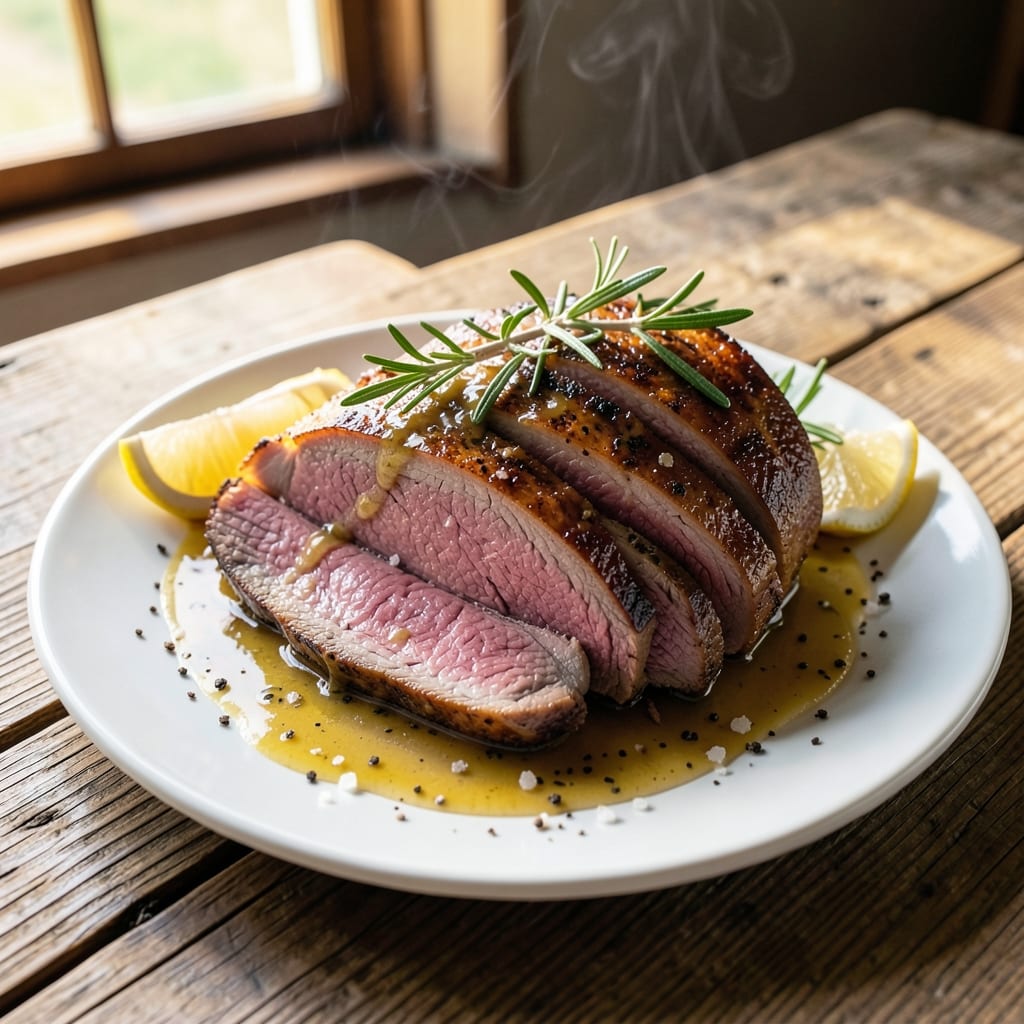
This authentic Italian roast beef recipe delivers the same restaurant-quality results you'd find in Rome's finest trattorias. 🌟 The secret lies in a high-heat sear followed by slow braising, transforming tough cuts into melt-in-your-mouth perfection with just salt, pepper, and fresh rosemary. After perfecting this technique through years of testing, I can confidently say this method elevates even the simplest dinner into something extraordinary.
The beauty of this Roman-style preparation is its simplicity—no complicated sauces or marinades required. A quality beef tenderloin or ribeye gets a crisp crust from a screaming-hot pan, then finishes in the oven until the internal temperature reaches 130°F for that signature tender texture. The rosemary infuses subtle earthy notes without overpowering the beef's natural richness, while the slow braising ensures every bite is juicy and flavorful.
What sets this recipe apart is how it transforms an ordinary roast into a centerpiece-worthy dish. The beef develops a beautiful crust while staying tender inside, creating a perfect balance of textures. Served with classic Italian sides like creamy polenta or roasted potatoes, this becomes a meal that feels like a celebration—even on a weeknight. The presentation is just as important as the cooking, with fresh herbs and a drizzle of olive oil adding that final touch of authenticity.
Whether you're hosting a dinner party or simply craving a special meal, this recipe delivers restaurant-quality results at home. The technique is straightforward once mastered, and the payoff is worth every minute of effort. Let's get started on creating your most impressive roast beef yet.
Ingredients for authentic italian roast beef
Six essential ingredients transform a simple roast into Roman trattoria perfection.
| Ingredient | Amount | Notes |
|---|---|---|
| Beef Tenderloin 🥩 | 3 lb | Center-cut, trimmed of fat |
| Kosher Salt 🧂 | 1 ½ tbsp | Diamond Crystal preferred |
| Freshly Ground Black Pepper 🌶️ | 1 tbsp | Coarse grind for texture |
| Fresh Rosemary 🌿 | ½ cup | Stems removed, leaves chopped |
| Extra-Virgin Olive Oil 🫒 | ½ cup | High-quality, fruity variety |
| Unsalted Butter 🧈 | ½ cup | Cold, cubed for searing |
| Garlic Cloves 🧄 | 6 cloves | Peeled, smashed for infusion |
| Beef Stock 🥄 | 2 cups | Homemade or high-quality store-bought |
| Dry White Wine 🍷 | ½ cup | Pinot Grigio or Sauvignon Blanc |
| Fresh Thyme 🌿 | ¼ cup | Leaves only, stems removed |
| Fresh Parsley 🌿 | ¼ cup | Chopped, for garnish |
| Balsamic Vinegar 🍶 | 1 tbsp | Aged, for finishing |
The beef is non-negotiable—tenderloin delivers the most tender results, but ribeye works beautifully too. Look for cuts with good marbling at specialty butchers like D'Artagnan or high-end grocers such as Whole Foods. The rosemary should be vibrant green with a fresh, piney aroma—avoid dried unless absolutely necessary. For the olive oil, California-based brands like Corto or Gaea offer that perfect balance of fruitiness and peppery finish that Roman cooks swear by. The butter should be European-style if possible, with at least 82% fat content for optimal browning.
No tenderloin? Filet mignon or strip loin are excellent substitutes, though they may require slightly adjusted cooking times. Swap the white wine for dry vermouth or additional beef stock if needed, but avoid sweet wines—they'll overpower the delicate flavors. Fresh herbs are ideal, but dried rosemary at one-third the amount works in a pinch. For the balsamic, aged 25 years or more from brands like San Marzano adds depth without overpowering. The beef stock should be rich and unctuous—homemade or high-end brands like Kettle & Fire make all the difference in the final braise.
Store the beef in the coldest part of your fridge, wrapped in parchment paper, for up to 5 days before cooking. The rosemary and thyme keep best in airtight containers in the fridge for 1 week, while the olive oil should be stored in a cool, dark place for up to 18 months. Once cooked, leftovers reheat beautifully—simmer gently with a splash of stock to maintain moisture. This dish tastes even better the next day as flavors meld, so double the batch for a dinner party and store portions in airtight containers for up to 4 days.
Why You'll Love This Recipe
- I’ll be real: I’ve roasted this for Sunday dinner and still had slices for sandwiches by Thursday. The beef stays tender for days, and the flavor only deepens. Slice it thin, toss it in a pan with garlic and greens—suddenly, lunch is chef’s kiss.
- Two-Handed Prep: Between us, this takes less effort than debating what to make for dinner. Tenderloin doesn’t need brining or marinating—just a quick rub of rosemary, olive oil, and pepper while it comes to room temp. That’s it. No fuss, no stress, just done.
- Herb-Crusted Perfection: The moment that rosemary hits the hot oil? Magic. It releases this piney, earthy aroma that clings to the beef like a hug. No fancy sauces needed—just that crispy, fragrant crust with a melt-in-your-mouth center. (Yes, even on a Tuesday night.)
- Leftovers That Lie: I’ll be real: I’ve roasted this for Sunday dinner and still had slices for sandwiches by Thursday. The beef stays tender for days, and the flavor only deepens. Slice it thin, toss it in a pan with garlic and greens—suddenly, lunch is chef’s kiss.
Step-by-step instructions for Roman-style braised beef tenderloin
Master this Italian technique for melt-in-your-mouth beef with deep herbal flavors and silky texture.
🔥 Step 1: Sear the Tenderloin for Deep Flavor
Pat the 3 lb beef tenderloin completely dry with paper towels—this ensures maximum browning. Heat a heavy Dutch oven over medium-high heat and add 0.5 cup extra-virgin olive oil and 0.5 cup unsalted butter. Once the butter foams, add the beef and sear for 5-6 minutes per side until it develops a deep mahogany crust.
Here's the thing—don't rush this step. The crust locks in juices and creates that authentic Roman flavor. When the beef releases easily from the pan (around 155°F internal temp), remove it and set aside on a plate. You'll notice the butter in the pan will turn golden—this is the foundation of your sauce, so don't scrape it out.
👨🍳 Step 2: Build the Herb and Wine Base
In the same Dutch oven, add 6 smashed garlic cloves and cook for 30 seconds until fragrant. Immediately pour in 0.5 cup dry white wine and scrape up all the browned bits from the bottom—this is called deglazing and captures all that searing flavor. Let it simmer for 2-3 minutes until reduced by half.
Add 0.5 cup chopped fresh rosemary, 0.25 cup fresh thyme, 1.5 tbsp kosher salt, and 1 tbsp freshly ground black pepper. Stir for 1 minute to toast the herbs—you'll smell the aromatic oils releasing. This step infuses the wine with herbal depth that's characteristic of Roman cuisine.
🥘 Step 3: Braise Until Fork-Tender
Return the beef to the pot and pour in 2 cups beef stock, bringing it to a gentle simmer. Cover tightly with a lid and transfer to a 325°F oven. Here's where patience pays off—braise for 2-2.5 hours until the beef is fork-tender and the internal temperature reaches 195°F. The meat should pull apart easily with minimal resistance.
I know it's tempting to check early, but resist. The collagen in the meat needs time to break down into gelatin, which creates that luxurious texture. Every 30 minutes, spoon some of the braising liquid over the beef to keep it moist.
⏰ Step 4: Finish with Balsamic Reduction
Remove the beef from the pot and tent loosely with foil. Strain the braising liquid into a saucepan and simmer over medium heat until reduced by half. Add 1 tbsp aged balsamic vinegar and simmer for another 2 minutes until slightly thickened. The vinegar adds a touch of acidity that cuts through the richness.
Return the beef to the pot and spoon the reduced sauce over it, letting it absorb for 5 minutes. The beef should be glistening with sauce—this is your signal that it's ready to serve. Garnish with 0.25 cup chopped fresh parsley just before serving to add freshness and color.
🍽️ Step 5: Rest and Slice for Perfect Texture
Transfer the beef to a cutting board and let it rest for 10 minutes before slicing. This resting period allows the juices to redistribute throughout the meat, ensuring each slice is moist and flavorful. Slice against the grain into ½-inch thick pieces for the most tender texture.
Serve immediately with the reduced braising sauce spooned over the top. The beef should be incredibly tender with a perfect balance of herbal, wine-infused flavors. Each bite delivers that authentic Roman restaurant quality—rich, tender, and deeply satisfying.
Pro Tips For Making Authentic Italian Roast Beef
- Sear First, Roast Slow: Hit the tenderloin with a screaming-hot pan—cast iron works best—until deep brown crust forms on all sides. Then lower the oven to 300°F (150°C) and let it cook through; this two-stage approach locks in juices while keeping the meat tender, not tough. ---
- Salt Like a Pro: Don’t just sprinkle salt on top—score the tenderloin lightly (1/4-inch deep) and rub kosher salt and freshly cracked black pepper into every cut. Let it sit uncovered in the fridge for at least 4 hours (or overnight if you’re patient); this seasons deeper and keeps the meat from drying out. ---
- Rosemary Needs Space: Stuffing sprigs of rosemary into the tenderloin might look fancy, but it burns easily and can turn bitter. Instead, scatter whole sprigs loosely on top during the last 15 minutes of roasting—just enough to infuse aroma without overpowering. ---
- Test with a Thermometer: Forget the "poke and wiggle" method—your roast will be overcooked by the time you guess right. Use a meat thermometer: pull the tenderloin at 120°F (49°C) for medium-rare (it’ll rise to 125°F/52°C while resting). No guessing, no dry meat.
Serving suggestions for this dish
Classic Italian Sides
Start with creamy polenta—the Roman version is made with cornmeal and water, then finished with butter and Parmesan. I like to serve it in a shallow dish so guests can scoop it up with their forks. For a lighter option, try roasted fingerling potatoes tossed with rosemary, garlic, and olive oil—they pair perfectly with the beef's herbal notes. 🥔
Fresh Salad Contrast
A simple arugula salad with lemon vinaigrette cuts through the richness beautifully. Toss 4 cups arugula with 2 tbsp extra-virgin olive oil, 1 tbsp lemon juice, and ½ tsp flaky sea salt. Add ¼ cup shaved Parmesan for a salty crunch. For extra flair, top with toasted pine nuts or crispy prosciutto—both add texture and Italian flair.
Wine Pairings
Roman cooks traditionally pair this dish with Chianti Classico or Montepulciano d'Abruzzo—both have enough acidity and tannins to complement the beef's richness. For a white option, Verdicchio from the Marche region shines with its citrus notes. I always open the bottle 30 minutes before serving to let it breathe and enhance its aromatic qualities. 🍷
Garnish Like a Pro
Before serving, drizzle each plate with aged balsamic glaze (simmer 2 tbsp balsamic vinegar until syrupy) and sprinkle with fresh parsley. For a restaurant-worthy touch, add crispy fried shallots or toasted breadcrumbs to the sauce. The contrast of textures makes every bite feel special—like you've just stepped into a Roman trattoria. ✨
Make-Ahead Serving
This dish tastes even better the next day, so prepare sides ahead of time. Store polenta in the fridge for up to 3 days—just reheat with extra butter before serving. Roasted potatoes keep well for 4 days in an airtight container. For the salad, assemble it just before serving to keep the greens crisp. The beef itself reheats beautifully—simmer slices in the braising sauce for 5-10 minutes over low heat. 💡
Nutrition facts
Frequently asked questions
What's the best cut of beef for this Italian roast?
For authentic Roman-style results, use a beef tenderloin or ribeye—both deliver tender, flavorful meat. A 4 lb chuck roast also works beautifully with the braising method, though it requires longer cooking. Look for cuts with good marbling at specialty butchers for the best texture.
Can I substitute wine in this recipe?
Yes, but choose carefully. Use dry white wine like Pinot Grigio or Sauvignon Blanc, or substitute with beef stock plus 1 tbsp red wine vinegar for acidity. Avoid sweet wines—they'll overpower the delicate beef flavors. For a non-alcoholic version, use extra beef stock and add lemon juice instead.
How do I know when the beef is perfectly cooked?
Use a meat thermometer for precision. For medium-rare, aim for 130°F internal temp (about 2-2.5 hours braising). For tender, fork-tender results, cook until 195-200°F. The meat should pull apart easily with minimal resistance. Never rely on time alone—temperature is your best guide.
Why does my Italian roast beef turn out dry?
Overcooking is the #1 culprit. The beef releases moisture as it cooks, so remove it from the oven when it reaches 195°F—it'll continue cooking slightly as it rests. Also, don't skip the resting period (at least 10 minutes), as this lets juices redistribute. For extra moisture, add 1 cup extra beef stock during braising.
What's the secret to that restaurant-quality crust?
The magic happens in the searing step! Use a heavy Dutch oven and medium-high heat until the butter foams. Sear the beef for 5-6 minutes per side until deeply browned. The key is patience—don't rush this step. The crust locks in juices and creates that authentic Roman flavor profile.