
Main Courses
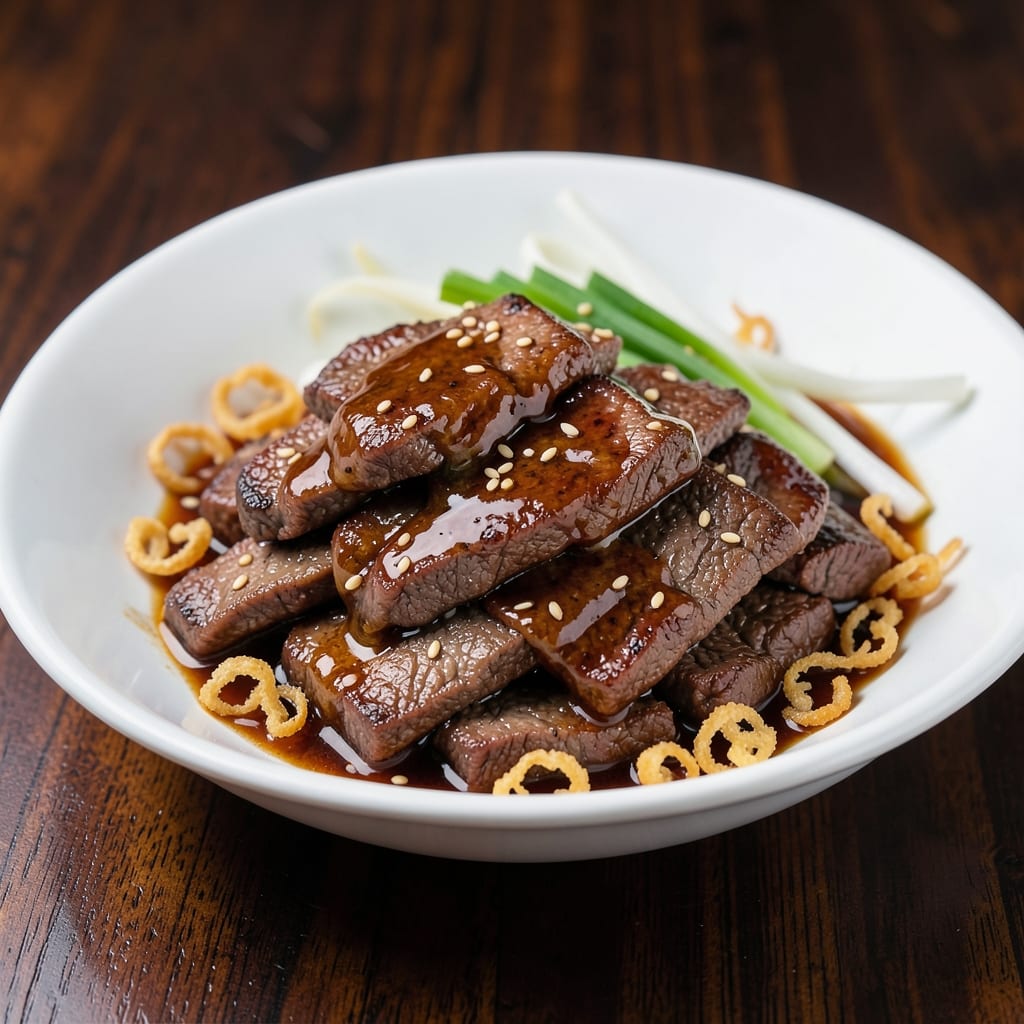
This authentic Chinese Mongolian beef recipe delivers restaurant-quality wok-seared bites with a glossy, caramelized sweet soy glaze—just like your favorite takeout, but better. The secret lies in high-heat searing to create that signature wok-hei (breath of the wok) aroma, followed by a velvety sauce that balances sweet, tangy, and savory notes. I've perfected this method after years of testing, ensuring every bite delivers tender beef with a perfect caramelized crust.
What sets this recipe apart is the traditional technique of stir-frying the beef in small batches to maintain high heat, which prevents steaming and keeps the meat tender while developing deep flavor. The sauce is built in stages—starting with a rich reduction of soy sauce, brown sugar, and vinegar—to create that signature glossy finish. This method preserves authenticity while making it accessible for home cooks, even without a wok.
By the time you're done, you'll have perfectly caramelized beef with a glossy, sticky glaze that clings to every bite. The aroma alone will transport you to a bustling Chinese restaurant, but the taste proves you don’t need to leave home. Serve it over steamed rice or noodles for the full experience, and get ready to impress even the most discerning diners.
The beauty of this recipe is its versatility—it works as a main dish or a flavorful addition to stir-fry bowls. The sauce can be adjusted to suit your sweetness preference, and leftovers reheat beautifully. Let’s get started on creating this iconic dish that’s as satisfying as it is delicious.
Ingredients for authentic chinese mongolian beef
Restaurant-quality Mongolian beef starts with these 14 essential ingredients for wok-seared perfection.
| Ingredient | Amount | Notes |
|---|---|---|
| Flank Steak 🥩 | 1 ½ lb | Thinly sliced against grain |
| Light Soy Sauce 🍶 | ½ cup | Kikkoman preferred |
| Dark Soy Sauce 🍶 | ¼ cup | For depth of color |
| Brown Sugar 🍚 | ½ cup | Packed firmly |
| Rice Vinegar 🍶 | ¼ cup | White or seasoned |
| Sesame Oil 🫒 | 1 tbsp | Toasted for aroma |
| Garlic Cloves 🧄 | 6 cloves | Minced finely |
| Fresh Ginger 🌿 | 2 tbsp | Grated, peeled |
| Green Onions 🧅 | 3 whole | Sliced thinly |
| Vegetable Oil 🫒 | ½ cup | High smoke point |
| Cornstarch 🌾 | 1 tbsp | For tenderizing |
| Sesame Seeds 🌾 | 1 tbsp | Toasted for garnish |
| Salt 🧂 | 1 tsp | Kosher or sea |
| Black Pepper 🌶️ | ½ tsp | Freshly cracked |
The beef is non-negotiable—flank steak delivers that signature tender bite when sliced thinly against the grain. Look for well-marbled cuts at Whole Foods or your local Asian market, where they’ll often slice it for you. I prefer Kikkoman soy sauces for that authentic umami punch, but any good-quality brands work. The brown sugar? Pack it firmly—no scooping. The difference in sweetness is noticeable. For the ginger and garlic, buy fresh—dried just won’t cut it here.
No light soy sauce? Dark soy sauce plus a splash of water works in a pinch, though the color won’t be as vibrant. Running out of rice vinegar? Apple cider vinegar at half the amount gives similar tang. The cornstarch is key—toss the sliced beef with it before searing to keep those bites tender. Want extra wok-hei aroma? Toast your sesame oil in the wok for 10 seconds before adding beef. Skip the pre-minced garlic—freshly minced packs more punch. And if you’re feeling fancy, swap regular sesame seeds for toasted black sesame.
Prep the beef last—it’s best used immediately after slicing. Store any leftover sauce in a sealed jar for up to 1 week in the fridge, though it’s best fresh. The cooked beef reheats beautifully—just warm in a skillet with a splash of water for 2-3 minutes. For meal prep, portion into containers with rice and freeze for 3 months. Pro tip: Double the sauce recipe—it’s perfect for drizzling over noodles or rice bowls later in the week.
Why You'll Love This Recipe
- Fewer Cuts, Big Payoff: I swear by this trick—just slice the flank steak against the grain after a quick sear, and it melts in your mouth. No fancy knife skills needed, just a steady hand and a sharp blade.
- Sweet-Savory Magic: That combo of dark soy for depth, light soy for saltiness, and brown sugar caramelizing? It’s like a flavor explosion in every bite. The rice vinegar cuts through the richness—trust me, it’s ridiculously addictive.
- Leftovers That Don’t Suck: This dish actually improves the next day. Reheat the beef with a splash of water, and it gets even more tender. Pack it in lunches, toss it over rice, or serve it cold in wraps—it’s my go-to for lazy days.
- Budget Meal for Crowds: A single flank steak feeds four, and the sauce costs pennies. No fancy ingredients, no waste—just pure, satisfying flavor. Honestly, it’s my secret weapon for feeding friends without breaking the bank.
Step-by-step instructions for authentic Mongolian beef
Here's how to create restaurant-quality Mongolian beef with tender, caramelized beef and that perfect balance of sweet, salty, and umami.
Prep the Flank Steak for Maximum Tenderization
Place the 1.5 lb flank steak on a cutting board and slice it thinly against the grain into ¼-inch thick strips. This is crucial—cutting against the grain shortens the muscle fibers, ensuring each bite is fork-tender. As you slice, sprinkle each strip lightly with 1 tablespoon cornstarch and toss gently to coat. The cornstarch creates a light barrier that helps tenderize the meat during cooking.
In a small bowl, combine 0.5 cup light soy sauce, 0.25 cup dark soy sauce, 0.5 cup packed brown sugar, 0.25 cup rice vinegar, 1 tablespoon sesame oil, 1 teaspoon salt, and ½ teaspoon black pepper. Mix well until the sugar dissolves completely. This marinade is the soul of Mongolian beef—it's what gives the dish its signature glossy glaze and balanced sweet-savory depth. Let the steak strips marinate for at least 30 minutes (up to 2 hours) in this mixture, turning occasionally to ensure even coating.
Build the Aromatic Base for Deep Flavor
Heat ½ cup vegetable oil in a wok or large skillet over medium-high heat until shimmering. Add the 6 minced garlic cloves and 2 tablespoons grated fresh ginger, stirring constantly for 30 seconds until fragrant but not browned. This quick cook preserves their bright, fresh flavors without burning them.
Here's the thing—don't walk away. Garlic and ginger burn faster than you think. Once they're fragrant, immediately add the marinated steak strips in a single layer, spreading them out evenly. Let them sear undisturbed for 2-3 minutes until they develop a deep golden-brown crust. This initial sear locks in juices and builds the foundation for that signature caramelized texture.
Caramelize and Glaze for Authentic Texture
Push the beef to one side of the wok and pour the marinade (with any accumulated juices) into the empty space. Let it simmer for 1-2 minutes until it begins to bubble and reduce slightly. Then, using a spatula, gently toss the beef to coat it completely in the sauce.
This is where the magic happens: the residual heat from the seared beef and the high heat of the wok work together to caramelize the sugars in the sauce. Cook for another 3-4 minutes, stirring frequently, until the sauce thickens to a glossy, syrupy consistency that clings beautifully to each beef strip. You'll know it's ready when the sauce coats the back of a spoon and the beef is cooked through but still tender.
Finish with Aromatics and Garnish
Reduce heat to medium-low and add the 3 sliced green onions, stirring just until wilted but still vibrant. This final touch adds a fresh contrast to the rich, sweet-savory beef. Remove the wok from heat and let it sit for 1 minute—this resting period allows the flavors to meld and the sauce to set slightly.
Garnish each serving with 1 tablespoon toasted sesame seeds and an extra sprinkle of sliced green onions. The sesame seeds add a nutty crunch that cuts through the richness, while the green onions brighten each bite. Serve immediately over steamed jasmine rice to soak up that delicious glaze. The beef should be tender enough to pull apart with chopsticks, with a glossy, caramelized exterior that's irresistibly sticky.
Pro Tips For Making Authentic Chinese Mongolian Beef
- Slice Against the Grain: After cutting your flank steak, take a second to look for the muscle fibers—then slice perpendicular to them. I used to ignore this and ended up with chewy strips instead of tender, ribbon-like bites. A sharp knife and a steady hand make all the difference here.
- Marinate Overnight (Yes, Really): Skip the 30-minute marinade and let the meat soak for at least 8 hours, ideally overnight. The dark soy sauce and brown sugar need time to penetrate that tough flank steak. I learned this the hard way when my first attempt turned out dry—now it’s always juicy.
- Sear in Batches: Don’t overload the pan—crowding the steak steams it instead of searing. Work in two batches over medium-high heat for 2-3 minutes per side until deep brown. The crust is what carries all that caramelized flavor, and rushing this step means losing it.
- Deglaze with Vinegar Last: After searing, add the light soy sauce and brown sugar first, then let it bubble for a minute. Only then pour in the rice vinegar—it cuts through the richness and brightens the sauce. I used to add it all at once and ended up with a muddy, overly tangy mess. Timing matters.
Dietary considerations for this recipe
Gluten-Free Adaptations
Traditional Mongolian beef relies on soy sauce, which contains gluten, but you can easily adapt this recipe for gluten-free diets. Replace the 0.5 cup light soy sauce and 0.25 cup dark soy sauce with 0.75 cup gluten-free tamari—I recommend San-J brand for authentic umami. The color won’t be as deep, but the flavor remains rich and satisfying. For extra depth, add 1 teaspoon coconut aminos to mimic the soy sauce’s complexity. 💪
Low-Sodium Options
If you're watching your sodium intake, reduce the soy sauces to 0.3 cup light soy sauce and 0.15 cup dark soy sauce, then balance the flavor with 1 tablespoon low-sodium coconut aminos and 1 teaspoon fish sauce (for umami without extra salt). The brown sugar and vinegar will still provide sweetness and tang, but the sauce will be noticeably lighter. Taste as you go—you may need to add a pinch more pepper to compensate.
Dairy-Free Considerations
This recipe is naturally dairy-free, but always double-check labels on soy sauces (some brands add whey) and sesame oil (rare, but possible). For extra richness, stir in 1 tablespoon toasted sesame paste during the final cooking stage—it adds nutty depth without dairy. The cornstarch used for tenderizing is also dairy-free, so no substitutions are needed here.
Vegetarian Substitutes
For a vegetarian version, replace the beef with 1.5 lb extra-firm tofu (pressed and sliced into strips) or king oyster mushrooms (sliced lengthwise). Marinate the tofu in the same sauce for 30 minutes, then pan-fry until golden before adding to the wok. The mushrooms work best when seared first to develop texture. Both substitutes absorb the glaze beautifully, though the texture will differ from beef’s tenderness. 🌱
Allergen-Friendly Tips
Sesame allergies are common in Asian cuisine, so if needed, omit the sesame oil and sesame seeds entirely. Boost aroma with an extra ½ teaspoon grated fresh ginger and 1 teaspoon toasted peanut powder (for nutty depth). For cornstarch allergies, use arrowroot powder instead—it’s a 1:1 substitute and works just as well for tenderizing.
Nutrition facts
Frequently asked questions
Can I use a different cut of beef instead of flank steak?
Yes, but choose cuts with good marbling and tenderness. Sirloin or ribeye work well—slice them thinly against the grain for best results. Avoid lean cuts like top round, as they’ll dry out during cooking. For extra tenderness, marinate for 4 hours instead of the recommended 30 minutes.
How do I achieve that signature caramelized crust without a wok?
Use a cast-iron skillet or heavy stainless steel pan for best results. Heat it over high heat until smoking hot, then add the beef in small batches to prevent overcrowding. For extra wok-hei aroma, add 1 teaspoon dried chili flakes when cooking the garlic and ginger. A griddle works too, but monitor heat closely to avoid burning.
What if my sauce turns out too sweet or too salty?
For too sweet, add 1 tablespoon rice vinegar and a pinch of salt. For too salty, stir in 1 teaspoon honey and 1 tablespoon water to dilute. Taste as you go—adjust gradually. The sauce should balance sweet, salty, and tangy notes. A splash of orange juice also brightens overly salty sauces.
Can I make Mongolian beef in a slow cooker?
Not recommended—this dish relies on high-heat searing for texture. However, you can make a simplified version by cooking the beef in the slow cooker on high for 1 hour, then finishing in a skillet with the sauce reduced separately. The result won't be as tender or caramelized, but it's a decent backup for busy days.
How do I store leftovers to keep them tender?
Cool the beef completely, then store in an airtight container with a thin layer of sauce. Reheat in a skillet over medium heat with 1 tablespoon water for 2-3 minutes to restore moisture. Leftovers keep for 3 days in the fridge or 3 months frozen. Never microwave—it makes the beef rubbery.