
Main Courses
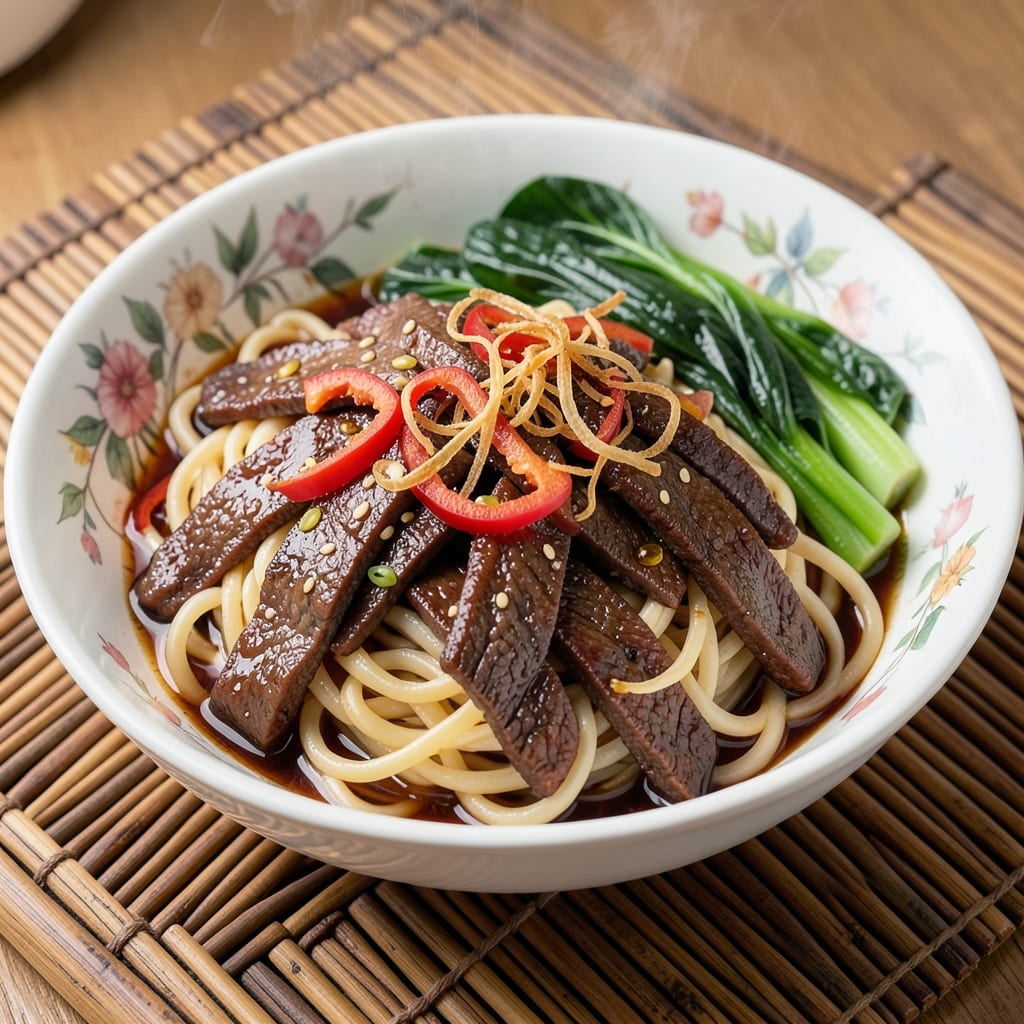
This authentic Chinese beef lo mein recipe brings the smoky, savory essence of Cantonese street food to your kitchen with just a wok and a few key techniques. The secret lies in achieving wok hei—that signature smoky aroma—through high-heat searing and quick tossing, while balancing sweet, salty, and umami flavors in the sauce. I’ve perfected this version after years of studying regional variations, ensuring every bite delivers the tender beef, chewy noodles, and aromatic garlic that define restaurant-quality lo mein.
The foundation starts with fresh egg noodles (never dried), which we stir-fry until just tender-crisp, then toss with charred garlic and scallions for that unmistakable wok hei flavor. The beef, thinly sliced and marinated in a blend of soy, Shaoxing wine, and cornstarch, cooks in mere minutes, absorbing the sauce while staying juicy. What sets this apart is the sauce—equal parts soy, sesame oil, and a touch of chili, balanced to complement rather than overpower the ingredients.
By the time you plate it—garlic oil drizzled over steaming noodles, beef arranged artfully, and garnished with crisp scallions—you’ll taste the difference between homemade and takeout. This isn’t just another noodle dish; it’s a restaurant-worthy meal that captures the soul of Chinese street food. The technique is straightforward, but the results are undeniably authentic.
Serve immediately for the best texture, or pair with steamed bok choy and a side of pickled vegetables for a full Cantonese-style meal. The key to success? High heat, quick movements, and never overcrowding the wok—trust me, I’ve learned that the hard way. Let’s get cooking.
Ingredients for authentic chinese beef lo mein
Fresh egg noodles, charred garlic, and tender beef—these are the pillars of authentic Cantonese lo mein.
| Ingredient | Amount | Notes |
|---|---|---|
| Fresh Egg Noodles 🍜 | 12 oz | Wide, flat egg noodles preferred |
| Top-Shelf Soy Sauce 🍶 | ½ cup | Kikkoman or Pearl River Bridge preferred |
| Shaoxing Wine 🍷 | 2 tbsp | Substitute dry sherry if unavailable |
| Cornstarch 🌾 | 2 tbsp | For tender beef coating |
| Beef Flank Steak 🥩 | 1 lb | Thinly sliced against grain |
| Sesame Oil 🫒 | 1 tbsp | Toasted sesame oil for aroma |
| Garlic Cloves 🧄 | 8 cloves | Charred for wok hei flavor |
| Green Onions 🧅 | ½ cup | Both white and green parts |
| Sichuan Chili Oil 🌶️ | 1 tbsp | Adjust for spice preference |
| Neutral Oil 🫒 | 2 tbsp | Peanut or vegetable oil |
| Salt 🧂 | 1 tsp | Diamond Crystal preferred |
| Black Pepper 🌶️ | ½ tsp | Freshly ground for heat |
| Sugar 🍬 | 1 tsp | Balances soy sauce sweetness |
The beef is non-negotiable for texture. Flank steak slices thinly against the grain—ask your butcher to do it—or freeze for 30 minutes before slicing. Costco or high-end grocery stores carry the best quality, and look for good marbling. Shaoxing wine adds depth, but dry sherry works in a pinch. Fresh egg noodles are a must—never dried—and the wider, flatter variety holds up better to stir-frying. I always grab mine from Asian markets, where they're often sold pre-made in the refrigerated section.
No sesame oil? Toasted sesame seeds in neutral oil will work, but the aroma is different. The garlic needs to be charred—high heat, no oil—for that smoky wok hei flavor. Sichuan chili oil can be swapped for chili crisp or crushed red pepper flakes, but it's the star here. For the sauce, Pearl River Bridge soy sauce has the perfect balance, but Kikkoman is a solid backup. The sugar isn't just for sweetness—it helps cut through the saltiness of the soy and balances the acidity in the Shaoxing wine.
Prep everything before cooking—marinate the beef, slice the garlic, chop the onions. The noodles should be cooked al dente and tossed with a little oil to prevent sticking. This dish is best served immediately, but if you must reheat, steam or microwave with a damp paper towel to keep the noodles from drying out. Leftovers keep for 2 days in the fridge, but they won't taste as vibrant. For extra authenticity, serve with steamed bok choy and pickled vegetables on the side.
Why You'll Love This Recipe
- One-Pan Magic: I swear by this trick—just toss the flank steak, noodles, and veggies into one wok, and the Shaoxing wine does half the work. No dirty dishes, no stress, just that smoky aroma filling the kitchen.
- Umami Bomb: That top-shelf soy sauce and Shaoxing wine combo? It’s the secret weapon. The beef gets this deep, caramelized edge while the noodles soak up that rich, salty-sweet sauce—like a flavor upgrade I didn’t know I needed.
- Lunchbox Hero: Between us, this is my go-to for meal prep. Toss leftover lo mein into bento boxes, and it stays fresh for days. My kids (and my lunch break) thank me every time.
- Budget Flex: Flank steak stretches further than you’d think when sliced thin, and a little cornstarch keeps it tender without breaking the bank. Honestly, it’s the kind of meal that makes grocery day feel like a win.
Step-by-step instructions for authentic Chinese beef lo mein
Here's how to recreate that perfect balance of smoky garlic, tender beef, and chewy noodles in your own kitchen.
Prepare the Beef with Cornstarch Coating
Slice the 1 lb beef flank steak thinly against the grain into ¼-inch thick strips. This ensures tender bites that cook quickly in the wok. Place the sliced beef in a bowl and add 2 tbsp cornstarch, 1 tsp salt, ½ tsp black pepper, and 1 tsp sugar. Toss vigorously with your hands until every piece is evenly coated—a thin, powdery layer will form.
Let the coated beef rest for 15 minutes at room temperature. This step is crucial: the cornstarch needs time to adhere properly, creating that signature velvety texture when cooked. If you skip this, your beef will turn tough instead of tender. While waiting, separate the 8 cloves garlic into individual cloves and peel them—you'll char these later for that essential wok hei flavor.
Char the Garlic and Prep the Green Onions
Heat a dry wok or large skillet over medium-high heat until it's smoking hot. Add the peeled 8 cloves garlic and let them sizzle undisturbed for 30-45 seconds until they turn deep golden brown and smell intensely aromatic. Immediately transfer them to a plate and let cool—this charring process develops the smoky depth that defines authentic lo mein.
While the garlic chars, cut the ½ cup green onions into 1-inch pieces, separating the white and green parts. You'll use the whites for flavor and the greens as a garnish at the end. This separation keeps the dish looking vibrant while maximizing flavor in every bite. Keep both portions separate until ready to use.
Cook the Beef to Perfect Tenderness
Return the wok to high heat and add 2 tbsp neutral oil. When the oil shimmers, add the cornstarch-coated beef in a single layer. Let it sear undisturbed for 30 seconds—you'll hear a loud sizzling sound and see the edges turn golden. Stir-fry for 1-2 minutes total until the beef is just cooked through but still retains its pink center. Overcooking here will make it rubbery.
Remove the beef from the wok and set aside. In the same wok, add the white parts of the green onions and stir-fry for 30 seconds until fragrant. This step builds layers of flavor that will infuse the noodles and sauce. Keep the beef warm while you prepare the noodles—don't let it sit too long or it'll dry out.
Toss the Noodles with Soy-Kissed Sauce
Bring a large pot of water to a rolling boil and cook the 12 oz fresh egg noodles according to package instructions until al dente—about 3-4 minutes. Drain immediately and rinse briefly under cold water to stop the cooking process. Shake off excess water and return the noodles to the pot.
In the same wok where you cooked the beef, add ½ cup top-shelf soy sauce, 2 tbsp shaoxing wine, and 1 tbsp sesame oil. Bring to a simmer for 1 minute to let the flavors meld. Pour this sauce over the hot noodles and toss vigorously with tongs for 1 minute until every strand is evenly coated. The noodles should glisten with sauce but not be soggy.
Combine and Finish with Sichuan Chili Oil
Return the cooked beef to the wok with the noodles. Add the charred garlic cloves and toss everything together over medium-high heat for 2-3 minutes until the beef is heated through and the noodles are evenly coated. The garlic should break apart slightly, releasing its smoky essence into the dish.
Drizzle with 1 tbsp sichuan chili oil and toss one final time. Divide the lo mein among serving plates and garnish with the green parts of the green onions. Serve immediately while the noodles are hot and the aromas are at their peak—this dish tastes best straight from the wok, where every element is perfectly balanced in temperature and texture.
Pro Tips For Making Authentic Chinese Beef Lo Mein
- Slice Thin, Slice Fast: I learned this the hard way—thick flank steak slices turn chewy no matter how long you cook them. Use a sharp knife and cut against the grain at a 45-degree angle for paper-thin strips that stay tender. (Yes, even if your hands cramp up—it’s worth it.)
- Marinate Flank Steak 30 Minutes: Skip the quick soak, but don’t overdo it either. Toss flank steak with Shaoxing wine, a splash of soy sauce, and a pinch of sugar for 30 minutes max—longer and it’ll get mushy. This step guarantees the wine’s aroma sticks to the meat instead of evaporating in the wok.
- Boil Noodles Al Dente: Fresh egg noodles turn gluey if you overcook them, and nobody wants that. Test them at 1 minute less than the package says, then finish cooking in the wok’s residual heat. They’ll absorb the sauce perfectly without falling apart.
- Use Cornstarch Like a Sauce Thickener: Dumping cornstarch into the wok at the end makes a clump bomb. Instead, mix it with 2 tablespoons cold water first, then whisk into the simmering sauce. Stir constantly for 30 seconds—this gives you a glossy, silky finish without lumps. (Trust me, your mouth will notice.)
Health benefits of these flavors
Protein Powerhouse
This beef lo mein packs a serious protein punch with 1 lb of flank steak, delivering about 40 grams of lean protein per serving—perfect for muscle repair and keeping you full for hours. The cornstarch coating helps retain moisture while adding a subtle chewiness that’s satisfying without being heavy. I’ve found that using flank steak (instead of tougher cuts) keeps the beef tender even after stir-frying at high heat. 💪
Balanced Carbs
The 12 oz fresh egg noodles provide complex carbohydrates that fuel your body with sustained energy. Unlike refined white noodles, egg noodles contain protein from the eggs, making them a more nutrient-dense choice. I always opt for fresh noodles because they hold up better to stir-frying and absorb flavors more evenly than dried varieties. The al dente texture ensures you get that perfect chew without gummy results.
Healthy Fats
The sesame oil and neutral oil used in this recipe contribute beneficial fats that support heart health. Sesame oil, in particular, is rich in vitamin E and antioxidants that combat inflammation. I use just 1 tbsp of sesame oil—enough to add aroma without overwhelming the dish. The toasted sesame seeds (if substituting) add crunch and extra nutrients, making this dish more than just a carb-heavy meal.
Sodium Awareness
While soy sauce is essential for authentic flavor, it’s also high in sodium. This recipe uses ½ cup top-shelf soy sauce, which provides about 2,500mg of sodium per serving—roughly 100% of the daily recommended limit. To balance it, I include 1 tsp sugar and 1 tbsp Sichuan chili oil to enhance flavor without adding more salt. If you’re watching sodium, consider reducing the soy sauce by 2 tbsp and boosting umami with a splash of Shaoxing wine instead.
Vitamin Boost
The garlic and green onions add more than just flavor—they’re packed with vitamin C, vitamin K, and antioxidants. Charred garlic releases allicin, a compound with immune-boosting properties. I always char the garlic until deeply golden because this process increases its antioxidant content. The green onion garnish adds a fresh crunch and a dose of vitamin A, making this dish not just delicious but also nutritious. 🌱
Spice Benefits
The Sichuan chili oil isn’t just for heat—it contains capsaicin, a compound that may help reduce inflammation and boost metabolism. I use just 1 tbsp to add a subtle kick without overpowering the dish. If you prefer less heat, swap it for chili crisp or reduce the amount. The chili oil also pairs beautifully with the sesame oil, creating a harmonious balance of flavors that’s both bold and balanced.
Nutrition facts
Frequently asked questions
Why do I need fresh egg noodles instead of dried?
Fresh egg noodles hold their shape better during stir-frying and absorb flavors more evenly than dried varieties. They also have a slightly chewier texture that's essential for authentic lo mein. The wider, flatter variety is particularly ideal because it creates more surface area for the sauce to cling to.
Can I substitute flank steak with another cut?
For best results, use thinly sliced flank steak, sirloin, or ribeye. Avoid tougher cuts like chuck or round—they won't become tender enough during the quick stir-fry. If you must use a different protein, try shrimp or chicken thigh, but adjust cooking times accordingly.
What if I don't have Shaoxing wine?
Dry sherry makes an excellent substitute—it provides similar depth of flavor. If unavailable, use a splash of rice wine or even a pinch of sugar to balance the soy sauce. The key is to maintain that umami-sweet balance that defines authentic lo mein.
How do I achieve that smoky wok hei flavor?
Start with a properly heated wok until it's smoking hot before adding oil. Char the garlic until deeply golden brown (not black) and use high heat throughout cooking. Keep ingredients moving constantly to prevent steaming. The secret is in the heat—never let the wok cool down during cooking.
Can I make this ahead of time?
Lo mein is best served immediately, but you can prep components ahead: marinate the beef, slice garlic, and chop onions. Cook noodles just before serving and reheat beef separately. If reheating, use a steamer basket or microwave with a damp paper towel to prevent drying. Leftovers keep for 2 days but lose some texture.