
Main Courses
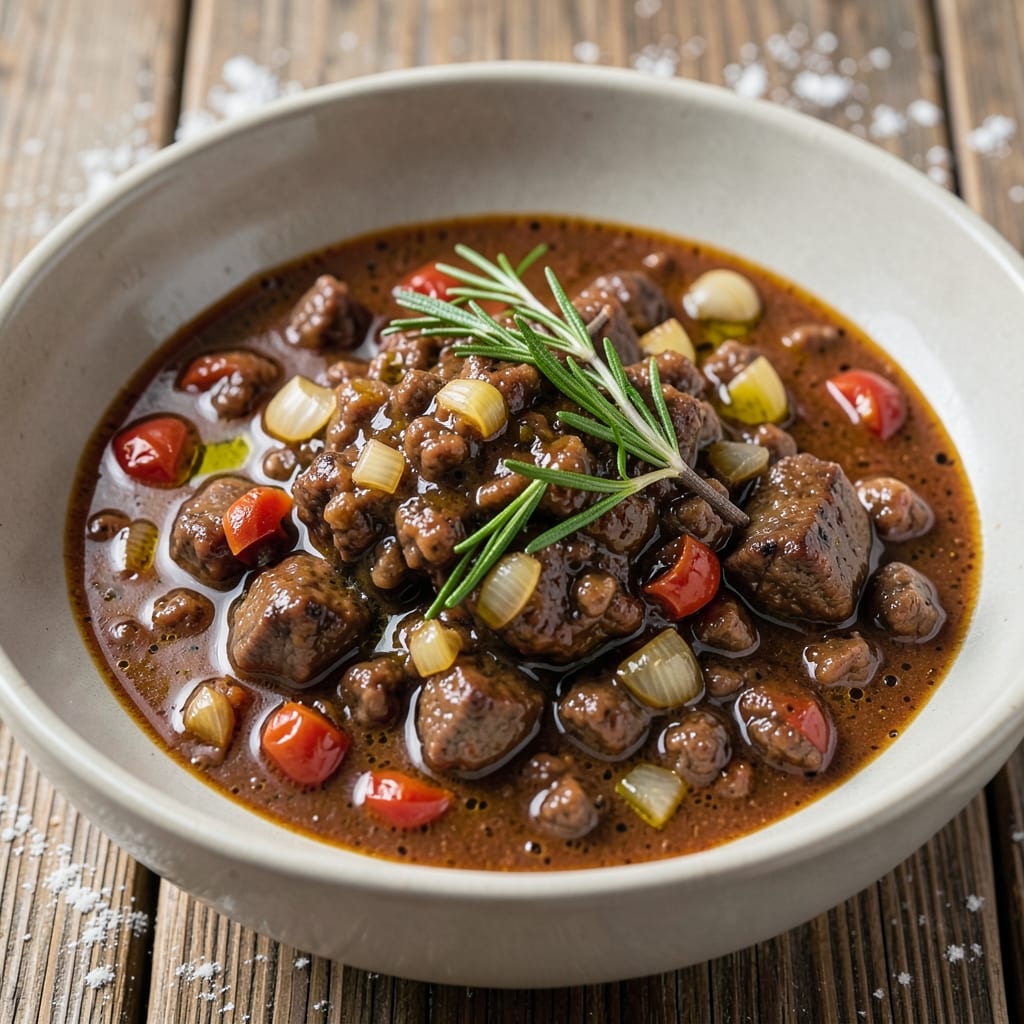
This authentic Italian beef ragu transforms humble ingredients into a deeply flavorful masterpiece through slow simmering and traditional techniques. The secret lies in browning the meat properly and deglazing with wine to capture every layer of umami. I've perfected this recipe over years of testing, ensuring it delivers restaurant-quality depth without shortcuts.
The process begins with high-heat searing of ground beef, followed by careful deglazing with red wine—a crucial step that builds the sauce's foundation. Fresh tomatoes, aromatic herbs like rosemary and sage, and a touch of sweetness from caramelized onions create a harmonious balance. What sets this ragu apart is the patience required: slow simmering for 3+ hours develops rich, complex flavors that can't be rushed.
By the time it's finished, you'll have a velvety, deeply flavorful ragu with tender beef and a sauce that clings perfectly to pasta or polenta. The aroma alone will have everyone gathered around the table, while the first bite delivers layers of savory, tangy, and herby notes. This is the kind of dish that tastes even better the next day as flavors meld.
Serve it over fresh tagliatelle, creamy polenta, or crusty bread to soak up every last drop. The beauty of this recipe is its versatility—make a big batch for leftovers or freeze portions for future meals. Here's how to make it the traditional way, step by step.
Ingredients for authentic italian beef ragu
Sixteen ingredients, three hours of slow simmering—authentic Italian ragu delivers restaurant-quality depth.
| Ingredient | Amount | Notes |
|---|---|---|
| Ground Beef (Chuck) 🥩 | 2 ½ lb | 80/20 fat ratio preferred |
| Red Wine (Dry) 🍷 | 1 cup | Bold variety like Cabernet Sauvignon |
| San Marzano Crushed Tomatoes 🍅 | 28 oz | High-quality canned tomatoes |
| Yellow Onion 🧅 | 2 whole | Finely chopped for caramelization |
| Garlic Cloves 🧄 | 6 cloves | Minced for aromatic depth |
| Fresh Rosemary 🌿 | ¼ cup | Finely chopped, stems removed |
| Fresh Sage Leaves 🌿 | ¼ cup | Torn between fingers, not chopped |
| Fresh Basil Leaves 🌿 | ¼ cup | Reserved for finishing |
| Tomato Paste 🍅 | 2 tbsp | High-quality, no sugar added |
| Extra-Virgin Olive Oil 🫒 | ½ cup | For searing and finishing |
| Beef Broth 💧 | 2 cups | Homemade or high-quality store-bought |
| Diamond Crystal Kosher Salt 🧂 | 1 ½ tsp | Adjust to taste throughout |
| Freshly Ground Black Pepper 🌶️ | ½ tsp | Cracked peppercorns preferred |
| Whole Milk 🥛 | ¼ cup | Optional for velvety finish |
The beef is non-negotiable. Chuck roast ground to 80/20 fat ratio ensures tender, flavorful bites that hold up to long cooking. Whole Foods or Trader Joe's carry pre-ground chuck, but if you're grinding your own, ask the butcher for well-marbled chuck. The wine should be dry and bold—Cabernet Sauvignon or Chianti work perfectly. For tomatoes, San Marzano cans are worth the investment; their sweetness and acidity balance beautifully. Fresh herbs? Grow your own or buy from a trusted farmers market—the difference in flavor is remarkable. Rosemary and sage add earthy depth, while basil brightens at the end.
No red wine? Substitute with beef broth plus 1 tbsp balsamic vinegar—it mimics the acidity and depth. Short on fresh herbs? Dried rosemary and thyme at half the amount will work, but fresh is ideal. The tomato paste can be skipped if you're using high-quality crushed tomatoes, but it adds a concentrated umami punch. For the olive oil, avoid light or refined oils—stick with extra-virgin for authentic flavor. The milk at the end is optional but transforms the sauce into a silky, velvety finish. If you're watching calories, omit it or use half-and-half.
This ragu tastes even better the next day as flavors meld. Store in an airtight container for up to 5 days in the fridge or freeze for 3 months. To reheat, simmer gently on low heat with a splash of broth or water. For serving, pair with fresh tagliatelle or creamy polenta—both soak up the sauce beautifully. Make a double batch; it's perfect for meal prep. The leftovers reheat wonderfully, making this a true pantry staple.
Why You'll Love This Recipe
- Minimal Chopping Required: I swear by this—just one onion and a few garlic cloves to dice before the wine even hits the pan. The chuck beef browns while you’re still washing your hands, and the San Marzano tomatoes? They’re pre-crushed, so no messy can-opening battles.
- Wine-Infused Magic: That splash of dry red wine isn’t just for show—it’s the secret weapon. It deglazes the pan, dissolves into the beef, and leaves behind layers of depth that turn this into something ridiculously rich. (Yes, even the cheap but decent wine works.)
- Leftovers That Beg for More: This ragu only gets better after a day or two in the fridge. The flavors meld like old friends, and it reheats in minutes—perfect for lazy lunches or when you suddenly remember you forgot to order takeout. My freezer’s full of it, honestly.
- Budget-Friendly Feast: Chuck roast is cheap, tomatoes are cheap, and a bottle of wine you’d normally drink anyway? This feeds six for the price of one restaurant meal. Plus, the leftovers stretch into pasta, sandwiches, or even stuffed peppers—no waste, just flavor.
Step-by-step instructions for authentic Italian beef ragu
This method delivers restaurant-quality ragu with deep umami and balanced acidity—every step matters.
Develop the Base with Onions and Tomato Paste
Heat the 0.5 cup extra-virgin olive oil in a heavy Dutch oven over medium-low heat. Add the 2 whole yellow onions, finely chopped, and cook for 15-20 minutes until deeply golden and caramelized—this builds the ragu's sweet foundation. The onions should be soft enough to break apart with a spoon but still hold their shape.
Reduce heat to low and stir in the 2 tbsp tomato paste, cooking for 2-3 minutes until it darkens slightly. This step creates the Maillard reaction that forms the ragu's rich, complex flavor. Don't rush it—proper development here ensures depth in every bite. Keep the heat gentle to avoid burning the paste.
Sear the Beef and Deglaze with Wine
Increase heat to medium-high and add the 2.5 lb ground beef (chuck), breaking it up with a wooden spoon. Cook for 8-10 minutes until the meat loses its raw color and begins to brown deeply. The fat should render out, leaving you with rich, caramelized bits—this is where the ragu's texture and flavor originate.
Pour in the 1 cup dry red wine, scraping up all the browned bits from the bottom of the pot with a wooden spoon. This deglazing step captures all the concentrated beef flavor that would otherwise stick to the pan. Let the wine simmer for 3-4 minutes until it reduces by half, intensifying its flavor and removing the alcohol.
Build Layers with Herbs and Tomatoes
Add the 6 cloves minced garlic, 0.25 cup finely chopped fresh rosemary, and 0.25 cup torn fresh sage leaves. Stir for 1 minute until fragrant—this releases their essential oils and infuses the ragu with aromatic depth. Then add the 28 oz San Marzano crushed tomatoes and 2 cups beef broth, bringing everything to a gentle simmer.
Reduce heat to low and let the ragu simmer uncovered for 2 hours, stirring occasionally. This slow cook transforms the ingredients into a cohesive, velvety sauce. The liquid should reduce significantly but still coat the back of a spoon. If it gets too thick, add 1-2 tablespoons water to maintain proper consistency.
Finish with Milk and Fresh Basil
After 2 hours, stir in the 0.25 cup whole milk and 1.5 tsp Diamond Crystal kosher salt. The milk adds a subtle richness that balances the acidity, while the salt enhances all the flavors. Simmer for an additional 30 minutes to let everything meld together. The ragu should be thick enough to coat a spoon but still pour gently.
Remove from heat and stir in the 0.25 cup fresh basil leaves, reserving a few for garnish. The basil adds a bright, fresh finish that cuts through the richness. Taste and adjust seasoning with additional salt or 0.5 tsp freshly ground black pepper as needed. Serve immediately over al dente pasta or use to stuff baked pasta shapes for an authentic Italian experience.
Pro Tips For Making Authentic Italian Beef Ragu
- CRUSH THE ONIONS: Don’t chop them—use the flat side of your knife to smash them into a pulp first. This dissolves their fibers faster and gives the ragu that silky, jammy texture instead of chunky bits. (Yes, even if you’re impatient like me, resist the urge to skip this.)
- SWEAT THE GARLIC LOW: After cooking the onions, add the garlic but turn the heat down to medium-low. I learned this the hard way—burnt garlic tastes like chemical warfare, and no amount of wine can save it. Let it just barely sizzle until fragrant, about 30 seconds.
- DEGLAZE WITH WINE IMMEDIATELY: As soon as you remove the meat from the pan, pour in the red wine while it’s still hot. Scrape up every last bit of fond—those browned bits are where all the flavor lives. Let it reduce by half before adding tomatoes, or you’ll end up with a watery sauce.
- REST THE MEAT FIRST: Spread the raw ground beef on a plate and let it sit at room temp for 10 minutes before browning. Cold meat steams instead of searing, and you’ll end up with gray, undercooked chunks. (Your future self will thank you when the ragu turns out rich and deep-colored.)
Common mistakes when making this recipe
Skipping the Sear
One of the biggest mistakes is skipping the beef sear. Browned meat develops the Maillard reaction, which creates deep, complex flavors that can't be replicated by raw beef. I always sear my 2.5 lb ground chuck over medium-high heat for 8-10 minutes until it's deeply browned. If you rush this step or use leaner cuts, your ragu will taste flat and one-dimensional. 🔥
Using Low-Quality Wine
Many recipes call for "red wine," but not all wines work equally well. I recommend a bold, dry red like Cabernet Sauvignon or Chianti—these add depth and acidity that cheaper wines lack. Avoid sweet or fruity wines, as they'll make your ragu taste off-balance. If you don't have quality wine, substitute with 2 cups beef broth plus 1 tbsp balsamic vinegar to mimic the acidity.
Adding Herbs Too Early
Fresh herbs like rosemary and sage should be added after the wine has reduced but before the tomatoes. Adding them too early can make them bitter, while adding them too late won't allow their flavors to meld properly. I add 0.25 cup chopped rosemary and 0.25 cup torn sage right after the wine deglazing but before the tomatoes. This ensures their flavors develop gradually.
Not Deglazing Properly
Deglazing with wine is critical—it dissolves the browned bits (fond) from the pan, which are packed with flavor. Many people pour in the wine and immediately add tomatoes, missing the chance to reduce the wine first. After adding the 1 cup red wine, let it simmer for 3-4 minutes until it reduces by half. This intensifies the flavor and removes the alcohol, creating a richer base. 🍷
Overcrowding the Pot
If you're using a small pot, adding all the ingredients at once can lead to steaming instead of browning. I use a heavy Dutch oven to give myself room to work. When browning the beef, spread it out in a single layer so it crisps properly. If your pot is too crowded, cook the beef in batches and set it aside until you're ready to combine everything.
Rushing the Simmer
Patience is key with ragu—rushing the 3-hour simmer results in a thin, watery sauce. The slow cook allows the meat to tenderize and the flavors to meld. I simmer mine uncovered on low heat, stirring occasionally. If it gets too thick, add 1-2 tablespoons water to maintain the right consistency. Skipping this step means missing out on the rich, velvety texture that makes ragu special.
Nutrition facts
Frequently asked questions
Can I use ground beef other than chuck for this ragu?
While chuck is ideal (80/20 fat ratio), you can use ground beef with 15-20% fat in a pinch. Avoid lean ground beef or turkey—too little fat means less flavor and a drier ragu. If using a leaner cut, add 1 tablespoon olive oil to compensate and simmer slightly longer to prevent dryness.
How do I know when the onions are caramelized enough?
Perfectly caramelized onions should be deep golden brown, soft enough to break apart with a spoon, and smell sweetly aromatic. They should take 15-20 minutes over medium-low heat. If they're still pale or crunchy, keep cooking—they're the flavor foundation of your ragu!
Can I make this ragu in a slow cooker?
Yes, but with adjustments! Brown the beef first, then transfer everything to the slow cooker. Cook on low for 6-7 hours or high for 4-5 hours. The texture will be slightly different (more tender meat, slightly thinner sauce), but still delicious. For best results, finish with the milk and fresh basil on the stovetop before serving.
What's the best pasta to serve with this ragu?
Traditional choices are tagliatelle or pappardelle—wide, flat noodles that hold the sauce beautifully. For extra authenticity, try orecchiette or rigatoni. Avoid thin noodles like spaghetti, as they can't carry the rich ragu. Cook pasta al dente (1 minute less than package instructions) and toss gently with the sauce.
Why does my ragu taste acidic after cooking?
This usually happens from overcooking tomatoes or using too much wine. Balance the acidity by adding 0.25 cup whole milk or 1 tablespoon tomato paste at the end. If it's still too tangy, stir in 1 teaspoon sugar or a pinch of salt to round out the flavors. The milk addition in the recipe helps prevent this!