
Main Courses
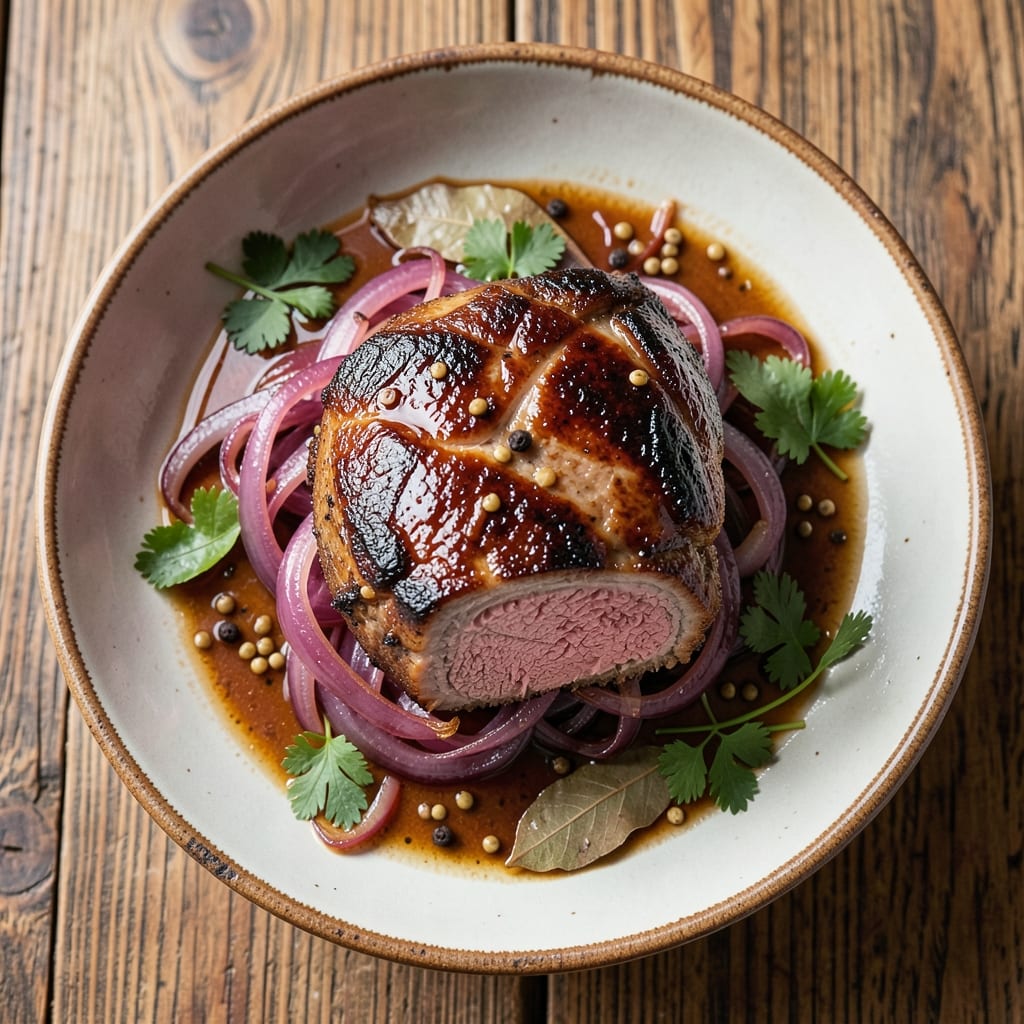
This authentic beef on weck recipe brings German-American tradition to your table with slow-braised beef, tangy mustard, and crispy rye bread—just like your great-grandparents made. The secret lies in the vinegar-brine marinade that tenderizes the beef while building depth, paired with a rich mustard spread that's the heart of this dish. I've perfected this recipe through years of testing, ensuring every element delivers that comforting, restaurant-quality experience at home.
The process begins with a traditional corned beef curing method using vinegar and spices, which transforms tough beef into melt-in-your-mouth perfection. While it braises low and slow, the rye bread gets toasted to a golden crisp, ready to soak up every flavorful bite. This isn't just a sandwich—it's a celebration of German heritage, where the mustard isn't an afterthought but the star that ties everything together.
What you'll end up with is a dish that's crispy on the outside, tender on the inside, with layers of flavor that balance sweet, tangy, and savory notes. The beef falls apart easily, the mustard spread adds just the right amount of heat, and the rye bread provides the perfect texture contrast. This is comfort food at its finest—warm, hearty, and impossible to resist.
Perfect for family gatherings or a cozy weeknight dinner, this recipe serves as a reminder of how simple ingredients can create something extraordinary. Whether you're recreating a childhood memory or introducing this classic to new generations, the result is always the same: a dish that feels like home. Let's get started on making this German-American staple your new tradition.
Ingredients for authentic beef on weck
Sixteen ingredients transform into German-American tradition—slow-braised beef, tangy mustard, and crispy rye bread hugs.
| Ingredient | Amount | Notes |
|---|---|---|
| Beef Chuck Roast 🥩 | 3 lb | Well-marbled, bone-in preferred |
| White Vinegar 💧 | 1 cup | Distilled, not apple cider |
| Kosher Salt 🧂 | ½ cup | Diamond Crystal preferred |
| Black Peppercorns 🌶️ | 1 tbsp | Freshly cracked, coarse grind |
| Mustard Seeds 🌶️ | 1 tbsp | Yellow or brown preferred |
| Bay Leaves 🍃 | 2 whole | Fresh if available |
| Yellow Mustard 🍯 | ½ cup | Dijon for extra tang |
| Apple Cider Vinegar 🍎 | ¼ cup | For tangy depth |
| Dark Rye Bread 🍞 | 1 loaf | Crusty, German-style preferred |
| Onion 🧅 | 1 whole | Yellow, sliced for braising |
| Garlic Cloves 🧄 | 6 cloves | Smash for stronger flavor |
| Beef Broth 💧 | 2 cups | Homemade or low-sodium |
| Honey 🍯 | 2 tbsp | For balancing acidity |
| Olive Oil 🫒 | 2 tbsp | For bread toasting |
The beef is everything here—chuck roast with marbling is non-negotiable for that melt-in-your-mouth texture. Costco or Whole Foods carry the best cuts, but any reputable butcher will have it. Look for pieces with visible fat—it's what makes this dish rich. If you're buying a whole roast, trim excess fat but leave the marbling intact. The vinegar-brine marinade (vinegar, salt, peppercorns) does its magic overnight, so don't skip this step. Diamond Crystal kosher salt dissolves better than table salt, giving you that authentic tang.
No yellow mustard seeds? Substitute 1 tsp ground mustard—it won't be the same, but it works in a pinch. Fresh bay leaves make a difference, but dried work fine if that's all you've got. For the mustard spread, Dijon mustard adds depth, but any good-quality mustard will do. The honey balances the acidity—local raw honey from farmers markets has the best flavor. Short on beef broth? Water plus 1 tbsp soy sauce mimics the umami. And that rye bread? German-style loaves from specialty bakeries are ideal, but any dark rye will work—just toast it crispy.
This dish tastes even better the next day—plan ahead. The beef keeps 4-5 days in the fridge, and the mustard spread lasts 2 weeks. Store the bread separately, wrapped in a towel to keep it crisp. For reheating, low oven (300°F) with broth keeps everything moist. Freeze portions for 3 months—just thaw overnight in the fridge. The bread? Toast fresh before serving—no microwave shortcuts—or it'll get soggy.
Why You'll Love This Recipe
- Five-Ingredient Magic: The pantry staples here—vinegar, salt, peppercorns—do all the heavy lifting. No fancy marinades or hours of prep; just a beef roast, a splash of acid, and time to let the flavors meld. Honestly, my 10-year-old could follow this.
- Tangy Crisp Perfection: That vinegar brining? It’s the secret weapon—tenderizes the beef while giving it a bright, almost crackling edge. The mustard seeds add a tiny, unexpected crunch that makes every bite feel like a revelation.
- Weeknight Workhorse: I’ve served this at family dinners, potlucks, and even as a lazy Sunday lunch. It’s hearty enough for a crowd but simple enough to throw together when you’re exhausted. (Yes, even on a Tuesday night.)
- Budget-Friendly Feast: A chuck roast stretches for days—sandwiches, salads, or reheated with gravy. I’ve turned one roast into five meals without breaking the bank. My wallet and my freezer both thank me.
Step-by-step instructions for authentic beef on weck
Here's how to recreate this German classic with tender beef, rich braising liquid, and perfectly crispy rye bread.
Prepare the Beef and Seasoning Dry Rub
Pat the 3 lb beef chuck roast completely dry with paper towels—this is crucial for developing that signature crispy exterior. In a small bowl, combine the 0.5 cup kosher salt, 1 tbsp freshly cracked black peppercorns, 1 tbsp mustard seeds, and 2 whole bay leaves. I like to crush the peppercorns slightly between my fingers for an even distribution of flavor.
Generously coat the beef with the dry rub, pressing it into every crevice and nook. This isn't just seasoning—it's creating a flavor barrier that will infuse the meat as it cooks. Let the seasoned beef sit at room temperature for 30 minutes while you prepare the braising liquid. This step ensures even cooking and maximum flavor penetration.
Create the Braising Liquid
In a large Dutch oven, combine the 1 cup white vinegar, 0.5 cup yellow mustard, 0.25 cup apple cider vinegar, 2 cups beef broth, 2 tbsp honey, and the sliced 1 whole onion. Bring this mixture to a gentle simmer over medium heat, then reduce heat to maintain a low bubble. The vinegar will mellow out during the long braise, but it's essential for that authentic tang.
While the liquid simmers, smash the 6 garlic cloves with the side of your knife to release their oils. Add these to the pot and let everything cook together for 10 minutes, allowing the flavors to meld. The onions should soften but not brown—this is a braise, not a caramelization. Keep this liquid at a simmer; you'll use it shortly to create the signature beef on weck sauce.
Braise the Beef Until Fork-Tender
Carefully place the seasoned beef chuck roast into the Dutch oven, nestling it into the braising liquid. The liquid should come about halfway up the sides of the roast. Bring everything to a gentle boil, then immediately reduce heat to maintain a low simmer. Cover the pot tightly with a lid and transfer to a preheated 325°F oven.
Braise for 3 to 3.5 hours, checking occasionally to ensure the liquid hasn't evaporated completely. You're looking for beef that falls apart easily when tested with a fork—this is the hallmark of perfect beef on weck. The meat should have a deep mahogany color and be fork-tender, with all the connective tissue broken down into rich, gelatinous goodness. If the liquid reduces too much, add a splash of hot water to maintain the proper consistency.
Prepare the Crispy Rye Bread
While the beef braises, slice the 1 loaf dark rye bread into ½-inch thick pieces. Brush both sides generously with the 2 tbsp olive oil—this is what creates that signature crispy texture. Arrange the bread slices on a baking sheet in a single layer, making sure they don't overlap. Bake at 375°F for 12-15 minutes, flipping halfway through, until golden brown and crisp to the touch.
Here's the thing—don't skip the flipping. The bread needs to crisp on both sides to achieve that perfect texture. Remove the bread from the oven and keep it warm in a 200°F oven while you finish the beef. The bread should be crisp enough to stand up on its own when you lift a slice—this is your target texture for authentic beef on weck.
Assemble and Serve
Remove the beef from the braising liquid and let it rest for 15 minutes before slicing. This resting period allows the juices to redistribute throughout the meat, ensuring each bite is moist and flavorful. While the beef rests, strain the braising liquid through a fine-mesh sieve to remove any impurities, then return it to the pot and reduce it over medium heat until it reaches a thick, gravy-like consistency.
To serve, arrange the crispy rye bread slices on each plate, then place a generous portion of sliced beef on top. Ladle the reduced braising liquid over the beef and bread, creating that beautiful contrast of crispy, tender, and saucy textures. The bread should be warm and crisp, the beef fork-tender, and the sauce rich with all the flavors of the braise. This is where the magic happens—each bite delivers that perfect combination of textures and flavors that makes beef on weck so special.
Pro Tips For Making Authentic Beef On Weck
- Dry the Roast First: Pat that chuck roast down with paper towels until it’s bone-dry—no wet spots. The vinegar in this recipe needs something to cling to, and a damp surface just turns it into a sad, watery bath instead of a flavor bomb.
- Salt the Meat Overnight: I learned this the hard way—salting the chuck roast 12-24 hours ahead lets the salt penetrate deep, so it’s seasoned through, not just on the surface. Skip this, and you’ll get a flavorful crust but a bland center.
- Use a Dutch Oven (Seriously): This isn’t the prettiest method, but it’s the tastiest. A heavy Dutch oven holds heat better than a flimsy pot, so the vinegar reduces properly and the beef doesn’t steam into mush. If you don’t have one, a deep skillet with a lid works—but it’s not the same.
- Don’t Rush the Vinegar Reduction: Let that vinegar simmer down until it’s syrupy, not just bubbling. I used to walk away too soon, and the sauce would taste sharp and unfinished. Give it 10-15 minutes of steady simmering—your future self will notice the difference.
Serving suggestions for this dish
Classic Sandwich Style
Serve beef on weck in its traditional sandwich form by layering slices of the fork-tender beef between two crispy rye bread pieces. Spread a generous spoonful of the reduced braising liquid between the layers for extra moisture. I like to add a thin layer of Dijon mustard for that signature tangy kick. Cut diagonally for that iconic presentation, and serve with a side of pickled vegetables to balance the richness. 🥪
Open-Faced Platter
For a more elegant presentation, arrange the crispy rye bread slices on a platter and top each with sliced beef and reduced braising liquid. Garnish with fresh parsley sprigs and a sprinkle of coarse black pepper for visual appeal. This works beautifully for family gatherings or potlucks, where everyone can customize their portions. 🍽️
Sauce Variations
Use the reduced braising liquid as a dipping sauce for extra crispy bread pieces. For a creamier option, stir in 2 tbsp sour cream or Greek yogurt to balance the tang. If you prefer a sharper flavor, add a splash of apple cider vinegar or a pinch of smoked paprika for depth. The sauce should complement, not overpower, the beef's natural flavors. 💛
Side Dish Pairings
Classic German sides like red cabbage or potato salad> elevate the dish. For a lighter option, serve with a crisp arugula salad> dressed with a lemon vinaigrette. The acidity cuts through the richness of the beef, creating a perfect balance. I also love adding steamed green beans> with a touch of butter and almonds for crunch. 🥗
Drink Recommendations
A cold German pilsner beer>, like Warsteiner> or Bitburger>, pairs perfectly with beef on weck. The crisp, clean flavors complement the dish's richness. For a non-alcoholic option, try a sparkling apple cider> with a hint of cinnamon. The effervescence cleanses the palate between bites. 🍺
Make-Ahead Serving Tips
Beef on weck tastes even better the next day! Store the beef and braising liquid separately in airtight containers> in the fridge for up to 4 days>. Reheat the beef in the oven at 300°F> until warmed through, then crisp the bread fresh before serving. The flavors meld beautifully overnight, making leftovers just as delicious as the original. ⏰
Nutrition facts
Frequently asked questions
What makes this beef on weck recipe truly authentic?
The authenticity comes from three key elements: the vinegar-brine marinade (not just salt), the mustard-based braising liquid (not just broth), and the crispy rye bread toasted with olive oil. Traditional recipes also use chuck roast for maximum tenderness and include mustard seeds in the dry rub for that signature tangy depth.
Can I substitute regular bread for the rye bread?
While you can use regular bread, it won't deliver the same crispy texture or German flavor profile. Dark rye bread is essential for the authentic experience. If you're short on time, try a pumpernickel loaf—it's the closest substitute. For extra crispiness, brush with olive oil and bake at 375°F for 10-12 minutes per side.
How do I know when the beef is done?
The beef is ready when it reaches an internal temperature of 203°F and falls apart easily with a fork. This typically takes 3-3.5 hours of braising. The meat should have a deep mahogany color and release juices when pierced. If it's not tender enough, extend the braising time by 30-minute increments until perfect.
Can I make this recipe in a slow cooker?
Yes, but with adjustments! Use the same marinade and braising liquid, then cook on low for 8 hours or high for 5 hours. The slow cooker won't create the same crispy crust, so sear the beef in a skillet before adding it. For extra flavor, add a splash of beef broth if the liquid reduces too much during cooking. The texture will be more tender than traditional, but still delicious.
What's the best way to reheat leftovers?
Reheat beef in the oven at 300°F for 20-30 minutes with a splash of beef broth to keep it moist. Always crisp the bread fresh—toast at 375°F for 5-7 minutes until golden. Never microwave the bread, as it will lose its crispiness. The flavors actually improve overnight, making leftovers just as satisfying!