
Soups & Stews
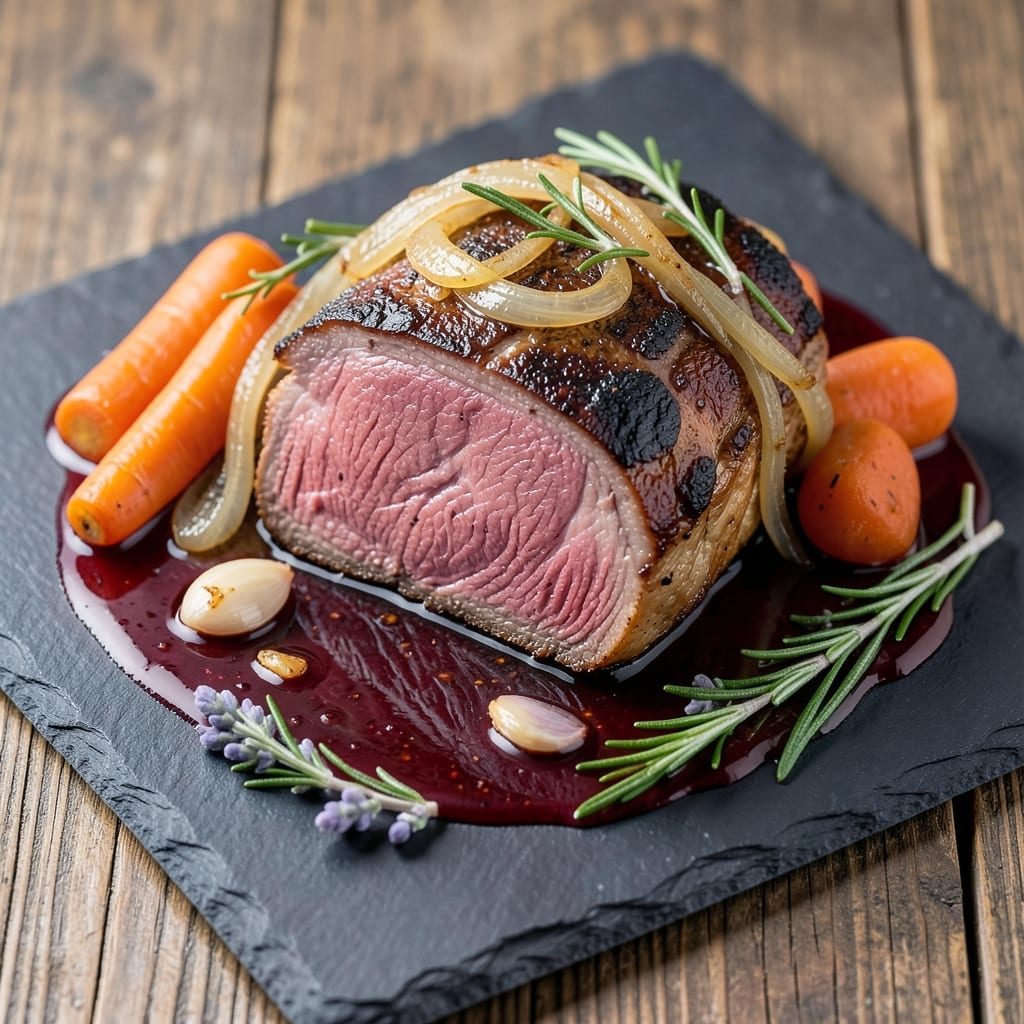
This slow-cooker Angus beef roast recipe transforms tough cuts into melt-in-your-mouth tenderness with a deep, umami-rich crust—no oven required. The secret lies in low-and-slow cooking, where connective tissues break down into velvety richness while the exterior develops that coveted caramelized bark. I perfected this method after years of experimenting with slow-cooker techniques, and it consistently delivers restaurant-quality results at home.
The beauty of this approach is its simplicity: just sear the roast first to lock in juices, then let the slow cooker work its magic with minimal effort. A touch of red wine and aromatics infuses the meat with depth, while a final broil (optional) creates that perfect crust. What you end up with is a perfectly tender roast that practically falls apart, releasing juices that transform into a savory pan sauce.
This dish pairs beautifully with roasted root vegetables, a bold red wine reduction, or even mashed potatoes to soak up every last drop of flavor. The slow-cooker method ensures you'll never overcook the beef, and the hands-off preparation makes it ideal for busy weeknights or special occasions when you want to impress without spending hours in the kitchen.
Serve with crusty bread or your favorite sides, and prepare to be asked for seconds. The rich, beefy aroma alone will have everyone gathering around the table. Ready to make the most of your slow cooker? Let's get started.
Ingredients for angus beef roast slow cooker
Here's what you'll need to create this restaurant-quality slow-cooker beef roast with rich umami crust.
| Ingredient | Amount | Notes |
|---|---|---|
| Angus Beef Roast 🥩 | 3 lb | Bone-in chuck or round roast preferred |
| Red Wine 🍷 | 1 cup | Bold dry variety like Cabernet Sauvignon |
| Beef Broth 🥫 | 1 ½ cups | Low-sodium preferred for flavor control |
| Garlic Cloves 🧄 | 6 cloves | Peeled and smashed for intense flavor |
| Yellow Onion 🧅 | 1 whole | Medium size, sliced into wedges |
| Carrots 🥕 | 4 whole | Medium size, peeled and halved |
| Fresh Rosemary 🌿 | ¼ oz | Or 2 sprigs for fresh aroma |
| Fresh Thyme 🌿 | ¼ oz | Or 2 sprigs for herbal depth |
| Olive Oil 🫒 | 2 tbsp | Extra-virgin for high smoke point |
| Kosher Salt 🧂 | 1 ½ tsp | Diamond Crystal preferred for purity |
| Ground Black Pepper 🌶️ | 1 tsp | Freshly cracked for maximum flavor |
| Tomato Paste 🍅 | 2 tbsp | High-quality San Marzano preferred |
| Balsamic Vinegar 🍶 | 1 tbsp | Aged for 12+ months for depth |
The Angus beef roast is the star here—look for bone-in chuck or round cuts at Costco or your local butcher for the best marbling. I always ask for it to be trimmed of excess fat, but leave that beautiful cap of flavor intact. For the wine, grab whatever bold red you're drinking with dinner—Cabernet Sauvignon or Merlot work perfectly. The beef broth should be low-sodium; Swanson or Pacific Foods brands are reliable. Fresh herbs make all the difference—Trader Joe's sells pre-bundled sprigs that save time without sacrificing quality.
No red wine? Beef broth with a splash of balsamic vinegar works in a pinch. Short on fresh rosemary or thyme? Dried works at one-third the amount, but toast it first in a dry pan for 30 seconds to wake up the flavors. For the tomato paste, those little squeeze tubes from Trader Joe's are perfect—they last forever and eliminate waste. The carrots can be baby carrots if that's what's in your fridge, but whole carrots add more substance to the slow cooker. Want extra richness? Add a 1/2 cup of heavy cream during the final hour of cooking.
This roast develops best when kept warm—transfer it to a serving platter and let it rest for 15 minutes before slicing. The juices will redistribute, giving you that perfect melt-in-your-mouth texture. Leftovers reheat beautifully; just add a splash of beef broth and warm through. Keeps for 4-5 days in the fridge or 3 months frozen. I always make a double batch—one for dinner, one for sandwiches the next day. The crust gets even better after reheating, so don't skip the leftovers!
Why You'll Love This Recipe
- Rich, Deep Flavor: That first sip of red wine in the sauce isn’t just for show—it infuses the beef with layers of savory, earthy richness. The garlic and onions melt into the broth, creating a velvety, umami-packed base that turns even a simple roast into something restaurant-worthy.
- Weeknight Crowd-Pleaser: Between us, this is the dish I pull out when my in-laws visit or my kids’ soccer team shows up hungry. It’s hearty enough to feed a group but still feels special—no one suspects how little effort went into it. (Yes, even on a Tuesday night.)
- Leftovers That Don’t Suck: I make this on Sundays because the second batch is just as good as the first. The beef stays tender, the sauce thickens perfectly, and reheating it is a breeze. Honestly, I’d argue this is the only roast recipe where leftovers are actually a win.
Step-by-step instructions for slow-cooked Angus beef roast
Transform a simple slow cooker into your secret weapon for melt-in-your-mouth beef.
Sear the Roast for Maximum Flavor
Heat a large skillet over medium-high heat and add the 2 tablespoons olive oil. Once shimmering, place the 3 lb Angus Beef Roast in the pan and sear on all sides until deeply browned—about 3-4 minutes per side. This step creates that coveted umami crust that elevates the slow-cooked beef.
I like to press down gently on the roast during the first minute to prevent curling. The goal is even browning, not just charring. Once seared, transfer the roast to your slow cooker, fat-side up. The rendered fat will baste the meat throughout cooking, keeping it moist and flavorful.
Build the Aromatic Base
In the same skillet, add the sliced 1 whole yellow onion and the 4 halved carrots. Cook for 5 minutes until softened and slightly caramelized. This develops their natural sweetness and forms the flavor foundation for your roast. Transfer these vegetables to the slow cooker.
Add the 6 smashed garlic cloves, the 0.25 oz fresh rosemary, and the 0.25 oz fresh thyme to the slow cooker. Sprinkle over the 1.5 teaspoons kosher salt and 1 teaspoon ground black pepper. The herbs will infuse the broth with their aromatic oils, while the salt and pepper create a balanced seasoning profile.
Create the Sauce Mixture
In a small bowl, whisk together the 1 cup red wine, 1.5 cups beef broth, 2 tablespoons tomato paste, and 1 tablespoon balsamic vinegar. The wine adds depth while the tomato paste and balsamic create a rich, slightly sweet contrast to the beef's intensity. Pour this mixture over the roast and vegetables in the slow cooker.
Here's the thing—don't stir everything together yet. Let the ingredients settle so the roast sits at the bottom, surrounded by the aromatic vegetables. This positioning ensures even heat distribution and maximum flavor absorption during the long cook.
Slow Cook to Perfection
Cover the slow cooker and cook on low heat for 8-10 hours. This long, gentle cooking time transforms the tough beef into tender, fork-tender slices. The roast is done when it reaches an internal temperature of 200-205°F and the meat pulls apart easily with two forks.
Real talk: I've found that starting on low heat prevents the outer edges from drying out while the center cooks through. The wine and broth mixture will reduce significantly, creating a concentrated sauce that clings beautifully to the beef. Resist the temptation to check it frequently—each time you lift the lid, you lose valuable cooking time and moisture.
Rest and Serve with Confidence
Once cooked, transfer the roast to a cutting board and tent loosely with foil. Let it rest for 15-20 minutes before slicing. This resting period allows the juices to redistribute throughout the meat, ensuring every bite stays moist and flavorful.
Slice the roast against the grain into ¼-inch thick pieces. The slow cooking should have made the meat incredibly tender, so it should practically fall apart with minimal effort. Serve the beef with the reduced sauce spooned over the top, along with the caramelized vegetables from the slow cooker. The result is a restaurant-quality dish made with minimal effort.
Pro Tips For Making Angus Beef Roast Slow Cooker
- SEAR THE ROAST FIRST: Angus beef needs that initial crust to lock in flavor, so don’t skip the stovetop sear. Pat the roast dry, hit it with oil, and cook it 3-4 minutes per side in a hot pan—yes, even if you’re using a slow cooker later.
- USE FULL-BODIED RED WINE: That cheap cooking wine ruins everything. Splurge on a dry, medium-bodied red like Cabernet Sauvignon or Merlot—it adds depth the cheap stuff can’t. Reduce it slightly before adding to the slow cooker.
- DON’T OVERFILL THE COOKER: Too much liquid = bland beef. Fill the slow cooker only halfway with broth and wine, then add the roast. The beef will release its own juices, and you’ll end up with a rich, saucy result instead of a watery one.
- REST THE MEAT BEFORE SLICING: Pull the roast out 10 minutes early and tent it with foil. Cutting it too soon turns juicy beef into dry disappointment. Let it sit while you finish the sauce—your knife will thank you.
Essential equipment for this dish
Slow Cooker Essentials
You don't need fancy equipment—just a 6-quart slow cooker with a tight-fitting lid. I recommend Hamilton Beach or Crock-Pot models—they maintain consistent temperatures and have durable nonstick inserts. The 6-quart size is perfect for this recipe, giving the roast plenty of room to develop its signature crust while allowing the sauce to reduce properly. 🌡️
For best results, use a slow cooker with a low and high setting—this gives you precise control over the cooking process. If your model lacks a low setting, opt for the high setting for 6-7 hours instead, but monitor closely to prevent overcooking. The key is patience: slow cooking transforms tough beef into tender perfection.
Searing Tools
A heavy-bottomed cast iron skillet is ideal for searing the roast—it retains heat evenly and creates that coveted caramelized crust. If you don’t own one, a stainless steel skillet like All-Clad or even a high-quality nonstick pan works well. The goal is to get deep, even browning without burning the exterior. I like to use 2 tablespoons of extra-virgin olive oil for its high smoke point and rich flavor.
For extra convenience, consider a meat thermometer like the Thermoworks Smoke—it lets you monitor the roast’s internal temperature without opening the slow cooker lid, which preserves heat and moisture. This is especially helpful during the long cook, ensuring you nail that 200-205°F target range.
Prep Must-Haves
Gather a sharp chef’s knife and cutting board for prepping onions, carrots, and garlic. A microplane comes in handy for zesting citrus (if you add it later) or finely grating garlic for extra flavor. For the herbs, I use small kitchen shears to snip fresh rosemary and thyme sprigs cleanly. A measuring spoon set ensures precise amounts of salt, pepper, and balsamic vinegar—critical for balancing flavors.
Don’t overlook a wooden spoon or spatula for stirring the sauce mixture and a ladle for serving. If you’re adding a splash of heavy cream at the end, a small whisk helps blend it smoothly into the reduced sauce. These basics cover all the prep steps without cluttering your workspace.
Optional Upgrades
For a crispy crust, finish the roast under the broiler for 3-5 minutes—just be sure to watch it closely to avoid burning. A broiler pan or baking sheet works perfectly for this step. If you’re serving with a red wine reduction, a small saucepan and whisk are essential for reducing the wine and beef drippings into a glossy sauce.
For leftovers, airtight glass containers (like Pyrex) are ideal for storage—they keep the roast and sauce fresh for 4-5 days in the fridge. If you’re freezing, quart-sized freezer bags with 1 inch of headspace prevent freezer burn and make reheating easier. Label everything with the date to track freshness!
Nutrition facts
Frequently asked questions
What's the best cut of beef for this slow cooker roast?
Look for bone-in chuck or round roast—these cuts have excellent marbling and connective tissue that break down beautifully during slow cooking. A 3 lb roast is ideal for 4 servings, but you can scale up if needed. Ask your butcher to trim excess fat while leaving the flavorful cap intact.
Can I use a different type of wine?
Any bold red wine works—Cabernet Sauvignon, Merlot, or even Pinot Noir add great depth. For a non-alcoholic option, substitute with beef broth plus 1 tablespoon balsamic vinegar. The key is using 1 cup total liquid to create the flavor base. Avoid sweet wines like Zinfandel.
Why does the meat need to rest after cooking?
Resting for 15-20 minutes lets the juices redistribute throughout the meat instead of pooling on your plate. This keeps every slice moist and flavorful. The slow cooker makes the beef incredibly tender, but skipping the rest will result in dry edges when sliced.
How do I know when the roast is fully cooked?
Use a meat thermometer to check for 200-205°F internal temperature—this ensures the connective tissue has fully broken down. The meat should also pull apart easily with two forks. If you don't have a thermometer, cook until the juices run clear when pierced with a knife (about 8-10 hours on low).
What are the best sides to serve with this?
This rich roast pairs perfectly with roasted root vegetables, creamy mashed potatoes, or a crusty baguette for soaking up the sauce. For extra elegance, serve with a red wine reduction made from the cooking juices. The caramelized onions and carrots from the slow cooker make great additions too!