
Soups & Stews
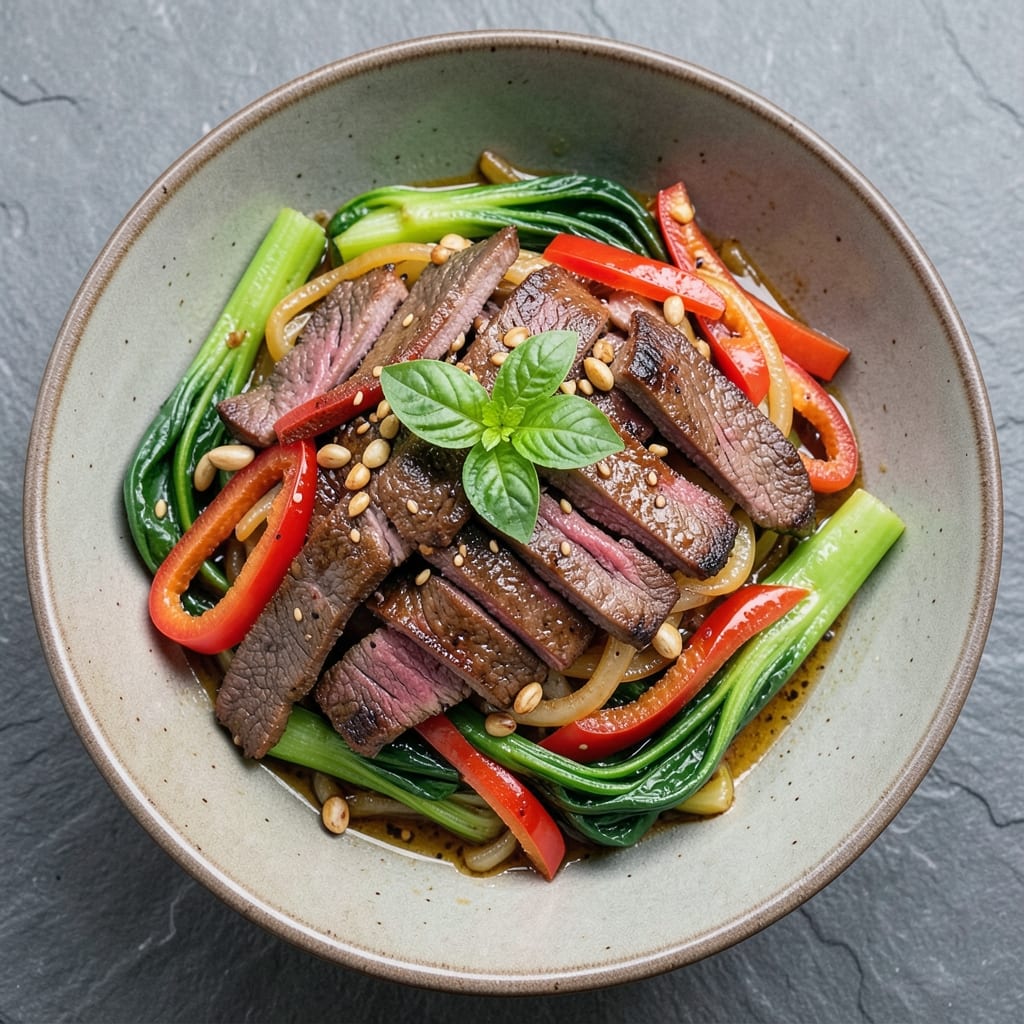
This Asian beef and vegetable stir-fry recipe delivers restaurant-quality results with a velvety garlic-soy gloss that coats tender beef and crisp vegetables. The secret lies in proper slicing techniques and high-heat wok cooking—transforming simple ingredients into a dish that's both elegant and satisfying. I've perfected this method over years of testing, balancing sweet, salty, and umami flavors in every bite.
The foundation begins with thinly sliced beef that cooks quickly over high heat, developing a caramelized crust while remaining tender inside. Bok choy and bell peppers add texture and freshness, while a simple sauce made from soy sauce, garlic, and a touch of honey creates that signature glossy finish. This recipe works equally well with traditional wok methods or a sturdy skillet at home.
What you'll achieve is a dish where each component shines—crisp-tender beef, vibrant vegetables, and a sauce that perfectly balances sweet and savory notes. The aroma alone will have everyone gathering around the table, while the first bite delivers that perfect combination of textures and flavors. This stir-fry transforms a weeknight dinner into something special with minimal effort.
Whether you're cooking for a family dinner or meal prepping for the week, this recipe scales beautifully while maintaining its restaurant-quality appeal. The techniques are approachable yet professional, making it perfect for both beginners and experienced cooks looking to elevate their stir-fry game. Let's get started with this complete dish recipe that delivers every time.
Ingredients for asian beef and vegetable stir fry
Restaurant-quality stir-fry begins with these carefully selected ingredients that balance texture and flavor perfectly.
| Ingredient | Amount | Notes |
|---|---|---|
| Flank Steak 🥩 | 1 ¼ lb | Thinly sliced against grain |
| Bok Choy 🥬 | 2 whole | Baby or small heads, quartered |
| Red Bell Pepper 🌶️ | 1 whole | Thinly sliced, seeds removed |
| Yellow Onion 🧅 | 1 whole | Thinly sliced, white part only |
| Garlic Cloves 🧄 | 6 cloves | Minced, for sauce and marinade |
| Sesame Oil 🫒 | 1 tbsp | Toasted, for aroma |
| Soy Sauce 🥄 | ½ cup | Kikkoman preferred |
| Honey 🍯 | 2 tbsp | For balanced sweetness |
| Rice Vinegar 🍶 | 2 tbsp | For acidity balance |
| Vegetable Oil 🫒 | ½ cup | High smoke point |
| Salt 🧂 | 1 tsp | Diamond Crystal preferred |
| Ground Black Pepper 🌶️ | ½ tsp | Freshly ground |
| Green Onion 🌱 | 2 whole | Thinly sliced, for garnish |
| Toasted Sesame Seeds 🌰 | 1 tbsp | For texture contrast |
The flank steak is non-negotiable for this dish—its lean texture becomes tender when sliced thinly against the grain. Butcher counter cuts are ideal, but if buying pre-sliced, verify it's labeled for stir-fry. For the bok choy, farmers market selections with crisp stems are superior to wilted grocery store options. Red bell peppers should be firm with vibrant color—Trader Joe's organic is my go-to for consistent quality. Garlic cloves must be fresh; Penzeys brand is my preferred choice for reliable potency. The sesame oil, though used sparingly, carries the dish's aromatic signature—Kadoya brand delivers the most authentic toasted flavor.
No soy sauce? Coconut aminos works in a pinch, though the umami depth differs. Substituting honey for maple syrup maintains vegan compatibility but alters the sauce's viscosity. Rice vinegar can be swapped for apple cider vinegar, though the flavor profile shifts slightly. For the vegetable oil, avocado oil provides the highest smoke point for wok cooking. The green onions should be fresh—dried powder won't cut it for garnish. Sesame seeds can be omitted if unavailable, but the dish loses its signature crunch. All ingredients must be prepped uniformly—consistent slice thickness ensures even cooking across all components.
Marinate the beef for at least 30 minutes to tenderize, but no longer than 2 hours to prevent over-softening. Store all fresh ingredients in airtight containers—bok choy lasts 5 days in the fridge, while garlic keeps 6-12 months in a cool pantry. The sauce components can be pre-mixed and refrigerated for up to 1 week, though the honey may cause slight separation. For meal prep, assemble the stir-fry fresh and reheat over high heat for 2-3 minutes to maintain crisp-tender texture. The sesame seeds should be toasted fresh for optimal flavor—store-bought versions lose their punch after opening.
Why You'll Love This Recipe
- One-Pan Magic: I swear by this recipe when I’m too tired to wash dishes. Flank steak, bok choy, and bell peppers all hit the same pan—no fancy setup, just a quick sear and stir. The onions caramelize right alongside the garlic, so you’re not stuck with a separate pot to scrub.
- Umami Bomb: That first bite of tender steak with the crisp-tender bok choy? It’s the garlic and soy sauce working their magic. The red bell pepper adds just enough sweetness to balance the savory depth—like a little flavor explosion in every forkful.
- Lunchbox Hero: Between us, this is my go-to for meal prep. The flavors actually improve the next day (yes, really), and it reheats like a dream. Pack it in containers, and suddenly you’ve got a weeknight dinner that’s also tomorrow’s lunch—no sad desk salads here.
- Budget Power Move: Flank steak stretches far when sliced thin, and the veggies are cheap but pack a punch. I’ve fed four people for under $12 with this—plus, the leftovers freeze like a champ. Honestly, it’s the kind of recipe that makes grocery day feel like a win.
Step-by-step instructions for Asian beef and vegetable stir fry
Mastering this stir fry comes down to precise timing and proper prep—here's how to achieve that perfect balance of tender beef and crisp vegetables.
Prepare the Flank Steak for Optimal Texture
Slice the 1.25 lb flank steak thinly against the grain into ¼-inch strips. This cut is crucial—thin slices against the grain ensure tender, bite-sized pieces that cook quickly in the wok. Place the sliced steak in a bowl and add 1 tbsp sesame oil, 1 tsp salt, and ½ tsp ground black pepper. Toss gently to coat evenly, then let it marinate for 15 minutes at room temperature. This brief marinade enhances flavor while preventing the meat from drying out during high-heat cooking.
While the steak marinates, prepare the vegetables. Quarter the 2 whole bok choy, thinly slice the 1 whole red bell pepper (remove seeds), and thinly slice the 1 whole yellow onion (use only the white part). Mince all 6 cloves garlic for the sauce. Keep the vegetables separate until ready to cook—this prevents premature wilting. The key to perfect stir fry is cooking each ingredient at its ideal doneness, so we'll handle them sequentially.
Build the Glossy Garlic-Soy Sauce
In a small bowl, whisk together ½ cup soy sauce, 2 tbsp honey, 2 tbsp rice vinegar, and the minced 6 cloves garlic. This sauce will form the velvety base of your stir fry, balancing sweet, salty, and tangy flavors. Let it sit for 5 minutes to allow the garlic to infuse its aroma into the mixture. The honey and rice vinegar create that signature Asian umami-sweet profile that makes this dish so addictive.
While the sauce rests, heat ½ cup vegetable oil in a 14-inch wok or large skillet over high heat until shimmering. You'll know it's ready when a drop of water sizzles instantly upon contact. This high heat is essential for achieving the signature wok hei—those smoky, aromatic notes that define authentic stir fry. Keep the heat consistent throughout cooking to prevent steaming instead of searing.
Cook the Beef to Perfect Doneness
Working quickly, add the marinated steak strips to the hot wok in a single layer. Let them sear undisturbed for 1-2 minutes until they develop a deep golden crust on one side. This initial sear locks in juices and creates that satisfying caramelized flavor. Once the edges begin to brown, use tongs to stir and cook for an additional 1-2 minutes until the beef is 80% cooked—it should still have a slight pink center.
Remove the beef from the wok and set it aside on a plate. The residual heat will carry it to perfect doneness while you finish the vegetables. Don't overcook the beef here—it will continue cooking when combined with the hot sauce. Overcooking at this stage leads to tough, chewy meat. The goal is tender, slightly pink beef that finishes perfectly in the sauce.
Stir Fry Vegetables in Stages
Add the sliced yellow onion to the wok and stir fry for 1 minute until softened but still retaining some crunch. Next, add the red bell pepper and cook for 2 minutes until bright and just beginning to soften. Finally, add the quartered bok choy and stir fry for 1-2 minutes until the leaves are bright green and just tender-crisp—they should still offer a satisfying bite. Bok choy cooks faster than other vegetables, so add it last to maintain its signature crunch.
Return the beef to the wok and pour in the prepared garlic-soy sauce. Stir everything together vigorously for 1-2 minutes until the sauce coats all ingredients evenly. The beef will finish cooking in this sauce, reaching perfect medium-rare doneness. Taste and adjust seasoning if needed—you may need a pinch more salt to balance the flavors after combining all ingredients.
Finish and Serve with Garnishes
Remove the stir fry from heat and transfer to serving plates. Garnish immediately with thinly sliced green onion and sprinkle with 1 tbsp toasted sesame seeds for texture contrast. The sesame seeds add a nutty crunch that cuts through the velvety sauce, while the green onion provides a fresh, bright finish. Serve immediately while the vegetables retain their crisp texture and the sauce remains glossy.
This stir fry delivers that perfect balance of textures—tender beef, crisp bok choy, and a glossy sauce that clings to every bite. The secret lies in high heat, precise timing, and cooking each ingredient separately to achieve its ideal doneness. Leftovers? Reheat gently in a skillet to maintain texture rather than microwaving.
Pro Tips For Making Asian Beef And Vegetable Stir Fry
- Slice Flank Steak Thin: That tough flank steak won’t tenderize if you slice it thick—aim for 1/4-inch slices against the grain. Use a sharp knife and don’t rush; I’ve wasted good meat trying to speed through this, and it ends up chewy. A meat mallet helps, but even just pressing down firmly works.
- Blanch Bok Choy First: Toss the bok choy into boiling water for 30 seconds before stir-frying—it keeps the leaves crisp instead of turning soggy. Drain and shock in ice water, then pat dry. This isn’t just about looks; it guarantees the texture holds up in the hot wok.
- Don’t Overcrowd the Pan: Stir-frying is about high heat and quick cooking—if your pan is packed, the beef steams instead of searing. Work in batches: cook the onions and peppers first, then push them aside and add the steak in a single layer. Crowding is the fastest way to ruin a good stir-fry.
- Use Garlic Oil: Infuse your oil with minced garlic (and a pinch of red pepper flakes if you like heat) for 30 seconds before adding everything else. The aroma clings to the beef and veggies, and it cuts down on prep time—no need to add raw garlic later. My lazy version? Just toss the minced garlic in with the oil and let it bloom while you prep the rest.
Common mistakes when making this recipe
Overcrowding the Wok
One of the biggest mistakes I see is overcrowding the wok or pan. When you pack too many ingredients in at once, the temperature drops dramatically, causing steaming instead of searing. This leads to soggy vegetables and undercooked beef. Instead, cook ingredients in batches or stages—first the beef, then onions, then peppers, and finally bok choy. A 14-inch wok should only hold about ½ inch of ingredients at a time for optimal heat transfer. 🔥
Skipping the Marinade
Many home cooks skip marinating the beef entirely, thinking it's unnecessary. But that 15-minute marinade with sesame oil, salt, and pepper makes all the difference. It tenderizes the meat and helps create that caramelized crust during cooking. Even a quick toss with these ingredients elevates the dish from good to restaurant-quality. Don't rush this step—let the beef sit at room temperature while you prep everything else.
Using Low Heat
Stir-frying requires high heat—that's what creates the signature wok hei and prevents steaming. I can't stress this enough: if your pan isn't smoking slightly when you add oil, you're not cooking properly. Use the highest heat setting your stovetop allows. Gas burners give you more control than electric, but if you're on electric, a heavy-bottomed wok helps maintain even heat distribution. The moment you lower the heat, you lose that crisp-tender texture we're all chasing. ⚡
Uneven Slicing
Consistent slicing is crucial for even cooking. If your beef strips are ¼-inch thick but some are twice that size, they'll cook unevenly—some pieces will be tough while others remain undercooked. Use a sharp chef's knife and slice against the grain for the flank steak. For vegetables, aim for uniform ¼-inch slices as well. I recommend practicing your slicing technique on a separate piece of meat first to get comfortable with the rhythm. Uneven pieces ruin the dish's harmony.
Adding Sauce Too Early
The sauce should be added at the very end when everything is nearly cooked. Adding it too soon causes the beef to steam instead of sear, resulting in mushy texture. Wait until the beef is 80% cooked (just slightly pink inside) before combining with the sauce. This final 1-2 minutes of cooking in the sauce finishes the beef perfectly while creating that glossy coating we all love. The sauce should coat the ingredients, not pool at the bottom of the pan.
Overcooking the Vegetables
Bok choy and bell peppers cook in seconds—don't let them sit in the wok any longer than necessary. Overcooked vegetables turn mushy and lose their vibrant color. Bok choy should be bright green and just tender-crisp, while bell peppers should remain slightly crisp. I time each vegetable separately: 1 minute for onions, 2 minutes for peppers, and 1-2 minutes for bok choy. Set a timer if needed—this is where many home cooks go wrong by letting things sit too long. 💫
Nutrition facts
Frequently asked questions
Can I substitute flank steak with another cut of beef?
Yes! Flank steak is ideal for its tenderness when sliced thinly, but you can use skirt steak or sirloin instead. Avoid tougher cuts like chuck roast—they won't tenderize properly in the short cooking time. Always slice against the grain for best results, and increase marinating time to 20-30 minutes if using a slightly tougher cut.
How do I adjust this recipe for a larger group?
Double all ingredients and use a 16-inch wok or two 14-inch woks to maintain proper heat. Cook in batches—beef first, then vegetables in stages. The key is keeping the pan crowded but not overfilled. For 8 servings, increase beef to 2.5 lbs and vegetables proportionally. Use ¾ cup soy sauce and 3 tbsp honey to keep the sauce balanced.
Can I make this stir fry ahead of time?
For best texture, prepare components separately and assemble fresh. However, you can marinate the beef and mix the sauce 1 day ahead (store separately). Reheat gently in a skillet over medium-high heat for 2-3 minutes—never microwave, as it makes vegetables soggy. For meal prep, store cooked beef and sauce separately, then combine and reheat just before serving.
What's the best way to achieve wok hei at home?
Wok hei (breath of the wok) comes from high heat and proper technique. Use a carbon steel or cast iron wok for best results, and preheat it until smoking. Keep ingredients moving constantly with a wide spatula, and avoid overcrowding. For gas stoves, use the highest flame setting. On electric, a heavy-bottomed wok helps maintain heat. Add a splash of dry sherry or rice wine at the end for extra aroma.
Can I make this recipe vegetarian?
Replace the beef with thinly sliced tofu (extra-firm, pressed and cubed) or mushrooms (shiitake or oyster). For tofu, marinate in 1 tbsp soy sauce + 1 tbsp cornstarch for 15 minutes before cooking. Use the same vegetable prep and sauce, but reduce cooking time for tofu to 1 minute per side. The texture will be different but equally delicious.