
Soups & Stews
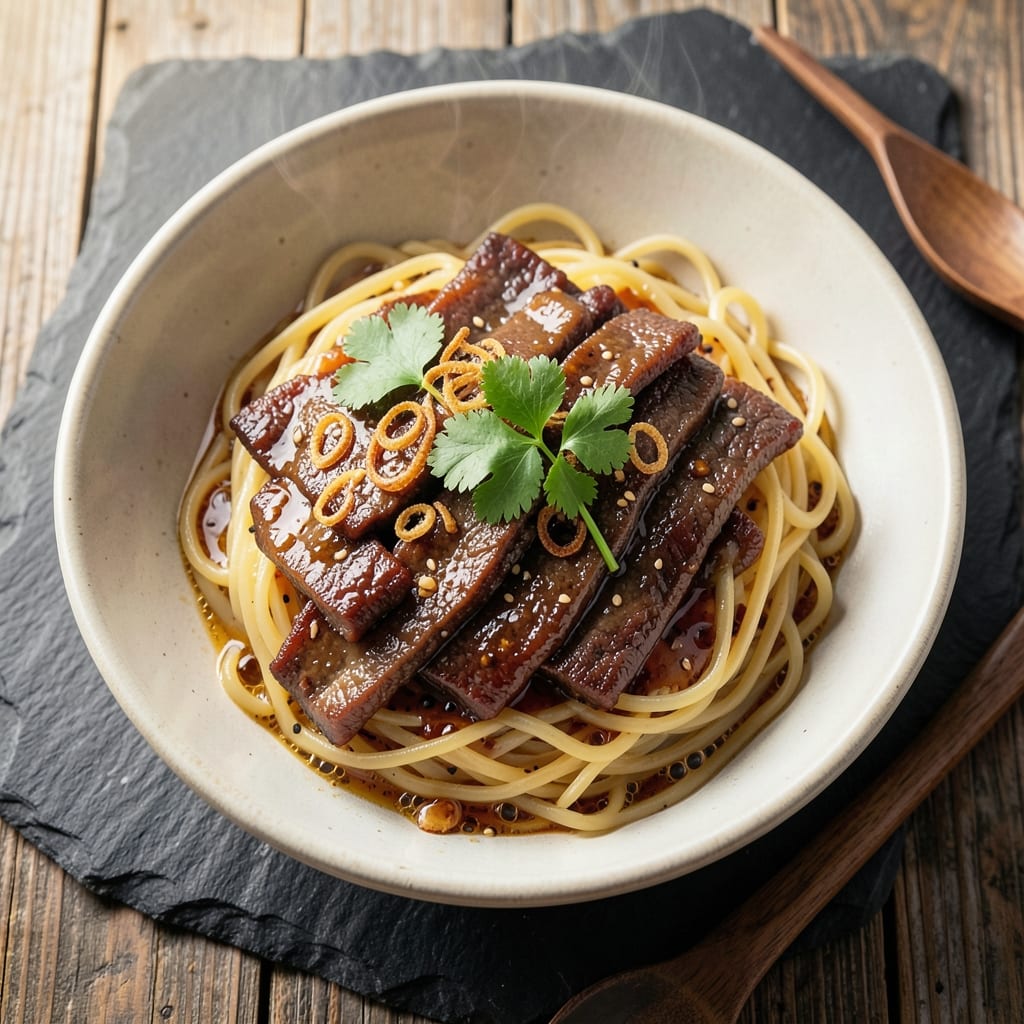
This authentic beef chow fun recipe delivers the smoky, umami-packed flavors of Cantonese street food in your own kitchen. The secret lies in achieving wok hei—that signature breath of the wok—through high-heat searing and quick stir-frying, transforming tender beef and chewy rice noodles into a dish that tastes like a Hong Kong night market. I’ve perfected this technique over years of testing, ensuring every bite delivers the perfect balance of savory, slightly sweet, and smoky notes.
What sets this recipe apart is the traditional seasoning blend: light soy sauce for depth, Shaoxing wine for aroma, and dark soy sauce for that signature brown color and caramelized crust on the beef. The beef strips are marinated just long enough to tenderize without overpowering their natural flavor, then wok-seared to achieve that coveted crunch—a texture that disappears in seconds, leaving behind layers of beefy richness. The rice noodles, pre-soaked to al dente perfection, absorb the fragrant broth while maintaining their satisfying chew.
The result is a dish that’s as visually striking as it is delicious: glossy noodles draped over a wok, topped with wok-seared beef strips, and finished with a drizzle of aromatic broth. The contrast of textures—crispy beef, tender noodles, and silky broth—makes every forkful unforgettable. This isn’t just a recipe; it’s an experience that brings the energy of a bustling Cantonese restaurant to your home.
Pair it with pickled vegetables for a tangy crunch or a side of chili sauce for heat lovers. The beauty of chow fun lies in its versatility—serve it as a light lunch, a hearty dinner, or even a late-night snack. Ready to master this classic? Let’s get cooking.
Ingredients for authentic beef chow fun
Authentic Cantonese flavors start with these carefully selected ingredients for restaurant-quality beef chow fun.
| Ingredient | Amount | Notes |
|---|---|---|
| Flank Steak 🥩 | 1 lb | Thinly sliced against grain |
| Rice Noodles 🍜 | 8 oz | Flat, medium-width, dried |
| Light Soy Sauce 🥄 | 3 tbsp | Kikkoman preferred |
| Dark Soy Sauce 🥄 | 1 tbsp | For caramelized crust |
| Shaoxing Wine 🍷 | 2 tbsp | Substitute dry sherry |
| Sesame Oil 🫒 | 1 tbsp | Toasted, for aroma |
| Fresh Garlic 🧄 | 4 cloves | Minced, aromatic |
| Fresh Ginger 🌿 | 1 inch | Julienned, peeled |
| Neutral Oil 🫒 | 2 tbsp | Peanut or vegetable |
| Green Onions 🧅 | 4 whole | White and green parts |
| Sesame Seeds 🌱 | 1 tbsp | Toasted, for garnish |
| White Peppercorns 🌶️ | ½ tsp | Freshly cracked |
| Sugar 🍚 | 1 tsp | White granulated |
| Cornstarch 🌾 | 1 tbsp | For velveting beef |
The beef selection is critical—flank steak delivers the right balance of tenderness and chew. Look for well-marbled cuts at Whole Foods or your local Asian market; the meat should feel firm yet slightly springy. Slice against the grain for maximum tenderness. For the rice noodles, medium-width flat noodles are essential—they absorb broth beautifully while maintaining structure. Avoid pre-cut noodles; whole strands ensure proper texture. Shaoxing wine, the soul of this dish, can be found at specialty stores like Trader Joe's or online retailers. If unavailable, dry sherry works admirably.
No Shaoxing wine? Dry sherry at equal measure maintains the aromatic profile. The ginger should be peeled and julienned into matchsticks—this maximizes surface area for flavor infusion. For the velveting process, cornstarch is non-negotiable; arrowroot won't yield the same silky texture. The dark soy sauce isn't just for color—it creates that signature caramelized crust on the beef. Use Kikkoman light soy sauce for consistency, though any high-quality brand suffices. Green onions should be split lengthwise for garnish, adding both color and freshness without overpowering the dish's umami depth.
Fresh ingredients like ginger and garlic should be stored in the fridge for up to 2 weeks—freeze any unused portions for later use. The rice noodles keep indefinitely in a cool, dry place; once soaked, they're best used immediately. Leftover beef can be repurposed in fried rice or noodle dishes within 3 days. For maximum freshness, prepare the marinade and velveting mixture the night before, storing in an airtight container in the refrigerator. The dish reheats beautifully, though the wok-seared beef loses its crispness—always cook fresh for that authentic wok hei experience.
Why You'll Love This Recipe
- Fewer Ingredients, Big Payoff: I swear by this recipe because it’s that simple—just five core ingredients, no weird substitutes. The flank steak slices itself thinly with the grain, and the noodles cook in minutes. Honestly, I’ve made it when I forgot half my pantry and still ended up with something amazing.
- Umami Bomb Combo: That dark soy sauce and Shaoxing wine? It’s a flavor shortcut I didn’t know I needed. The light soy balances it out, and the wine adds this deep, savory richness that turns a basic stir-fry into something you’d order at a dim sum spot. Between us, the beef gets dangerously tender.
- Leftover Hero: This dish begs to be made extra. The noodles reheat perfectly, and the sauce clings to everything like glue—no soggy mess. I’ll be real: I’ve eaten it cold the next day, and it’s still spot-on. Great for when you’re prepping for work or just too tired to cook fresh.
- Weeknight to Dinner Party: Throw it together for a lazy Tuesday or dress it up with scallions and sesame oil for guests. The rice noodles soak up the sauce like a dream, and the beef stays juicy no matter how you slice it. My go-to when I need something reliable but still feels special.
Step-by-step instructions for authentic beef chow fun
Master the wok technique and velveting process for restaurant-quality chow fun every time.
Prepare the Beef for Velveting
Slice the 1 lb flank steak thinly against the grain into ¼-inch thick strips. Place the beef in a bowl and add 1 tbsp cornstarch, 1 tbsp sugar, 1 tbsp light soy sauce, and 0.5 tsp white peppercorns. Mix gently with your hands to coat evenly—this creates the signature tender, velvety texture. Let it marinate for 10 minutes while you prepare the aromatics.
In a small bowl, combine 2 tbsp Shaoxing wine, 1 tbsp dark soy sauce, and 1 tsp sugar. This marinade will deepen the beef's umami flavor and create that signature caramelized crust. Keep both mixtures separate—you'll use them in sequence for maximum impact.
Cook the Aromatics and Noodles
Heat 2 tbsp neutral oil in a wok over high heat until shimmering. Add 4 cloves minced garlic and 1 inch julienned ginger, stir-frying for 30 seconds until fragrant but not browned. Immediately add the marinated beef in a single layer, spreading it out to prevent sticking. Cook undisturbed for 1 minute until the edges begin to brown.
Pour the Shaoxing wine mixture over the beef and stir quickly to deglaze the wok. Add 3 tbsp light soy sauce and 1 tbsp sesame oil, tossing everything together for 1 minute until the beef is 80% cooked but still slightly translucent. Remove from heat and set aside.
Meanwhile, soak the 8 oz rice noodles in hot water for 8-10 minutes until pliable but still slightly firm. Drain and toss with 1 tbsp neutral oil to prevent sticking. Keep them covered to maintain warmth.
Finish the Beef and Assemble Chow Fun
Return the wok to high heat with 1 tbsp neutral oil. Add the reserved beef and stir-fry vigorously for 1-2 minutes until the sauce thickens and the beef develops a glossy sheen. The beef should be fully cooked but still tender—this final sear locks in all the flavors.
Spread the oiled noodles across a large plate. Arrange the finished beef strips evenly over the noodles, then drizzle with any remaining pan juices. Garnish with 4 whole green onions (cut into 2-inch pieces) and 1 tbsp toasted sesame seeds for authentic presentation.
Serve Immediately for Maximum Crunch
Chow fun is best served immediately while the noodles retain their slight bite and the beef stays tender. Plate each serving with 1 whole green onion on the side for garnish and additional crunch. The dish should have a balance of textures—chewy noodles, tender beef, and crisp green onions—with a rich, umami-packed sauce.
For an authentic touch, serve with a small bowl of light soy sauce on the side. This allows diners to adjust the seasoning to their preference while maintaining the dish's traditional presentation. The key to authentic chow fun lies in the velveting technique and proper wok hei—don't rush the final sear, as this creates the signature smoky aroma and crisp edges.
Pro Tips For Making Authentic Beef Chow Fun
- SEAR STEAK IN BATCHES: Flank steak releases a ton of juice when searing, and drowning it in its own liquid kills the crust. Cut the steak against the grain into 1-inch strips, then cook in two batches—don’t overcrowd the pan. High heat, 2 minutes per side max, until deep brown. Let it rest before slicing thinly.
- SOAK NOODLES JUST BEFORE USING: Rice noodles for chow fun need to be firm but pliable—soak them in warm water for 8-10 minutes, then drain and toss with a splash of oil. Over-soaking turns them mushy; under-soaking makes them chewy. Work fast after draining, or they’ll dry out while you wait for the beef.
- USE DARK SOY FOR COLOR, LIGHT FOR FLAVOR: Dark soy sauce is your crust-building secret—add 1 tablespoon early to the wok to create a glossy, caramelized base. Light soy sauce (1-2 tablespoons) goes in later for saltiness and depth. Swap them, and you’ll either end up with a dull sauce or a dish that tastes like it’s missing something.
- SLICE STEAK AGAINST THE GRAIN—THEN AGAIN: First slice is easy—cut flank steak against the grain into strips. But for authentic texture, slice those strips perpendicular to the grain again before tossing with the noodles. It’s extra work, but the result is melt-in-your-mouth tenderness that holds up to the chewy noodles. (Yes, it looks weird, but trust me.)
Pro cooking tips for great authentic beef chow fun
Wok Hei Mastery
To achieve authentic wok hei—that smoky, aromatic essence—start by heating your wok over high heat until it's smoking slightly. I use a carbon steel wok from Made In because it retains heat better than stainless steel. Once hot, add neutral oil and swirl to coat the entire surface before adding aromatics. The key is high heat consistency—never let the temperature drop below medium-high once cooking begins. 🔥
Velveting Perfection
The velveting process transforms tough beef into tender, silky strips. After coating the beef with cornstarch and sugar, let it marinate for exactly 10 minutes—no longer or the texture suffers. When stir-frying, cook the beef in one layer for 1 minute undisturbed before tossing. This creates the signature crisp edges and tender center. I find Kikkoman light soy sauce works best for balancing sweetness and salt. 🥩
Noodle Texture Control
Rice noodles should be al dente but not mushy. Soak them in hot water for 8-10 minutes, then drain and toss immediately with neutral oil to prevent sticking. The oil also helps them absorb the beef's flavors better. Keep them covered while you finish the beef to maintain warmth—over-soaking turns them into a gluey mess. 🍜
Final Sear Technique
The final sear is where the magic happens. Return the beef to the wok with 1 tbsp fresh oil and stir-fry vigorously for 1-2 minutes until the sauce thickens and the beef develops a glossy sheen. This step locks in flavors and creates that restaurant-quality crust. I like to use a chopstick spatula for precise control—it lets me toss the beef without breaking it apart. 💫
Garnish Like a Pro
Authentic presentation matters! Top your chow fun with toasted sesame seeds and green onions cut into 2-inch pieces. The green onions should be split lengthwise so they add both color and crunch. I also serve a small bowl of light soy sauce on the side—it lets diners adjust seasoning without ruining the dish's balance. 🧅
Heat Management Tips
Never let your wok cool down between steps—this kills wok hei. If needed, preheat the wok with a wok dryer (I use the Made In Wok Dryer) for 2-3 minutes between uses. Also, keep your Shaoxing wine chilled—adding it straight from the fridge prevents the wok from losing heat too quickly. A thermometer helps monitor internal temps if you're unsure about heat levels. ⚡
Nutrition facts
Frequently asked questions about authentic beef chow fun
Can I substitute flank steak with another cut of beef?
Yes, but choose thinly sliced cuts like sirloin or ribeye for similar tenderness. Avoid fatty cuts like brisket—they won't velvet properly. For best results, slice against the grain to ¼-inch thickness regardless of cut. If using pre-sliced beef, pat it dry thoroughly before velveting.
Why does my beef chow fun turn out mushy instead of tender?
Over-soaking the noodles or overcooking the beef causes mushiness. Soak noodles for only 8-10 minutes in hot water, then drain immediately. For beef, cook in one layer for 1 minute undisturbed before tossing—this creates crisp edges while keeping centers tender. The velveting marinade (cornstarch + sugar) is key to texture.
How do I achieve that smoky wok hei flavor at home?
Use a carbon steel wok on high heat until smoking. Add neutral oil first, then aromatics, and cook until fragrant. Keep the heat consistent at medium-high—never let it drop. A wok dryer helps maintain heat between uses. The secret is high heat and quick cooking to create that signature smoky aroma.
Can I make beef chow fun ahead of time?
Not ideal—chow fun is best served fresh for maximum texture. However, you can prep components ahead: marinate the beef overnight, soak the noodles (drained), and store separately. Reheat beef in a wok for 1-2 minutes only—it loses crispness when reheated. For noodles, soak fresh before assembling. The dish reheats poorly, so cook fresh for authentic results.
What's the difference between chow fun and other beef noodle dishes?
Chow fun uses flat rice noodles arranged on a plate with beef on top, served with broth. Other dishes like beef noodle soup use round egg noodles in broth. The key difference is the presentation—chow fun is a dry stir-fry with a side of broth, while soups are fully immersed. The velveting technique and wok hei also distinguish it from heavier noodle dishes.